
Imagine your baby’s delicate skin, marred by red patches and persistent itchiness that disrupts their peace. Baby eczema, or atopic dermatitis, can be a challenging condition for both you and your little one. Understanding its causes and treatment options is essential for managing symptoms effectively. Let’s explore what triggers these flare-ups and how you can provide relief for your child.
Key Takeaways
- Eczema in babies is often linked to genetics, environmental triggers, and skin barrier dysfunction, leading to dryness and irritation.
- Common symptoms include persistent itchiness, red patches, dry skin, and scaly areas that can disrupt sleep.
- Long-term management involves a consistent moisturizer routine, gentle cleansing, and choosing soft, breathable fabrics like cotton.
- Over-the-counter treatments such as hydrocortisone cream, emollient creams, and natural remedies can alleviate symptoms and promote healing.
- Consult a pediatrician if symptoms persist, signs of infection appear, or behavior changes occur, indicating potential discomfort.
Understanding Eczema: What Is Baby Eczema?
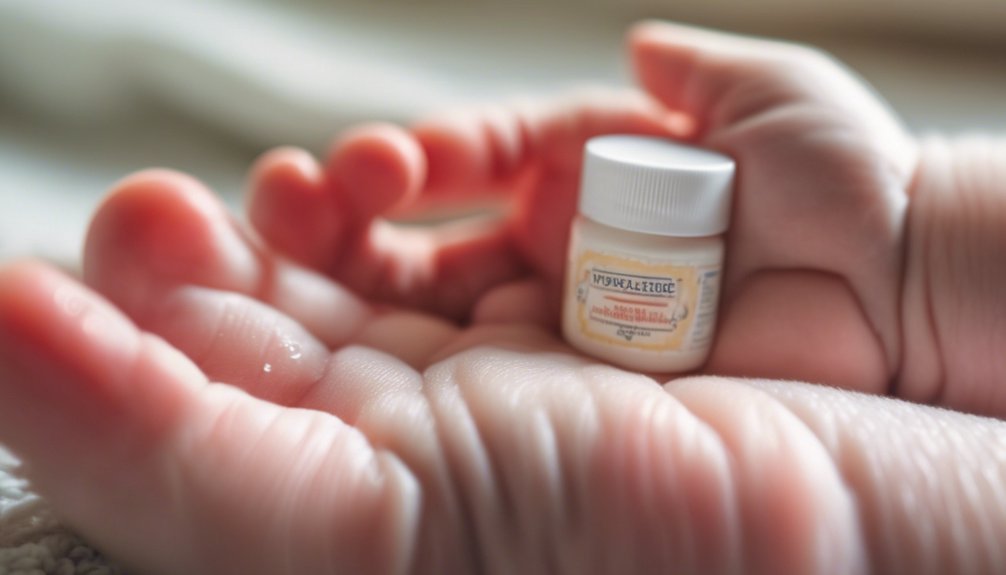
Eczema, often referred to as atopic dermatitis, is a common skin condition that affects many infants and young children.
It can be overwhelming for you as a parent to see your baby experiencing discomfort. Eczema awareness is crucial, as understanding the condition helps you manage it effectively.
Baby skincare routines play a vital role in alleviating symptoms. By keeping your baby’s skin moisturized and avoiding irritants, you can create a soothing environment.
It’s essential to pay attention to triggers, such as certain fabrics or soaps, that might worsen your baby’s eczema.
Common Symptoms of Baby Eczema
When your baby has eczema, you may notice several common symptoms that can cause discomfort and distress.
These signs often vary in intensity and can impact your baby’s daily life and sleep.
Here are three key symptoms to watch for:
- Itchy Skin: Your baby might frequently scratch, indicating persistent itchiness.
- Red Patches: Look for inflamed, red patches that may appear on various areas of the body, often accompanied by scaly areas.
- Crusty Lesions: In some cases, eczema can lead to crusty lesions, signaling inflammation signs and heightened discomfort levels.
These symptoms can disrupt your baby’s sleep, making it crucial to monitor and address them promptly with appropriate care.
Genetic Factors: Is Eczema Hereditary?
While many factors contribute to the development of eczema, genetics play a significant role in its occurrence. If you have a family history of eczema, asthma, or hay fever, your baby might be more likely to inherit this condition.
Genetic mutations affecting skin barrier function can lead to increased susceptibility to eczema. These mutations can disrupt the skin’s ability to retain moisture and protect against irritants, making your little one more vulnerable.
Understanding the hereditary nature of eczema can help you prepare and seek appropriate treatments. While you can’t change genetic factors, knowing your family’s history allows you to take proactive steps in managing your baby’s skin health and seeking guidance from healthcare professionals.
Environmental Triggers: How Surroundings Affect Baby Eczema

Understanding how environmental triggers can influence baby eczema is crucial for managing this condition effectively. Your home environment plays a significant role in your baby’s skin health, and several factors can exacerbate eczema flare-ups.
Consider these key triggers:
- Air Quality: Poor air quality can irritate your baby’s sensitive skin, increasing inflammation.
- Humidity Levels: High humidity can lead to mold exposure, while low humidity can dry skin out, making it more susceptible to irritation.
- Laundry Detergents: The chemicals in laundry detergents can irritate baby’s skin, especially if they contain fragrances or harsh additives.
Being mindful of these aspects can help you create a more soothing environment for your little one, reducing the likelihood of eczema flare-ups.
Allergens and Irritants: Identifying Common Culprits
Identifying allergens and irritants is essential in managing your baby’s eczema effectively. By recognizing what might trigger your baby’s flare-ups, you can create a more comfortable environment. Common household allergens include pet dander, dust mites, and pollen sources. Additionally, certain skincare products, laundry detergents, and food additives may also provoke irritation. It’s crucial to examine the materials your baby contacts, such as synthetic fabrics.
Here’s a quick reference table for common culprits:
| Allergen/Irritant | Source |
|---|---|
| Pet Dander | Animals in the home |
| Dust Mites | Bedding and carpets |
| Laundry Detergents | Cleaning products |
The Role of Skin Barrier Dysfunction
When your baby experiences eczema, skin barrier dysfunction often plays a pivotal role in exacerbating the condition. A compromised skin barrier can lead to increased water loss, causing dryness and irritation.
To help support your baby’s skin, focus on:
- Improving skin hydration: Regularly apply emollients to lock in moisture and soothe dry patches.
- Promoting barrier repair: Use products containing ceramides or fatty acids to strengthen the skin’s protective layer.
- Minimizing irritants: Choose gentle, fragrance-free cleansers and fabrics to reduce skin exposure to potential triggers.
Dietary Influences: Can Food Impact Eczema?

Skin barrier dysfunction isn’t the only factor that can influence your baby’s eczema; dietary choices may also play a significant role. Food sensitivities can exacerbate symptoms, while nutritional deficiencies may hinder healing. By making thoughtful dietary adjustments, you can potentially improve your baby’s gut health, leading to better skin outcomes.
Here’s a quick guide to consider:
| Food Group | Potential Impact on Eczema | Suggested Alternatives |
|---|---|---|
| Dairy | Common trigger for sensitivities | Almond milk, coconut yogurt |
| Eggs | Can cause allergic reactions | Flaxseed, chia seeds |
| Nuts | Often linked to eczema flare-ups | Seeds (pumpkin, sunflower) |
| Gluten | May influence inflammation | Quinoa, rice |
| Processed Foods | Can worsen gut health | Whole, unprocessed foods |
Understanding these connections can empower you to support your baby’s comfort.
Weather and Climate: Their Effect on Baby Eczema
As seasonal changes occur, you might notice that your baby’s eczema symptoms fluctuate, highlighting the intricate relationship between weather, climate, and skin health.
Understanding these variations can help you support your little one better. Here are three key factors to consider:
- Humidity Levels: High humidity can benefit your baby’s skin, preventing dryness, while low humidity might exacerbate eczema flare-ups.
- Temperature: Extreme heat can lead to sweating, which may irritate the skin, while chilly weather often results in dry, flaky patches.
- Seasonal Changes: Transitioning between seasons can trigger eczema due to varying allergens and irritants in the environment.
Tips for Managing Eczema Flare-ups
Managing eczema flare-ups can feel overwhelming, but there are effective strategies to alleviate your baby’s discomfort.
First, establish a gentle bathing routine. Use lukewarm water and limit bath time to about 10 minutes to prevent skin from drying out.
After bathing, pat your baby dry and apply a rich moisturizer immediately to lock in hydration. Focus on moisturizing techniques that work for your baby’s skin type; consider thick creams or ointments for better protection.
Also, dress your baby in breathable fabrics to minimize irritation. Keep the environment humidified, especially during dry seasons.
Treatment Options: Over-the-Counter Remedies
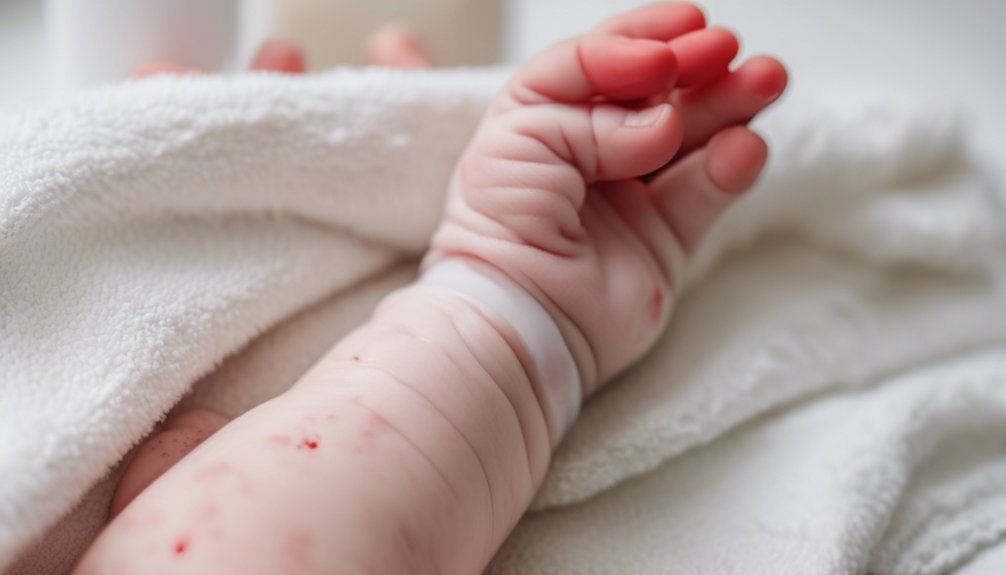
When your baby experiences eczema flare-ups, over-the-counter remedies can provide effective relief. You’ll find that certain options can ease discomfort and promote healing.
Here are three popular choices:
- Hydrocortisone Cream: A mild topical treatment that reduces inflammation and itching.
- Moisturizers: Look for fragrance-free, thick creams or ointments that lock in moisture, especially after bathing.
- Natural Remedies: Consider products with ingredients like colloidal oatmeal or coconut oil, which can soothe irritated skin.
Using these remedies can help manage your baby’s eczema, but always keep an eye on their skin’s response.
Creating a consistent skincare routine with these options can lead to more comfortable days and nights for both you and your little one.
When to Consult a Pediatrician
Despite the effectiveness of over-the-counter remedies for baby eczema, there are times when seeking guidance from a pediatrician becomes necessary. It’s essential to recognize the pediatrician signs that indicate your baby needs professional care.
| Pediatrician Signs | Description | Recommended Action |
|---|---|---|
| Persistent Symptoms | Eczema worsening despite treatment | Schedule an appointment |
| Severe Itching | Baby seems excessively uncomfortable | Contact your pediatrician |
| Signs of Infection | Redness, swelling, or oozing from the rash | Seek immediate help |
| New Symptoms | Development of new rashes or skin issues | Consult your pediatrician |
| Changes in Behavior | Increased fussiness or irritability | Discuss with your pediatrician |
If you notice any of these signs, don’t hesitate to reach out for help. Your baby’s comfort is paramount.
Long-term Management Strategies for Baby Eczema
To effectively manage baby eczema over the long term, it’s crucial to establish a consistent skincare routine tailored to your baby’s needs.
Here are three key strategies to consider:
- Moisturizer Routine: Apply a thick, fragrance-free moisturizer immediately after bathing to lock in moisture. Reapply throughout the day as needed.
- Gentle Cleansing: Use a mild, soap-free cleanser during baths, ensuring that you avoid products with harsh ingredients that could irritate the skin.
- Clothing Choices: Dress your baby in soft, breathable fabrics like cotton. Avoid wool and synthetic fibers, as they can aggravate eczema.
Frequently Asked Questions
Can Baby Eczema Affect Sleep Patterns in Infants?
Yes, baby eczema can cause sleep disturbances, making it tough for your little one to settle. Incorporating soothing nighttime routines can help ease discomfort, promoting better sleep for both you and your baby during those challenging nights.
Are There Any Natural Remedies for Baby Eczema?
Imagine soothing your baby’s skin with an oatmeal bath, while you gently apply coconut oil afterward. These natural remedies can help alleviate discomfort, offering relief and comfort, fostering a loving bond between you and your child.
How Does Baby Eczema Differ From Adult Eczema?
Baby eczema differs from adult eczema primarily due to infant skin’s sensitivity and thinner barrier. Their triggers, like allergens or irritants, can cause more pronounced reactions, requiring careful management to ensure comfort and healing for your little one.
Is Baby Eczema Contagious to Other Children?
No, baby eczema isn’t contagious to other children. Eczema transmission doesn’t occur through skin contact. However, it can affect the skin barrier, making it important to manage and care for your baby’s sensitive skin properly.
What Age Do Most Babies Outgrow Eczema?
You might think eczema’s a lifetime companion, but most babies outgrow it by age three. The duration often varies, but with tender care, your infant’s skin can flourish, leaving those itchy memories behind.
Conclusion
In conclusion, managing baby eczema requires a proactive approach, as nearly 20% of infants are affected by this condition. By identifying triggers and sticking to a consistent skincare routine, you can significantly reduce flare-ups and discomfort. Remember, it’s essential to consult a pediatrician if symptoms persist or worsen. With the right strategies, you can help your little one find relief and enjoy a better quality of life while navigating this challenging condition.