When choosing between cloth and disposable diapers, it’s essential to weigh their respective benefits and drawbacks. Cloth diapers can be a sustainable, cost-effective option, while disposables offer unmatched convenience. However, each choice carries implications for both your wallet and the environment. Understanding these factors can help you make an informed decision that best suits your family’s needs. But what happens when you consider comfort, travel, and social perceptions?
Key Takeaways
- Cloth diapers are eco-friendly, reducing landfill waste, while disposable diapers contribute significantly to environmental pollution.
- Initial costs for cloth diapers are higher, but they can lead to long-term savings compared to ongoing disposable diaper expenses.
- Cloth diapers offer better fit adjustments and comfort, while disposable diapers are more convenient for busy parents.
- Hybrid options combine the benefits of both cloth and disposable diapers, providing flexibility based on individual needs.
- Decision-making should reflect personal family values, budget, and lifestyle preferences when choosing between cloth and disposable diapers.
Overview of Cloth Diapers
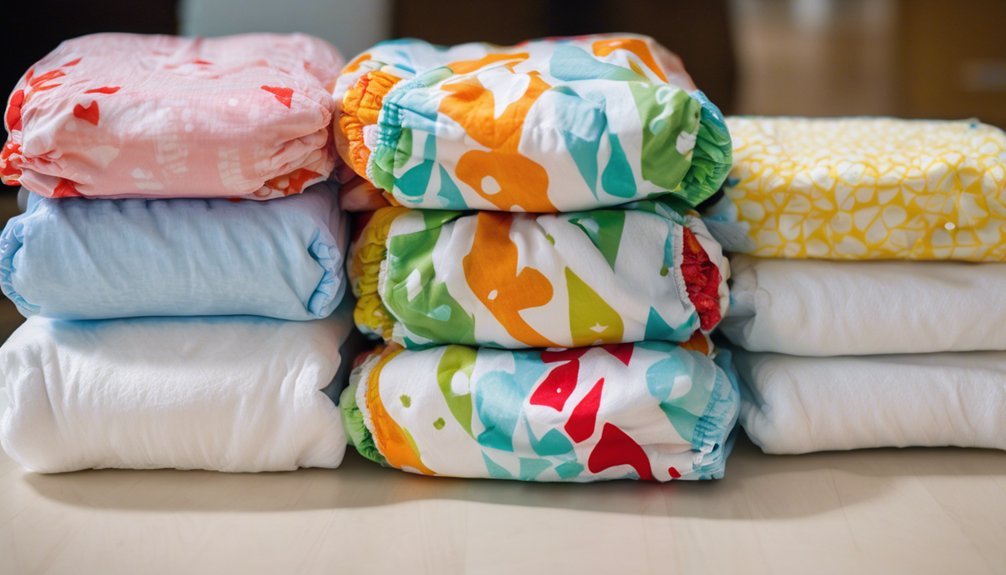
Cloth diapers have gained popularity as a sustainable alternative to disposable options, appealing to environmentally conscious parents.
These diapers often utilize eco-friendly materials like organic cotton, bamboo, and hemp, offering a biodegradable choice that aligns with your values. By choosing cloth, you’re not only reducing landfill waste but also connecting with age-old diapering traditions that many cultures have relied on for generations.
This choice fosters a sense of community and shared experience among parents who prioritize sustainability. Additionally, cloth diapers come in various styles, such as fitted, pocket, and all-in-one, ensuring you can find a system that suits your lifestyle.
Embracing cloth diapering can enhance your parenting journey while contributing positively to the planet’s health.
Overview of Disposable Diapers
Disposable diapers have become a go-to choice for many parents seeking convenience and efficiency in diapering. These diapers come in various types, catering to different needs and preferences. While traditional disposable diapers dominate the market, eco-friendly options are gaining traction, offering parents a sustainable choice without sacrificing performance.
| Disposable Diaper Types | Features | Eco-Friendly Options |
|---|---|---|
| Regular | Absorbent, easy to use | Biodegradable materials |
| Overnight | Extra absorbency for night | Plant-based liners |
| Swim | Designed for water use | Reusable swim diapers |
| Training Pants | Pull-up style for toddlers | Compostable options |
Environmental Impact
The choice between cloth and disposable diapers carries significant environmental implications.
Cloth diapers typically promote sustainability practices, as they can be reused multiple times, reducing waste. In contrast, disposable diapers contribute to landfill overflow, taking hundreds of years to decompose. Each year, millions of these diapers end up in landfills, complicating waste management efforts.
When you opt for cloth, you’re not just making a personal choice; you’re actively participating in a more sustainable future.
However, consider that cloth diapers require water and energy for cleaning. Balancing these factors is essential.
Ultimately, your choice reflects your values regarding the planet and the legacy you want to leave for future generations, making it crucial to weigh the environmental impact of each option thoughtfully.
Cost Comparison
When considering diapering options, you’ll find that the cost comparison between cloth and disposable diapers can significantly influence your decision.
Cloth diapers often require a higher initial investment, as you’ll need to purchase multiple sets to accommodate your baby’s needs. However, once you’ve made that upfront commitment, the long-term savings can be substantial, especially if you plan to use them for multiple children.
In contrast, disposable diapers might seem cheaper at first, but the ongoing expense adds up quickly over time, creating a significant financial burden.
Comfort and Fit
Choosing between cloth and disposable diapers often hinges on considerations of comfort and fit for your baby.
Cloth diapers typically offer more fit adjustment options, allowing you to customize the snugness around your baby’s waist and legs. This can help prevent leaks while ensuring your little one feels secure.
On the other hand, disposable diapers come pre-shaped, which can be convenient but may not accommodate every baby’s unique body shape perfectly.
The fabric choice in cloth diapers varies widely, with materials like cotton and bamboo providing softness and breathability.
When selecting, think about how these elements will affect your baby’s comfort throughout the day.
Ultimately, ensuring a proper fit and comfortable fabric can significantly enhance your baby’s diaper-wearing experience.
Convenience and Ease of Use
While both cloth and disposable diapers serve the same primary function, their convenience and ease of use vary significantly. Disposable diapers typically boast user friendly features, making them a go-to choice for busy parents. You can easily grab one, put it on, and toss it away, streamlining your diapering routines. In contrast, cloth diapers require more preparation and effort, which can be a drawback for some.
| Feature | Cloth Diapers | Disposable Diapers |
|---|---|---|
| Preparation Time | Longer | Minimal |
| Changes per Day | More frequent | Less frequent |
| Environmental Impact | Lower | Higher |
Ultimately, your choice depends on your lifestyle and preferences.
Maintenance and Care
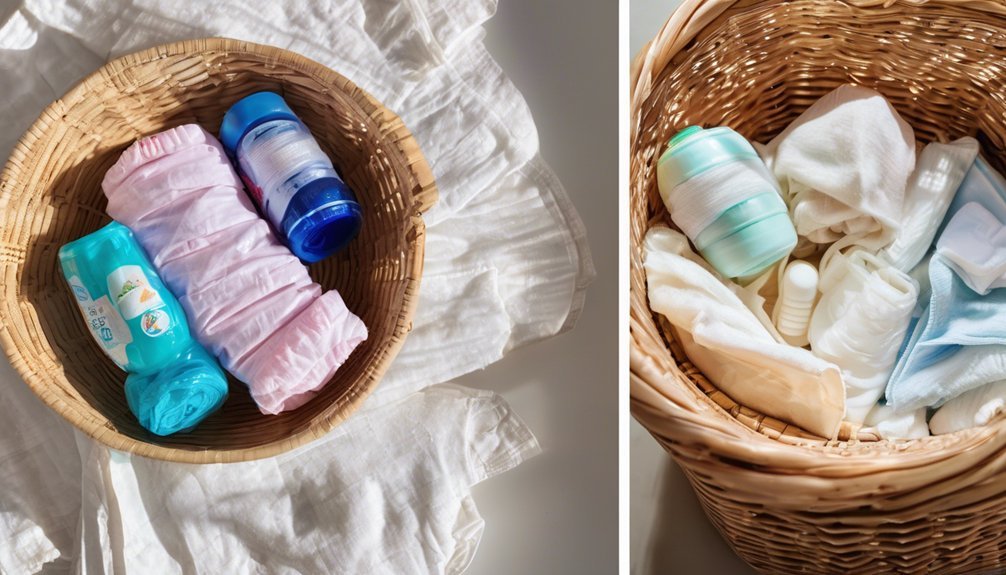
Although both cloth and disposable diapers serve the same purpose, their maintenance and care requirements differ significantly.
With cloth diapers, you’ll need to establish consistent washing routines. Typically, this involves rinsing off solids, soaking, and washing them in hot water with a suitable detergent. Proper drying is crucial; line drying can help maintain their absorbency. For diaper storage, consider a dedicated wet bag or pail to keep them until wash day.
In contrast, disposable diapers require no washing, but you’ll need to manage waste disposal responsibly.
Both options have their own demands, so choose what fits best with your lifestyle while ensuring your baby stays comfortable and clean.
Skin Health and Sensitivity
When it comes to diapering your baby, skin health and sensitivity are crucial factors to consider.
Cloth diapers are often praised for their breathability, which can help reduce skin irritation. However, if not changed frequently, they can harbor moisture and lead to rashes.
On the other hand, disposable diapers contain absorbent gels that wick moisture away but may include chemicals that trigger allergy reactions in some babies.
You’ll want to monitor your child’s skin closely, as sensitivity can vary greatly. If you notice redness or irritation, it may be time to reevaluate your choice.
Ultimately, both options have pros and cons; understanding your baby’s unique skin needs will guide you in making the best decision for their comfort and health.
Travel and On-the-Go Options
As you prepare for outings with your baby, considering the convenience of diapering options becomes essential.
Cloth diapers can be cumbersome to manage on-the-go, requiring extra space in your diaper bag for dirty diapers and multiple changes. However, many parents use travel hacks like pre-stuffed pockets to streamline this process.
Disposable diapers, on the other hand, are lightweight and easy to toss in your diaper bag, making them a popular choice for quick changes. They also eliminate the need for washing, allowing more time to enjoy your outing.
Ultimately, your choice depends on your lifestyle and preferences. Balancing convenience and environmental impact is key as you navigate travel with your little one.
Social Considerations and Stigma
Traveling with your baby often brings to light various social considerations surrounding diaper choices. Cloth and disposable diapers come with their own cultural perceptions, and you might feel societal pressures influencing your decision.
Many parents find themselves navigating a landscape where cloth diapering is praised for its eco-friendliness while disposable options are often seen as more convenient. However, you may also encounter stigma; some people view cloth diapers as outdated or impractical.
Understanding these dynamics can help you make a choice that feels right for you and your family. Ultimately, it’s essential to prioritize what works best for your lifestyle, regardless of external judgments or trends.
Embracing your choice fosters confidence in your parenting journey.
Hybrid Options
While many parents weigh the pros and cons of cloth versus disposable diapers, hybrid options emerge as a practical compromise.
These systems combine the convenience of disposables with the sustainability of cloth, allowing you to choose based on your needs. Generally, hybrid diapers use a reusable outer shell and disposable inserts, making them a versatile choice for busy parents.
You can easily switch between eco-friendly options and disposable inserts, depending on the situation. This adaptability not only supports your lifestyle but also reduces waste, making it a more environmentally conscious decision.
Making the Right Choice for Your Family
How do you determine the best diapering option for your family? Choosing between cloth and disposable diapers involves balancing family values with personal preferences.
Here are three key factors to consider:
- Environmental Impact: Consider how each option aligns with your family’s commitment to sustainability.
- Cost Effectiveness: Evaluate the long-term financial implications of both types, factoring in your budget and willingness to invest.
- Convenience vs. Care: Reflect on your lifestyle and how much time you can dedicate to washing cloth versus the ease of disposables.
Ultimately, the right choice caters to your family’s unique needs.
Frequently Asked Questions
Can I Use Cloth Diapers for Overnight Use?
Yes, you can use cloth diapers for overnight use. Ensure you choose options with high overnight absorption and pair them with reliable diaper covers. This combination can keep your baby dry and comfortable throughout the night.
How Do Cloth Diapers Affect Potty Training?
While cloth diapering can present challenges, it also offers potty training benefits. You might find that the increased awareness of wetness encourages quicker learning, but the extra laundry can feel overwhelming during this transitional phase.
Are There Special Detergents for Washing Cloth Diapers?
Yes, there are special detergents for washing cloth diapers. Look for detergent types designed to remove stains and odors while being gentle on fabrics. Follow washing tips like avoiding fabric softeners for optimal results.
How Do I Store Dirty Cloth Diapers?
To store dirty cloth diapers, use a breathable wet bag or pail with a lid for odor control. Ensure you regularly empty and wash the contents to maintain freshness and prevent any unpleasant smells from developing.
Can I Mix Cloth and Disposable Diapers?
You can mix them, but isn’t that a twist? While cloth offers sustainability benefits and disposables shine in convenience, the cost comparison gets tricky. Find the balance that fits your lifestyle and baby’s needs.
Conclusion
In the end, choosing between cloth and disposable diapers is like picking a path through a dense forest. Each option has its own trails—some winding toward sustainability and cost savings, while others lead to convenience and ease. As you navigate this decision, consider what resonates with your family’s values and lifestyle. Whether you opt for the earthy embrace of cloth or the quick convenience of disposables, remember that each choice carries its own weight in your parenting journey.