
Books for infants are like seeds, nurturing their budding minds and emotions. Selecting the right titles can significantly impact their development and attachment. By understanding their developmental stages and preferences, you can choose stories that resonate deeply. Interactive elements and sensory experiences play a crucial role in capturing their attention. So, how do you identify the best books that will not only entertain but also educate and connect?
Key Takeaways
- Select books with bright colors and engaging textures to stimulate infants’ sensory experiences and cognitive development.
- Choose interactive elements like lift-the-flap pages and sound buttons to enhance curiosity and make reading fun.
- Look for stories with relatable themes, such as family and daily routines, to nurture emotional connections and understanding.
- Incorporate rhymes and repetitive phrases to support language development and encourage participation from infants during reading.
- Create a cozy reading environment with a mix of print and digital books to foster a love for reading and exploration.
Understanding Infant Development Stages

As you embark on the journey of choosing books for infants, it’s essential to understand the different stages of infant development.
In the early months, babies are keen on sensory experiences. Books with bright colors and textures stimulate their cognitive development, helping them process visual information.
As they grow, they become more responsive to sounds and rhythm, so consider choosing books with engaging rhymes. This not only promotes language skills but also nurtures emotional bonding as you share these moments together.
By selecting age-appropriate books, you foster a love for reading while supporting their development.
The Importance of Age-Appropriate Themes
Choosing books with age-appropriate themes is crucial for fostering an infant’s cognitive and emotional development. When you select stories that resonate with their experiences, you’re not just reading; you’re building a foundation for understanding the world.
Simple themes about daily routines, family, and friendship help your baby grasp essential concepts, enhancing their cognitive development. Moreover, these relatable themes create opportunities for emotional connection. As you share stories about love and comfort, you’re not only nurturing their intellect but also deepening your bond.
This connection becomes a source of security, encouraging your infant to explore and engage with their environment. Remember, the right themes pave the way for a lifetime of learning and emotional richness, making your reading time all the more precious.
Choosing Books With Interactive Elements
When you incorporate books with interactive elements into your infant’s reading routine, you’re not only capturing their attention but also enhancing their learning experience.
Interactive storytelling encourages sensory engagement, making reading a fun adventure. Here are some key features to look for:
- Lift-the-flap pages that reveal surprises
- Sound buttons that add auditory stimulation
- Textures that invite tactile exploration
- Pop-up elements that create visual excitement
- Rhyming text that encourages participation
These elements not only entertain but also support your baby’s cognitive development.
As they explore these books, they’ll develop a love for reading while honing their motor skills and fostering curiosity.
Choosing the right interactive books can create cherished moments between you and your little one.
Sensory Stimulation Through Textures and Sounds

Incorporating sensory stimulation through textures and sounds can significantly enhance an infant’s reading experience. Books that encourage texture exploration invite your little one to touch and feel different surfaces, while sound engagement adds an auditory dimension that captures their attention. These elements can foster curiosity and support cognitive development.
| Texture Exploration | Sound Engagement | Benefits |
|---|---|---|
| Soft fabrics | Crinkly pages | Enhances tactile experience |
| Bumpy surfaces | Animal sounds | Stimulates auditory senses |
| Smooth textures | Musical elements | Encourages exploration |
The Role of Rhymes and Repetition
Rhymes and repetition play a crucial role in early language development for infants. When you read aloud to your little one, incorporating rhythmic patterns helps capture their attention and fosters a love for language.
Here’s why rhymes and repetition are essential:
- They enhance memory retention, making words stick.
- Repetitive phrases create familiarity, building confidence in language use.
- Rhythmic patterns develop listening skills and phonemic awareness.
- They promote cognitive connections, linking sounds with meanings.
- Rhymes make reading interactive, encouraging your baby to participate.
Selecting Board Books for Durability
Choosing the right books for your infant involves more than just selecting colorful pictures and catchy phrases; durability is a key factor. When it comes to board books, consider aspects like board material, edge protection, and chew-proof covers. Waterproof books ensure they withstand spills, while size considerations help little hands grip them easily. Here’s a quick reference for what to look for:
| Feature | Importance |
|---|---|
| Board Material | Ensures longevity |
| Edge Protection | Prevents wear and tear |
| Waterproof Books | Resists moisture |
| Chew Proof Covers | Safe for teething infants |
| Easy Cleaning | Maintains hygiene |
Incorporating Diverse Representation in Literature
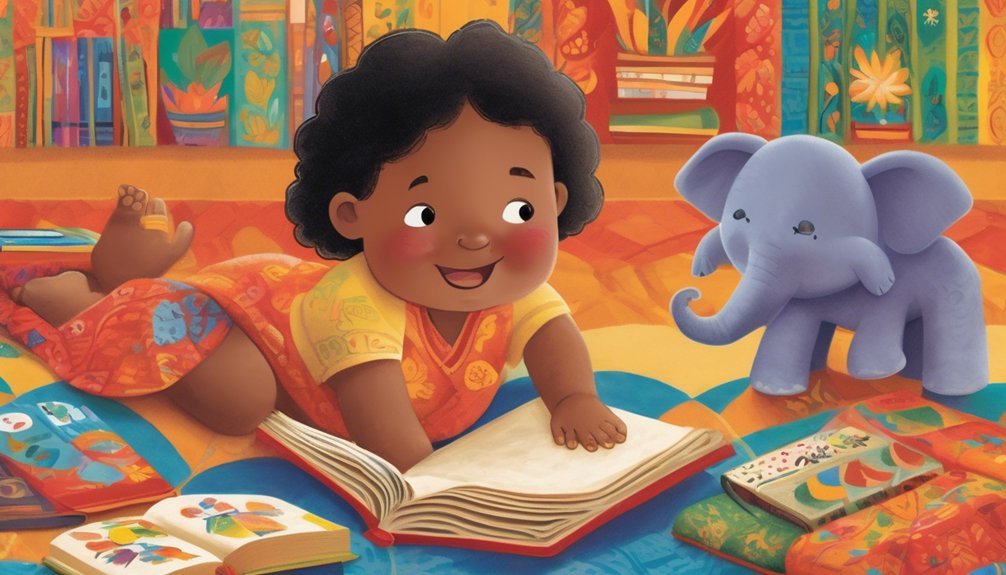
While many parents focus on colorful illustrations and engaging stories, it’s crucial to also prioritize diverse representation in the books you choose for your infant. Incorporating cultural diversity enriches their early experiences and fosters empathy.
Here’s how to ensure inclusive storytelling:
- Look for books featuring ethnic characters from varied backgrounds.
- Choose stories that showcase different family dynamics and traditions.
- Include narratives that provide global perspectives, helping your child appreciate the world.
- Select books that celebrate social inclusion and acceptance.
- Expose your infant to a range of cultures, enhancing their understanding of community.
Representation matters, and by choosing books that reflect diverse experiences, you’re nurturing an open-minded future generation.
Let your child see themselves and others in the stories you share.
The Benefits of Reading Aloud
Reading aloud to your infant offers a wealth of benefits that extend beyond mere entertainment. It plays a crucial role in language development, helping your little one recognize sounds, words, and patterns. When you read, you’re not just sharing stories; you’re introducing them to the rhythm and melody of language, fostering early literacy skills.
Moreover, this precious time strengthens emotional bonding between you and your baby. The warmth of your voice and the closeness of your embrace create a safe space where your child feels loved and secure.
These moments of connection promote trust and attachment, laying the foundation for their social and emotional growth. So, cuddle up with a book—it’s a simple yet powerful way to nurture your infant’s development and your relationship.
Engaging Illustrations and Visual Appeal
Engaging illustrations and visual appeal are essential aspects of books for infants, as they capture your baby’s attention and stimulate their developing senses.
When choosing books, look for elements that enhance the reading experience:
- Color contrast: Bold colors help infants focus and differentiate between images.
- Visual storytelling: Pictures should convey emotions and actions, sparking imagination.
- Simple shapes and forms: Clear, recognizable shapes encourage cognitive development.
- Interactive elements: Touch and feel textures can deepen engagement and curiosity.
- Diverse imagery: A variety of characters and scenes promotes inclusivity and broadens perspectives.
Creating a Reading Routine

Establishing a reading routine can significantly enhance your infant’s development and foster a love for books from an early age. By dedicating a specific time each day to read, you’re helping to cultivate strong reading habits that can last a lifetime.
Infants thrive on consistency, and a daily reading routine provides them with the security and comfort they crave. The routine benefits extend beyond language skills; it also strengthens your bond as you share moments of closeness and exploration together.
Choose a cozy spot, gather a few engaging books, and let your voice bring the stories to life. Remember, it’s not just about reading; it’s about creating joyful experiences that encourage curiosity and imagination in your little one.
Recommendations for Classic Infant Books
When selecting books for infants, consider these five classic titles that have stood the test of time and continue to delight young readers.
These timeless tales aren’t just entertaining; they also foster early language development and bonding moments between you and your baby.
Here are some classic favorites to add to your collection:
- Goodnight Moon by Margaret Wise Brown
- The Very Hungry Caterpillar by Eric Carle
- Brown Bear, Brown Bear, What Do You See? by Bill Martin Jr.
- Where’s Spot? by Eric Hill
- Pat the Bunny by Dorothy Kunhardt
These books offer engaging stories and delightful illustrations, making them perfect for sparking your infant’s imagination and curiosity.
Happy reading!
Exploring Digital vs. Print Books for Infants
As parents explore the world of reading for their infants, they often face the choice between digital and print books.
Digital engagement offers interactive features that can captivate your little one’s attention, making storytime dynamic and fun. These vibrant colors and sounds can stimulate their senses, fostering early interest in reading.
However, print advantages shouldn’t be overlooked. Holding a physical book allows you to create a tactile experience, making it easier for your baby to form connections with the story. The simplicity of print fosters a calm environment, encouraging bonding during shared reading moments.
Ultimately, blending both formats can enrich your infant’s reading journey, offering the best of both worlds while nurturing a lifelong love for books.
Frequently Asked Questions
How Do I Choose Books for Bilingual Infants?
To choose books for bilingual infants, focus on those that highlight bilingual benefits and support language development. Look for colorful illustrations and engaging stories that capture their interest, fostering a love for both languages early on.
What Are the Best Reading Positions for Infants?
For the best reading positions, try lap reading, where you hold your infant close, fostering connection. Incorporate tummy time to encourage exploration; this position strengthens muscles and supports an early love for books.
Can I Use E-Books for Infants?
You can use e-books for infants, but be mindful of digital distractions. E-book benefits include interactive features that engage your baby, fostering a love for reading while ensuring a balanced approach to screen time.
How Often Should I Read to My Infant?
You should read to your infant daily, as this reading frequency fosters language skills and emotional bonding. Even short sessions offer significant developmental benefits, enhancing their cognitive growth and creating cherished moments between you both.
What Should I Do if My Infant Loses Interest in Books?
If your little one drifts away like a leaf in the breeze, try incorporating engaging activities and interactive storytelling. Use puppets or props to reignite their curiosity, making reading a joyful, shared adventure once more.
Conclusion
In your journey to choose the best books for your infant, remember that every page turned is like planting a seed of imagination and connection. By selecting age-appropriate themes, interactive elements, and engaging illustrations, you’re nurturing their love for reading from the very start. Establishing a reading routine can create lasting bonds and enrich their developmental stages. So, dive into those colorful pages and watch your little one’s curiosity blossom like a vibrant garden of stories!