
A sketchbook is like a treasure chest, waiting to be filled with the gems of your child’s imagination. It’s more than just paper; it’s a space where thoughts and emotions can take shape. By encouraging your child to explore this tool, you open doors to creativity and self-discovery. What if that simple book could become a gateway to confidence and expression? Let’s explore how sketchbooks can transform your child’s artistic journey.
Why Sketchbooks Are Essential for Creative Kids
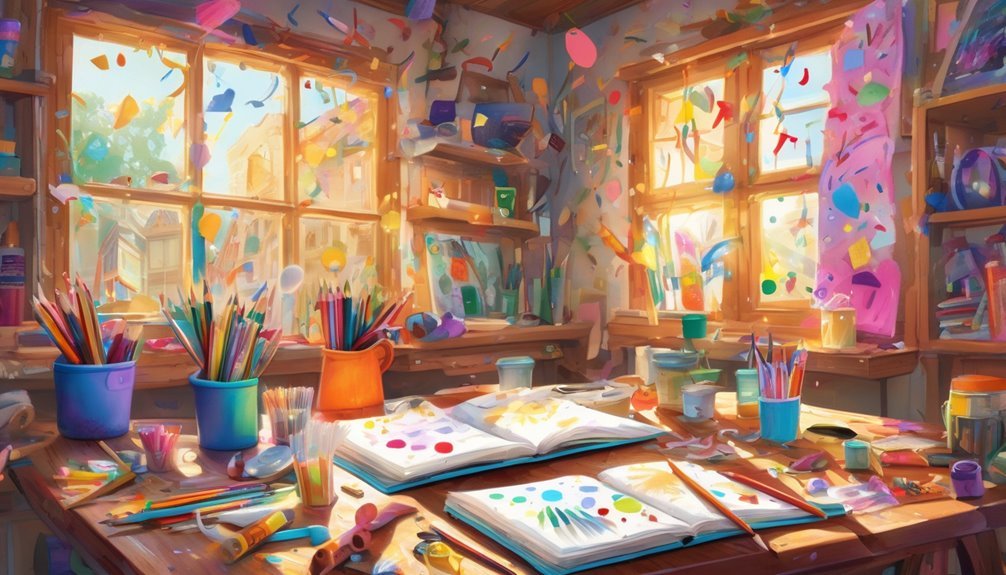
When you think about nurturing creativity in kids, sketchbooks play a vital role in their artistic journey. They’re not just blank pages; they’re gateways to imaginative exploration. By encouraging your child to fill those pages, you’re supporting their artistic development in a hands-on way.
Sketchbooks provide a safe space for kids to experiment with ideas, colors, and techniques without fear of judgment. Each doodle or drawing fosters confidence and helps them articulate their thoughts visually.
Plus, the tactile experience of drawing can enhance their engagement and focus. So, whether it’s a simple sketch or a complex creation, those moments in a sketchbook can spark a lifelong passion for art, allowing your child to express themselves freely and creatively.
Sketchbooks and Emotional Expression: Their Impact?
Emotional expression flourishes in the pages of a sketchbook, offering kids a unique outlet for their feelings. When they draw, paint, or doodle, they experience an emotional release that can be both liberating and therapeutic.
Sketchbooks serve as a safe space, allowing children to explore their emotions without judgment. This form of artistic therapy encourages them to process complex feelings, whether it’s joy, sadness, or anxiety.
Sketchbooks provide a judgment-free zone for children to navigate their emotions, fostering healing and self-discovery through artistic expression.
By transforming their thoughts into visual art, kids not only enhance their creativity but also develop emotional resilience. You’ll likely notice them feeling lighter and more centered after pouring their hearts onto the page.
Encourage your child to embrace this powerful tool; it can be an invaluable part of their emotional growth.
Best Tips for Choosing Your Child’s Sketchbook
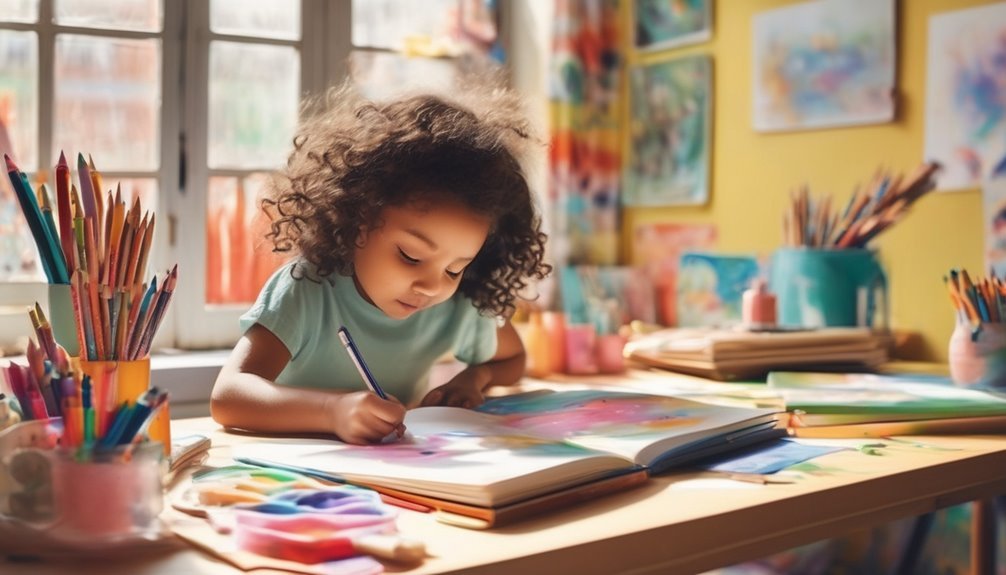
Choosing the right sketchbook for your child can enhance their creative journey and emotional expression. Start by considering paper quality; thicker paper holds up better to various mediums.
Next, look at binding type—spiral bindings allow pages to lay flat, while stitched bindings offer a classic feel. Size options matter too; smaller sketchbooks are great for portability, while larger ones provide more space for big ideas.
Encourage your child to personalize their sketchbook with stickers or drawings, making it truly theirs. Finally, think about inspiration sources; choose a sketchbook that reflects their interests, whether it’s nature, animals, or space.
With these tips, you’ll find a sketchbook that fuels their imagination and creativity!
Engaging Activities to Spark Sketchbook Creativity
To ignite your child’s imagination, dive into a variety of engaging activities that can transform their sketchbook into a canvas of creativity. Start with fun drawing prompts, like “design a new creature” or “imagine a world underwater.” These can spark unique ideas and encourage imaginative thinking.
Next, introduce creative challenges, such as completing a drawing in just five minutes or using only three colors. These tasks not only boost artistic skills but also make the process exciting.
Encourage your child to explore different styles—collage, doodling, or even mixed media. Rotate these activities regularly to keep the inspiration flowing.
How to Foster Your Child’s Confidence in Sharing Their Sketchbook

How can you help your child feel confident when sharing their sketchbook? Implementing effective sharing strategies can make a big difference. Here are three ways to boost their confidence:
- Create a Safe Space: Encourage a judgment-free environment at home where your child can share their artwork freely.
- Celebrate Small Wins: Acknowledge their efforts, regardless of the outcome. Compliments can reinforce their confidence and motivate them to share more.
- Practice Together: Role-play sharing scenarios with friends or family. This builds familiarity and eases anxiety around presenting their work.
Why Keeping a Sketchbook Is Great for Your Child’s Future
Encouraging your child to share their sketchbook not only builds their confidence but also lays the groundwork for a bright future. By regularly sketching, your child engages in imagination development, exploring new ideas and perspectives.
This creative process enhances their ability to think outside the box, which is crucial in today’s fast-paced world. Moreover, sketching presents opportunities for problem solving; each line drawn can lead to new solutions or ways to express complex thoughts.
As they navigate these challenges, they cultivate resilience and adaptability—skills that will serve them well in any endeavor. Ultimately, a sketchbook isn’t just a collection of drawings; it’s a tool that fosters creativity and equips your child for future success.
Frequently Asked Questions
What Materials Should Kids Use in Their Sketchbooks?
Kids should use a variety of art supplies like colored pencils, markers, and watercolors. Experimenting with different creative techniques, such as blending and layering, helps them unleash their imagination and enhances their artistic skills.
How Often Should Children Update Their Sketchbooks?
You should encourage your child to update their sketchbook regularly—ideally weekly. This sketchbook routine fuels creative inspiration, helping them develop ideas and techniques while embracing their artistic journey. Consistency nurtures growth and creativity!
Can Sketchbooks Be Used for Journaling?
Absolutely, sketchbooks can enhance your journaling! Imagine your child illustrating a day at the park, blending creative expression with visual storytelling. Each page becomes a canvas for memories, thoughts, and imagination—an inspiring keepsake!
What Age Is Appropriate to Start a Sketchbook?
You can start a sketchbook as early as age three! Encouraging early creativity and artistic expression helps kids explore their imaginations. Just provide them with materials and let their creativity flow freely.
How Can Parents Help Organize Their Child’s Sketchbook?
Think of organizing your child’s sketchbook like arranging a treasure chest. Help them choose themes, add creative prompts, and encourage regular entries. This way, their imagination flows freely while keeping everything neat and inspiring.
Conclusion
In a world where creativity often battles conformity, your child’s sketchbook can be a sanctuary of self-expression. Each doodle and splash of color becomes a bridge between imagination and reality, nurturing their confidence while inviting vulnerability. By encouraging your child to explore this vibrant space, you’re not just fostering artistic skills; you’re helping them build resilience for life’s challenges. Embrace the magic of sketchbooks, where every page is a new adventure waiting to unfold.