
Keeping your home in good shape doesn’t have to become a full-time job. You can stay ahead of issues by using a simple checklist that breaks repairs into weekly, monthly, and seasonal tasks. Focus first on plumbing, smoke alarms, and HVAC filters, then split the rest with your family. With a clear system and a few minutes each week, you’ll avoid bigger problems before they start.
Key Takeaways
- Break maintenance into weekly, monthly, and seasonal tasks to keep it manageable for busy parents.
- Focus first on safety checks like smoke alarms, carbon monoxide alarms, leaks, and HVAC filters.
- Tidy high-traffic areas weekly by wiping counters, clearing clutter, and vacuuming floors.
- Use monthly reminders to inspect under sinks, tighten fixtures, and replace clogged HVAC filters.
- Review outdoor tasks seasonally, including gutters, gutters, siding, insulation, and walkways, to prevent bigger problems.
Start Your Home Maintenance Checklist
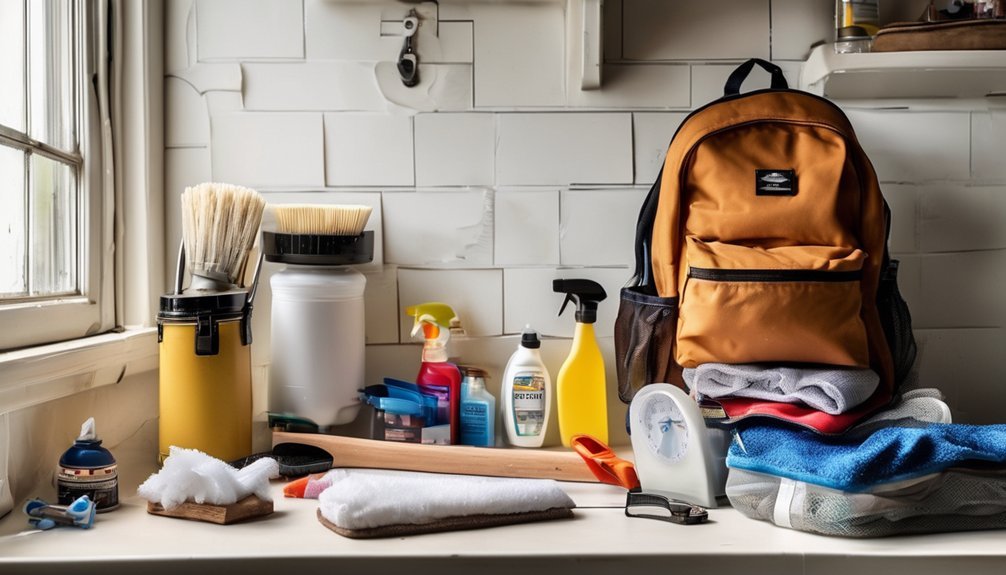
Before you dive into repairs, start with a simple home maintenance checklist that breaks big tasks into smaller, manageable steps. You’ll stay organized when you group tasks by room, season, and urgency.
Create a master list, then rank each item by risk, cost, and effort. Keep your essential tools in one labeled caddy so you can move fast without hunting for supplies.
Add time saving tips like batching similar jobs, setting a timer, and preparing materials before you begin. Track completion in a notes app or wall chart, and review your checklist weekly to spot patterns and prevent surprises.
When you build this system, you’ll handle upkeep with less stress, better focus, and more control over your home.
Complete Weekly Home Maintenance Tasks
Once your checklist is set up, tackle the weekly tasks that keep small issues from turning into bigger problems. You can inspect sinks, toilets, and visible pipes for leaks, then tighten loose fixtures before damage spreads.
Wipe counters, clear clutter, and vacuum high-traffic areas so dirt doesn’t build up. Test smoke and carbon monoxide alarms, replace weak batteries, and confirm they’re working.
Check HVAC filters, clean vents, and verify airflow for steady performance. Use time saving tips like grouping tasks by room and setting one recurring family reset day.
Keep essential tools handy: microfiber cloths, flashlight, screwdriver, plunger, and replacement batteries. Finish by noting anything unusual on your checklist so you can address it quickly next week.
Handle Monthly Home Maintenance Tasks

Each month, take a little more time to catch wear and tear before it becomes a costly repair. You’ll stay ahead by checking filters, testing alarms, inspecting caulk, tightening hardware, and reviewing utility bills. Use a simple routine:
| Task | Why it matters |
|---|---|
| Replace HVAC filter | Keeps airflow efficient |
| Test smoke alarms | Protects your family |
| Check under sinks | Spots leaks early |
| Tighten loose fixtures | Prevents damage |
| Review home budget | Supports budget planning |
This rhythm helps you avoid emergency repairs and keeps small issues from growing. Keep supplies together, track dates, and finish the list in one focused block. When you handle monthly maintenance with discipline, you protect your home, control costs, and build confidence as a homeowner.
Tackle Seasonal Home Maintenance Tasks
As the seasons change, you’ll keep your home in better shape by matching tasks to the weather and your family’s needs.
In spring, clear gutters, refresh mulch, and test exterior lighting.
In summer, trim branches, clean vents, and inspect siding after storms.
In fall, seal gaps, service heating equipment, and store yard tools.
In winter, protect entryways, check insulation, and keep walkways safe.
Build these seasonal preparations into your calendar so nothing piles up.
Pair each shift with quick outdoor inspections: look for loose shingles, clogged drains, peeling paint, and damaged screens.
When you stay ahead of the weather, you reduce surprises, protect your investment, and keep your home running smoothly for everyone inside.
Check Plumbing Before Problems Start
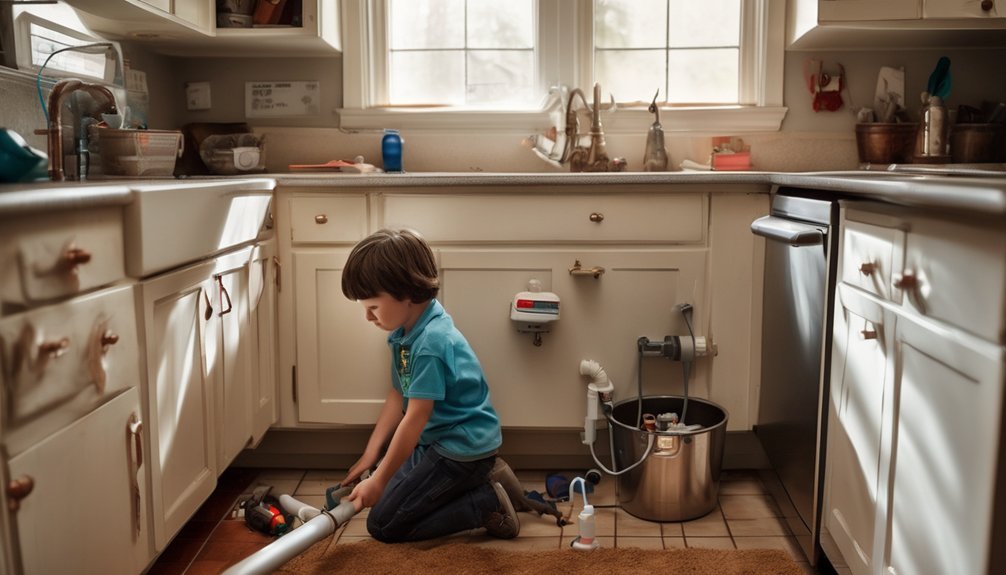
While you’re handling seasonal home upkeep, don’t overlook the plumbing system. A quick inspection helps you catch small issues before they become expensive repairs. Check under sinks, around toilets, and near exposed pipes for moisture, stains, or corrosion.
Listen for unusual dripping, and test faucets for steady pressure.
- Tighten loose fittings.
- Clean out visible drain stoppers.
- Watch for pipe leaks behind appliances.
- Clear slow drains before drain clogs form.
Keep a flashlight handy so you can inspect dark corners and crawl spaces with precision. If you spot recurring dampness, act fast and schedule a plumber.
Staying proactive protects your home, reduces disruption, and keeps your household running smoothly.
Keep HVAC Filters and Vents Clear
When your HVAC filters and vents stay clean, your home’s air moves more efficiently and your system doesn’t have to work as hard.
Check filters monthly and follow the manufacturer’s schedule for filter replacement, especially during heavy use seasons. If the filter looks gray, clogged, or warped, replace it right away.
Keep supply and return vents open, then clear dust, pet hair, and toy debris so airflow stays strong. Use a vacuum brush or microfiber cloth for routine vent cleaning, and remove vent covers if buildup collects inside.
Don’t block vents with furniture, rugs, or storage bins. Clean airflow helps your system maintain steady temperatures, reduces strain, and supports better indoor air quality.
Routine attention here prevents small inefficiencies from turning into costly repairs.
Split Home Maintenance Tasks With Your Family
Home maintenance goes more smoothly when everyone in the house has a role. You can assign family roles based on age, skill, and availability, then review them weekly so no task gets forgotten.
Use a chore rotation to keep work fair and teach everyone how to maintain the home.
- You handle safety checks and scheduling.
- Your partner manages repairs and supplies.
- Kids clean vents, wipe surfaces, and gather tools.
- Everyone resets one shared space each weekend.
Keep expectations clear: who does what, when, and how well. Post the plan where everyone can see it, and track completion with a simple checklist.
When you split work this way, you save time, reduce stress, and build a household that runs with discipline and consistency.
Frequently Asked Questions
How Do I Create a Budget for Home Maintenance?
Start by listing annual repairs, then divide costs into budget categories like HVAC, plumbing, and exterior care. Track every bill and estimate with expense tracking, set monthly savings goals, and review amounts quarterly to stay ahead.
Which Tools Should Every Parent Keep at Home?
You should keep essential tools like a hammer, screwdrivers, adjustable wrench, tape measure, pliers, utility knife, flashlight, and cordless drill. Store them in a labeled toolbox for smart tool organization, so you’re ready for quick repairs.
How Can I Remember Maintenance Deadlines Easily?
Set calendar reminders for recurring tasks, and post visual schedules in a common spot. You’ll track deadlines faster, assign jobs clearly, and stay ahead of maintenance without relying on memory alone.
When Should I Hire a Professional Instead of DIY?
Hire a professional when the job’s complex, dangerous, or code-sensitive—1 in 5 DIY projects goes wrong. You’ll avoid DIY risks, save time, and get professional services when expertise matters most.
What Maintenance Tasks Improve Home Safety Most?
You improve home safety most by testing smoke and carbon monoxide alarms, upgrading fire safety, adding childproofing measures, completing seasonal inspections, and reviewing emergency preparedness. You’ll reduce hazards fast and keep your home reliably protected.
Conclusion
With a simple home maintenance checklist, you can stay ahead of repairs without adding stress. Check weekly safety basics, handle monthly upkeep, and plan seasonal jobs before they pile up. Keep an eye on plumbing, clear HVAC filters and vents, and split tasks with your family so everyone helps. A stitch in time saves nine, and a little routine now keeps your home safer, smoother, and easier to manage all year long.