Toy storage in small family homes often depends on making every inch work harder. The first step is to measure what needs storing, then match it to furniture and containers that serve more than one purpose. Benches, bins, wall shelves, and under-bed spaces can all help reduce clutter. The real challenge is finding a system that stays easy for children to use, and that is where the best solutions begin to stand out.
Key Takeaways
- Measure your toy collection and available space first to avoid overcrowding and plan realistic storage.
- Choose multi-use furniture like benches, ottomans, or modular shelving that stores toys and fits shared rooms.
- Use bins, baskets, and boxes to sort toys by type, size, and frequency of use.
- Maximize vertical and under-bed storage with shelves, wall racks, and labeled hidden boxes.
- Keep storage child-friendly with low, lightweight containers and clear labels for easy cleanup.
Measure Your Toy Storage Needs First
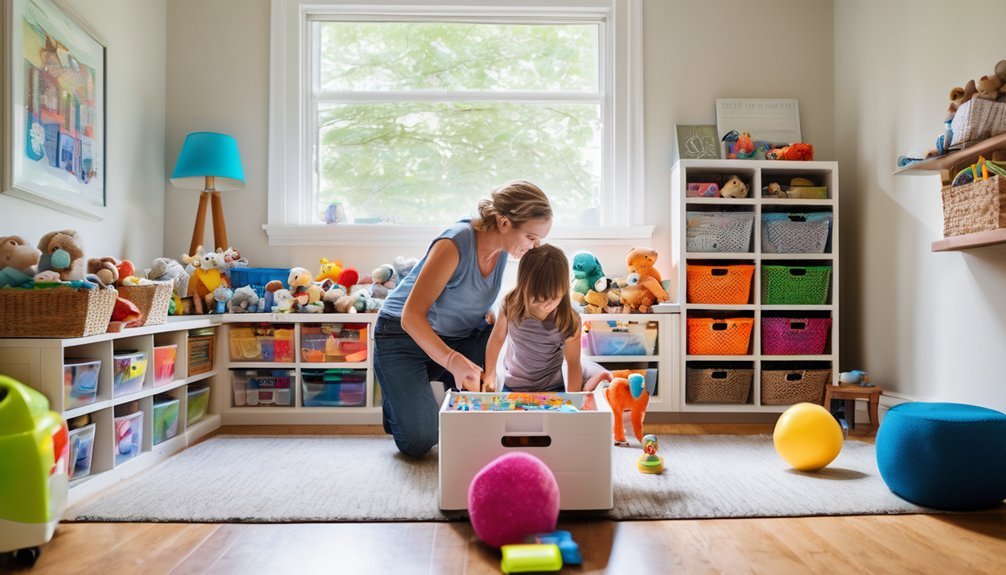
Before choosing any bins, shelves, or baskets, the space and the toy collection should be measured first. A clear toy inventory helps identify what must be stored, what is used daily, and what can be rotated out.
Each item can be grouped by size, type, and frequency of use. A careful space assessment then shows how much room is available on floors, inside closets, and along walls. This step prevents overcrowding and keeps the layout calm and easy to maintain.
It also supports better choices later, because storage can match the child’s habits and the home’s limits. When measurements are exact, every inch feels intentional, and the family gains a simpler, more restful daily routine.
Choose Multi-Use Toy Storage Furniture
Multi-use furniture makes toy storage work harder in a small home by combining play, seating, and organization in one piece. It helps keep daily life calm, especially when every square foot matters.
Ottoman storage offers a soft seat with a hidden compartment for favorite toys. Modular shelving adapts as a child’s collection grows, allowing shelves to shift with changing needs. A bench with lift-up storage can hold games near the entry, while a coffee table with drawers keeps small items close without cluttering sightlines.
- Choose pieces with smooth edges.
- Favor durable finishes that clean easily.
- Match furniture height to child access.
- Select designs that blend with shared spaces.
Sort Toys With Bins, Baskets, and Boxes
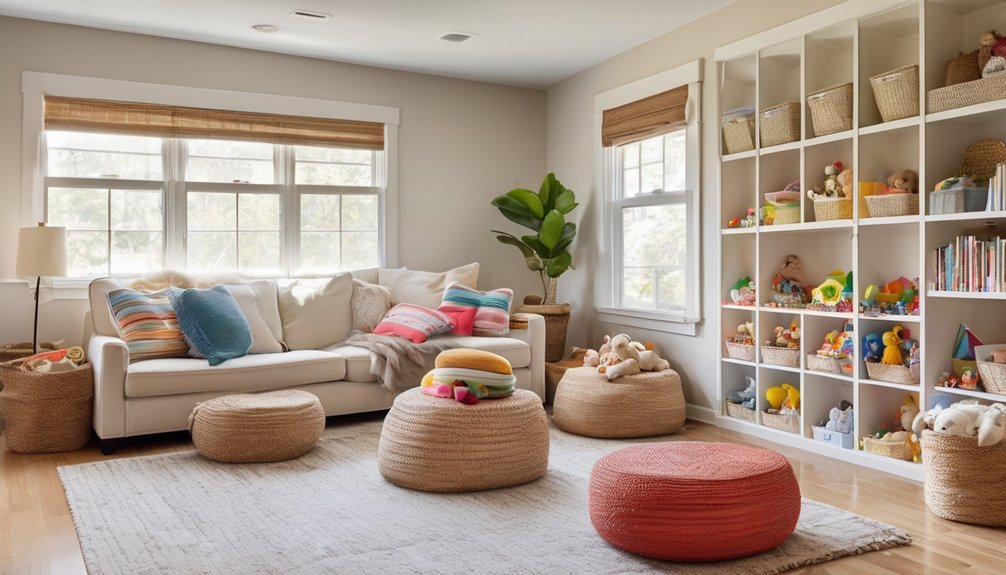
Bins, baskets, and boxes help bring order to toy storage by grouping items by type, size, or use.
Soft bins suit stuffed animals, while sturdy boxes hold puzzles, blocks, and art supplies. Open baskets make daily cleanup easier because children can see what belongs where. Clear categories support toy organization tips by reducing clutter and helping each item return to a fixed place.
Creative labeling adds another layer of ease; simple words, icons, or colors can guide young hands with confidence. A consistent system also makes it easier for caregivers to notice missing pieces and avoid duplicate purchases.
When containers are chosen with care, the space feels calmer, and the child’s room becomes easier to manage day after day.
Save Space With Wall and Under-Bed Storage
Wall storage and under-bed storage make use of overlooked space in small homes, giving toys a place to go without crowding floors or shelves. Vertical shelving keeps items lifted and orderly, while hidden compartments beneath beds can hold seasonal sets or spare pieces.
This approach suits families who want a calm, intimate room without visible clutter.
- Mount shallow shelves for books, puzzles, and small figures.
- Use fabric or lidded boxes under beds for grouped toys.
- Choose slim wall racks that free up walking space.
- Label hidden compartments to support tidy rotation and quick checks.
Placed thoughtfully, these storage zones preserve comfort and make shared rooms feel more open, personal, and easy to live in.
Make Toy Storage Easy for Kids to Use
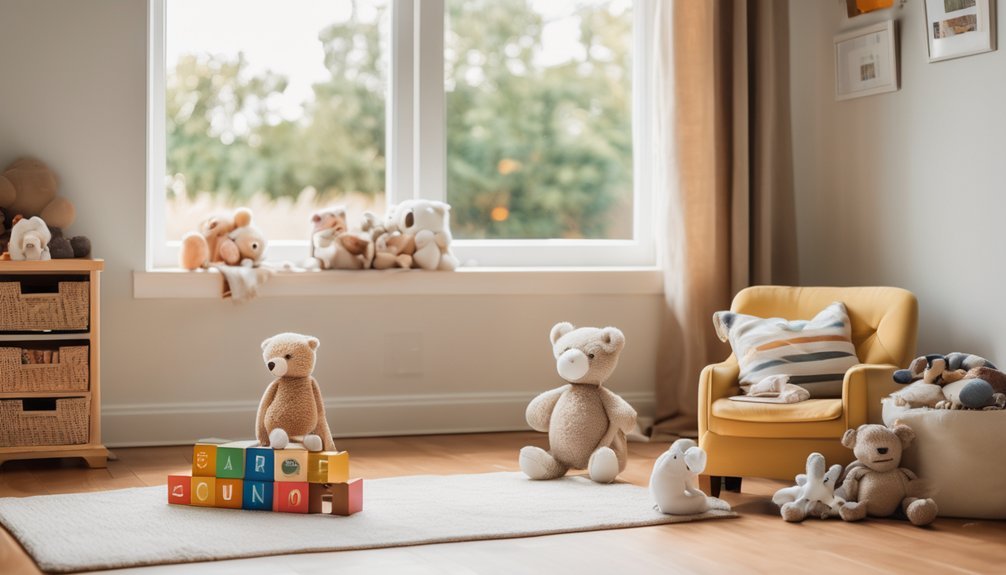
When toy storage matches a child’s reach and routine, cleanup becomes faster and less frustrating. Low bins, open baskets, and clear labels support kid friendly design by letting children see where each item belongs.
A simple system works best when shelves are shallow and containers are light enough to lift without help. Accessible organization also helps after play, because toys can be sorted by type, color, or daily use. Placing favorite items in front keeps the process familiar and inviting.
For smaller homes, one bin per category prevents overflow and confusion. When children can return toys on their own, the room stays calmer, and family time feels less interrupted by constant tidying.
Frequently Asked Questions
How Can I Store Toys While Keeping a Small Room Stylish?
They can keep a small room stylish by using creative shelving and multifunctional furniture, such as benches with hidden bins. Neutral baskets, closed cabinets, and labeled containers preserve intimacy while reducing visual clutter beautifully.
What Toy Storage Works Best for Toddlers and Babies?
For toddlers and babies, soft bins and low wall shelves work best, like gentle hands guiding tiny chaos. They keep toys reachable, reduce spills, and support quick cleanup while preserving warmth, safety, and closeness.
How Do I Clean and Maintain Toy Storage Containers?
Cleaning routines should be weekly: empty containers, wipe with mild soap, dry fully, and check container materials for cracks or odors. Gentle, regular care keeps storage safe, tidy, and reassuringly intimate for families.
What Are the Safest Toy Storage Options for Homes With Pets?
The safest toy storage options use pet friendly materials and secure storage solutions. Closed bins, wall-mounted cabinets, and lidded baskets reduce access, preventing chewing, swallowing, and mess while keeping cherished items nearby.
How Can I Organize Seasonal or Rarely Used Toys?
Seasonal rotation works best: the toys are grouped by use, then placed in labeled bins or vacuum bags. These storage solutions suit closets, under-bed spaces, or high shelves, keeping rarely used items accessible yet discreet.
Conclusion
In small family homes, effective toy storage depends on planning, flexibility, and easy access. Measuring needs first helps prevent wasted space, while multi-use furniture adds storage without crowding the room. Bins, baskets, wall shelves, and under-bed solutions keep toys organized and out of the way. When storage is simple for children to use, cleanup becomes faster and smoother, like a well-run routine. The result is a tidier, more functional play space.