
Nearly 60% of families say dinner planning is one of their weekly stress points, and you can feel that strain fast. Free meal planning tools can help you map meals, build synced grocery lists, and keep favorite recipes in one place. When you match apps, printables, and simple routines to your schedule, you save time and cut waste—but the real benefit shows up when busy weeks start to pile up.
Key Takeaways
- Free meal planning tools help families organize weekly menus, recipes, and grocery lists in one place.
- Many tools offer auto-generated shopping lists and real-time syncing across devices.
- Families can filter meals by dietary needs, prep time, ingredients, and budget.
- Printable calendars, online planners, and mobile apps make meal planning flexible and accessible.
- Planning ahead with family favorites, leftovers, and seasonal ingredients reduces stress, waste, and grocery costs.
Best Free Meal Planning Tools for Families

If you’re trying to keep family meals organized without adding another subscription to your budget, free meal planning tools can help you save time, cut food waste, and make grocery shopping more efficient.
You can use spreadsheet templates, printable planners, and shared digital calendars to map meals, track ingredients, and coordinate family meal prep. Choose tools that let you assign meals by day, note leftovers, and build a repeat-use recipe bank.
This structure reduces decision fatigue and supports consistent nutritious eating because you plan balanced meals before you shop. For best results, keep your planner visible, review it weekly, and update it after each shopping trip.
When you use a simple system consistently, you’ll improve accuracy, stay organized, and make healthier choices with less effort.
Free Meal Planning Apps for Busy Parents
When your schedule feels packed, free meal planning apps can simplify dinner decisions by putting recipes, grocery lists, and weekly menus in one place.
You can scan recipes, tag favorites, and build repeatable family meal strategies that reduce daily guesswork. Many apps sync across devices, so you and your partner can update plans in real time, which supports better coordination during hectic weeks.
Use app filters to find meals by prep time, ingredients, or dietary needs, then save time by auto-generating shopping lists from chosen recipes. These time saving techniques help you plan with more accuracy and less stress.
For busy parents, the best apps don’t just organize meals; they help you make consistent, informed choices that fit your family’s routine and budget.
Printable Meal Planners That Save Time
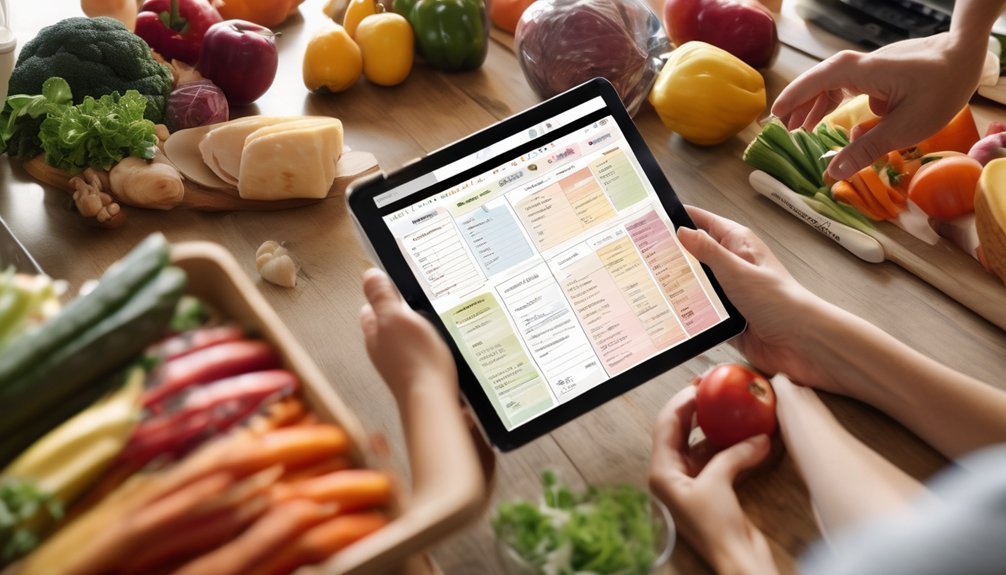
Printable meal planners give you a simple, low-tech way to organize dinners, groceries, and leftovers in one place, which can cut down on decision fatigue during busy weeks.
You can print printable templates weekly and use time saving designs that keep your plan visible on the fridge or clipboard. Research on habit formation shows that written cues improve follow-through, so a planner can strengthen your routine.
- Map meals for the week in 5 minutes.
- Note prep tasks beside each dinner.
- Track leftovers to reduce repeat work.
When you keep the format consistent, you’ll spend less time rethinking meals and more time executing.
Choose a template with enough space for notes, and you’ll build a repeatable system that supports calm, efficient family planning.
Grocery List Tools That Sync Fast
Fast-sync grocery list tools help you turn meal plans into real shopping trips by updating items across phones, tablets, and shared family accounts in seconds. You get tighter grocery sync, fewer duplicates, and clearer list organization when everyone edits one live list. Research on task-sharing shows real-time updates reduce missed items and wasted trips. Use color tags, aisle order, and quantity fields to keep decisions fast at the store.
| Feature | Benefit | Impact |
|---|---|---|
| Live sync | Shared edits | Less confusion |
| Auto sort | Aisle grouping | Faster walks |
| Quantity notes | Exact buys | Fewer repeats |
| Voice add | Hands-free entry | Less friction |
| Alerts | Instant changes | More calm |
Choose tools that open quickly, work offline, and keep your family aligned under pressure.
Recipe Organizers for Family Favorites
- Save the base recipe.
- Add dish variations for flexible swaps.
- Note what worked last time.
That small structure improves recall and reduces decision fatigue.
When you review your organizer before shopping, you’ll spot patterns, keep consistency, and refine meals with less effort.
Budget Meal Planning Templates
Budget templates turn a loose grocery idea into a workable spending plan. You can track weekly categories, assign dollar limits, and compare estimates with receipts to spot overruns fast.
Use one template for breakfast, lunch, dinner, and snacks, then match it to budget friendly recipes that share ingredients and minimize waste. Add columns for unit cost, pantry items, and leftovers so you see true meal value, not just menu variety.
Strong meal prep strategies fit neatly here: batch-cook proteins, portion grains, and reuse vegetables across several meals. When you update the sheet each week, you’ll build a reliable system that helps you plan with discipline, protect cash flow, and keep family meals both practical and consistent.
Plan Meals Around Busy Schedules
When your family’s calendar fills up, plan meals around the real rhythm of the week so dinner doesn’t depend on last-minute decisions. Map your family schedules first, then assign simple meals to the busiest nights and more involved recipes to calmer windows. This time management habit reduces stress and cuts decision fatigue.
- Batch-cook a protein or grain on Sunday.
- Reserve 15-minute meals for practice nights.
- Keep a backup list of pantry dinners.
You’ll make better choices when you can see when everyone gets home, eats, and leaves again. Build a weekly pattern, review it after one cycle, and adjust based on what actually happened.
That’s how you turn planning into a reliable system.
Meal Planning Tools for Picky Eaters
If picky eating makes dinner feel unpredictable, use meal planning tools that let you narrow choices without turning mealtime into a battle. You can build a short rotating menu of accepted foods, then pair each meal with one low-risk new item. This keeps exposure steady and lowers resistance.
Use picky eater strategies such as offering controlled choices, separating ingredients, and repeating successful meals before adding change. Track what each person tolerates, dislikes, and might try again; patterns make planning faster and more accurate.
When a recipe misses the mark, apply creative substitutions that preserve texture or flavor, like swapping sauces, vegetables, or proteins. These tools help you plan balanced meals while respecting preferences, reducing waste, and supporting gradual expansion without pressure.
How to Use Apps, Printables, and Lists Together
Once you know which meals and ingredients work for everyone, you can organize that information with a mix of apps, printables, and simple lists.
Use each tool for a specific job so you don’t duplicate effort. Apps help you store recipes, adjust servings, and track ingredients. Printables give you a visible weekly plan and shopping summary. Lists keep daily family cooking decisions quick and grounded.
- Build your master recipe library in an app.
- Print a weekly menu and pantry checklist.
- Keep a running list for meal prep strategies and substitutions.
This system supports accuracy, reduces missed items, and improves coordination across the household.
When you connect digital convenience with paper clarity, you create a practical workflow that’s easy to audit, refine, and scale.
Meal Planning Habits for Busy Families
Busy families stay more consistent with meal planning when they tie it to a small set of repeatable habits, not constant decision-making. You can build momentum by setting one weekly planning time, checking the schedule first, and choosing meals that match your energy, budget, and leftovers.
Keep a short master list of meals your family actually eats, then rotate them with minor changes. Use meal prep strategies that fit your routine, such as washing produce after shopping or batching proteins in advance.
Involve everyone in family cooking by assigning age-appropriate tasks, which increases buy-in and reduces resistance. Review what worked each week, then adjust portions, prep time, and grocery lists.
Small systems create reliable follow-through and make healthy routines easier to sustain.
Frequently Asked Questions
How Do I Involve Kids in Meal Planning?
You can involve kids by letting them pick fun recipes, choose ingredients, and help with grocery shopping. You’ll build ownership, practice decision-making, and increase willingness to try meals when they help plan them.
Can Meal Planning Help Reduce Food Waste?
Yes—you can slash food waste by planning meals, shopping with purpose, and using leftovers. It’s almost comically effective. You’ll build food waste solutions through sustainable practices, saving money, reducing spoilage, and mastering inventory.
What’s the Best Tool for Tracking Pantry Inventory?
You’ll get the best results with dedicated pantry apps paired with inventory checklists. They let you scan items, track quantities, and flag expirations. Choose one with barcode support, reminders, and easy batch updates for accuracy.
How Often Should I Update My Meal Plan?
You should update your meal plan weekly—like moving mountains—to match meal plan frequency and seasonal updates. You’ll reduce waste, keep nutrition balanced, and adapt quickly when schedules, prices, or pantry inventory change.
Are There Meal Planning Tools for Allergies?
Yes—use tools that filter allergens, flag ingredients, and suggest allergy friendly recipes. You can then apply meal prep tips to prevent cross-contact, batch-safe meals, and keep labels organized for safer, evidence-based planning.
Conclusion
You can make family dinners easier by using free meal planning tools that fit your routines. When you plan just 1 week ahead, you can cut last-minute food decisions and reduce grocery stress. That small habit can feel like saving an hour a day in your kitchen. Mix apps, printables, and shared lists to keep everyone on track, save leftovers, and build healthier meals without extra effort. Start simple, and keep what works.