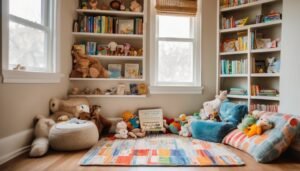
Creating a safe play area at home starts with choosing a space that stays visible, bright, and free of common hazards. Sharp corners, loose cords, and heavy furniture can quickly turn play into risk, so each part of the room needs attention. Soft flooring, secure storage, and age-appropriate toys help keep children comfortable and protected. A few simple choices can make the space safer, but some details matter more than they first appear.
Key Takeaways
- Choose a visible, well-lit space away from stairs, heaters, cords, sharp corners, and heavy furniture.
- Childproof the area with outlet covers, safety gates, secure locks, and window screens.
- Use soft, non-slip flooring such as foam tiles, low-pile rugs, or carpet for cushioning.
- Store toys in low, labeled bins with smooth edges to reduce clutter and hazards.
- Check the area daily for loose parts, broken items, wet surfaces, and other safety risks.
Choose the Safest Spot for a Play Area
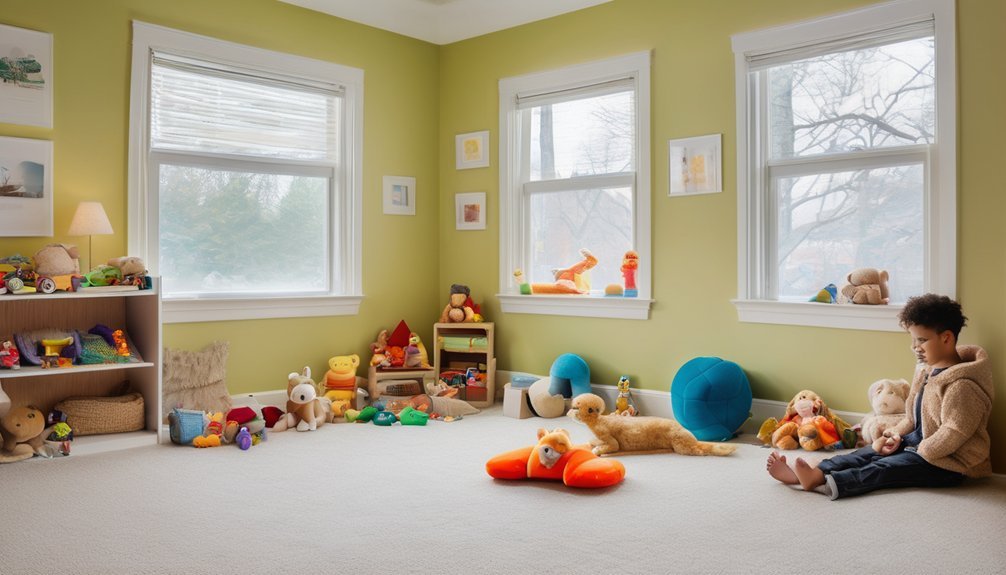
The safest spot for a play area is usually a space that is easy to see, free of sharp corners, and away from stairs, heaters, cords, and heavy furniture.
A calm corner in the family room or a nearby nook can become a welcoming play zone where a child feels close, watched, and secure. Good lighting helps adults notice what is happening at a glance, while a soft floor or rug adds comfort during play.
If the home is crowded, outdoor options may offer more room for movement, provided the surface is level and the area is enclosed.
The goal is to choose a place that supports safe exploration without feeling separate from daily life, so supervision stays simple and the child feels cared for.
Childproof Doors, Outlets, and Corners
Once the play area has been placed in a visible, comfortable spot, the next step is to make the surrounding features safer for a curious child. Secure doors with reliable door locks and use safety gates where needed to limit wandering into unsafe rooms.
Cover outlets with snug outlet covers, and soften sharp table or shelf edges with corner guards and furniture pads. Keep window screens firmly fitted so little hands stay protected near open windows.
Place toy bins close by so playthings remain organized and easy to reach, reducing clutter that can invite trips or bumps. Even simple play mats can help define the space and encourage calm, contained play.
These small adjustments create a reassuring environment that supports exploration while helping caregivers feel close, confident, and at ease.
Pick Soft, Safe Flooring
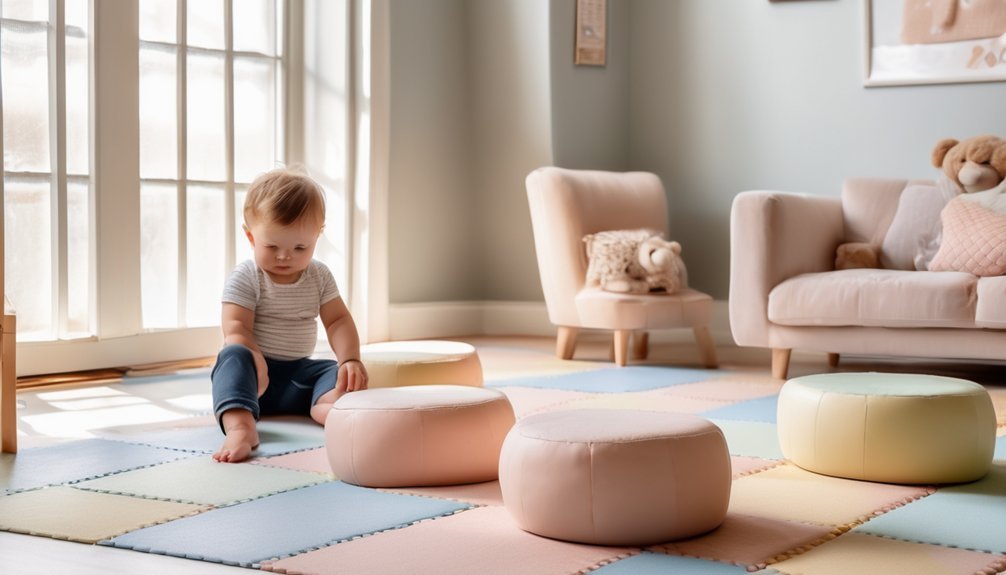
Soft flooring can make a play area gentler for tumbles, crawling, and all the busy movement that comes with childhood.
Foam tiles offer a cushioned surface that can soften minor falls and are easy to arrange in a cozy corner.
Carpet options, including low-pile rugs or wall-to-wall carpet, can add warmth and steady footing while helping a child feel settled.
The safest choice is one that stays flat, resists slipping, and is simple to clean after spills or crumbs.
A soft surface should also match the room size, leaving enough open space for comfortable play.
With the right flooring, the area feels welcoming, protective, and calm, giving caregivers peace of mind and children a gentler place to explore.
Choose Age-Appropriate Toys
After the floor is made safe and comfortable, the next step is filling the space with toys that match a child’s age and stage.
Younger children benefit from large, simple pieces that are easy to grasp and gentle to explore. Older children may enjoy educational toys that invite sorting, building, counting, and problem-solving.
Sensory play items, such as textured balls, soft books, and safe stacking cups, can support curiosity while keeping play calm and engaging. Each toy should feel sturdy, clean, and suited to small hands.
When the selection fits the child’s abilities, play becomes more rewarding, and the child can explore with confidence, comfort, and delight.
Define Clear Play Boundaries
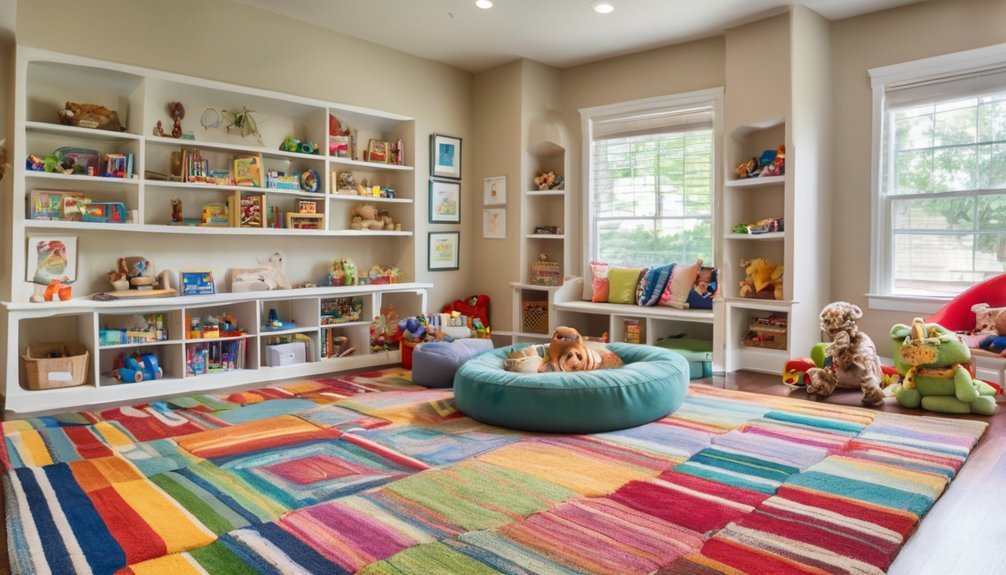
Clear boundaries help a child understand where play belongs and where it should stop. A safe play area feels calm when its edges are easy to see and respect.
Simple playtime rules can guide movement, such as staying inside the marked zone and asking before leaving it. Gentle boundary markers, like a rug, low tape line, or soft gate, give clear cues without feeling harsh.
Adults can point to these limits often, using the same words each time so the child feels secure. This steady approach supports confidence, because the child knows what is expected and can enjoy play with fewer worries.
When boundaries stay consistent, the space becomes more inviting, and the child can relax into play with trust.
Organize Toys and Storage
Toys work best in a safe play area when they have a simple place to live. Low bins, soft baskets, and labeled shelves help a child find favorites without turning the room into a jumble.
Good storage solutions keep small pieces together, reduce tripping hazards, and make cleanup feel gentle and manageable. A calm toy rotation can also help; only a few playthings stay out at once, while the rest wait neatly nearby. That keeps the space open and inviting, and it helps a child notice each toy more fully.
Parents can choose containers with smooth edges and easy lids so little hands can use them safely. When toys have order, play feels warmer, calmer, and more secure.
Improve Lighting and Visibility
Good lighting helps a child move through a play area with confidence, and bright, even light makes it easier to see toys, steps, and edges.
Natural light can soften the room by day, while adjustable fixtures keep corners calm and clear as needs change. Gentle task lighting near reading spots supports focused play without harsh glare.
- Use color contrast for rugs, bins, and mats so outlines stand out.
- Choose playful illumination that feels warm and inviting at dusk.
- Keep sensory elements visible, such as textured books or soft blocks.
- Place lights so shadows do not hide pathways or favorite toys.
With steady visibility, the space feels close, welcoming, and easier for a child to explore safely.
Secure Furniture to Walls
Anchoring heavy furniture to the wall helps keep the play area steady and reduces the chance of tipping during active play. Caregivers can choose sturdy furniture anchors or wall straps, then fasten bookshelves, dressers, and storage units securely to studs.
Each piece should be checked for wobble after installation, and loose hardware should be tightened right away. Soft corners and low, stable placement help children move freely with less risk.
Open shelves may keep toys within easy reach, while heavier items stay on lower levels. This simple step creates a calmer space where little hands can explore with confidence, and adults can relax knowing the room feels safer, warmer, and more dependable during everyday play.
Adjust the Space for Different Ages
As children grow, the play area should change with their needs, abilities, and interests. A calm, thoughtful layout helps each stage feel inviting and safe, while still giving room for movement and discovery.
Age specific activities can be grouped into gentle zones, so younger children reach soft toys easily and older children enjoy puzzles, art, or building sets. Adaptable furniture, such as low tables and stackable seats, makes the space feel personal and flexible.
- Place baby mats near open floor space.
- Offer toddler shelves with simple, reachable toys.
- Set aside a craft corner for school-age children.
- Keep a reading nook that welcomes every age.
This kind of arrangement supports confidence, comfort, and warm family play.
Do Daily Safety Checks
After the play area is set up for different ages, it helps to check it each day before children begin playing. A calm glance can catch loose parts, sharp edges, or toys left in walkways.
Caregivers may want to test gates, anchors, and outlets, then remove anything wet, broken, or small enough to be a choking risk. These daily routines do not need to take long, but they keep the space ready and comforting.
Simple safety reminders, placed where adults notice them, can support steady habits. When children see the area being checked, they learn that their play space is cared for with attention and warmth.
That quiet consistency helps them relax, explore, and enjoy play with greater confidence.
Frequently Asked Questions
What Indoor Plants Are Safe Around a Play Area?
Spider plants, Boston ferns, and parlor palms are pet friendly plants and low maintenance options for play areas. Their non-toxic nature and easy care make them reassuring choices, keeping children’s spaces calm and welcoming.
How Do I Make a Play Area Soundproof?
He would make the play area quieter by adding soundproof materials like rugs, curtains, and foam panels, then using noise reduction techniques such as sealing gaps and placing soft furniture, keeping children comfortable and close.
Should I Use Cameras in a Home Play Area?
Yes, cameras can help, if camera placement is thoughtful and privacy concerns are respected. Even if some worry about feeling watched, a child-centered setup offers reassurance, practical supervision, and gentle protection during play.
How Can I Reduce Allergens in the Play Space?
He can reduce allergens by choosing allergen free materials, vacuuming often, and maintaining dust control with washable fabrics and closed storage. Soft, child-centered routines keep the space reassuring, cozy, and easier for children to enjoy.
What Temperature Is Best for a Child’s Play Area?
A child’s play area is best kept around 68–72°F, with temperature control and optimal humidity near 40–50%. This helps little ones stay comfortable, focused, and safe while playing.
Conclusion
A safe play area is like a small garden: it only flourishes when the ground is prepared, the edges are protected, and the light is clear. In one home, a toddler’s favorite corner became a calm place to explore after outlets were covered, a rug softened the floor, and shelves were anchored to the wall. With daily safety checks and age-appropriate toys, the space stayed inviting, secure, and ready for joyful play.