
Keeping a home safe for toddlers requires steady attention to the most common hazards. Heavy furniture should be anchored, outlets covered, and cords kept out of reach. Kitchens, bathrooms, stairs, and sleep spaces need separate safeguards, since risks change by room. Small oversights can matter quickly at this age. The next steps show which hazards deserve the closest review.
Key Takeaways
- Anchor furniture and TVs to walls to prevent tip-overs and keep heavy items on lower shelves.
- Cover unused outlets, bundle cords, and keep chargers and power strips out of reach.
- Use stair gates, window locks, and door finger guards to reduce fall and pinch injuries.
- Store medicines, cleaners, and small objects in locked cabinets to prevent poisoning and choking.
- Keep play and sleep areas clear, supervise water and heat, and check safety measures weekly.
Toddler Home Safety Basics
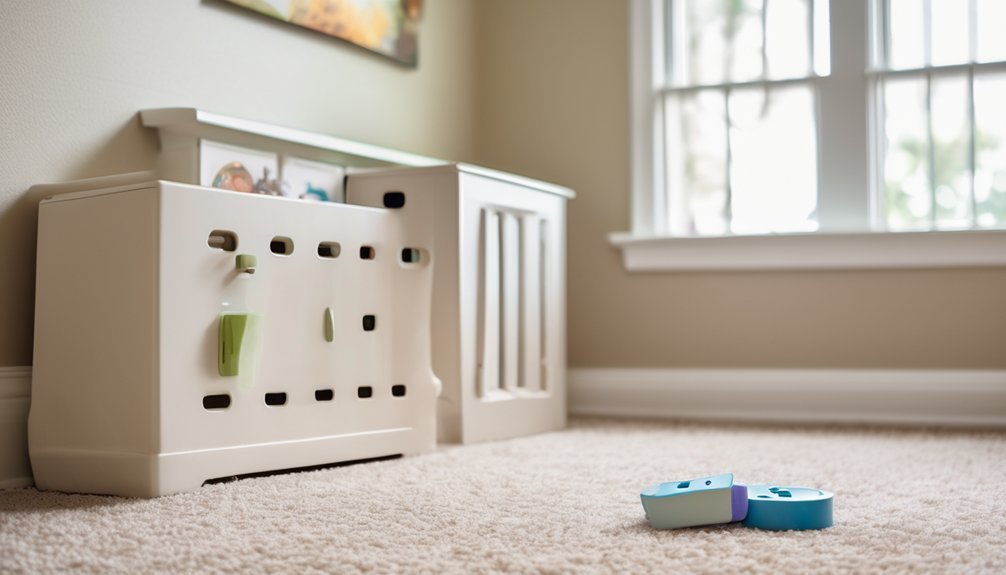
Keeping toddlers safe at home begins with reducing predictable hazards in the spaces they explore most, including floors, furniture, stairs, outlets, and access to chemicals or small objects.
Consistent playtime supervision helps limit sudden injuries, especially near water, heat, or breakable items. Rooms should be checked from a toddler’s level, with cords secured, medicines locked away, and choking risks removed promptly.
Soft footwear, stable lighting, and clear walkways can lower fall risk. Caregivers benefit from keeping emergency contacts visible and updated, including poison control and the child’s clinician.
A calm, routine approach often supports safer habits as toddlers become more curious and mobile. When safety measures are simple and steady, the home remains both nurturing and medically sound.
Anchor Furniture and TVs
Heavy dressers, bookcases, and televisions should be securely anchored to wall studs or approved safety brackets to reduce the risk of tip-over injuries. This measure supports furniture stability and strengthens TV safety in rooms where toddlers explore with curiosity and little balance.
Caregivers are advised to verify that anchors are tight, hardware is intact, and each unit is level against the wall. Lower drawers should remain closed when not in use, and top-heavy items should be kept on lower shelves.
When properly installed, these protections can meaningfully reduce trauma from sudden falls. A calm, preventive approach offers reassurance and helps create a safer, more intimate home environment for growing children.
Cover Outlets and Hide Cords
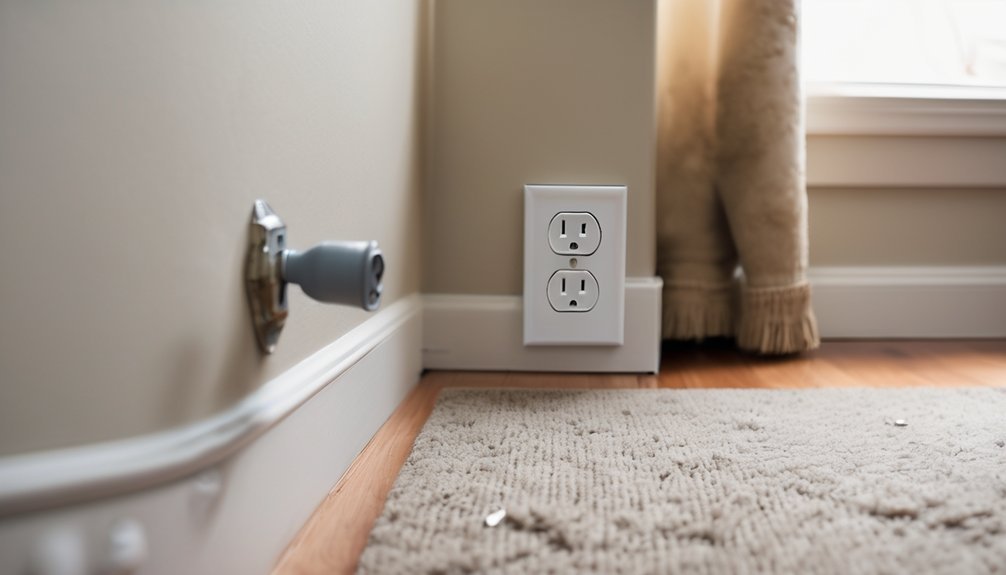
After securing furniture and televisions, attention can shift to electrical hazards within a toddler’s reach. Outlet covers should be fitted into every unused socket, creating a simple barrier against fingers and objects. They are not decorative details; they are protective devices that reduce the chance of shock or burns.
Any exposed cord should be shortened, bundled, or routed behind furniture with careful cord management, so it does not invite pulling, chewing, or tripping. Chargers and power strips deserve equal vigilance, since their leads often hang at a child’s level.
A tidy electrical setup supports a calmer room and a safer routine. When caregivers check these protections regularly, they can feel more secure, knowing small hands are less likely to meet hidden danger.
Toddler-Proof the Living Room
A toddler-proof living room begins with clear sight lines and controlled access to hazards.
Soft furniture should be anchored or spaced to prevent tipping, and sharp corners can be cushioned with fitted protectors. Heavy décor, glass objects, and unstable lamps belong out of reach.
A medical, practical approach favors low, open storage for toys, so safe playtime remains visible and orderly. Rugs need nonslip backing to reduce falls on smooth floors.
Window blinds with cords should be secured high and kept inaccessible. Fireplace screens, if present, must stay firmly in place.
Each adjustment lowers injury risk while preserving a calm, welcoming room. With these measures, the space can remain intimate, comfortable, and reliably protective for daily family use.
Make Kitchen Hazards Harder to Reach
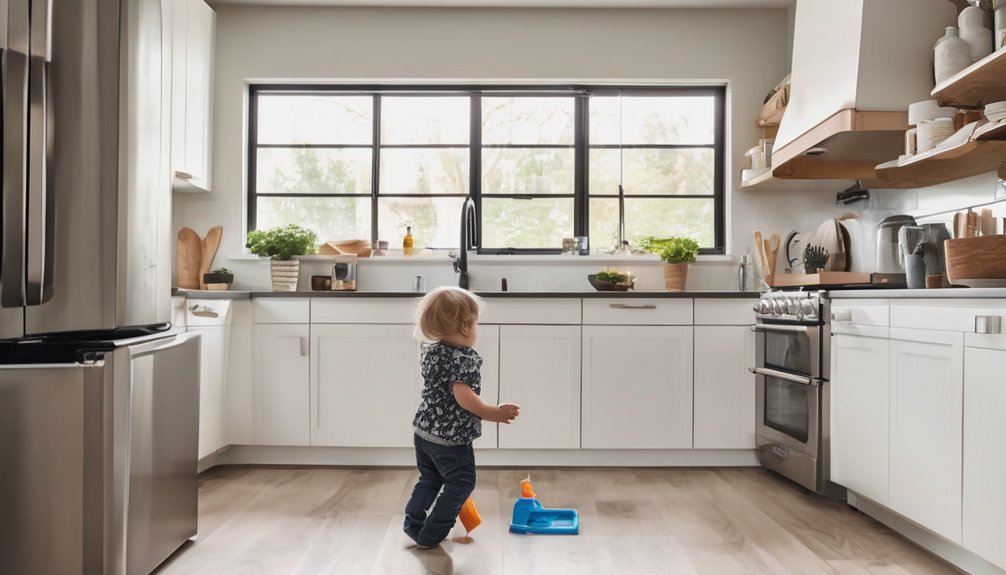
Kitchen hazards should be placed well above a toddler’s reach to reduce accidental burns, cuts, and ingestion risks.
Caregivers can create a safer kitchen by using cabinet locks on lower storage areas, especially those near stoves, ovens, and prep zones. Countertop barriers help discourage small hands from pulling down hot pans, sharp tools, or fragile items.
A clear, uncluttered work surface lowers temptation and supports safer movement during meals. Appliances with cords should be kept back from edges, and handles should face inward when possible.
When routines are consistent, toddlers learn fewer opportunities for contact with danger, and adults gain quiet reassurance.
Thoughtful placement of hazards does not remove curiosity, but it does give protection gentle, reliable structure.
Lock Up Medicines and Cleaners
Medicines and household cleaners should be locked in high, secure cabinets to prevent accidental poisoning, burns, and skin or eye irritation.
Childproof storage works best when bottles remain in their original containers, with caps closed tightly and labels fully visible.
Medication safety also depends on separating prescription drugs from vitamins, supplements, and cleaning agents, since even a small mix-up can cause harm.
Caregivers are advised to check drawers, purses, and countertops regularly, because curious toddlers may explore quickly and silently.
A calm, consistent routine for returning items after use reduces risk and supports daily protection.
When every product is stored with care, the home feels safer, and loved ones can remain close without avoidable worry.
Prevent Bathroom Water Accidents
Bathroom water accidents can be reduced by keeping tubs, buckets, and sinks under close supervision whenever a toddler is nearby, since even a shallow amount of water can create a drowning risk. Consistent bathroom supervision helps adults notice hazards before injury occurs, while safety equipment adds another layer of protection.
| Measure | Benefit |
|---|---|
| Toilet lid lock | Limits access |
| Non-slip mat | Reduces falls |
| Faucet cover | Lessens impact |
| Drain plug stored away | Prevents filling |
Warm, brief bathing sessions should be followed by immediate draining and drying of surfaces. A caregiver should stay within arm’s reach during bathing, maintaining calm, attentive contact. When water is controlled and tools are used correctly, the bathroom becomes a safer, more reassuring space for the family.
Set Up a Safe Toddler Sleep Space
A safe toddler sleep space reduces the risk of injury and supports restful sleep by keeping the crib or bed free of loose pillows, heavy blankets, bumper pads, and stuffed toys. The mattress should fit firmly, with fitted sheets secured and nothing that can trap the face or neck.
Crib organization matters; only essential sleep items belong inside, and any design should allow easy inspection for hazards. The sleep environment should remain calm, dark, and comfortably cool, helping the child settle with less disturbance.
Placement away from cords, hanging decorations, and unstable furniture further lowers risk. Caregivers should check the space each night, maintaining a clean, simple setting that feels gentle and familiar. Such precision supports safety while preserving closeness and comfort.
Block Stair, Door, and Window Risks
Stairways, doors, and windows should be secured to limit falls, pinched fingers, and unsafe access.
In a toddler’s environment, stair gates at both the top and bottom of stairs reduce climbing injuries and help keep movement contained.
Doors benefit from finger guards or slow-close devices, which lower the chance of trapped hands during routine use.
Window locks are important on every accessible opening, especially in rooms where furniture could be climbed.
Cords, ledges, and nearby objects should remain out of reach so curiosity does not become harm.
These measures support a calm, protective setting that feels close and dependable.
When barriers are fitted correctly, caregivers can offer freedom within boundaries, preserving safety without creating unnecessary distress.
Do Weekly Toddler Home Safety Checks
Weekly toddler home safety checks help confirm that barriers, locks, and other protections remain effective as a child grows and becomes more mobile. A calm, routine review supports early detection of wear, loosened hardware, or newly reachable hazards. The toddler safety checklist should include stairs, outlets, cords, medication, and small objects.
| Area | Check |
|---|---|
| Entry points | Verify locks, gates, and latches |
| Living spaces | Remove choking risks and unstable items |
| Sleep and bath areas | Confirm safe temperatures and clear surfaces |
Weekly safety reminders may be set on a phone or calendar so the household stays consistent. This measured practice protects a child with quiet reliability and gives caregivers confidence through attentive, loving oversight.
Frequently Asked Questions
When Should I Start Teaching My Toddler Emergency Phone Numbers?
Emergency phone numbers can be taught around age three, when phone number memorization begins. Emergency preparedness should start gently, using repetition and calm practice; a caregiver’s steady presence helps the child feel safe, capable, and intimate.
How Do I Choose Safe Toys for Different Toddler Ages?
Like a clinician selecting dosage, one should choose age appropriate toys meeting toy safety standards, matching choking risk, motor skills, and developmental stage. Labels, small parts, and durability warrant careful, reassuring review for each toddler.
What Signs Show My Toddler Is Ready for Independent Play?
Independent play readiness appears when a toddler stays engaged briefly, tolerates separation, and returns for reassurance. Toddler independence signs include focused exploration, calm self-soothing, and simple problem-solving, while encouraging self play should remain gentle and supervised.
How Can I Childproof Outdoor Areas Like Patios and Gardens?
They can childproof patios and gardens by prioritizing fence installation, removing garden hazards, creating safe play zones, and maintaining consistent outdoor supervision. This precise, reassuring approach helps reduce injury risk and supports quiet confidence.
What Should I Include in a Toddler First-Aid Kit?
A toddler first-aid kit should include assorted band aid types, sterile gauze, antiseptic wipes, digital thermometer, tweezers, saline, gloves, and emergency contacts. Kept nearby, it offers calm, precise readiness for small, intimate household injuries.
Conclusion
In summary, the best home safety tips for toddlers create a structured barrier against common household hazards. Securing furniture, covering outlets, limiting access to sharp objects, and preventing water-related accidents can greatly reduce risk. A safe sleep space and regular safety checks further strengthen protection. When all caregivers follow the same plan, the home becomes almost fortress-like in its safety, offering toddlers a more secure environment for growth, play, and rest.