
Crafting winning Amazon descriptions for kids’ books isn’t just about summarizing the plot; it’s about connecting with both young readers and their parents. You want to create a world where relatable characters and key themes shine. With the right hooks and vivid language, you can spark curiosity and excitement. But how do you ensure your description stands out in a sea of options? Let’s explore the essential elements that make your book irresistible.
Understanding Your Target Audience for Kids’ Books

Understanding your target audience is like unlocking a treasure chest of creativity for kids’ books. When you know who your readers are, you can craft compelling characters that resonate with their experiences and imaginations.
Think about their age, interests, and the educational value they seek. Engaging characters with relatable traits won’t only captivate young readers but also encourage them to learn and grow.
As you develop your story, focus on how these characters navigate challenges and adventures, sparking curiosity and empathy.
Highlighting Key Themes to Attract Readers
When you weave key themes into your kids’ book, you’re not just telling a story—you’re creating a world that resonates with young readers. Imaginative storytelling ignites their curiosity, drawing them into adventures where anything is possible.
By focusing on themes like friendship, courage, or kindness, you give kids relatable experiences that spark their imaginations.
Character development plays a crucial role too. When readers connect with well-crafted characters facing real challenges, they learn valuable lessons while feeling invested in their journeys.
Highlight these themes in your Amazon description to attract parents and educators looking for meaningful reads. Show them that your book isn’t just entertaining but also enriches young minds, making it a must-have for their children’s library.
Crafting Compelling Hooks for Amazon Descriptions

To grab a reader’s attention, you need a hook that sparks curiosity and invites them into your story. Start with a question or a bold statement that resonates with kids’ imaginations.
Think about emotion-driven narratives—what feelings do you want to evoke? Whether it’s excitement, joy, or a sprinkle of mystery, your hook should reflect that.
Consider playful storytelling; use whimsical language or introduce a quirky character right off the bat. A hook like, “What happens when a shy dragon discovers a hidden treasure?” can ignite interest.
Keep it concise, yet intriguing. Remember, your goal is to make young readers eager to dive into the adventure you’ve crafted. Make that first line count—it’s your gateway to capturing their hearts!
Using Vivid Language to Spark Imagination
Vivid language transforms ordinary tales into extraordinary adventures, painting pictures that dance in young readers’ minds.
By weaving imaginative scenarios into your descriptions, you invite kids to explore worlds bursting with color and wonder.
Use sensory details to engage their senses—describe the sweetness of honey dripping from a golden comb or the rustle of leaves whispering secrets in a sunlit forest.
This approach makes your story come alive, allowing young readers to feel the warmth of the sun and hear the laughter of friendly creatures.
When your descriptions sparkle with vivid imagery, you ignite curiosity and spark imagination, making kids eager to dive into the pages of your book.
Your words can turn every reading experience into a magical journey!
Employing Age-Appropriate Language and Tone
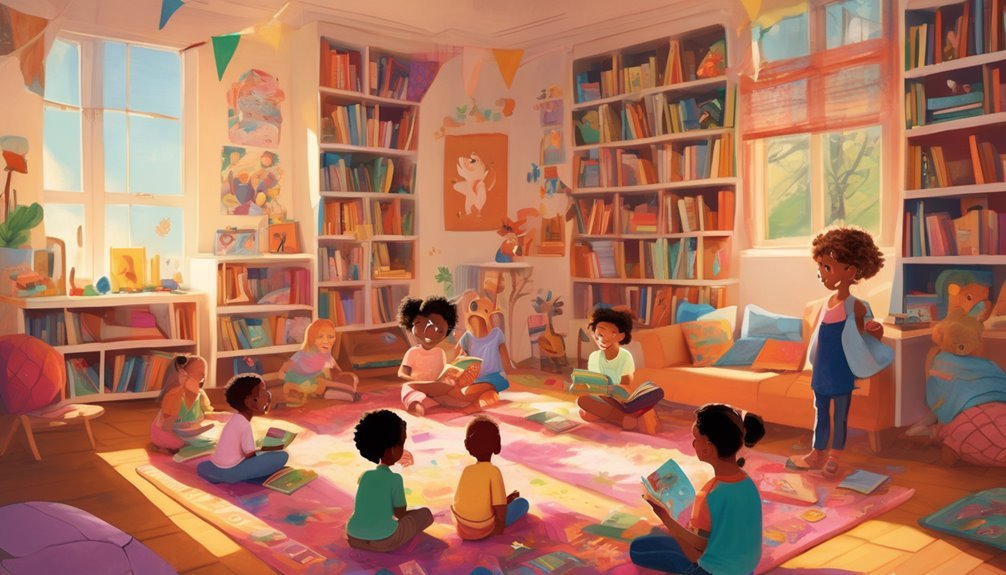
Crafting descriptions with age-appropriate language and tone is essential for connecting with young readers. When you use playful language, you invite kids into a world of imagination, making them eager to dive into your story.
Think about the age group you’re targeting; toddlers will respond to simple, rhythmic phrases, while older kids appreciate a bit more complexity and humor. Use vibrant words that spark curiosity, but keep it relatable.
Avoid jargon or overly sophisticated terms—they can confuse rather than excite. Remember, your goal is to engage, not overwhelm.
Utilizing Keywords for Better Discoverability
Keywords are the magic keys that unlock your book’s potential on Amazon. By strategically using keyword placement in your descriptions, you enhance your book’s visibility.
Think about what parents and kids might type into the search bar. Incorporate these terms naturally into your text, ensuring they flow seamlessly.
Search optimization isn’t just about cramming in keywords; it’s about crafting an enticing narrative that resonates with your audience.
Place keywords in your title, subtitle, and throughout your description. This approach not only helps your book get discovered but also draws readers in.
Creating Urgency in Your Book Description?
To make your book stand out in a crowded marketplace, you need to instill a sense of urgency in your description. Use scarcity tactics by emphasizing limited availability—mention a special edition or a time-sensitive offer.
Instill urgency in your book description by highlighting limited availability and special editions to captivate readers instantly.
Phrases like “only a few copies left” can spark immediate interest. Combine this with emotional appeals; connect with your reader’s desires and dreams for their children.
Highlight how your story can inspire, teach, or entertain. Create a vivid picture of the joy and excitement your book brings, making it hard to resist.
Don’t forget to encourage quick action—suggest they grab their copy now before it’s gone! By weaving urgency into your description, you’ll drive readers to click “buy” without hesitation.
Leveraging Endorsements to Boost Credibility
Endorsements can be a powerful tool to elevate your kids’ book’s credibility. When you feature author testimonials, you’re not just showcasing praise; you’re building trust. Readers are more likely to dive into your book if they see that respected authors stand behind it.
Don’t stop there—celebrity endorsements can take your book to the next level. Imagine a well-known actor or influencer sharing their love for your story! This kind of recognition can spark curiosity and excitement among potential readers.
Make sure to display these endorsements prominently in your description. They’ll not only enhance your book’s appeal but also reassure parents that they’re making a wise choice for their children’s reading journey.
Use these endorsements wisely, and watch your credibility soar!
Formatting Descriptions for Maximum Impact

Once you’ve established credibility with endorsements, the next step is to format your book description for maximum impact. You want to grab attention and keep it, so think about visual appeal.
Break up your text to make it inviting and easy to skim. Here’s how you can enhance your description:
- Use bullet points to highlight key features, making it easy for readers to digest.
- Keep sentences short and engaging, creating a rhythm that draws readers in.
- Incorporate vivid language that sparks imagination and curiosity.
How to Test and Improve Your Descriptions?
Testing and improving your book descriptions can feel like an adventure in creativity. Start with A/B testing different versions to see which one resonates more with your audience.
Gather reader feedback to pinpoint what grabs their attention. Conduct competitor analysis to identify winning elements in their descriptions, like emotional appeal and storytelling techniques.
Pay attention to description length; too short might lack detail, while too long can lose interest. Incorporate seasonal trends to make your book feel timely and relevant.
Don’t forget visual elements—images can enhance your narrative. By continually refining your approach, you’ll craft captivating descriptions that draw readers in and boost sales.
Embrace the journey; your creativity will shine through!
Frequently Asked Questions
How Long Should My Amazon Book Description Be?
Your Amazon book description should be around 150-300 words. This length helps with keyword optimization while engaging your target audience. Keep it concise, captivating, and focused on what makes your book special and appealing.
Can I Include Illustrations in My Book Description?
Absolutely! Including illustrations enhances your book’s appeal, amplifying its allure. Visual storytelling captivates kids, showcasing story scenes and sparking imaginations. Embrace illustration benefits to transform your description into a delightful visual adventure that draws readers in!
Should I Mention Other Books in My Series?
Yes, you should mention other books in your series! Highlighting series benefits boosts reader engagement, enticing them to explore more. Connecting your stories creates a captivating journey, encouraging readers to dive deeper into your imaginative world.
How Often Should I Update My Book Description?
You should update your book description regularly, especially for keyword optimization and audience targeting. Keep it fresh to attract new readers, reflect changes, and improve visibility. Experiment and adjust as your audience evolves.
What Common Mistakes Should I Avoid in Descriptions?
Avoid vague language, ignoring your target audience, and overloading with keywords. Instead, use engaging language that connects with readers. Focus on clarity, excitement, and authenticity to draw potential buyers into your book’s world.
Conclusion
You might think crafting a captivating Amazon description is tough, but it’s easier than it seems! Just remember to tap into your audience’s emotions and bring your characters to life. By using vivid language and relatable themes, you’ll draw in both kids and parents alike. Don’t underestimate the power of a well-placed hook or a glowing endorsement. With a sprinkle of creativity and a dash of urgency, your book can shine in the crowded marketplace!