
Did you know that mastering simple math can actually improve your problem-solving skills in everyday life? As you build a solid foundation in basic operations, you’re not just learning numbers; you’re setting yourself up for success in more complex concepts. Engaging with fun activities can make this journey enjoyable. So, what are the key skills you should focus on first to ensure a smooth math learning experience?
Why Simple Math Practice Is Essential for Beginners
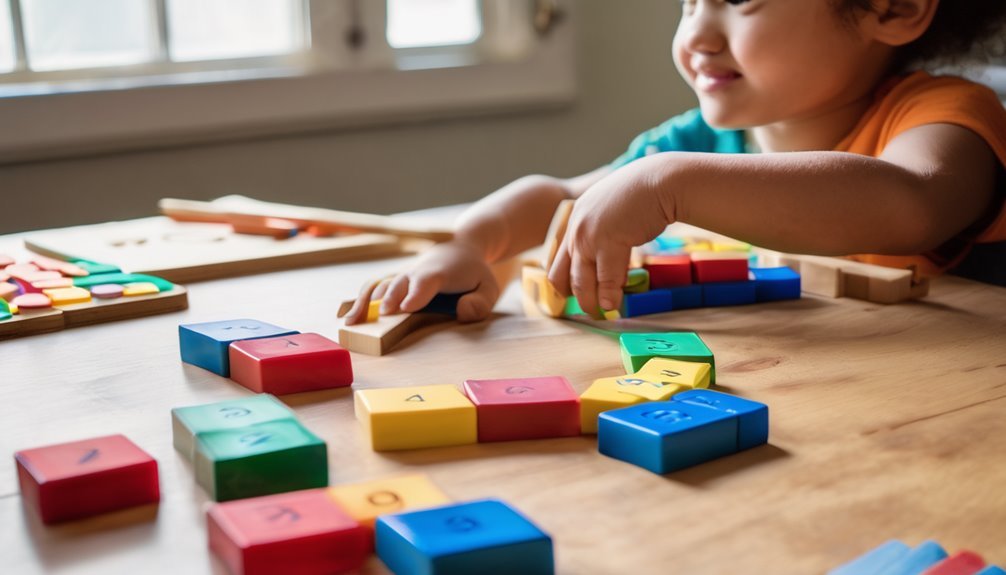
When you start your math journey, simple practice is crucial because it builds a solid foundation. Mastering foundational concepts like addition, subtraction, multiplication, and division helps you tackle more complex problems later on.
Starting your math journey with simple practice is key to mastering foundational concepts and preparing for more complex challenges ahead.
You’ll find that these basic skills have daily applications, whether you’re budgeting, cooking, or measuring for a project. As you engage in consistent practice, you’ll notice your confidence growing, making it easier to approach new challenges.
You don’t need to rush; regular, focused practice will lead to steady improvement. Remember, every expert was once a beginner. Embrace those early steps, and you’ll develop the skills you need to succeed in math and beyond.
Keep practicing, and you’ll see progress!
What Math Skills Should You Learn First?
Building on your foundational math skills, it’s important to know which skills to focus on first. Start with basic arithmetic—addition, subtraction, multiplication, and division. These are the cornerstones of math that you’ll use throughout your learning journey.
Once you’re comfortable with these operations, explore foundational concepts like number sense, which helps you understand how numbers work together. Recognizing patterns and relationships will also boost your problem-solving abilities.
As you progress, don’t shy away from using visual aids like number lines or counters; they make learning more engaging and concrete.
Engage Kids With Fun Math Activities

Transform math from a chore into an adventure with fun activities that capture kids’ imaginations! Engaging kids with math games helps them build confidence while honing their skills.
Think of colorful board games that involve counting or card games that encourage quick thinking. Interactive puzzles are another fantastic way to make learning enjoyable. They challenge kids to solve problems while having fun, turning math into a playful experience.
You can set up scavenger hunts where kids solve math clues to find treasures, or incorporate math-based crafts that let them see numbers in action.
Explore Best Online Resources for Simple Math Practice
While finding the right resources can seem overwhelming, several online platforms make simple math practice both accessible and enjoyable. Websites like Khan Academy offer structured lessons and interactive games that keep you engaged. You can easily track your progress and revisit challenging concepts.
For a fun twist, check out platforms like Prodigy Math, where you can play games while solving math problems. Additionally, online quizzes from sites like IXL provide instant feedback, helping you identify areas to improve.
These resources not only make learning enjoyable but also allow you to practice at your own pace. So, dive in and explore these tools to boost your math skills while having fun!
Creating a Positive Learning Space

Engage with supportive feedback from peers or online communities. This feedback can boost your confidence and clarify concepts you might struggle with.
Remember, mistakes are part of learning; embrace them! By fostering a nurturing learning environment, you’ll not only improve your math skills but also enjoy the process.
Celebrate small victories along the way, and you’ll find yourself more motivated and eager to learn.
Tips for Building Confidence in Math Skills
Building confidence in math skills starts with a positive mindset. Acknowledge that math anxiety is common, but it doesn’t have to hold you back. Embrace mistakes as opportunities to learn; this is key to developing a growth mindset.
When you tackle a problem, break it down into smaller steps. Celebrate your progress, no matter how small—each step builds your confidence.
Practice regularly in a supportive environment, and don’t hesitate to ask for help when you need it. Surround yourself with encouraging people who uplift you.
Avoid These Common Math Mistakes
Many beginners stumble over common math mistakes that can easily be avoided. By understanding these pitfalls, you can enhance your skills and confidence. Let’s clarify some misconceptions and highlight typical calculation errors you might encounter:
| Mistake | Misconception Clarification | Example |
|---|---|---|
| Ignoring Order of Operations | Operations aren’t just left to right. | 3 + 5 × 2 = 13, not 16. |
| Misplacing Decimal Points | Small errors lead to big differences. | 0.5 + 0.05 = 0.55, not 0.60. |
| Overlooking Negative Signs | Negatives can flip results. | -3 + 5 = 2, not -2. |
Strategies for Continuing Math Education Beyond Basics
Recognizing and avoiding common math mistakes is just the first step on your learning journey.
To continue your math education beyond the basics, explore advanced math pathways that pique your interest. Consider enrolling in online courses or local classes that challenge you, fostering continuous learning.
Joining study groups can also provide support and motivation, allowing you to share insights and tackle difficult concepts together. Don’t hesitate to use educational apps and resources tailored to your needs, making practice engaging.
Set achievable goals to track your progress, celebrating milestones along the way. Remember, perseverance is key. Embrace every opportunity to deepen your understanding, and you’ll find math can be both enjoyable and rewarding!
Frequently Asked Questions
How Can I Make Math Practice More Enjoyable for My Child?
To make math practice enjoyable for your child, use math games, introduce creative challenges, incorporate visual aids, and offer fun rewards. This approach keeps them engaged and excited about learning while developing essential skills.
What Materials Do I Need for Simple Math Practice?
You’ll need basic math tools like pencils, paper, and a calculator. Why not add some fun learning resources, like games or apps, to keep your child engaged? It makes practicing math more enjoyable and effective!
How Often Should Beginners Practice Math Skills?
You should practice math skills daily, even if it’s just 15 to 20 minutes. Consistent practice in your daily routine builds confidence and solidifies your understanding, making math feel easier and more enjoyable over time.
Are There Specific Apps for Simple Math Practice?
Absolutely! You’ll love math apps that offer interactive games and visual aids, making learning fun. These tools align with your learning objectives, helping you practice effectively while staying engaged. Give them a try; you won’t regret it!
How Do I Track My Child’s Progress in Math?
You can track your child’s progress by setting clear benchmarks and regularly reviewing their work. Use motivation techniques, like rewards or praise, to encourage them. Celebrate improvements, and adjust practices based on their growth and challenges.
Conclusion
In the grand adventure of math, simple practice is your trusty compass, guiding you through uncharted territory. By embracing these foundational skills, you’re not just solving problems; you’re building a sturdy bridge to future challenges. Remember, every small victory in math boosts your confidence, turning obstacles into stepping stones. So, keep exploring, stay curious, and let the joy of learning light your path! With each equation you tackle, you’re crafting your own success story.