Choosing the right art sketchbook for your child can unlock their creativity in unexpected ways. With a variety of themes and paper types, you can encourage them to explore their imagination. Think about what excites them—animals, space, or maybe fantasy worlds. But there’s more to it than just picking a book. Let’s uncover the benefits and inspire daily drawing habits that can transform their artistic journey.
Choosing the Right Art Sketchbook for Your Child
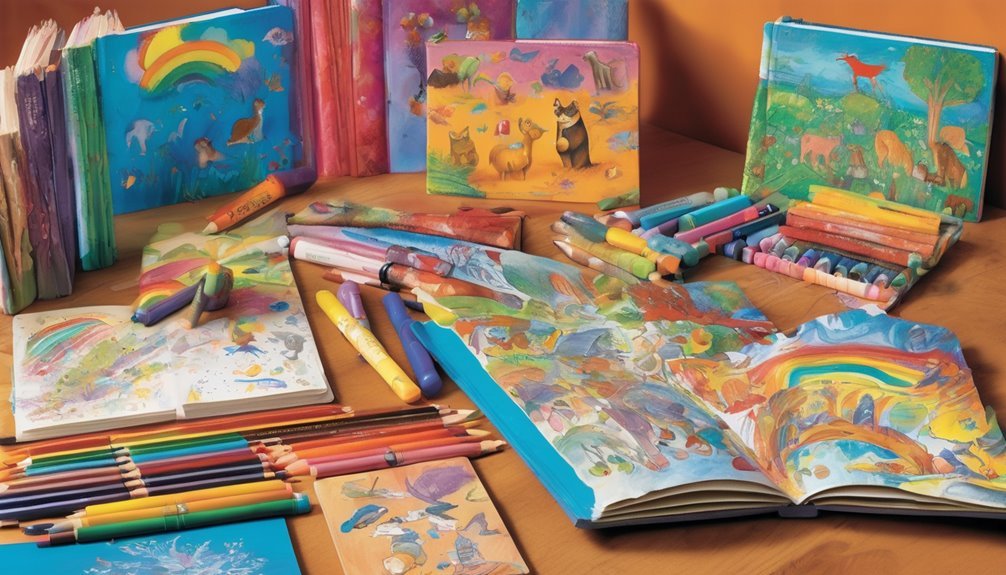
When you’re choosing the right art sketchbook for your child, keep in mind that the perfect one can spark their creativity and encourage their artistic journey.
Start by considering the sketchbook materials; look for durable paper that can handle various mediums like pencils, markers, or watercolors. The weight and texture of the paper can make a big difference in how your child enjoys their art.
Next, think about size considerations. A smaller sketchbook is portable and easy for little hands, while a larger one gives more space for bigger ideas.
Ultimately, it’s about finding a balance that fits your child’s style and needs, making the sketchbook a canvas for their imagination to flourish.
The Benefits of Art Sketchbooks for Kids
An art sketchbook offers far more than just a place to draw; it’s a gateway to creativity and self-expression for kids. By encouraging artistic expression, you help your child explore their imagination and develop fine motor skills.
Sketching enhances cognitive development, fostering creative problem solving as they visualize concepts and narrate stories through visual storytelling. It serves as an emotional outlet, allowing them to process feelings and experiences while building self-esteem with each completed drawing.
Kids can experiment freely, leading to new ideas and perspectives. Plus, the constant practice nurtures confidence in their abilities.
Popular Themes for Children’s Art Sketchbooks
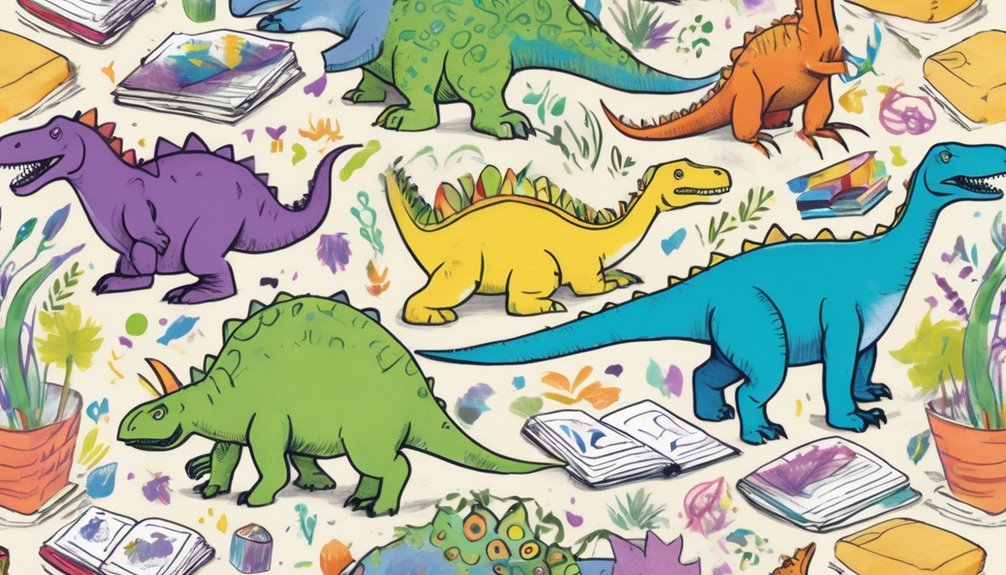
While exploring the world of art sketchbooks, you’ll find that popular themes can ignite your child’s imagination and spark creativity.
Consider animal adventures, where kids can draw their favorite creatures in exciting scenarios.
Space exploration invites them to illustrate distant planets and alien life, fueling their curiosity about the universe.
Underwater worlds let them dive into vibrant marine life, while fantasy creatures unleash their wildest imaginations.
Seasonal themes can inspire drawings of snowy landscapes or blooming flowers.
Cultural landmarks allow kids to connect with global diversity through art.
Superhero stories enable them to create epic tales of bravery, and nature scenes encourage them to observe and capture the beauty around them.
Each theme offers endless possibilities for creative expression!
10 Creative Drawing Prompts for Kids
Building on those exciting themes, creative drawing prompts can take children’s artistic adventures even further.
Encourage your little artists to dive into imaginative storytelling by asking them to illustrate their favorite fairy tale character on a new adventure. For seasonal themes, challenge them to draw a winter wonderland or a summer beach scene, complete with magical creatures.
You might suggest they create a comic strip about a day in the life of a superhero or design a fantastical beast that roams their backyard.
These prompts spark creativity, allowing kids to express themselves while honing their drawing skills. By exploring various themes, they’ll not only enjoy their art but also develop a love for storytelling and creativity.
Tips for Encouraging Daily Drawing Habits
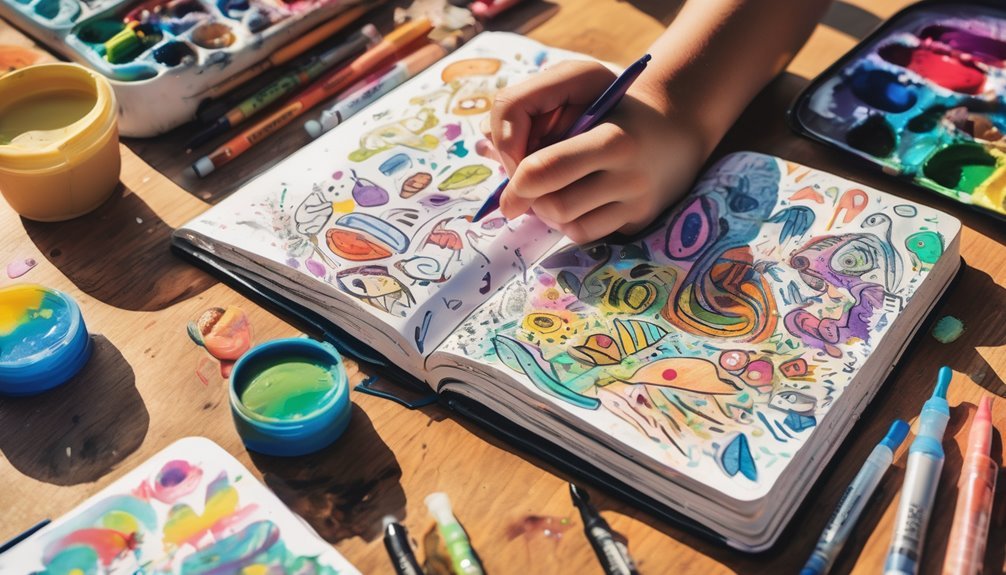
Drawing every day can seem daunting, but with a few simple tips, you’ll find it becomes an enjoyable routine for your child.
Here’s how to encourage those daily drawing habits:
- Set a Time: Choose a specific time each day for drawing. Consistency helps build drawing routines.
- Create a Challenge: Introduce fun art challenges, like drawing a different animal each day. This keeps things exciting!
- Make it Accessible: Keep sketchbooks and supplies easily reachable, so your child can jump into drawing whenever inspiration strikes.
- Celebrate Progress: Regularly review their sketches together, highlighting improvements and creativity. This boosts confidence and motivation.
How to Incorporate Mixed Media in Sketchbooks
Incorporating mixed media into your child’s sketchbook can ignite their creativity and expand their artistic horizons. Encourage them to experiment with different mixed media techniques, like combining paint, colored pencils, and markers.
They can also add textures by incorporating materials like fabric, paper scraps, or even natural elements like leaves.
Start with a creative collage by layering various materials on a page. This not only enhances their visual storytelling but also helps them explore different artistic styles.
Suggest they use magazines for cutouts or create their own textured papers. By blending these elements, your child will discover new ways to express themselves, making their sketchbook a vibrant, dynamic space for imagination and exploration.
Let their creativity flow!
Organizing and Displaying Artwork
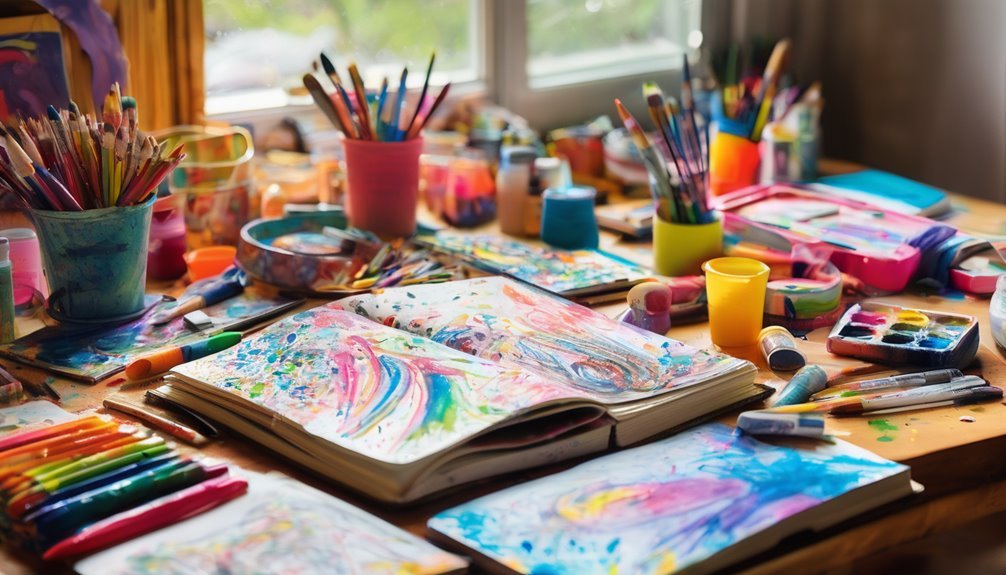
Organizing and displaying your child’s artwork can transform their creations into a captivating gallery at home. Here are some fun ways to showcase their creativity:
- Art Display: Use frames or clipboards to create a family gallery. Rotate the artwork regularly to keep it fresh!
- Portfolio Organization: Keep their masterpieces in a binder or folder for easy access and protection.
- Themed Showcases: Group artwork by theme or color to create engaging displays that tell a story.
- Scrapbook Integration: Combine smaller pieces into a scrapbook, integrating photos and notes to cherish memories.
Consider digital archiving for a clutter-free approach, and don’t forget to set up a creativity corner for ongoing inspiration!
Digital vs. Traditional Art Sketchbooks: What’s Best?
When it comes to nurturing your child’s creativity, choosing the right sketchbook—digital or traditional—can make all the difference.
Digital tools offer endless possibilities, letting your child experiment with colors and techniques without the mess. They can easily undo mistakes, adding to their confidence in artistic expression.
Digital tools unleash creativity, allowing your child to explore colors and techniques mess-free, boosting their confidence through easy corrections.
On the other hand, traditional sketchbooks invite tactile experiences, allowing your child to feel the paper and explore various mediums like pencils, paints, and markers. This hands-on approach can deepen their connection to art.
Ultimately, the best choice depends on your child’s preferences. Encourage them to try both methods, as each has unique benefits that can enhance their creative journey.
Your support will inspire a lifelong love for art!
Fun Activities to Try in Your Sketchbook
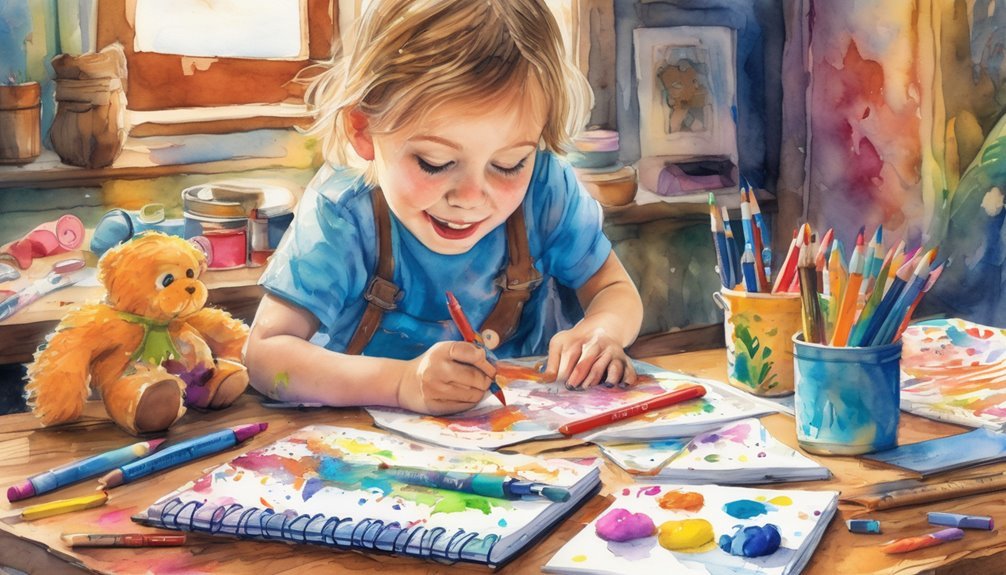
How can you turn a blank sketchbook into a treasure trove of creativity? Dive into these fun activities that spark your imagination:
- Collaborative Sketches: Team up with friends or family for a giant drawing, each adding their own flair!
- Seasonal Themes: Capture the essence of each season—think spring blossoms or winter wonderlands—through vibrant illustrations.
- Storytelling Illustrations: Create a comic strip or a series of images that tell a story. Let your characters come to life!
- Nature Observations: Head outside and sketch what you see. Whether it’s a tree or a tiny bug, nature’s details inspire amazing character designs.
With these ideas, your sketchbook will fill up with imaginative worlds and abstract doodles in no time!
Resources and Communities for Young Artists
After filling your sketchbook with creative activities, it’s time to connect with others who share your passion for art.
Dive into online art communities where you can showcase your work and join exciting art challenges. Local art clubs often host creative workshops, providing a fantastic space for collaboration on projects.
Seek out mentorship programs that connect you with experienced artists who can guide your skill-building journey.
Don’t forget to explore art supply recommendations from fellow young artists—they can lead you to the best materials for your next masterpiece.
Engaging with these resources not only fuels your creativity but also builds lasting friendships. Embrace these opportunities, and watch your artistic abilities soar!
Frequently Asked Questions
What Age Is Appropriate for Starting an Art Sketchbook?
You can start an art sketchbook as early as three years old! Encouraging artistic development at this age sparks creativity. Age recommendations suggest nurturing this passion throughout childhood for lifelong artistic expression and enjoyment.
How Can I Motivate My Child to Draw Regularly?
Fifty percent of kids draw less than once a month. To motivate your child, use drawing prompts and offer creative rewards. Celebrate their progress, and watch their enthusiasm for art flourish as they explore!
Are There Art Sketchbooks Specifically for Left-Handed Children?
Yes, there are art sketchbooks designed for left-handed children! Look for sketchbook types with spiral bindings that allow easy flipping. Pair them with left-handed tools, and watch your child’s creativity flourish without frustration.
Can Art Sketchbooks Be Used for School Projects?
Absolutely! You’d think art sketchbooks are just for doodling, but they’re perfect for school projects. They boost creative expression while helping you organize ideas. Who knew structured chaos could fuel your imagination so well?
What Materials Are Safe for Young Children to Use in Sketchbooks?
You’ll want to use safe supplies like washable markers, non-toxic crayons, and colored pencils. Experiment with creative techniques, such as finger painting or collage, to inspire young imaginations while keeping their art experience safe and fun!
Conclusion
So, grab that sketchbook and let your child’s imagination explode like a thousand colorful fireworks! Each page is a portal to fantastical worlds, where dragons soar and unicorns dance. With every stroke of the pencil, they’re not just creating art—they’re crafting their own epic adventure. Encourage them to fill those pages with wild ideas and vibrant hues, and watch as their confidence blossoms like a garden in spring. The sky’s the limit, and every drawing is a step toward greatness!