
Your family’s week can feel like a spinning wheel that never slows, but free planning tools can give it a steady track. You can use shared calendars, meal planners, chore charts, and budget trackers to cut clutter and keep everyone aligned. These tools don’t just save time; they can make busy days feel more manageable. The right choice depends on what’s slipping through the cracks, and that’s where things get interesting.
Key Takeaways
- Free budgeting apps, task managers, and printable planners help busy families organize responsibilities into smaller, trackable steps.
- Shared calendar apps reduce scheduling conflicts with color-coded family events, reminders, and mobile access.
- Meal planning tools simplify weekly dinners, grocery lists, and meal prep while reducing food waste.
- Chore charts assign clear ownership, deadlines, and progress updates for predictable daily routines.
- Budget and bill tracking tools monitor expenses, remind due dates, and help families stay financially organized.
The Best Free Family Planning Tools

When you’re trying to plan a family on a budget, free tools can make the process feel much more manageable. You can rely on simple budgeting apps, task managers, and printable planners to keep your priorities visible without adding costs.
These tools support time management by helping you break big responsibilities into smaller, trackable steps. They also strengthen goal setting, because you can define clear milestones for saving, scheduling, and coordinating household needs.
Choose options that let you customize categories, reminders, and notes so you stay organized without extra noise. If you want mastery, pick one tool for finances and one for planning, then review them weekly.
That steady rhythm builds confidence, reduces stress, and helps you make thoughtful decisions together.
Shared Calendar Apps for Busy Families
Shared calendar apps can take a lot of pressure off your family by putting everyone’s plans in one place. You can cut scheduling conflicts by assigning colors, categories, and shared responsibilities with ease.
When you enter family activities once, everyone sees the same update, which strengthens time management and reduces guesswork. Look for user friendly interfaces that let you add event reminders quickly, so no one misses practices, pickups, or appointments.
Mobile accessibility matters too, because you can adjust plans on the go from any device. Strong digital organization helps you spot open slots, balance commitments, and keep your household running smoothly.
With the right app, you’ll feel more in control, and your family can coordinate with less stress and more confidence.
Meal Planning Tools That Save Time
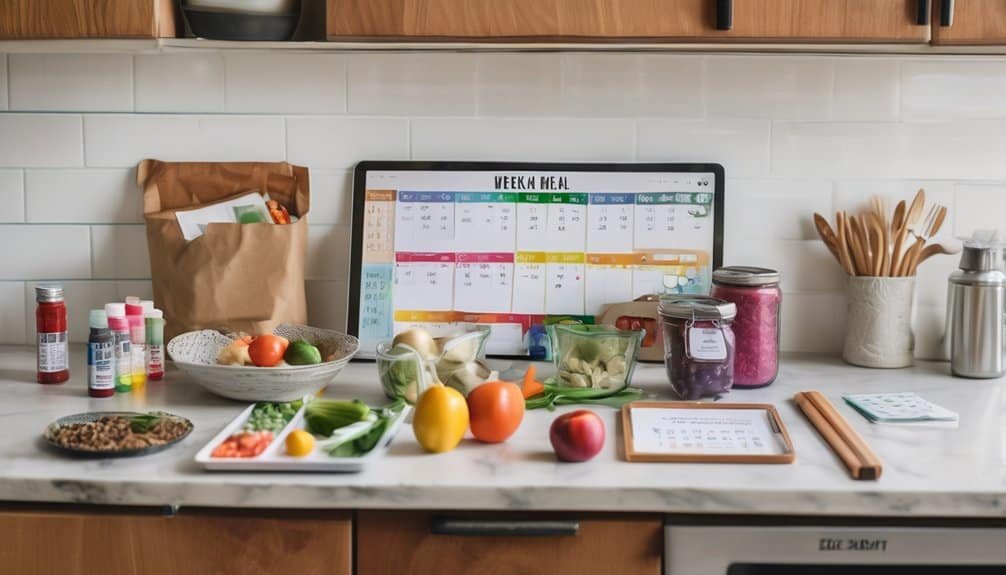
Meal planning tools can build on that same sense of order by taking the guesswork out of what to cook each day. You can map dinners for the week, assign leftovers, and match recipes to your schedule, so your evenings feel calmer.
Look for tools with grocery list organization that lets you sort items by store aisle, which cuts down on extra trips. Many apps also support meal prep strategies, helping you batch-cook proteins, chop produce, and reuse ingredients efficiently.
When you plan ahead, you reduce decision fatigue and waste less food. If your week changes, you can adjust meals in minutes instead of starting over. That flexibility gives you control, even on the busiest days, and helps you keep family meals consistent.
Chore Charts for Busy Households
Even with a packed schedule, a chore chart can turn daily cleanup into a simple, predictable routine. You can map tasks to each person’s strengths, age, and availability, then rotate duties so no one feels stuck.
Use chore delegation strategies that assign clear ownership, deadlines, and standards, and you’ll cut confusion fast. Interactive chore charts make this easier because everyone can update progress, claim tasks, and see what’s left at a glance.
Keep the layout simple: mornings, after-school, and evening blocks often work best. When you review the chart together each week, you’ll spot bottlenecks, adjust workloads, and build buy-in.
With a steady system, you won’t chase people around—you’ll guide a team that knows exactly what to do.
Budget and Bill Tracking Tools

When bills, due dates, and everyday spending start piling up, a simple tracking tool can keep your household from feeling overwhelmed. You can use expense tracking to see where every dollar goes, then adjust before small leaks become stress.
Budgeting apps help you log bills, set reminders, and watch balances in real time, so you stay ahead instead of catching up.
- You’ll feel calmer when nothing slips through the cracks
- You’ll protect your goals with clearer money habits
- You’ll build confidence by seeing progress week by week
Choose one routine, stick with it, and let the tool do the heavy lifting. With steady use, you can manage money with more control and less anxiety.
How to Choose the Right Planning Tool
The right planning tool should fit your real life, not the other way around. Choose one that supports your goal setting and time management without adding friction. Start by matching the tool to your habits: if you check your phone often, use an app; if you think better on paper, pick a planner. Look for clear views, easy sharing, and reminders that reduce mental load.
| Need | Best option | Why |
|---|---|---|
| Fast updates | App | Syncs instantly |
| Visual planning | Wall calendar | Shows the week |
| Deep focus | Paper planner | Cuts distractions |
| Shared tasks | Digital board | Keeps everyone aligned |
Test one tool for a week. If it helps you act faster and stay calm, you’ve found the right fit.
Frequently Asked Questions
How Do Families Handle Last-Minute Schedule Changes?
You handle last-minute schedule changes by making last minute adjustments, protecting flexible routines, and communicating quickly. You can swap tasks, simplify plans, and stay calm. That keeps your family organized, resilient, and confident.
What Tools Work Best for Separated Parents?
You’ll do best with co parenting calendars and communication apps, like twin bridges over a rushing river, keeping everyone connected. They help you track exchanges, share updates, and stay calm, organized, and in control.
Can Planning Tools Protect Our Family’s Privacy?
Yes, you can protect your family’s privacy with planning tools when you choose strong data security, review privacy settings, require user consent, and limit your digital footprint. You’ll stay organized while keeping control and peace of mind.
How Do Kids Learn to Use Family Planning Apps?
Kids learn by exploring interactive tutorials and age appropriate content; nearly 70% grasp new apps faster with guided practice. You can start together, let them tap through features, and reassure them mistakes won’t ruin anything.
Which Tools Work Offline Without Internet Access?
Offline, you can use calendar apps, task management tools, grocery planners, and meal prep trackers with local storage. You’ll still plan smoothly, even without internet, and sync later when you’re back online.
Conclusion
When you choose the right free family planning tools, you’re not just filling a calendar—you’re lighting a lantern for your home. A shared app, meal planner, chore chart, or budget tracker can turn scattered tasks into a clear path forward. You can breathe easier knowing each small step matters. With weekly check-ins, you’ll keep everyone moving together, reduce stress, and build a calmer, more connected family life, one plan at a time.