
If you want to build stronger study habits at home, printable reading charts can give you a simple place to track progress and keep kids accountable. You can choose a style that fits your child’s age, set clear goals, and add rewards that feel worthwhile. The right chart does more than decorate a wall, and a few small choices can make it work much better than you might expect.
Key Takeaways
- Printable reading charts help track books, pages, minutes, or reading goals at home.
- Choose a chart layout that fits daily, weekly, or monthly reading routines.
- Use bright, child-friendly designs to make reading progress visible and motivating.
- Set one clear goal and add stickers, dates, or checkmarks for easy tracking.
- Keep rewards simple and personalize the chart to encourage consistent reading habits.
What Are Printable Reading Charts?
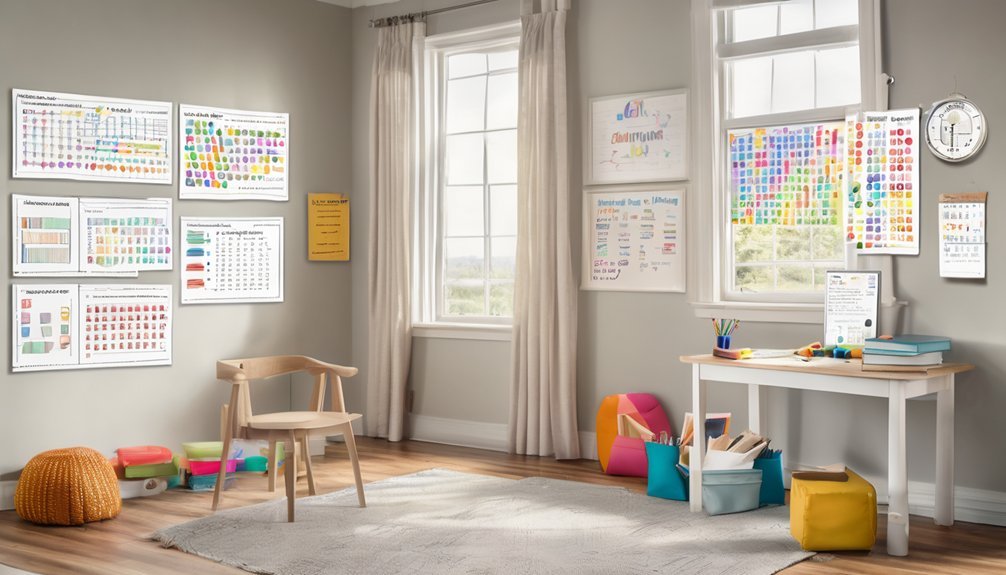
Printable reading charts are simple tools you can print and use to track reading goals, habits, and progress. You use them to record what you read, how often you read, and how far you’ve come.
They give you a clear, visible system for monitoring reading habits without needing digital apps or complex tools. When you write down each session, you make tracking progress easier and more reliable.
You can note titles, pages, minutes, or completed books, depending on what you want to measure. These charts help you stay accountable, build consistency, and see improvement over time.
If you want better reading routines, a printable chart gives you structure, focus, and a straightforward way to measure success.
Choose the Right Reading Chart Style
Once you know what you want to track, the next step is picking a reading chart style that fits your routine. You can choose simple grids, colorful trackers, or themed designs that match your space and age group.
Focus on chart aesthetics and visual appeal so the chart feels organized and easy to use. Strong styles make tracking progress straightforward and support clear goal setting.
- Pick layouts that show daily, weekly, or monthly reading
- Use engaging themes to match your child’s interests
- Choose bold labels for quick scanning
- Allow space for family involvement and shared updates
- Select a format you can print and replace easily
When you match the style to your goals, you create a chart that works smoothly at home.
Why Reading Charts Help Kids Stay Motivated

When kids can see their progress on a reading chart, they’re more likely to stay interested and keep going. You turn reading into something visible, which helps them connect effort with achievement. Each mark, sticker, or completed square reinforces reading engagement and gives your child a clear reason to return to the next book.
This steady feedback supports goal setting, because your child can aim for a small, reachable target instead of an abstract expectation. You also build confidence by showing that progress matters, not just perfection.
As your child watches the chart fill up, motivation grows from success they can see. That sense of momentum helps reading feel purposeful, manageable, and rewarding, so your child keeps reading with focus and pride.
How to Set Up Reading Charts at Home
Start by choosing a simple reading chart that fits your child’s age and your home routine. Place it where you can see it easily, then define one clear goal, such as pages, minutes, or books. Use the chart to build reading habits and make tracking progress straightforward.
- Pick a format your child understands
- Set one measurable reading goal
- Add spaces for dates or stickers
- Keep materials near the reading spot
- Review results with brief, positive feedback
Write the rules plainly so your child knows what counts. If you want mastery, match the chart to current skill level and adjust it only after you’ve gathered enough data.
That keeps the system fair, simple, and effective.
Use Reading Charts Every Day
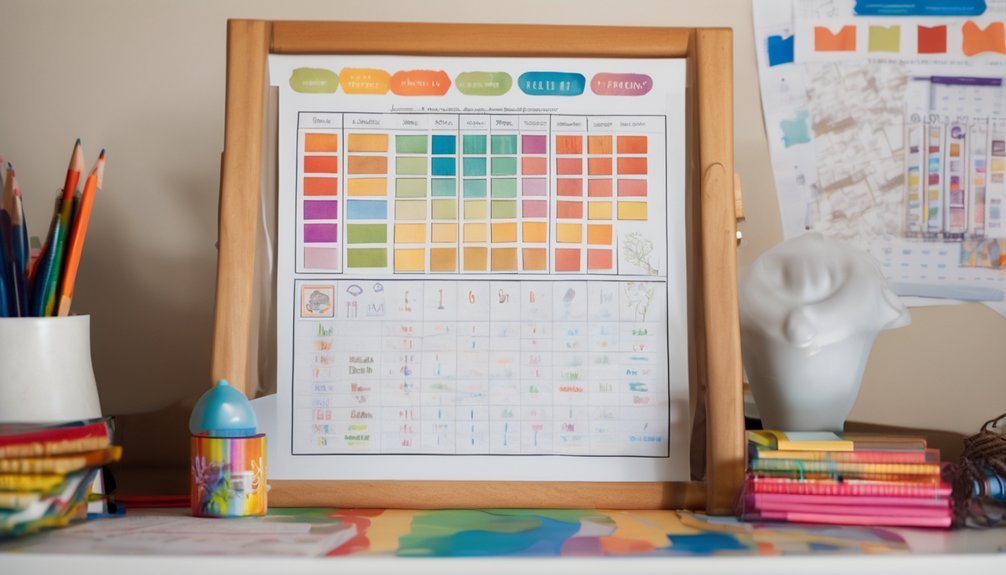
With your reading chart set up, the next step is to use it every day so it becomes part of your child’s routine. Keep the chart visible and link it to a fixed time, like after breakfast or before bed.
When you make daily reading nonnegotiable, your child learns that practice matters. Mark each completed session right away, so tracking progress stays simple and accurate. You can praise consistency, but keep the focus on showing up, not perfection.
If a day gets busy, return to the chart the next day without turning it into a big issue. Your goal is steady habit building.
Over time, the chart helps you measure momentum, reinforce accountability, and make reading feel like a normal part of home learning.
Adapt Reading Charts for Different Ages
As your child grows, adjust the reading chart so it matches their age, attention span, and reading level. Use age appropriate adaptations to keep the chart useful and motivating.
For younger children, choose large boxes, short reading goals, and engaging visuals that make progress easy to see. For older children, add longer goals, more detailed tracking, and clearer milestones.
- Use simple pictures for preschoolers
- Increase text for early readers
- Track pages, minutes, or books
- Keep colors consistent and calm
- Review and revise the chart often
You’ll get better results when the chart feels achievable, not overwhelming. Match the layout to your child’s stage, and they’ll stay focused, confident, and ready to read more each day.
Choose Rewards Kids Will Actually Want
Choose rewards your child will actually care about, because the right incentive can make a reading chart far more motivating. You’ll get better results when you match reward systems to kid preferences, not your own assumptions. Keep rewards simple, frequent, and meaningful.
| Reward | Why it works |
|---|---|
| Extra story time | Feels connected to reading |
| Choice of dessert | Easy and immediate |
| Pick a game | Gives real control |
| Stay-up-later token | Strong short-term motivator |
Ask what feels exciting, then test small options. You can rotate rewards to prevent boredom and keep enthusiasm high. If a reward loses appeal, replace it quickly. The goal is steady effort, so make the payoff clear, attainable, and worth chasing.
Customize and Print Your Reading Chart
Once you’ve picked rewards that will motivate your child, shape the chart so it fits your family’s routine and feels fun to use. Start by setting clear reading goals, then match each goal to a simple milestone your child can see.
Keep your chart design clean, with bold labels, enough space for stickers, and colors that stand out. Print a test copy first so you can check readability and layout before using the final version.
- Choose a daily or weekly tracking format
- Add your child’s name for ownership
- Use icons for quick visual tracking
- Leave room for notes or initials
- Laminate the chart for repeated use
When you personalize the page, you make progress easier to track and far more rewarding.
Frequently Asked Questions
How Do I Track Multiple Children on One Chart?
Use one chart with separate rows or columns for each child, then assign color coding for names and progress. Set shared goals, track each child’s reading separately, and review updates together weekly for clarity.
Can Reading Charts Work for Reluctant Readers?
Yes, you can use reading charts with reluctant readers if you pair them with engagement strategies and motivation techniques. You’ll set small, clear goals, celebrate progress, and let them choose rewards that make reading feel manageable.
What if My Child Misses a Day of Reading?
A missed day doesn’t derail progress; you can simply resume tomorrow, like a path after rain. Use reading strategies, motivation techniques, reward systems, and flexible scheduling so your child stays encouraged and on track.
Are Digital Reading Charts Better Than Paper Ones?
Digital charts can be better if you want digital convenience and easy updates. Paper charts often boost sensory experience and engagement factor. You’ll choose based on your child’s habits, and you’ll consider environmental impact too.
How Often Should I Replace a Reading Chart?
Replace your reading chart every month or when it looks worn—fresh pages, stale tracking. For chart maintenance tips, check stickers and lines weekly; for chart design ideas, rotate themes each term to keep you engaged.
Conclusion
Printable reading charts make home learning simple, fun, and effective. You can choose a style that fits your child, set clear goals, and use stickers or rewards to keep progress visible. When you review the chart every day, you help your child stay motivated and build strong reading habits. Customize it, print it, and start tracking today. It’s a small tool with big results, a true reading “game changer” for your home.