You can make math feel easier at home by keeping it low-pressure and part of daily life. When you count snack pieces, measure ingredients, or compare prices at the store, you’re already building strong math habits. Simple games, puzzles, and small family challenges can also turn practice into something natural. The best part is that you don’t need perfect answers to start—you just need a few simple ideas that fit your routine.
Key Takeaways
- Create a warm, playful math corner with colorful materials and celebrate small wins to build confidence.
- Turn everyday tasks into math games, like counting toys, sorting objects, or measuring ingredients while cooking.
- Use low-pressure activities such as math bingo, card games, board games, and short scavenger hunts.
- Connect math to real life by exploring shopping, budgeting, clocks, sports stats, nature patterns, and hobbies.
- Encourage curiosity with puzzles, brain teasers, math stories, crafts, and open-ended questions about problem-solving.
Start With Low-Pressure Math Activities
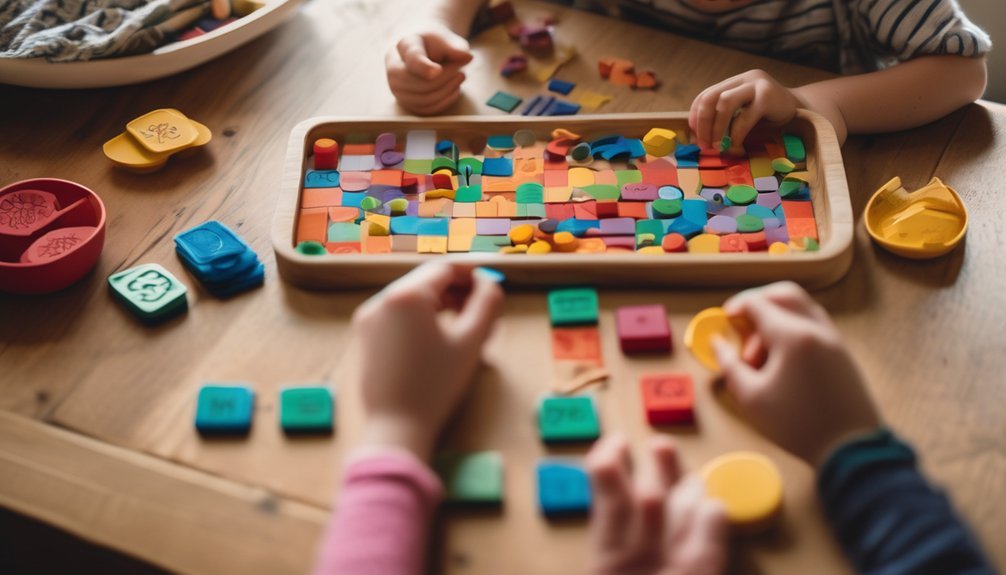
Try a math scavenger hunt where you look for shapes, numbers, or patterns around the house. Read math themed stories that weave counting, comparison, or logic into a simple plot.
Create math art projects with symmetry, repetition, or geometric designs so you learn while you make something beautiful. Use math music games to tap rhythms, count beats, and notice patterns.
Take math nature walks to observe leaves, shells, and branches, then sort or compare what you find. These activities help you practice core ideas while keeping the experience calm, engaging, and rewarding.
Turn Everyday Moments Into Math
Once you’ve built comfort with playful math activities, you can weave math into ordinary moments so it feels natural instead of stressful.
At the grocery store, estimate totals, compare unit prices, and check change. In the kitchen, you can double recipes, halve servings, and track fractions with confidence.
On a walk, count steps, measure distances, and notice patterns in numbers around you. Turn car rides into math storytelling by asking how long the trip’ll take or how many miles remain.
Create a math scavenger at home: find shapes, symmetry, clocks, and measurements in familiar places.
When you connect math to real life, you strengthen understanding, build fluency, and show yourself that math isn’t separate from daily living—it’s already there, waiting to be noticed.
Play Simple Math Games Together
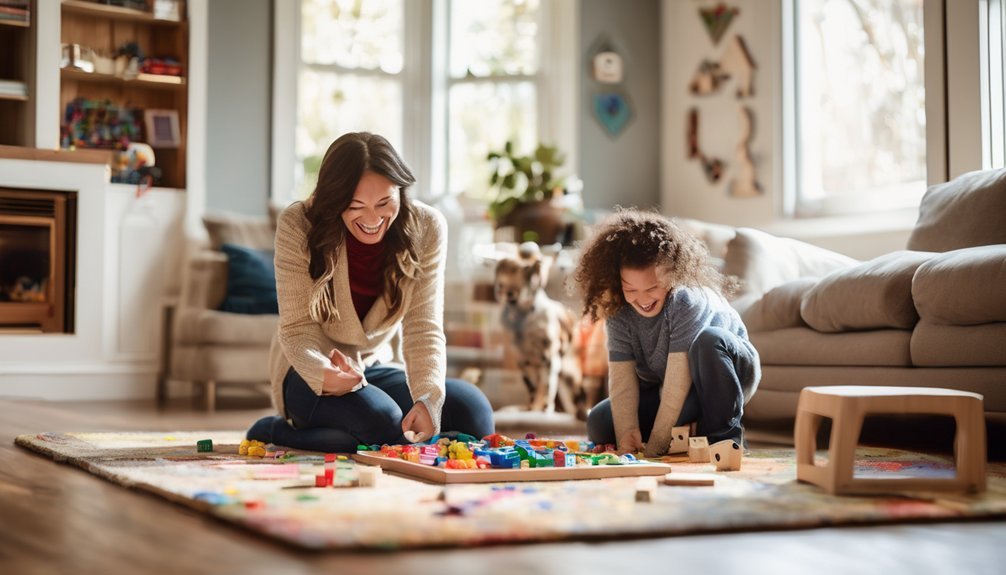
Simple math games can turn practice into play, and they give you a low-pressure way to build confidence together. You can rotate quick activities that target different skills while keeping your attention sharp. Try this mix:
| Game | Skill | Benefit |
|---|---|---|
| Math boardgames | Addition | Builds steady practice |
| Math card games | Facts | Improves recall |
| Math bingo | Recognition | Boosts speed |
Add Math scavenger hunts for clues, Math storytelling for word problems, Math trivia for recall, Math charades for concepts, and Math challenges for timed mastery. You don’t need long sessions; short, focused rounds work best. After each game, ask what strategy helped most so you can refine your approach. When you play with purpose, you’re not just having fun—you’re strengthening flexible thinking and confidence.
Use Cooking to Practice Math
Cooking gives you another easy way to turn everyday moments into math practice. When you handle measuring ingredients, you work with fractions naturally, and you can check fraction conversions as you move between cups, tablespoons, and teaspoons.
Try recipe scaling when you want more or fewer portions; it sharpens your sense of proportion and helps you adjust ingredient ratios with confidence. You can also build timing calculations by tracking bake times, simmer times, and prep intervals.
Ask yourself how serving sizes change when you divide a dish, and notice how nutritional math connects to real choices. Keep your kitchen experiments small, deliberate, and repeatable.
Over time, you’ll see that each stir, pour, and timer setting strengthens your accuracy and your understanding.
Make Math Fun With Shopping
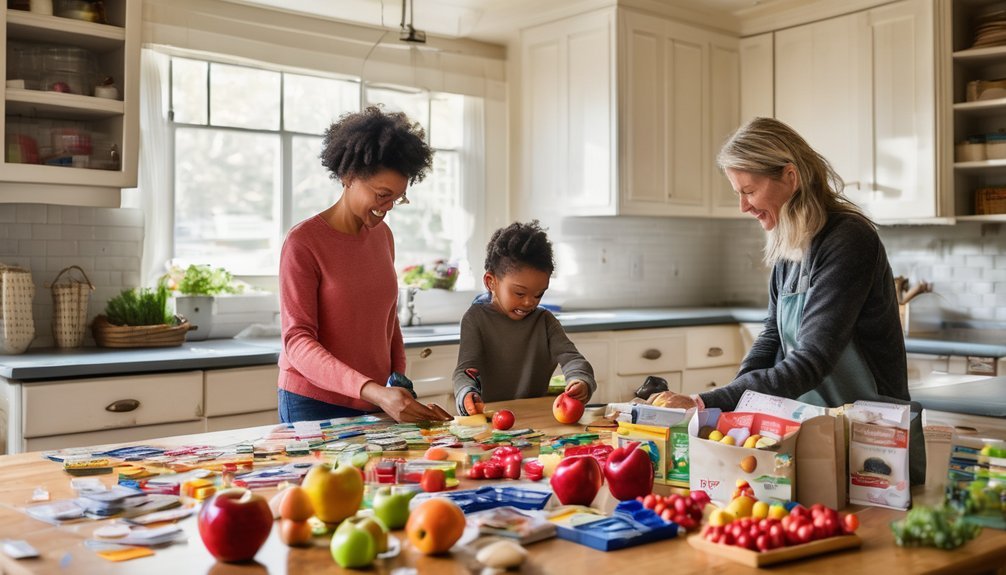
Shopping can turn math into something practical and even a little fun. When you plan grocery budgeting, you’ll practice adding totals, subtracting discounts, and staying within a target. Use price comparison to decide which size or brand gives the best value. Track sales by noting regular prices, then computing savings so you can spot real deals. For item estimation, guess your cart total before checkout, then check how close you were.
| Task | Math Skill |
|---|---|
| Compare unit prices | Division |
| Estimate cart total | Addition |
| Track discounts | Subtraction |
You can also ask yourself which choices fit your budget best. With each trip, you’ll build accuracy, confidence, and smarter decision making.
Try Hands-On Math Crafts
Hands-on math crafts can make numbers feel tangible, because you get to build, measure, count, and design at the same time.
Try Math Art with paper strips, beads, or string, and let Craft Calculations guide every cut and count. You can turn Geometry Projects into a Shape Sculpture, then check angles, symmetry, and size as you work.
Use Measurement Games to compare lengths, weigh materials, and estimate before you glue. Add Pattern Play by repeating colors, shapes, or textures with care.
Create Number Collages from magazine scraps, labels, or drawings, and record what you notice in Math Journals.
When you make each step deliberate, you strengthen precision, and your confidence grows with every finished piece.
Build Number Sense With Puzzles
Puzzles can turn number sense into a game you actually want to keep solving. You sharpen mastery when you tackle number puzzles that ask you to compare, combine, and reason.
Start with logic challenges and math riddles that make you explain why an answer works, not just guess it. As you move through brain teasers, notice patterns, track number sequences, and test your spatial reasoning.
This kind of visual math trains your eyes and mind together. You can act like a math scavenger, searching for clues in grids, cards, and symbols.
Each puzzle builds creative problem solving and strengthens pattern recognition. Keep the pace steady, trust the process, and challenge yourself to think one step deeper each time.
Turn Family Challenges Into Math Practice
When your family runs into everyday challenges, you can turn them into quick math practice without making it feel like school. You might ask your child to estimate grocery totals, compare package sizes, or split chores by time. These moments build confidence because they connect math to real decisions.
Try these ideas:
- Time errands and calculate arrival times.
- Adjust recipes by doubling or halving amounts.
- Track scores in family competitions and review math milestones.
Invite everyone to explain their thinking, then check answers together. That habit strengthens accuracy and helps you see progress clearly.
If you stay patient and consistent, your home becomes a place where math feels useful, manageable, and even rewarding.
Use Apps and Online Math Games
Math apps and online games can make practice feel more like play than drill. You can choose math apps that match your level and target specific skills, like facts, fractions, or algebra.
Try online games with interactive quizzes and math challenges so you get quick feedback and can spot weak areas fast. Many educational websites and learning platforms also offer virtual classrooms, where you can review lessons and practice with guided support.
If you like competition, join safe math competitions that let you test your speed and accuracy. Rotate tools often so practice stays fresh.
When you use these resources with purpose, you build confidence, sharpen recall, and move toward real mastery while still enjoying the process.
Keep Math Fun Without Pressure
Keep math enjoyable by lowering the pressure to perform perfectly. You’ll build stronger skills when mistakes feel safe and useful. Try playful routines that invite curiosity:
- Use math storytelling to turn word problems into adventures.
- Explore math art and math music to show patterns in new ways.
- Set up a math scavenger, then record discoveries in math journaling.
When you focus on creative problem solving, you’ll stay engaged and think more flexibly. Praise effort, strategy, and persistence instead of speed alone.
If you sense frustration, pause, reset, and return with a lighter challenge. You don’t need every answer right away; you need steady practice, clear feedback, and confidence that grows over time.
Keep the tone warm, and math will feel like a place to explore, not a test.
Frequently Asked Questions
How Can I Tell if My Child Dislikes Math?
You can tell if your child dislikes math if they avoid it, get tense, or say they’re “bad” at it. Watch for math anxiety, then use positive reinforcement to build confidence and curiosity.
What Supplies Are Best for Home Math Activities?
You’ll do best with math manipulatives like counters, blocks, dice, and fraction tiles, plus creative resources such as cards, printable games, and graph paper. They let you practice hands-on, build confidence, and master skills steadily.
How Often Should We Do Math Activities at Home?
You should do math activities at home a little every day. Weave them into daily routines and family games, so you build skills steadily, stay confident, and deepen mastery without pressure.
Can Math Fun Work for Multiple Age Groups Together?
Yes—you can mix ages, and that’s where the magic starts. You’ll use math games and collaborative challenges to keep everyone engaged, while each person tackles tasks that fit their level and builds mastery together.
How Do I Adapt Activities for a Noisy Household?
Set up quiet zones, so you can keep one activity calm while others play. Choose interactive games, use sensory materials, and shorten timed challenges. You’ll reduce noise, maintain focus, and keep everyone engaged, too.
Conclusion
You can make math at home feel less like a chore and more like a mini celebration every single day. Start small, keep it playful, and let counting, cooking, shopping, and games sneak math into your routine like a friendly surprise. When you praise effort and skip the pressure, you help confidence grow fast—almost like magic. Keep the mood light, the smiles big, and the learning steady, and math can become a favorite family habit.