
Like a trail of stepping stones, free alphabet practice printables can guide your preschooler from one letter to the next with ease. You can use them to build tracing, coloring, and matching skills while keeping practice short and fun. The right pages make letters feel familiar fast, but the best results come when you choose activities that fit your child’s pace and keep a few simple tricks in mind…
Key Takeaways
- Free alphabet practice printables for preschoolers usually include tracing, coloring, and matching letters.
- Short, simple worksheets help children focus on letter shapes and sounds.
- Look for bold, clean-letter pages with easy activities matched to your child’s skill level.
- Use printables at home with crayons, stickers, and daily letter practice for better retention.
- Mix repetition with fun games, sensory play, and praise to keep preschoolers engaged.
What Are Alphabet Practice Printables
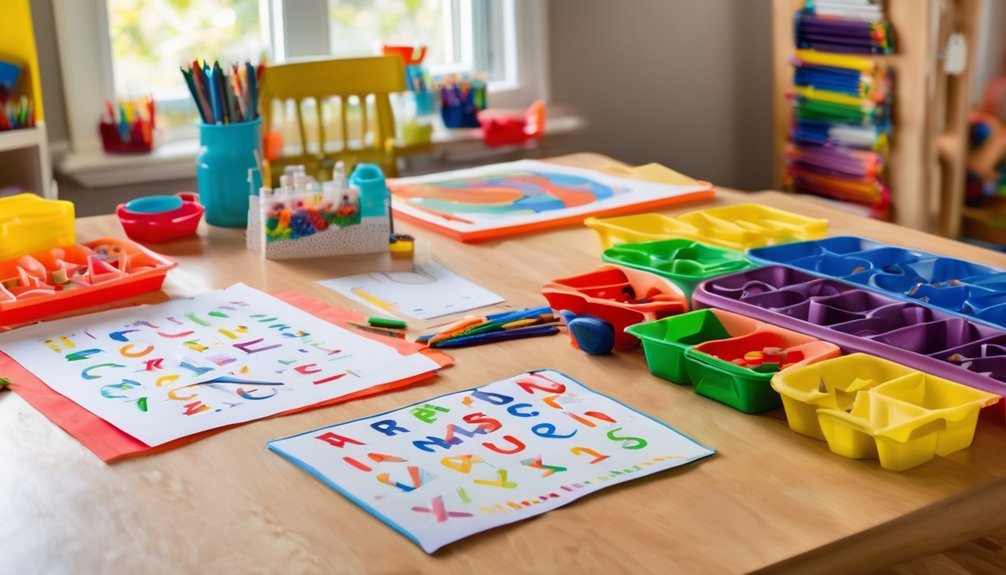
Alphabet printables are easy-to-use activity sheets that help your preschooler learn letters through tracing, coloring, matching, and other fun practice. You can use them to guide your child through each letter in a clear, playful way.
These sheets often include big letters, picture clues, and simple tasks that build alphabet recognition step by step. You might ask your child to trace an A, circle a B, or match a letter to a picture.
Some printables also connect letters with letter sounds, so you can say, “A says /a/,” as you work. With short, focused pages, you help your preschooler practice with confidence.
You’ll keep learning hands-on, cheerful, and manageable, while your child grows stronger with every page.
Why Printables Help Preschoolers Learn Letters
Printables help preschoolers learn letters because they turn practice into something hands-on, short, and fun. You can point, trace, color, and say each letter, so your child gets repeated exposure without feeling bored. This simple routine strengthens letter recognition and builds confidence fast.
Because the page stays focused on one skill, your preschooler can notice shapes, names, and sounds more easily. That steady practice supports early literacy by helping your child connect what they see with what they hear and say.
Printables also invite quick wins, and those wins keep motivation high. When your child feels successful, they want to keep learning. That’s the magic: you’re building mastery step by step, with playful practice that fits right into your day.
How to Choose the Right Letter Printables
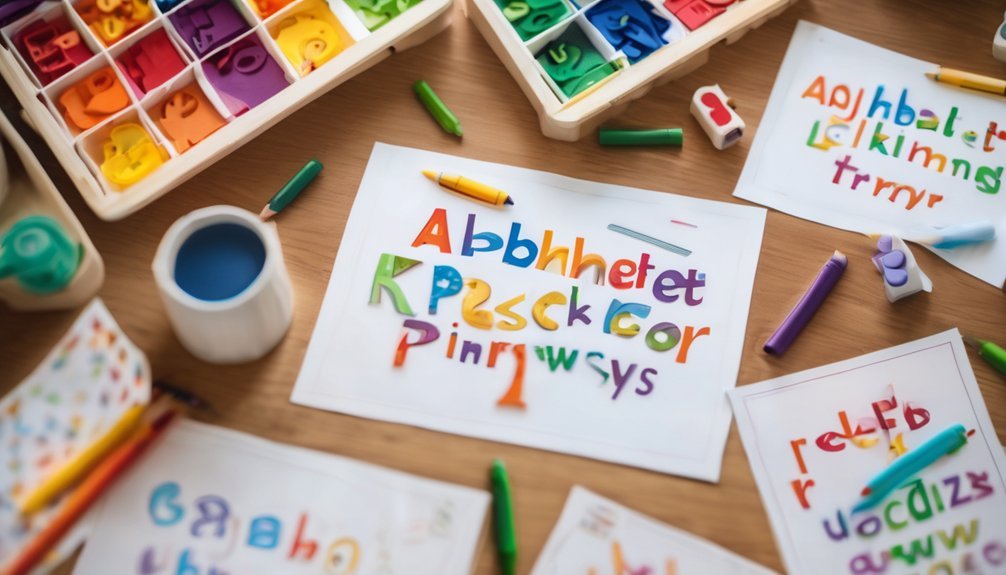
When you choose letter printables for preschoolers, look for pages that are simple, clear, and just the right level of challenge. You want materials that build letter recognition without overwhelming your child. A smart printable variety keeps learning fresh and helps you spot what clicks best.
- Pick bold letters with clean lines for easy tracing and matching.
- Choose engaging activities like coloring, sorting, or circle-the-letter games.
- Follow skill progression, moving from big letters to mixed practice as confidence grows.
You’ll get better results when each page feels playful but purposeful. The best printables invite quick wins, then gently stretch skills.
Trust your eye: if a page looks busy, save it for later. Start with easy wins, then level up.
How to Use Alphabet Printables at Home
Set up a simple alphabet spot at home, and your preschooler will be ready to learn in no time. Place printables on a table, floor, or wall where your child can see them easily.
Keep crayons, markers, or stickers nearby so practice feels fun and hands-on. Trace each letter together, then say the letter name and its sound out loud. You can point to familiar objects that start with that sound, which helps build alphabet recognition.
Revisit a few letters each day instead of rushing through the whole set. Short, playful sessions work best because they keep your child focused and confident.
Celebrate effort with praise, high fives, or a quick dance. When you make practice part of your routine, letter learning starts to stick.
Free Alphabet Practice Printables by Skill Level
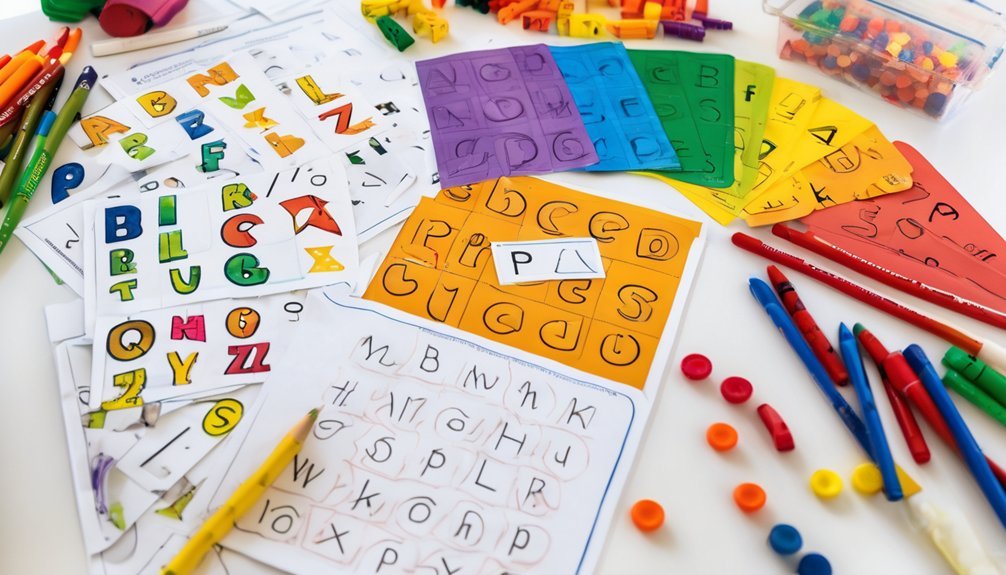
Free alphabet practice printables come in a range of skill levels, so you can match them to where your preschooler is right now. Choose pages that support smart skill progression, from simple tracing to early letter recognition. You’ll find printable themes with playful animals, shapes, and seasonal scenes that keep learning fresh without feeling busy.
- Beginner sheets use bold visual aids and large lines for easy success.
- Mid-level pages add interactive activities that ask your child to match, circle, or color.
- Advanced options build motor skills with smaller spaces, mixed-case letters, and creative designs.
Check age appropriateness before you print, and look for clear instructions that help you teach with confidence. When you pick the right level, your preschooler can practice happily and grow steadily, one letter at a time.
Fun Ways to Make Letter Practice Stick
Once you’ve picked the right alphabet printable, make practice feel like play so your preschooler wants to come back for more. You can build letter recognition with quick interactive activities like tracing, matching, and naming letters aloud.
Add sensory play by forming letters with clay, sand, or shaving cream, and let tiny hands explore while motor skills grow. Use visual aids such as colorful alphabet cards or picture cues to strengthen memory.
Try engaging games like letter hunts, toss-and-find, or bingo to keep energy high. You can also connect thematic learning to your child’s interests—animals, trucks, or space—and invite simple creative writing with labels, names, and doodles.
When you mix variety with repetition, practice sticks naturally, and each session feels fresh, fun, and rewarding for both of you.
Common Mistakes to Avoid With Printables
Even the best alphabet printables can miss the mark if you use them too early, too often, or without a little variety. You’ll get better results when you match the page to your child’s readiness and keep practice light and lively.
Watch for these common slip-ups:
- Choosing worksheets with too much tracing before your child can hold a crayon well
- Repeating the same page until it feels boring instead of mixing in engaging activities
- Ignoring printable design tips, like clear letters, roomy spaces, and simple visuals
You don’t need perfection; you need smart pacing. Short sessions, playful praise, and fresh formats help letters stick.
When you avoid overloading your preschooler, printables become a joyful bridge to mastery, not a chore.
Frequently Asked Questions
Can Alphabet Printables Help Left-Handed Preschoolers?
Yes, alphabet printables can help you, especially with left handed strategies and handwriting techniques. You’ll practice letter shapes, improve grip, and build confidence with fun, simple tracing pages that support mastery and easy daily progress.
What Paper Type Works Best for Reusable Letter Sheets?
Laminated cardstock works best—you’ll treat it like royalty, and it’ll still survive. You can pair it with reusable materials like dry-erase sleeves or use eco friendly options such as thick recycled paper with protectors.
Are Alphabet Printables Suitable for Children With Sensory Needs?
Yes, you can choose alphabet printables for sensory needs if you use sensory friendly designs and engaging activities. You’ll want bold lines, calm colors, and hands-on options so each child can practice comfortably and confidently.
How Often Should Preschoolers Practice With Letter Printables?
Practice letter printables 3–5 times a week—sometimes it feels like magic! You’ll build letter recognition and fine motor skills without overdoing it. Keep sessions short, playful, and let your preschooler master each letter confidently.
Can I Laminate Alphabet Printables for Dry-Erase Use?
Yes, you can laminate alphabet printables for dry-erase use. You’ll enjoy laminate benefits like durability and reuse, and your child can trace with dry erase markers again and again, building mastery through playful practice.
Conclusion
So as you print a page, your preschooler picks up a crayon, and suddenly the alphabet feels like a tiny adventure. You’ll see little fingers trace lines, match shapes, and light up with each letter found. Those small moments add up fast, turning practice into play. Keep it short, keep it cheerful, and let the letters meet your child where they are. With free printables, you’re helping learning stick—one happy page at a time.