
If your family forgets to refill water bowls or misses a medication dose, a free pet care checklist can prevent gaps in daily care. You can use it to track feeding, grooming, cleaning, vet prep, and emergency supplies with less confusion. It also helps you assign tasks by age and routine. The key is to build a system that’s simple enough to keep using, but what should it include first?
Key Takeaways
- Check daily food portions, fresh water, and medication schedules to keep pets healthy.
- Use a family feeding routine and monitor appetite, stool, and behavior changes.
- Add weekly tasks like weighing your pet, reviewing grooming, and checking supplies.
- Schedule monthly deep cleaning, including bedding, bowls, toys, and pet areas.
- Keep an emergency pet kit with medical records, allergy list, and vet contacts.
What to Include in a Pet Care Checklist
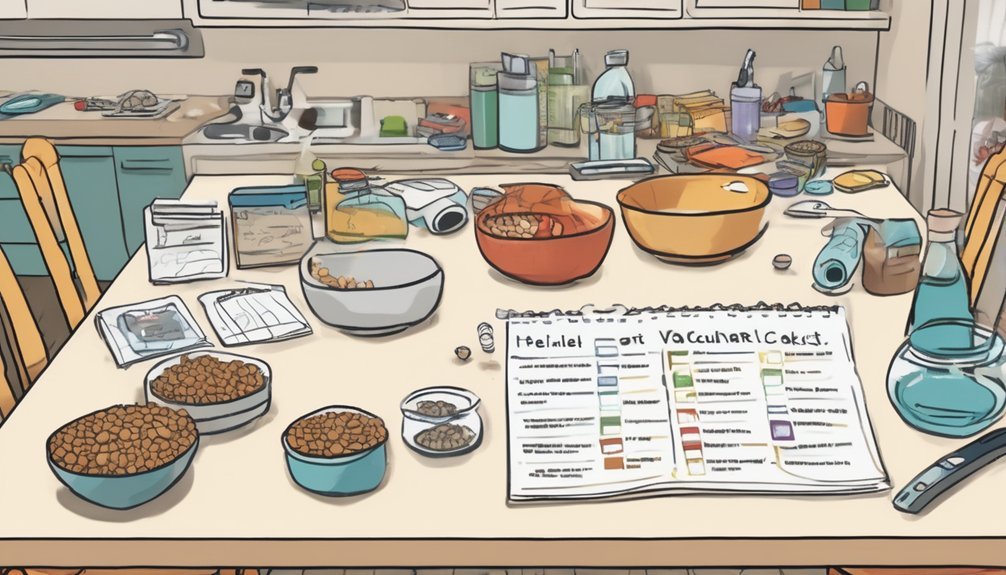
A practical pet care checklist should cover the basics your family needs to keep your animal healthy and safe every day.
You should include pet nutrition, so you can confirm the correct food type, portion size, feeding schedule, and fresh water access.
Add grooming essentials to track brushing, bathing, nail trimming, ear cleaning, and coat inspection for parasites or skin changes.
Your checklist should also note vaccinations, parasite prevention, medication timing, exercise, waste removal, and a clean resting area.
Include supplies you’ll need, such as leashes, carriers, litter, bedding, and cleaning products.
If you maintain these items consistently, you’ll reduce error, support preventive care, and make delegation easier for every family member.
Daily Pet Care Checklist for Families
Each day, you should verify that your pet has fresh water, the correct food portion, and any scheduled medication. Use a repeatable sequence for pet feeding, sanitation, and observation.
| Task | Standard | Check |
|---|---|---|
| Water | Clean, full | Yes |
| Food | Measured portion | Yes |
| Medication | On schedule | Yes |
| Activity | Exercise routines completed | Yes |
| Health | Appetite, stool, behavior | Yes |
Inspect bowls, litter, or bedding for contamination, then correct issues immediately. Confirm your pet’s response to handling, gait, and energy level, because small changes can indicate early illness. Keep the routine consistent so you can detect deviation quickly. If you manage children, assign simple roles and verify completion. End the day by noting any missed pet feeding steps or abnormal signs in a log for follow-up tomorrow.
Weekly Pet Care Tasks to Share

Once your daily routine feels steady, add a weekly checklist so the family can share larger pet care tasks without missing anything.
Assign one person to verify pet feeding supplies, another to review the grooming schedule, and another to inspect food and water bowls for wear. You should weigh the pet if needed, note appetite changes, and compare intake with the plan.
Rotate responsibility for brushing coats, trimming nails, and checking ears or paws for irritation. Confirm collars fit correctly and tags remain legible.
Update the care log with observations, then discuss any pattern that suggests stress, skin issues, or behavior shifts.
This system keeps you organized, reduces oversight, and helps each family member execute pet care with consistency, accountability, and clinical precision.
Monthly Pet Care and Deep Cleaning
When the weekly routine is running smoothly, schedule a monthly deep-cleaning session to reset your pet’s environment and catch maintenance issues early. Remove bedding, wash bowls, sanitize crates, and vacuum hair from seams and vents.
Inspect collars, leashes, toys, and feeding tools for wear, then replace damaged items promptly. Use monthly grooming to trim nails, brush coats, and check skin for debris or irritation.
- Clean hard surfaces with pet-safe disinfectant.
- Launder soft goods on a hot cycle.
- Rotate supplies to support seasonal care needs, such as shedding or added insulation.
This cadence reduces odor, limits allergen buildup, and keeps your home organized. By standardizing these tasks, you maintain a controlled, predictable care environment with minimal disruption.
Pet Care Checklist for Vet Visits and Emergencies
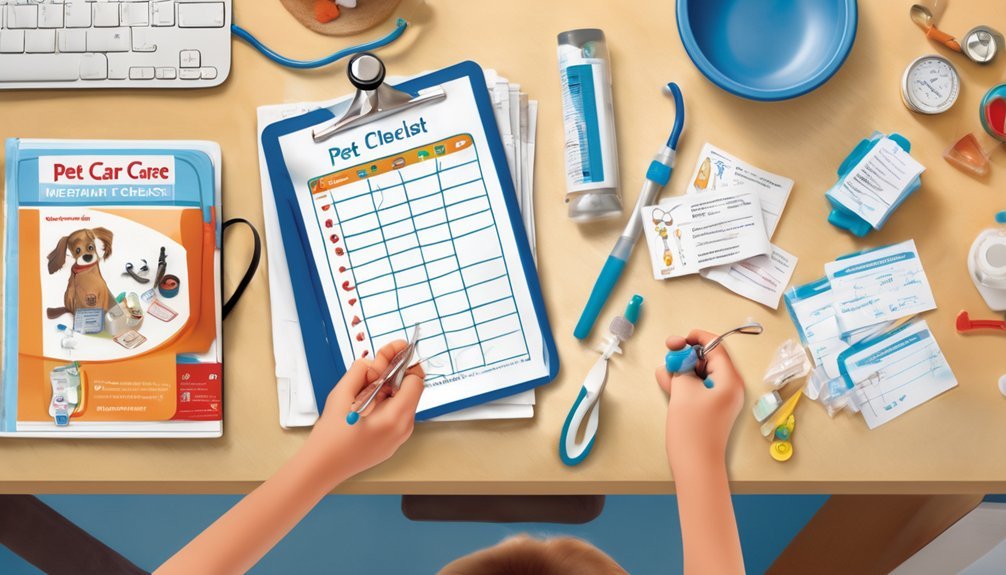
Before a vet visit or emergency, keep a ready-to-grab pet care kit with your pet’s medical records, current medications, vaccination history, microchip number, and your veterinarian’s contact information.
Add a recent photo, allergy list, and copies of consent forms so you can act quickly.
For vet visit preparedness, confirm fasting instructions, leash or crate requirements, and transport safety before you leave.
During an emergency, call ahead, state symptoms clearly, and bring the exact time the problem started.
Keep an emergency contact list with your primary vet, nearest 24-hour clinic, poison hotline, and a backup driver.
Store supplies in a waterproof pouch and review them after every appointment.
This system reduces delays, supports accurate triage, and helps you deliver precise history when minutes matter.
How Kids Can Help With Pet Care
Children can safely contribute to pet care when you assign age-appropriate tasks and supervise them closely. You can use these routines to reinforce responsibility lessons while keeping tasks predictable and low risk.
Ask younger children to refill water bowls, measure kibble, or collect toys after play. Older children can brush coats, help with leash checks, and record feeding times. These duties build consistency and reduce caregiver burden.
- Match each task to the child’s developmental level.
- Confirm hygiene after handling food, litter, or bedding.
- Use bonding activities, such as calm grooming or supervised play, to strengthen trust.
You should review performance regularly, correct errors immediately, and praise accuracy. Clear standards help children learn safe habits and support reliable pet care.
Frequently Asked Questions
How Can Families Make Pet Care Free on a Budget?
You can reduce pet-care costs by using DIY pet grooming, making homemade toys, and joining Community pet swaps for supplies. You’ll also save by comparing vet clinics, preventing illness early, and sharing resources with neighbors.
What Household Items Can Safely Replace Pet Care Supplies?
You can replace some pet care supplies with DIY pet supplies like old towels, cardboard scratchers, and washable bowls, plus natural cleaning alternatives such as diluted vinegar. You’ll avoid toxins and maintain hygiene efficiently.
How Do You Create a Pet Care Schedule for Busy Families?
Create a pet care schedule by mapping daily tasks, assigning pet care routines to specific family members, and setting reminders. You’ll coordinate feeding, walking, grooming, and vet care through consistent family involvement and review.
Which Pets Are Easiest for Families to Care for Affordably?
You’ll usually find fish and small mammals easiest on budgets, since they’re modest lanterns of care: goldfish, guinea pigs, and hamsters need limited space, simple diets, and predictable routines, though fish care demands steady water testing.
How Can Families Save Money on Pet Food and Treats?
You can save money by choosing bulk buying for staple kibble, comparing unit prices, and using homemade treats from safe ingredients. You’ll reduce waste, control portions, and maintain nutritional quality while avoiding impulse purchases.
Conclusion
Your free pet care checklist keeps care clear, consistent, and comprehensive. You can track daily feeding, water, meds, and health checks, then schedule weekly grooming and supply reviews, and monthly deep cleans. You also stay ready for vet visits and emergencies with organized records and supplies. When you share simple tasks with kids, you build safe, steady routines. With this checklist, you protect your pet’s health, promote peace of mind, and support a happier home.