
Rainy days can make toddlers restless, but indoor time does not need to feel limiting. Simple games, hands-on crafts, and movement-based activities can help support development while keeping children engaged. A mix of active play and quiet moments often works best, especially when the day feels long. The most useful ideas are often easier than expected, and a few of them can change the whole rhythm of the day.
Key Takeaways
- Sensory bins with rice, fabric scraps, or large scoops keep toddlers engaged and support fine motor skills.
- Simple games like Simon Says, hide-and-seek with toys, and color searches encourage movement and listening skills.
- Creative crafts such as finger painting, playdough, and recycled art build hand strength and imagination.
- Indoor obstacle courses and dance parties provide active fun while improving balance and coordination.
- Calm-down activities like reading, soft music, and mindful breathing help toddlers relax and feel secure.
Best Rainy Day Activities for Toddlers
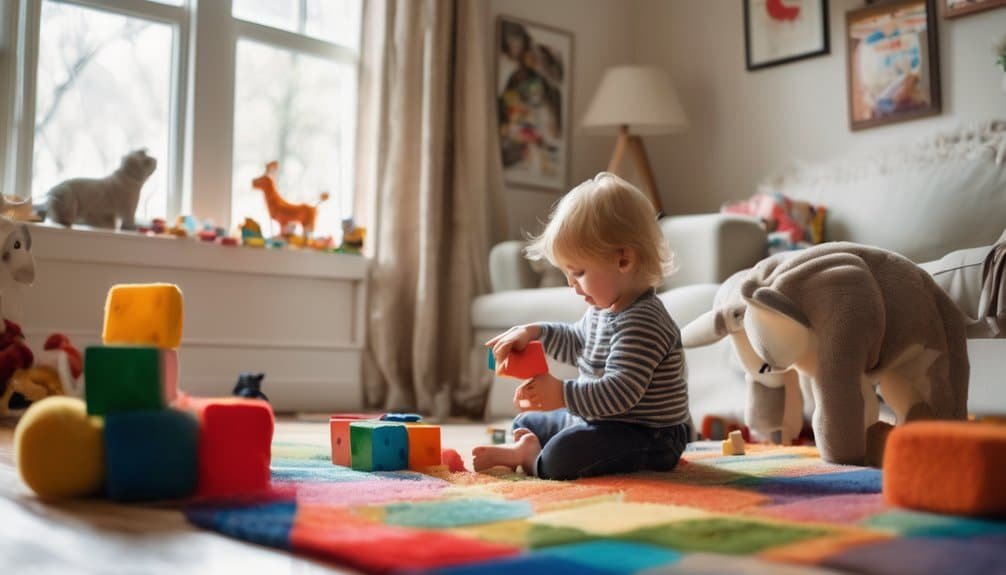
Rainy days can feel long for toddlers, but they also create a simple opportunity for safe, engaging indoor play. Sensory bins can be filled with rice, soft fabric scraps, or large scoops, giving small hands a calming way to explore texture and practice control.
Indoor scavenger hunts add movement and gentle problem-solving when a caregiver hides familiar objects around the room and invites a child to find them. Both activities support language, focus, and confidence without overwhelming a young child.
A predictable routine, such as gathering materials together first, helps the day feel steady and warm. With close supervision and simple setup, these rainy day activities can turn a quiet afternoon into a nurturing, developmentally rich experience for a toddler.
Easy No-Prep Indoor Games
When the weather keeps a toddler indoors, no-prep games can fill the day with movement, attention, and simple joy. A caregiver can suggest familiar favorites such as Simon Says, hide-and-seek with a stuffed toy, or a gentle movement parade through the room.
These games support listening, turn-taking, and body awareness without requiring materials or setup. For quieter moments, simple pretend play, puppet shows, or a quick search for colors around the house can hold attention well.
If a child needs calming input, sensory bins made from safe household items can offer touching, sorting, and pouring. The best choices are brief, flexible, and easy to repeat, helping a toddler feel secure, engaged, and happily occupied while the rain continues.
Creative Crafts for Toddlers
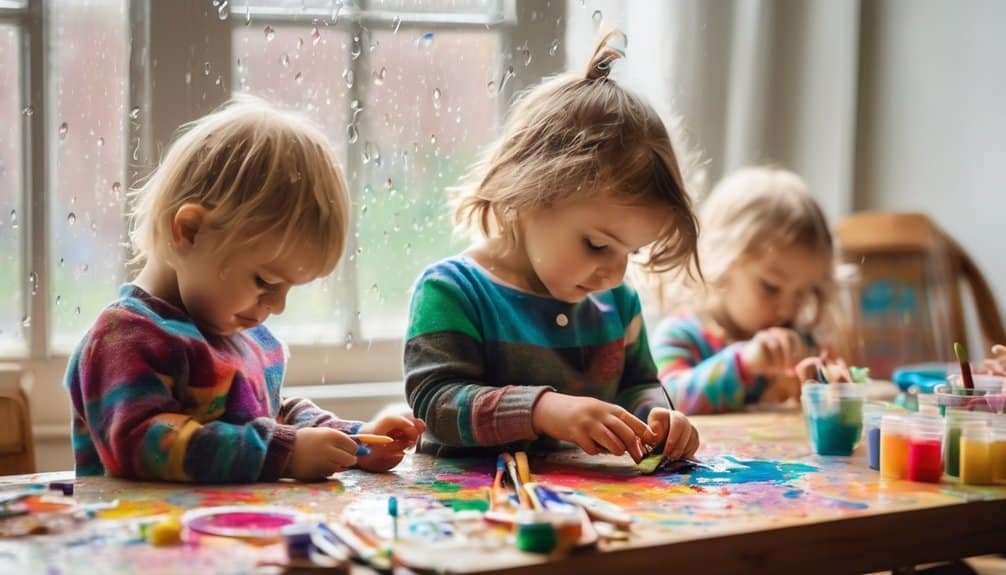
Simple crafts can give toddlers a calm, rewarding way to explore color, texture, and cause and effect indoors.
Finger painting invites open-ended mixing, while nature collages can use leaves, twigs, or pressed flowers gathered from a window walk.
Sensory bins filled with safe materials support scooping, pouring, and sorting, and DIY playdough offers gentle strengthening for small hands.
Cardboard crafts, such as boxes, tubes, and simple shapes, encourage stacking and decorating with sticker art.
Recycled art turns everyday items into meaningful creations, helping little ones notice that used things still have value.
With close adult support, these activities build focus, language, and early problem-solving in a way that feels warm, familiar, and reassuring for both child and caregiver.
Active Games to Burn Energy
Indoor active games can help toddlers release energy in safe, structured ways while still supporting balance, coordination, and body awareness.
Simple setups such as cushions to step over, tape lines to follow, or soft tunnels to crawl through keep movement engaging without overwhelming a small child.
Toddler obstacle courses can be adjusted to match the room and the toddler’s abilities, helping each attempt feel successful and calm.
Indoor dance parties add another easy option, inviting jumping, spinning, and clapping to music with a familiar, cheerful rhythm.
Short bursts of movement work best, especially when an adult offers gentle guidance and clear boundaries.
These activities can ease restlessness on rainy days while giving toddlers a warm sense of freedom, connection, and confidence.
Learning Activities That Feel Like Play
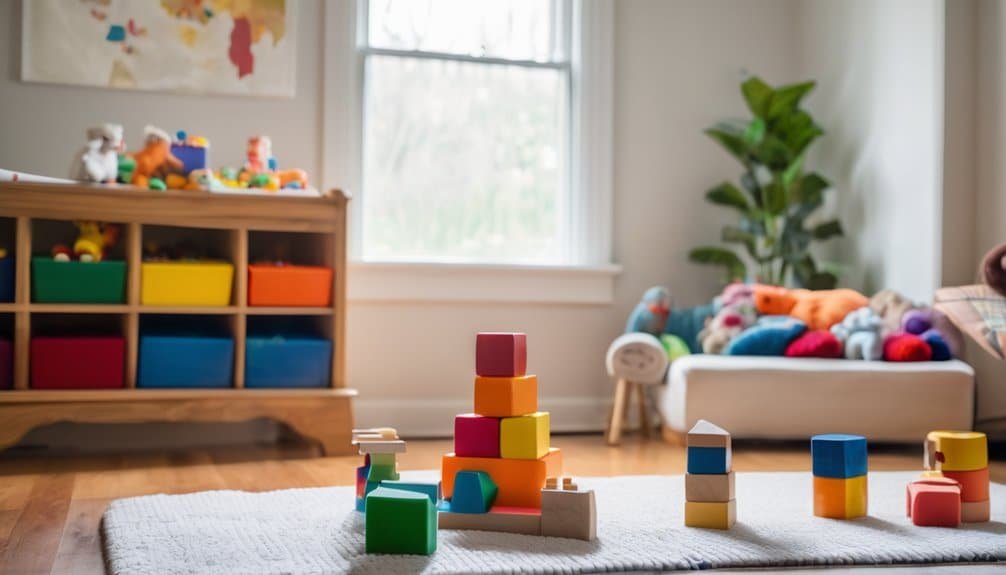
Educational toys like shape sorters, stacking cups, and puzzles invite problem solving while keeping curiosity alive. Adults can sit nearby, name colors, count pieces, and celebrate small attempts, which makes learning feel warm and personal.
Short, flexible activities work best on rainy days because toddlers stay engaged without pressure. When play is familiar, safe, and hands on, children practice thinking, listening, and sharing attention naturally.
This gentle approach helps families turn indoor time into meaningful connection, one playful moment at a time.
Calm-Down Activities for Quiet Time
After active play, many toddlers benefit from a quieter rhythm that helps their bodies settle and their attention slow down.
Calm-down activities can include cozy reading, soft music, and a short stretch on the floor. Simple mindful breathing, such as pretending to smell a flower and blow out a candle, gives the child a gentle way to reset.
Sensory bins with rice, pom-poms, or smooth fabric can offer quiet exploration without overstimulation. A dim room, a favorite blanket, and predictable routines often help the child feel safe and ready to rest.
When adults keep the pace slow and warm, toddlers learn that quiet time is not a punishment but a comforting part of the day.
Frequently Asked Questions
How Can I Toddler-Proof Our Living Room for Indoor Play?
They can toddler-proof the living room by securing furniture, covering outlets, removing hazards, and creating soft play zones. Clear safety measures help protect curious little hands, while keeping space warm, inviting, and developmentally supportive.
What Snacks Work Best During Rainy Day Activities?
Healthy snacks work best: crisp fruit beside soft yogurt, or whole-grain crackers with cheese. Easy recipes like banana-oat bites suit rainy days. They keep toddlers nourished, calm, and happily engaged during indoor play.
How Do I Manage Tantrums When Toddlers Are Stuck Inside?
Tantrum triggers should be reduced by offering predictable choices, snacks, and movement breaks; calming techniques like quiet breathing, cuddling, and soft music help toddlers feel secure, while consistent limits support emotional development and reassurance.
What Indoor Toys Are Safest for Mixed-Age Siblings?
About 70% of toy injuries involve children under five, so large blocks, soft balls, board books, and stacking cups are safest for mixed-age siblings; they support safe playtime, sibling bonding, and developmental reassurance indoors.
How Long Should Each Indoor Activity Last for Toddlers?
Activity duration for toddlers should usually match attention span, often 5 to 15 minutes per activity. Short, varied sessions support development, reduce frustration, and keep the child engaged, calm, and warmly connected.
Conclusion
Rainy days do not have to derail a toddler’s routine; they can become opportunities for play, learning, and calm. With simple no-prep games, creative crafts, active movement, and soothing quiet time, parents can support both energy and rest indoors. What better way to turn a wet day into a meaningful one? These activities help toddlers build skills, stay engaged, and feel secure until the sun returns.