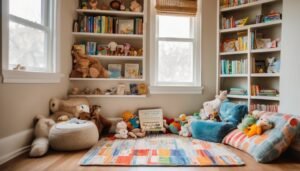
Toddlers can learn a great deal at home through simple, guided activities. Sensory play, early counting, and short stories all support development in practical ways. Crafts can strengthen hand control, while daily routines offer easy chances to build language and awareness. The most effective activities often use items already in the house, and a few small changes can make ordinary moments more meaningful than they first appear.
Key Takeaways
- Use sensory play like rice, water, fabric, and blocks to help toddlers explore texture, shape, and weight.
- Build language with naming games, picture books, storytelling, and songs with gestures during play.
- Introduce early counting with toys, snacks, stairs, and simple number songs repeated daily.
- Try easy crafts such as finger painting, tearing paper, stickers, nature collages, and play dough shapes.
- Turn daily routines like meals, dressing, and cleanup into learning moments with words, choices, and praise.
Easy Toddler Learning Activities at Home
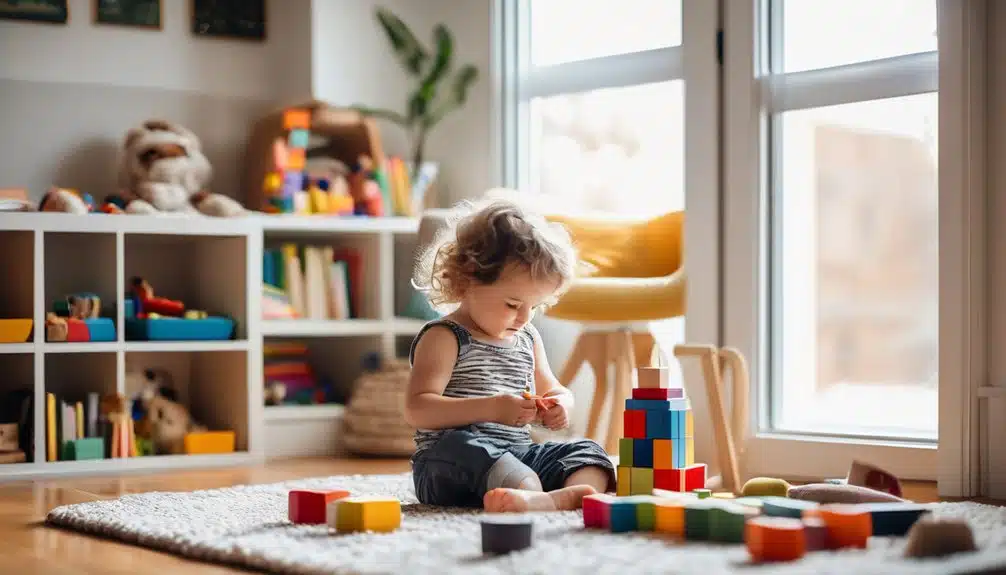
Sensory exploration can be woven into play with safe items such as rice, water, soft fabric, or smooth blocks, helping little hands notice texture, weight, and shape. Musical games add another gentle layer, whether through clapping patterns, shakers, or songs with simple movements.
Short, repeated activities work best, because toddlers learn through doing, touching, listening, and trying again. With warm guidance, home becomes a steady place where curiosity is welcomed and growth feels natural.
Build Language Skills With Play
Play gives toddlers rich chances to build language skills in natural, meaningful ways. During play, an adult can name objects, describe actions, and pause for simple responses, helping words feel warm and useful.
Word games such as “find the ball” or “where is the bear?” invite listening and speaking without pressure. Storytelling sessions with picture books or toys support imagination while strengthening vocabulary building through repeated, gentle phrases.
Interactive songs add rhythm, memory, and clear pronunciation, especially when gestures accompany familiar lines. Short conversations during pretend play also matter, since they show how language connects feelings, needs, and ideas.
With patient repetition and cheerful attention, these playful moments help toddlers grow confident in early communication while feeling closely understood.
Try Toddler Counting Activities
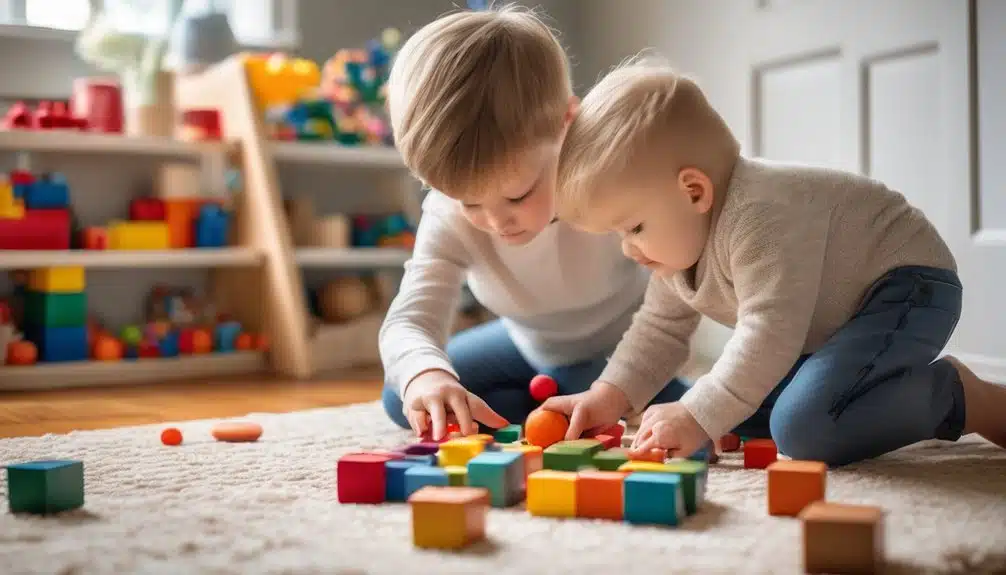
Counting activities can introduce toddlers to early math in simple, hands-on ways. A caregiver can count toys, stairs, or snack pieces while pointing to each item slowly. Repetition helps toddlers connect numbers with real objects and build confidence.
Simple number games, such as matching cards or finding the same number of blocks, keep learning gentle and engaging. Counting songs also support memory because rhythm makes numbers easier to remember.
Short daily moments work well: counting fingers during a song, steps while walking, or berries at snack time. Praise should remain warm and specific, helping the child feel capable.
With patient practice, these activities become familiar, comforting routines that strengthen number awareness and support early learning at home.
Spark Creativity With Simple Crafts
Simple crafts give toddlers another hands-on way to learn while building fine motor skills and confidence. With a few safe materials, an adult can invite gentle exploration that feels playful and warm.
| Craft | Learning focus |
|---|---|
| Paper tearing | Hand strength |
| Finger painting | Sensory play |
| Sticker scenes | Choice making |
| Nature collages | Nature exploration |
| Play dough shapes | Creativity |
These activities work best when the adult keeps steps short and expectations soft, allowing the child to touch, choose, and create at a comfortable pace. Simple crafting also supports early problem solving as toddlers notice colors, textures, and shapes. A calm, encouraging presence helps the experience feel intimate and secure, making creativity something the child wants to return to often at home.
Turn Daily Routines Into Learning Moments
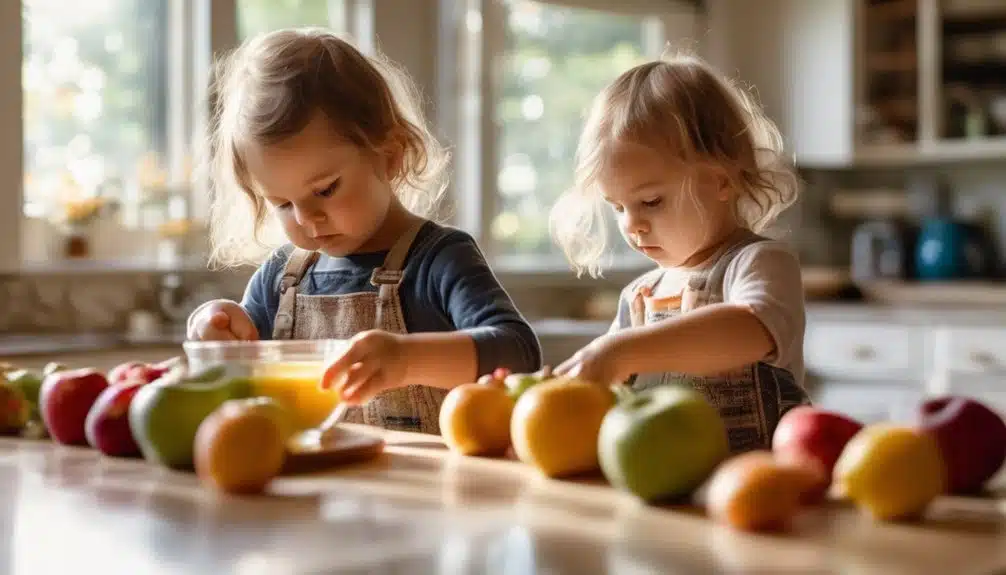
Daily routines can become rich learning moments when an adult names what is happening, slows the pace, and invites the toddler to notice, listen, and help.
During meals, dressing, and cleanup, the child learns words, sequencing, and small motor skills through gentle repetition. A warm tone makes these moments feel secure and close, while simple choices build confidence.
Sensory exploration appears naturally in washing hands, feeling a spoon, or sorting laundry textures. Role play can also deepen understanding when the toddler pretends to stir, tuck in a toy, or feed a doll.
- Name each step clearly.
- Offer one small choice.
- Praise effort, not perfection.
Frequently Asked Questions
How Much Daily Screen Time Is Appropriate for Toddlers?
Toddlers generally should have no more than one hour of screen time daily, with high-quality content and shared viewing preferred. Balanced play, sleep, and interaction support developmental milestones while keeping routines nurturing and practical.
What Toys Best Support Toddler Sensory Development?
Tactile toys, textured books, and sound puzzles nurture sensory growth; soft and rough, quiet and lively. Sensory bins, water play, and nature exploration add practical, intimate learning, helping toddlers compare, touch, listen, and discover.
How Can I Encourage Toddler Independence Safely?
Toddler independence can be encouraged safely by offering toddler chores, supervised choices, and safe exploration. Small tasks, clear boundaries, and patient guidance help a child build confidence, competence, and closeness while learning.
When Should I Worry About My Toddler’s Speech Development?
Concern is warranted if speech milestones lag noticeably, words are scarce by age two, or understanding seems limited. Gentle communication games can help, but a pediatrician should assess hearing, development, and any persistent delays.
What Are the Best Indoor Activities for Rainy Days?
Indoor rainy days work best with active, simple play: indoor scavenger hunt, DIY sensory bins, building forts, and story time. These activities support curiosity, comfort, and connection while keeping toddlers engaged, calm, and learning.
Conclusion
Overall, the best learning activities for toddlers at home are simple, playful, and repeated often. Language games, counting with everyday objects, and easy crafts help children build skills while staying engaged. One helpful statistic is that children can hear thousands of words during routine interactions each day, showing how powerful ordinary conversations can be. By turning daily moments into learning opportunities, caregivers can support early development in a calm, practical, and nurturing way.