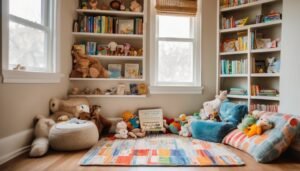
Organizing a home with toddlers begins with simple systems that match their size and abilities. Low hooks, labeled bins, and clear snack stations can reduce daily stress while building early independence. Safety also matters, since curious hands reach fast and often. A few thoughtful changes can make the home easier to manage, but the most effective ones usually depend on one overlooked habit.
Key Takeaways
- Create toddler-friendly entryway zones with low hooks, shoe baskets, and simple labels for easy independence.
- Set up clear toy storage areas with open bins, low shelves, and picture labels to simplify cleanup.
- Organize clothes by size and season in labeled bins to make dressing faster and easier.
- Simplify snacks and meal prep with accessible, preportioned, toddler-height storage for calm routines.
- Make the home safer by securing furniture, hiding hazards, and adding gates, guards, and non-slip mats.
Create a Toddler-Friendly Entryway
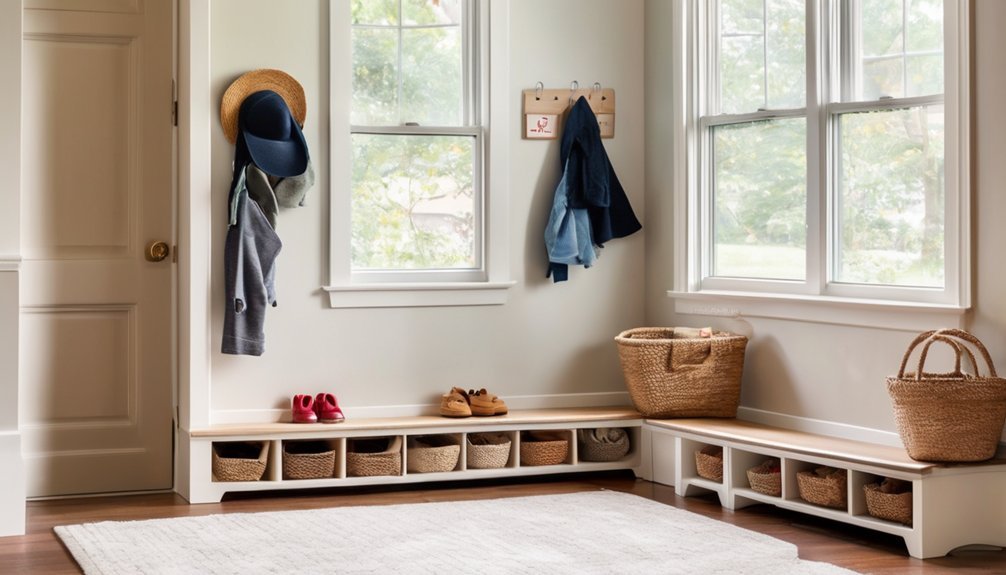
A toddler-friendly entryway can make daily transitions smoother by giving little ones a clear, simple place to arrive, leave, and store their things.
Low toddler coat hooks help a child hang up jackets with growing independence, while a shoe basket keeps footwear contained and easy to find.
A small bench or mat can mark the spot where shoes come off, supporting routines without overwhelming a young child.
Labels with pictures may guide choices before words are fully mastered.
Soft, reachable storage encourages success and reduces frustration, especially when an adult is nearby to model the steps calmly.
When the space stays uncluttered and predictable, toddlers learn that coming and going can feel safe, orderly, and reassuring.
Set Up Toy Storage Zones
Creating toy storage zones helps toddlers understand where different kinds of play belong and makes cleanup less overwhelming. A low shelf can hold blocks, another basket can keep art supplies, and a soft bin can gather plush toys.
Labeling bins with words and pictures supports early reading and helps little hands place items with confidence. Clear zones also make toy rotation easier, since only a few options need to be available at once, keeping play fresh without crowding the room.
Open containers work best because they invite independent use and reduce frustration. When each category has a calm, consistent home, toddlers learn order through repetition, and caregivers gain a simpler rhythm for daily tidying, shared play, and gentle guidance throughout the day.
Organize Toddler Clothes by Size
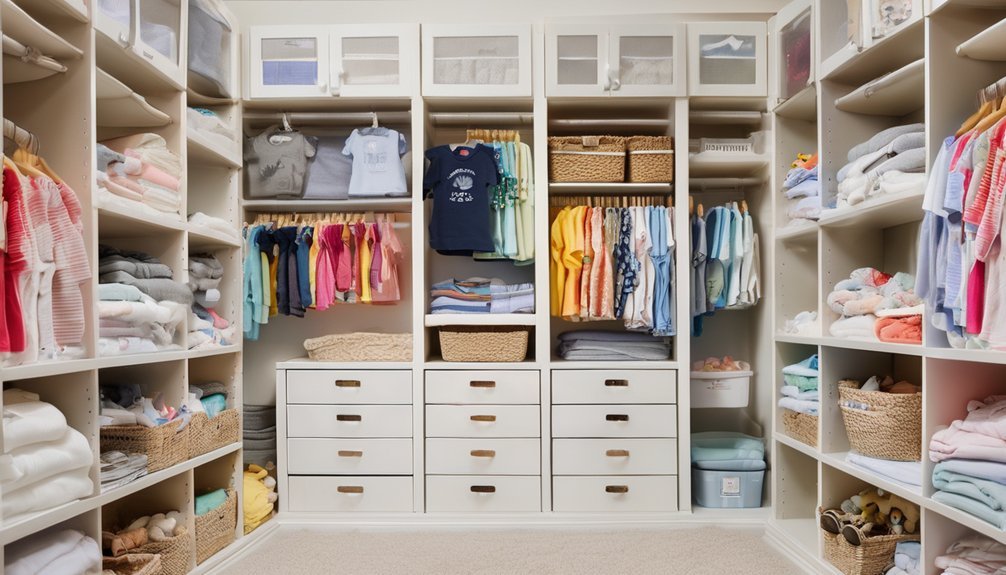
Just as toy storage zones give each play item a clear place, organizing toddler clothes by size helps families keep dressing routines simple and predictable.
A detached but caring approach begins with sorting garments into labeled toddler clothing bins for each size, from current wear to the next size up. This makes it easier to see what fits now and what can wait.
A seasonal wardrobe rotation can then move outgrown items aside and bring forward weather-appropriate pieces when needed. Clear labels, folded stacks, and a single spot for backups reduce daily confusion.
This system supports growing bodies, saves time, and helps caregivers respond calmly to frequent changes with warmth and confidence.
Simplify Snacks and Meal Prep
When snacks and meals are set up with simple, repeatable systems, toddlers can eat more smoothly and caregivers spend less time scrambling. A small snack station can hold a few healthy choices at toddler height, helping children practice independence with guidance.
Meal kits, prepared in advance, make busy hours feel gentler and more predictable for the whole home.
- Offer two or three rotating snacks.
- Preportion fruit, crackers, or cheese.
- Store meal kits in clear containers.
- Keep utensils and bibs nearby.
This approach supports early decision-making, reduces overwhelm, and invites calm routines. With fewer choices and easy access, little ones can learn what comes next while caregivers protect energy for connection, not constant preparation.
Build a Daily Reset Routine
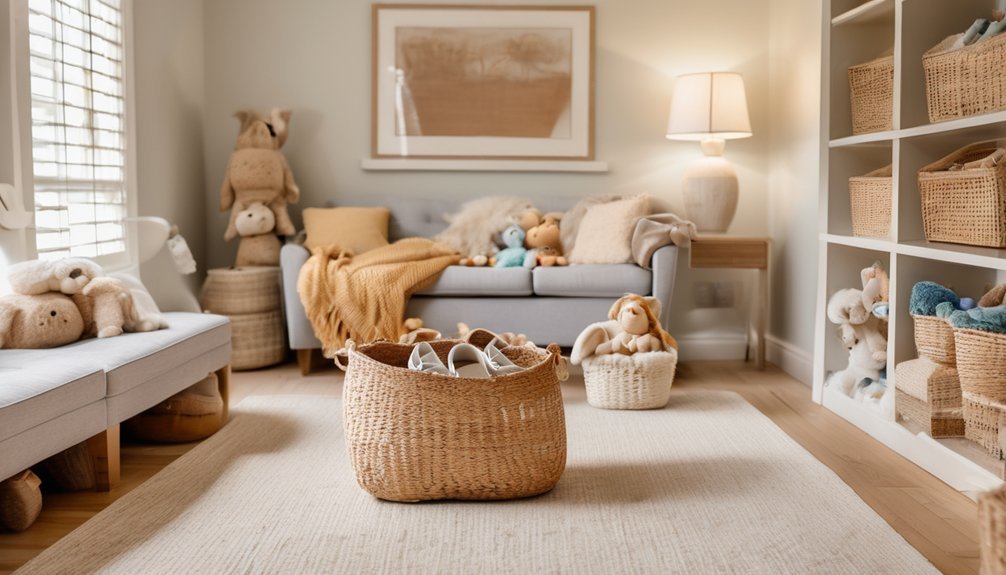
A brief daily reset can help a home with toddlers feel steadier and easier to manage. A simple routine at the same time each day teaches rhythm, supports growing attention, and reduces overload for both adults and children.
| Step | Example | Benefit |
|---|---|---|
| Gather | Toys, cups, laundry | Clears surfaces |
| Tidy | Bins, baskets, shelves | Helps children see places |
| Prepare | Clothes, snacks, daily checklists | Eases the next morning |
This reset works best when it is brief, predictable, and shared. Toddlers respond well to songs, picture cues, and small reward systems that celebrate effort. Gentle consistency matters more than perfection, and a few calm minutes can create a more intimate, organized home.
Make Your Home Safer for Toddlers
Making a home safer for toddlers starts with noticing hazards at their height and in their reach. Gentle attention to each room helps caregivers create comfort without losing warmth or beauty.
The baby proofing essentials can be handled step by step, so the process feels manageable and reassuring.
- Secure cabinets, cords, and outlets.
- Anchor safe furniture to walls to prevent tipping.
- Store cleaners, medicines, and sharp tools out of reach.
- Add gates, corner guards, and non-slip mats where needed.
These changes support curiosity while protecting small bodies still learning limits. A safer space also invites calmer routines, because adults can trust the environment more fully.
Over time, careful organization becomes an act of steady care and quiet affection.
Frequently Asked Questions
How Do I Organize Paperwork and Medical Records for Toddlers?
A paperwork binder can keep medical records organized by child, with labeled sections for immunizations, prescriptions, emergency contacts, and visit summaries. This simple system supports calm, easy access, and reassuring care.
What’s the Best Way to Store Seasonal Baby Gear?
The best way is seasonal storage in clear, labeled bins, like little houses waiting their turn. Gear rotation stays simple when out-of-season items are elevated, cleaned, and documented, supporting gentle, intimate caregiving.
How Can I Create a Quiet Reading Corner for My Toddler?
A quiet reading corner can begin with a soft rug, cozy cushions, and fun books within reach. Gentle lighting, low shelves, and a small basket help toddlers feel safe, independent, and warmly invited to explore.
How Do I Manage Pet Supplies in a Toddler-Friendly Home?
Pet supply organization works best when items are stored high, labeled, and in sealed bins. This supports toddler safety by keeping food, leashes, and medicine out of reach while still allowing easy adult access.
What Storage Works Best for Art Supplies and Craft Materials?
Open art supply bins with labels and shallow craft cart options work best, keeping materials visible, accessible, and sorted. A developmental, supportive setup encourages independence, reduces mess, and preserves a warm, intimate home atmosphere.
Conclusion
A toddler-friendly home does more than look tidy; it helps children grow in confidence and independence. When low hooks, clear toy zones, labeled clothes bins, simple snack stations, daily resets, and safety measures work together, the whole household runs more smoothly. Isn’t it easier when every item has a place and every space supports learning? With small, consistent systems, families can create a home that feels calm, organized, and ready for everyday toddler life.