
Meaningful family time often begins with small, genuine moments that are easy to overlook. A brief check-in, a shared meal, or a simple game can do more than a packed schedule ever could. Families do not need perfect plans to feel closer. They need routines that invite conversation, attention, and a little consistency. The most effective ideas are often the simplest, and a few of them can change what evenings feel like.
Key Takeaways
- Start with small, genuine daily moments, because brief check-ins and consistent presence build trust and connection.
- Make meals meaningful by cooking together, sharing gratitude, and using simple conversation starters at the table.
- Create repeatable traditions like game nights or storytelling that give family time a familiar, lasting shape.
- Keep family time screen-free so everyone can be fully present and open to deeper interaction.
- Choose shared activities like walks, crafts, or cooking challenges that naturally encourage conversation and laughter.
Start With Small, Genuine Moments
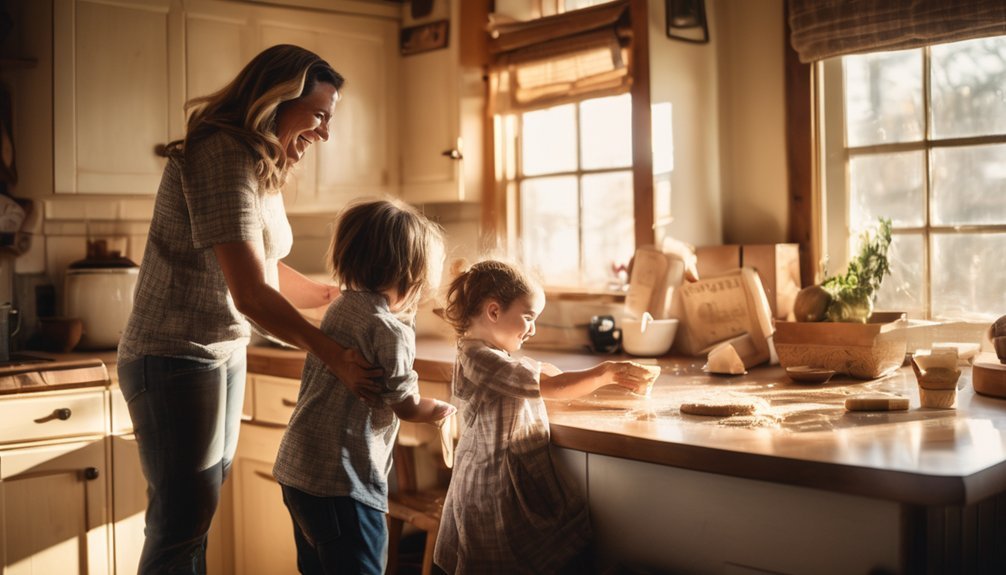
Family time often begins not with grand plans, but with small, genuine moments that fit naturally into everyday life. A parent may pause to ask a child how the day felt, while a sibling offers a quiet smile or a shared laugh.
These brief exchanges, though simple, can carry warmth and trust. Heartfelt check-ins help each person feel noticed without pressure to perform. Playful storytelling can soften tense routines, inviting everyone into a relaxed exchange that feels personal and safe.
When attention is given consistently, even for a few minutes, connection grows steadily. The value lies not in length, but in presence. A family that notices these moments often finds closeness becoming easier, gentler, and more natural.
Make Family Meals More Meaningful
Even a simple meal can become a meaningful part of family time when it is approached with intention. Shared meal prep can ease stress and invite everyone into the moment, even if each person handles a small task.
During dinner, gentle conversation starters can help children and adults feel seen without pressure. A gratitude practice at the table can deepen warmth by giving each person a brief chance to name something appreciated.
Cooking together also creates quiet closeness, especially when hands are busy and words come naturally. Recipe sharing can make familiar dishes feel personal, while themed dinners add a playful touch without demanding much effort.
When meals are treated as a place for presence, they become a daily chance for connection, comfort, and tenderness.
Build Traditions Your Family Will Repeat

Repetition gives family time a shape that children and adults can recognize and look forward to. Simple traditions become anchors: family storytelling after dinner, game nights on Fridays, or holiday rituals that return each year with familiar warmth.
These moments do not need to be elaborate to matter. What matters is that they are chosen with care and repeated with intention. Through culture sharing, families pass along values, humor, and small customs that make belonging feel natural.
Memory crafting grows when a favorite meal, a walk, or adventure planning before school breaks becomes part of the family rhythm. Over time, repetition turns ordinary evenings into shared history, and shared history into closeness.
The result is a home where love feels practiced, steady, and deeply known.
Keep Family Time Screen-Free
When screens are set aside, family time has more room to breathe. A gentle rule of no phones or tablets can help everyone feel fully present, especially during board game nights, storytelling sessions, and cooking together.
Simple plans often work best: outdoor adventures, nature walks, and craft projects give hands and hearts something shared to do. Even volunteer activities or a family book club can become calmer, warmer experiences without constant alerts pulling attention away.
The aim is not perfection, but a thoughtful rhythm that protects closeness. When children and adults know this time is undisturbed, they often relax more deeply, listen more kindly, and notice one another with greater tenderness.
Choose Activities That Spark Conversation

Once screens are set aside, the next step is choosing activities that naturally invite people to talk. Game nights can loosen tension with shared laughter, while storytelling sessions give each person room to be heard.
Nature walks often encourage quiet reflection that leads to honest conversation. Art projects and cooking challenges create a gentle focus, making it easier for family members to chat side by side.
Book discussions and music sharing can reveal tastes, values, and memories that might otherwise stay hidden. Memory sharing, especially, helps younger and older relatives feel connected across generations.
The most meaningful choices are simple, welcoming, and suited to the family’s comfort level. When activities feel safe and engaging, conversation becomes less forced and more intimate.
Make Family Time a Weekly Habit
A weekly family time slot gives busy households something dependable to protect, even if the meeting itself is brief. When it appears on the calendar, it becomes easier to guard against overload and easier for everyone to anticipate connection.
Rotating simple options keeps the habit fresh: game night, nature walks, art projects, volunteer together, story sharing, themed dinners, puzzle challenges, and music sessions. Each week does not need grandeur; it only needs consistency and care.
Small rituals help children and adults feel seen, and repeated contact deepens trust over time. Even during stressful seasons, holding the habit gently can preserve closeness.
The goal is not perfection, but a steady promise that family remains important and available.
Frequently Asked Questions
How Can Busy Parents Find Time for Family Bonding?
Busy parents can find time by protecting quality routines and arranging scheduled check ins, even in short daily moments. Small, consistent rituals create warmth, reassurance, and closeness, helping families feel connected despite demanding schedules.
What if Family Members Have Very Different Interests?
Even when interests diverge, a family can become a woven tapestry: shared hobbies and compromise activities create bridges. He or she may rotate choices, honoring each voice, so closeness grows through mutual respect and gentle curiosity.
How Do You Include Teenagers Who Resist Family Activities?
Teenagers often engage more when invited into planning and given choice. Gentle teen engagement improves buy-in. Creative compromises—short outings, rotating activities, shared meals—can honor independence while still nurturing closeness and warmth.
What Low-Cost Ideas Make Family Time More Enjoyable?
Low-cost enjoyment often comes from game nights, outdoor adventures, cooking together, DIY projects, movie marathons, reading clubs, art sessions, and community service, which gently build closeness, spark laughter, and create shared memories.
How Can Families Stay Connected When Living Apart?
Even distant lanterns can share one hearth. Families stay connected through virtual gatherings, shared hobbies, regular messages, and scheduled calls. These small rituals preserve warmth, reduce loneliness, and nurture intimacy despite miles separating them.
Conclusion
Meaningful family time often begins in quiet, ordinary moments—a warm check-in at the table, laughter over shared chores, or a walk beneath fading evening light. With simple meals, repeated traditions, and screen-free space, a home can feel more connected and alive. When conversation flows through games, art, or nature, generations meet more fully. Practiced each week, these small rituals can turn everyday hours into lasting memories.