
Dinner time with kids can feel rushed, noisy, and unpredictable. A calmer routine, a little advance prep, and a few simple table-time distractions can change the mood fast. Gentle rules and a relaxed approach to picky eating help, too. Small shifts often make the biggest difference, especially when the goal is less stress and more connection. The next steps show how those changes can work in a real home.
Key Takeaways
- Create a calm, tech-free dinner routine with gentle conversation and a brief gratitude practice.
- Prep dinner earlier in the day to reduce stress and make the evening transition smoother.
- Keep kids engaged with table games, placemats, stories, or simple tasks during dinner.
- Handle picky eating calmly by offering small portions, familiar sides, and low-pressure taste tests.
- Set simple table rules, like kind voices, staying seated, and asking before leaving the table.
Set a Calm Dinner Routine
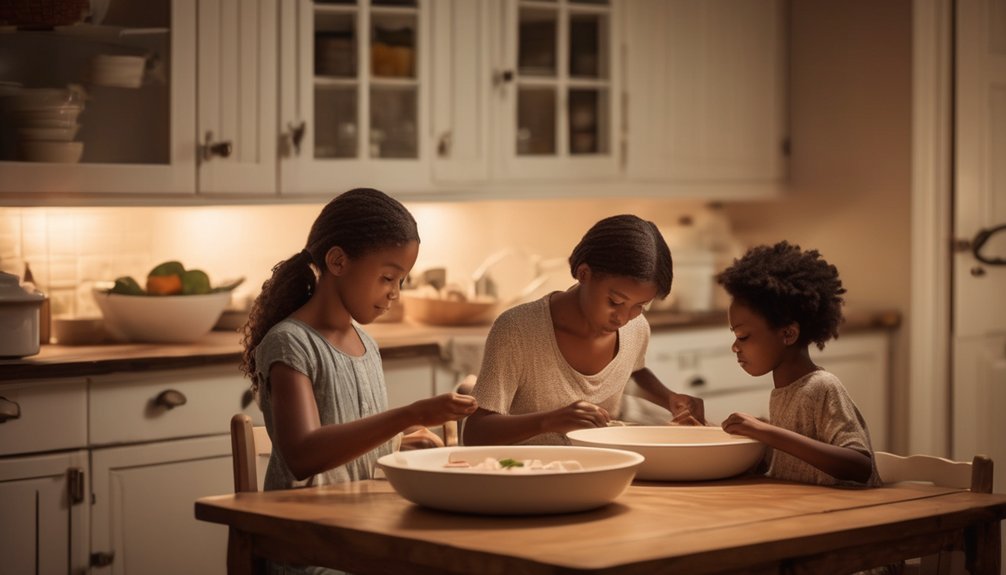
A calm dinner routine can help children feel more secure and make mealtimes easier for everyone. A few steady habits signal that it is time to slow down: tech free time, a brief gratitude practice, and gentle family conversations.
This rhythm supports mindful eating and gives the table a warmer tone. Some families add simple table games or invite children into cooking together, which can build connection before the meal begins.
Positive reinforcement works well when children try a calm voice, stay seated, or help with small tasks. Meal planning can also reduce last-minute stress, making the evening feel more settled.
With consistency, the routine becomes a comforting cue, helping children relax and feel close while dinner unfolds.
Prep Dinner in Advance
Prepping dinner in advance can ease the evening for both children and adults. Thoughtful meal planning helps a household decide on simple dishes before hunger and fatigue begin to shape the mood.
With calm ingredient selection, a parent can wash vegetables, portion proteins, or mix sauces earlier in the day. Gentle cooking techniques such as chopping, marinating, or parboiling save precious time later.
Small tasks also invite family involvement, letting children rinse produce or arrange items with fun utensils. This shared preparation supports time management and reduces pressure when dinner hour arrives.
The result is a steadier, warmer transition to the table, where everyone can feel cared for rather than rushed.
Keep Kids Busy at the Table
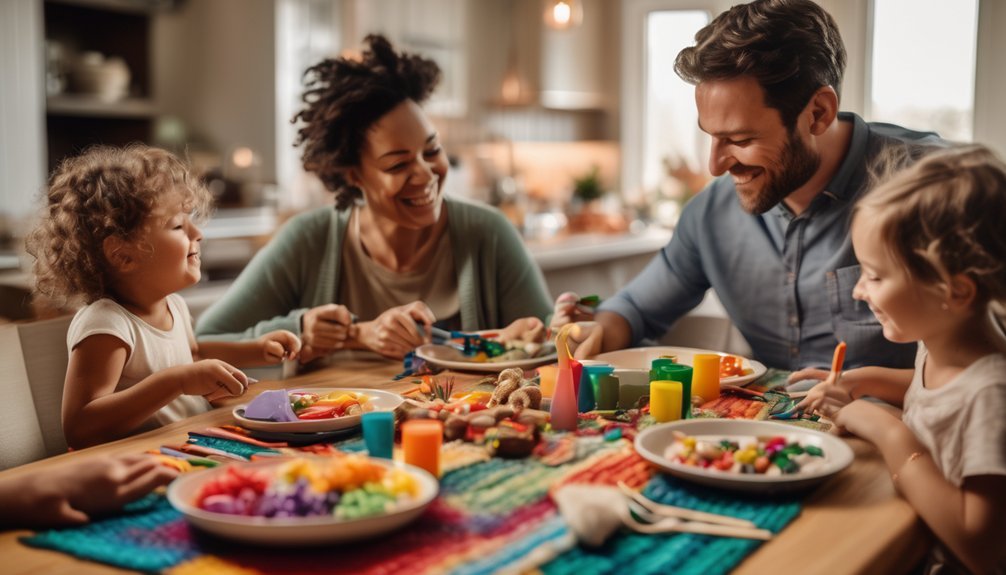
Even with dinner prepared ahead of time, many children still need something engaging to do while the meal comes together or while everyone waits to eat. A calm table can feel warmer when small pleasures are ready, helping children settle without feeling ignored or restless.
- Offer table games or creative placemats to invite quiet focus.
- Set out interactive crafts and fun utensils for hands that need gentle motion.
- Use conversation starters and story sharing to build connection before eating.
- Match themed dinners with soft music playlists to create a cozy rhythm.
These simple touches help the table feel welcoming and close. They give children a purpose, support patience, and let adults enjoy a more peaceful moment together.
Handle Picky Eating Calmly
Picky eating often softens when mealtime stays calm and pressure-free. A child may need many gentle exposures before a new food feels safe, so patience matters.
Small portions, creative presentations, and familiar sides can make the plate feel less intimidating. During family cooking, children often become curious about ingredients they helped prepare, which can lower resistance at dinner.
Taste testing games may invite a tiny bite without drama, letting the child explore texture and flavor at a comfortable pace. Positive reinforcement works best when it is warm and specific, such as noticing brave trying rather than expecting a clean plate.
When adults stay steady and kind, children usually sense safety, and dinner becomes more inviting for everyone.
Set Simple Dinner Rules
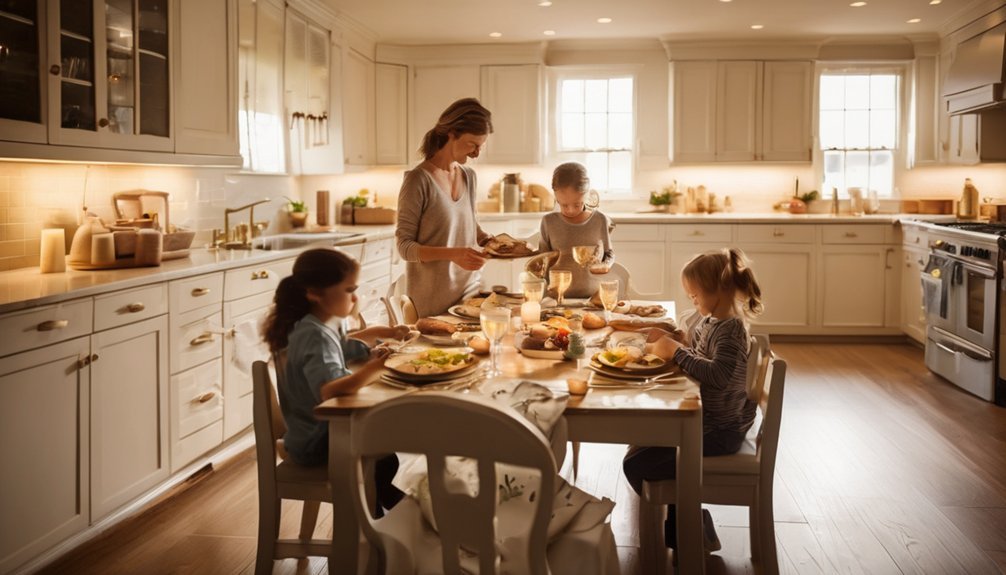
Simple dinner rules can make mealtime feel steadier and less stressful for children. A few gentle expectations help everyone know what to do without feeling controlled. Clear dinner etiquette gives the table a calm rhythm, while simple meal participation keeps children included and valued.
- Sit together until the meal ends.
- Use kind words and a quiet voice.
- Ask before leaving the table.
- Help with one small task, like passing napkins.
These rules work best when they are stated warmly and repeated with patience. Children often respond well when adults are consistent, reassuring, and respectful.
The goal is not perfection; it is a peaceful shared moment where each person feels noticed, safe, and part of the family table.
Build Better Family Dinner Habits
Building better family dinner habits starts with small routines that are easy to repeat. A calm table, shared cleanup, and a set dinner window can help children feel secure and included. These family meal traditions become easier when adults keep expectations gentle and consistent.
| Habit | Benefit | Example |
|---|---|---|
| cooking together | Builds connection | Stir sauce or set plates |
| engaging conversation starters | Eases tension | “Best part of your day?” |
| food education | Grows confidence | Name colors, textures, origins |
When a child helps prepare a meal, pride often replaces resistance. Short, warm rituals make dinner feel less like a chore and more like a trusted moment together. Over time, the table can become a place where closeness, patience, and curiosity quietly grow.
Frequently Asked Questions
What Are Some Quick Dinner Games for Kids?
Dinner games for kids can be simple: dinner bingo, food trivia, “guess the ingredient,” and “pass the question” keep tables lively. These quick activities help children feel included, easing tension and encouraging warm family connection.
How Can I Include Toddlers in Cooking Dinner?
Toddlers can help, slowly: give simple toddler tasks like washing produce, stirring cold ingredients, or tearing lettuce. With cooking safety close at hand, each small role builds confidence, and dinner becomes shared, tender anticipation.
What Are Good Kid-Friendly Dinner Table Decorations?
Kid-friendly dinner table decorations often include colorful centerpieces, themed placemats, fun utensils, and personalized napkins. Such touches can feel inviting, ease mealtime nerves, and help children feel warmly included and special.
How Do I Handle Siblings Arguing During Dinner?
At dinner, a medieval peacemaker might pause the quarrel; then use conflict resolution and sibling communication, calmly separating voices, naming feelings, and inviting turns speaking. Gentle limits, patience, and reassurance help siblings feel close again.
What Snacks Are Best Before Family Dinner?
Healthy snack options like fruit, yogurt, and cheese work well before family dinner. Fun finger foods, quick prep ideas, and tasty dips—such as hummus or salsa—offer satisfying, intimate bites that keep everyone calm and comfortable.
Conclusion
In the end, better dinners with kids come from small, steady choices. A calm routine, advance prep, and simple table activities can turn chaos into connection. When picky eating is met with patience instead of pressure, children feel safer and more willing to try. Clear rules and regular family habits help everyone know what to expect. With a little patience, even dinner can feel like a modern hearth, warm, welcoming, and shared.