
Planning a family vacation with small kids takes more than picking a spot on the map. The best trips start with safe destinations, realistic budgets, and stays that make daily routines easier, not harder. Packing, timing, and flexible plans all matter more than fancy extras. A few smart choices can keep the trip calm and enjoyable, but one detail often makes the biggest difference.
Key Takeaways
- Choose a kid-friendly destination with safe neighborhoods, short travel times, and family attractions like parks or interactive museums.
- Set a realistic budget and travel dates that fit school breaks, work schedules, and your children’s nap routines.
- Book family-friendly lodging and transportation early, prioritizing central locations, cribs, suites, and flexible cancellation policies.
- Pack smart with an organized checklist, including snacks, wipes, extra clothes, comfort items, and easy-access bags for each child.
- Build a flexible itinerary with one main activity per day, nearby backup options, and plenty of downtime for rest.
Choose a Kid-Friendly Family Vacation Destination

Choosing a kid-friendly family vacation destination starts with finding a place that balances fun, comfort, and convenience for all ages. A thoughtful choice offers easy transportation, safe neighborhoods, and accommodations that help small children rest well.
Places with gentle weather, short travel times, and nearby medical services can reduce stress and support smoother days. It also helps when the area has engaging family attractions, such as parks, aquariums, or interactive museums, so children stay entertained without long outings.
Parents often feel more at ease when local cuisine includes simple, familiar options alongside new tastes. A destination that blends comfort with discovery can create warm shared memories while keeping daily routines manageable for everyone involved.
Set Your Family Vacation Budget and Dates
A clear budget and a realistic travel window can turn vacation planning from stressful to manageable. A family can begin by listing expected expenses, then adding a small cushion for surprises.
Practical budgeting tips include setting spending limits for meals, activities, and extras, so every choice feels intentional. For date selection, parents often do best by comparing school breaks, work schedules, and the child’s usual nap patterns. When the dates fit the family’s rhythm, the trip feels gentler and more enjoyable.
- Choose a spending ceiling before booking anything.
- Pick dates that reduce rushed mornings and tired afternoons.
- Leave room for simple treats that make little travelers feel cared for.
Book Family-Friendly Lodging and Transportation
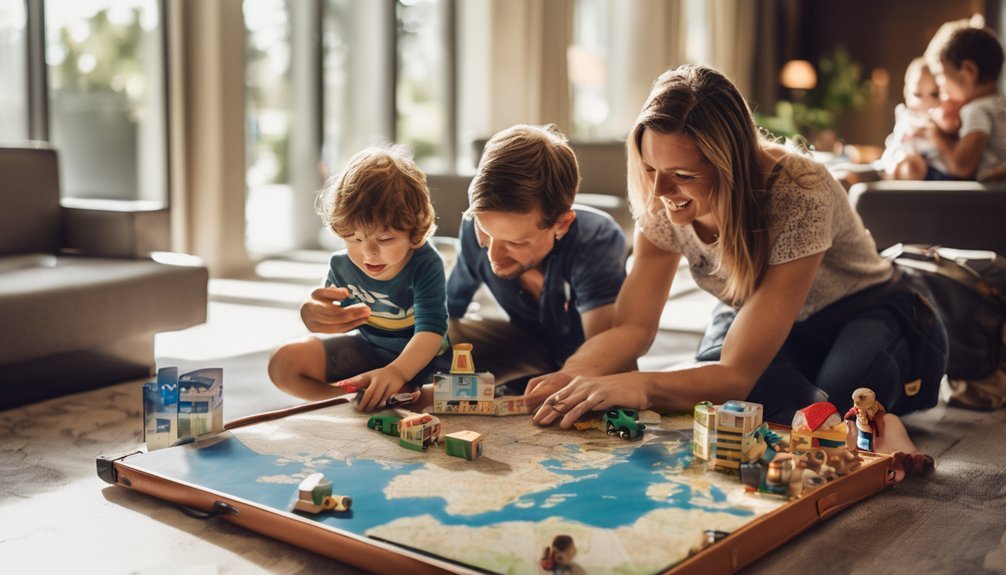
Secure lodging and transportation early so the trip stays comfortable from start to finish. Families benefit from choosing kid friendly hotels that offer cribs, suites, laundry access, and quiet spaces for naps.
A central location can reduce travel strain and make meals or attractions easier to reach. It also helps to compare transportation options before confirming plans. Some families prefer rental cars for flexibility, while others value trains, shuttles, or direct transfers for less stress.
Reliable timing matters when young children need predictability. Clear cancellation policies and family reviews can also guide the choice.
When accommodations and travel are arranged with care, parents can relax more, and children often settle into the journey with greater ease and comfort.
Pack Smart for a Family Vacation With Small Kids
Packing smart for a family vacation with small kids starts with a simple, organized checklist that covers the essentials without overpacking. Good packing strategies focus on comfort, convenience, and quick access to travel essentials that soothe little ones and ease parents’ stress.
A soft bag for each child can hold familiar items, while shared items stay in one easy-to-reach place.
- Extra clothes, snacks, and wipes
- Comfort items like a blanket or favorite toy
- Medicines, documents, and chargers
Keeping luggage light helps a family feel more settled, especially when small hands need frequent help.
Clear pouches and labeled compartments make finding things gentle and simple. With thoughtful preparation, the family can travel with more calm, more confidence, and more room for shared moments together.
Build a Flexible Family Vacation Itinerary
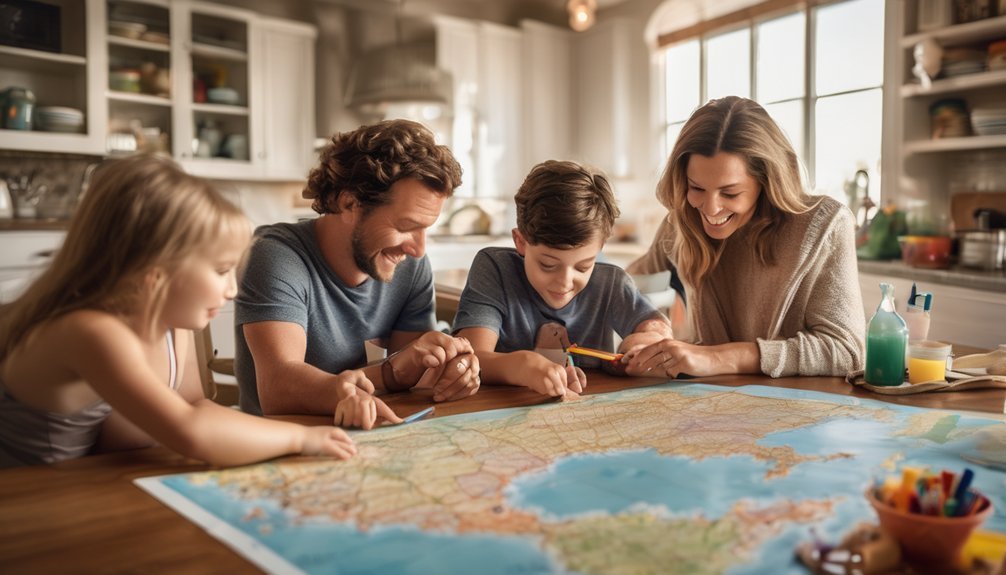
A flexible family vacation itinerary gives the trip structure without making every hour feel fixed. It helps parents choose a few anchors each day, then leave space for changing moods, weather, and energy.
When planning, they can pair one main outing with simple activity options nearby, so the day still feels full if plans shift. Short travel times between stops reduce stress and keep the pace gentle.
A good downtime balance matters too, because small kids often need quiet breaks to reset. Families may find it easier to enjoy the trip when they expect less perfection and more room for choice.
This approach supports connection, keeps expectations realistic, and lets memorable moments unfold naturally.
Keep Kids Calm and Routines Familiar
Keeping kids calm on vacation often starts with preserving familiar routines wherever possible. A steady morning wake-up, a favorite bedtime story, and regular meal times can make new places feel safe. Parents may help by packing familiar snacks and a small comfort item from home. Short breaks also matter, especially after busy outings.
- Offer calming activities like coloring, puzzles, or quiet music during transitions.
- Keep naps and rest periods close to the child’s usual schedule.
- Recreate simple home habits, such as brushing teeth before bed in the same order.
When children know what to expect, they often settle more easily and enjoy the trip with fewer tears. That gentle consistency can make the entire family vacation feel warmer, smoother, and more connected.
Frequently Asked Questions
How Do I Handle Motion Sickness on Long Trips With Kids?
Motion sickness can be eased with motion sickness remedies like ginger, water, and rest breaks. Travel comfort tips include fresh air, steady snacks, and looking ahead. Gentle reassurance helps children feel safe and cared for.
What Travel Documents Do Toddlers Need for Domestic Flights?
Toddlers on domestic flights usually need no passport, but airlines may request toddler identification, such as a birth certificate or medical record. Flight requirements vary, so caregivers should confirm policies early for a smooth, reassuring trip.
How Can I Find Emergency Pediatric Care Near Our Destination?
Search before traveling for nearby pediatric facilities and urgent care, then save addresses, phone numbers, and hours. A hotel concierge, local hospital website, or maps app can confirm after-hours options, giving families reassuring backup nearby.
What Are the Best Ways to Keep Kids Entertained During Delays?
Travel delays are easier when children have travel games, snack ideas, and a small surprise pouch. A detached observer notes that coloring books, audiobooks, stickers, and gentle routines keep spirits calm, close, and content.
How Do I Teach Kids Vacation Safety Rules Before Leaving?
Explain vacation safety with simple, repeated rules before departure—how ironic that children remember warnings best when they sound like a game. Role-play boundaries, emergency contacts, and meeting spots; gentle rule reinforcement builds calm confidence.
Conclusion
In the end, planning a family vacation with small kids is less about perfection than about expecting a little chaos in a very organized way. A good destination, sensible budget, family-friendly lodging, smart packing, and a flexible itinerary can make the trip smoother. The irony is that the most memorable family moments often come from the least predictable ones. With a few routines preserved, parents can relax, and children can enjoy the adventure.