
Dining out with young children can feel easier with a little planning. Parents often find that choosing the right time, packing a few essentials, and setting simple expectations can turn a meal out into a smoother experience. Small choices may prevent big problems before they start, especially when hungry kids, long waits, and busy rooms come into play. The next steps show how to make the outing more manageable for everyone.
Key Takeaways
- Visit restaurants during off-peak hours when children are rested and fed for a calmer experience.
- Pack essentials like wipes, bibs, tissues, a spare spoon, and a favorite toy for comfort.
- Order simple, familiar meals, and ask for sauces on the side or smaller portions.
- Keep kids busy with coloring, small toys, games, or gentle storytelling while waiting.
- Give a warning before leaving, thank the staff, and praise good behavior to end positively.
Choose the Best Time to Take Kids to a Restaurant
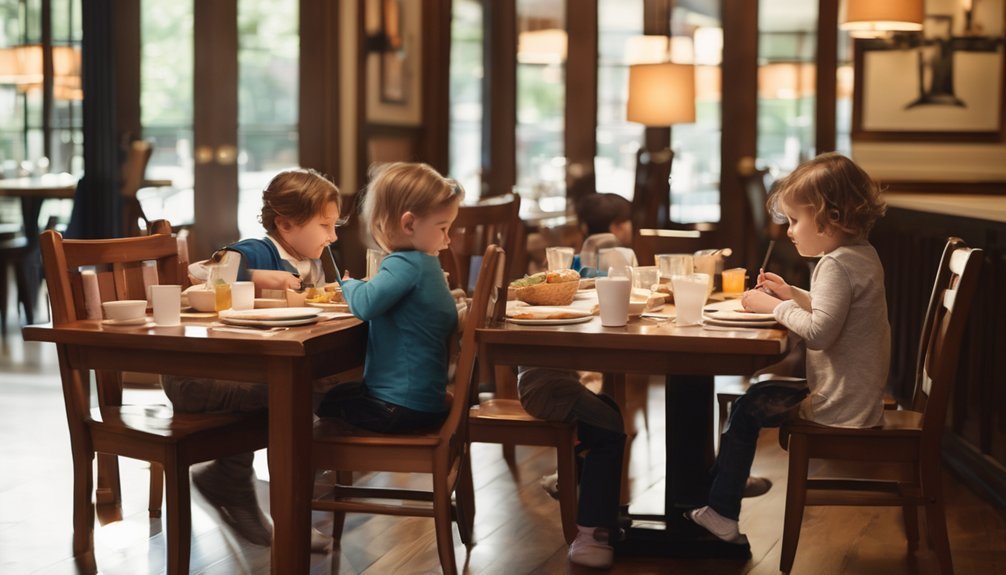
The best time to take kids to a restaurant is usually when they are well-rested, fed, and least likely to feel overwhelmed, such as earlier in the day or during off-peak hours.
A family friendly setting often feels calmer then, with shorter waits and quieter tables that help little ones settle in more easily. Parents may find that choosing these times reduces stress for everyone and makes the outing feel warm rather than rushed.
When peak hours are avoided, staff can usually offer steadier attention, and children are less likely to become restless from noise or delay.
This gentle timing can turn a simple meal into a pleasant shared moment, helping families enjoy each other’s company with more ease and comfort.
Pack the Restaurant Essentials for Kids
A small, well-packed bag can make a restaurant visit much smoother for families. Parents often feel calmer when they bring a few familiar items that help children stay settled and content.
A compact kit might include wipes, a bib, a spare spoon, and a favorite small toy. Gentle snack alternatives, such as crackers or fruit pouches, can bridge the wait without causing mess or worry.
Travel games, like sticker pads or tiny puzzles, offer quiet engagement while everyone settles in. It also helps to keep tissues and a cleanup cloth close by for quick touch-ups.
When essentials are easy to reach, the whole outing feels less stressful and more caring, allowing parents to focus on connection, comfort, and a relaxed shared meal.
Order Kid-Friendly Meals Without the Guesswork
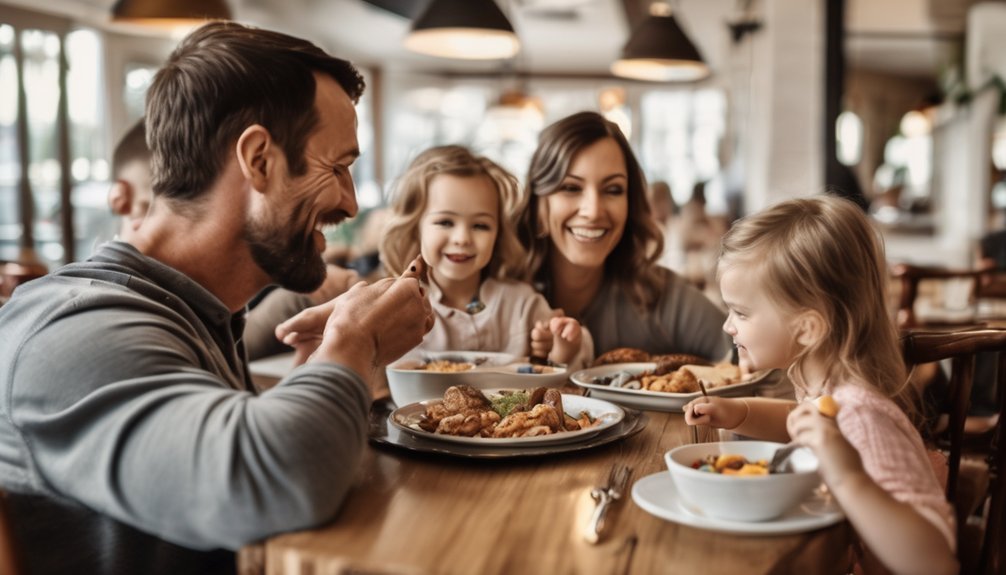
When possible, parents make restaurant ordering easier by choosing simple, familiar meals that match a child’s tastes and appetite. A plain pasta, grilled chicken, or rice dish often works better than a crowded plate with unfamiliar extras.
Reviewing menu variations helps them ask for sauces on the side, smaller portions, or mild seasoning without fuss. Clear communication also matters for allergy considerations, since a calm mention of ingredients can prevent stress and protect a child’s comfort.
Parents may find it useful to choose dishes that can be shared, since this reduces waste and supports picky appetites. When the order feels predictable, the meal starts smoothly, and the family can relax into the moment together.
Keep Kids Busy While They Wait
Once the order is placed, parents can make the waiting time easier by preparing a few simple distractions before hunger and restlessness set in. Coloring activities, a tiny notebook, or a few crayons can invite calm focus at the table.
Small toys tucked in a bag may offer comfort, while interactive games like spotting colors, counting forks, or naming shapes keep little minds engaged.
If the meal will take longer, gentle storytelling sessions can help the whole table feel close and connected. Light snack options, when appropriate, may take the edge off hunger and reduce impatience.
Quiet family discussions about the day, the menu, or favorite songs also give children something warm to share. With a little planning, the wait can feel shorter and more pleasant for everyone.
Set Simple Restaurant Behavior Rules
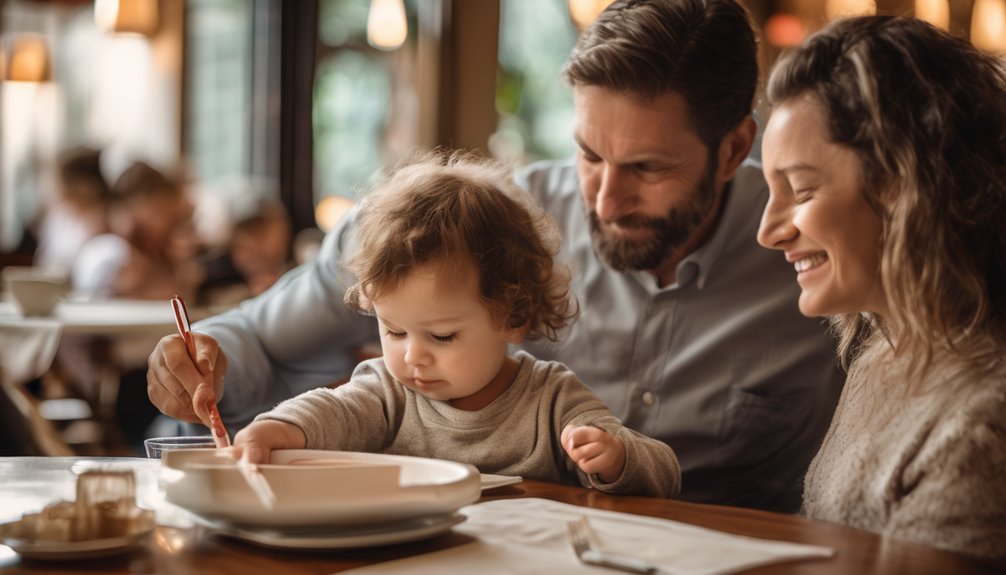
Simple restaurant rules give children clear expectations and help the meal feel calmer for everyone. Before ordering, a parent can remind little ones to stay seated, use quiet voices, and keep hands gentle with plates and cups.
Simple table manners, such as using napkins, saying please and thank you, and waiting for a turn to speak, give children a sense of belonging. The rules work best when they are short, specific, and repeated kindly. A calm reminder usually helps more than a long lecture.
When children know what is expected, they can settle into the meal with more confidence. That steady guidance helps families enjoy time together, even in a busy dining room, and it supports respect for the space around them.
Prevent Meltdowns Before They Start
A child’s best restaurant moments often start before the first sign of frustration. Caregivers can anticipate triggers by noticing hunger, tiredness, waiting, or noisy surroundings, then planning ahead with a snack, an earlier visit, or a calmer table.
A small bag of crayons, books, or quiet toys can distract effectively while food arrives. Simple choices also help children feel secure, such as picking between two menu items or a drink. Keeping expectations brief and cheerful gives little ones room to succeed without pressure.
When adults stay attentive to shifting moods, they can guide the moment gently before upset grows. With steady preparation, families often enjoy a smoother meal and a warmer shared experience.
Leave the Restaurant on a Positive Note
Ending the meal calmly can shape how children remember the whole outing. Parents can begin wrapping up with a gentle warning that departure is near, giving little ones time to finish a sip, fold a napkin, or say goodbye to the server.
A warm thank-you to the staff models respect and keeps the mood light. If the child handled the meal well, a brief praise or small reminder of what went right creates positive farewells.
Even if the visit was messy, adults can still close with kindness, because happy endings help children feel safe and eager for the next restaurant trip.
A quiet walk out, a hug, and a simple comment about the fun part of the meal can leave the family feeling connected.
Frequently Asked Questions
How Do I Choose Restaurants With Stroller-Friendly Seating?
Look for stroller accessibility and a roomy table layout; call ahead to confirm aisle width, entry ramps, and space beside tables. Reviews from parents often reveal whether a restaurant feels comfortable, welcoming, and intimate.
What Should I Do if My Child Has Food Allergies?
Nearly 32 million Americans have food allergies, so he or she should tell staff clearly, review menu options, carry emergency medication, and confirm allergy awareness before ordering. This keeps family meals safer, calmer, and warmer.
How Can I Handle a Toddler Who Refuses to Sit Still?
Offer toddler distractions early, such as crayons or small toys, and use dining games to keep attention engaged. Gentle reminders, brief walks, and praise for calm moments help the family enjoy meals together.
Are High Chairs Always Available at Family Restaurants?
High chairs are not always available; high chair availability depends on restaurant policies and seating. A quick call ahead helps families plan warmly, ensuring little ones have comfortable, safe seating without surprises.
What Is the Best Way to Split a Bill With Kids?
Bill splitting works best when the server separates adult and child orders, then confirms payment options before checkout. Like a well-tuned ensemble, it keeps families coordinated, fair, and friendly, with less fuss for everyone.
Conclusion
In a restaurant, good timing brings calm, careful packing brings comfort, and simple ordering brings peace. With crayons in hand, quiet words at the table, and clear rules before the meal, families can prevent trouble before it starts. When parents stay prepared, children stay engaged, and everyone enjoys the experience more fully. By ending with gratitude, praise, and patience, a restaurant visit becomes not just a meal, but a small, happy memory together.