
Flying with toddlers often goes better with careful planning than with luck. Parents who choose the right flight, pack familiar comforts, and protect sleep and hydration may reduce distress for both child and caregiver. Airports, boarding, delays, and cabin pressure each add predictable stressors. The difficult part is not always the flight itself, but how well the toddler’s needs are managed before, during, and after takeoff.
Key Takeaways
- Pack essentials: diapers, wipes, snacks, a spill-proof cup, spare clothes, and a comfort item.
- Book nonstop flights when possible and choose departure times that match your toddler’s sleep schedule.
- Use preboarding, keep documents ready, and secure your toddler in an approved car seat or harness.
- Help with ear pressure by encouraging swallowing during takeoff and landing with drinks, pacifiers, or bottles.
- After the flight, keep routines calm, offer hydration and snacks, and expect temporary tiredness or clinginess.
Toddler Flight Basics
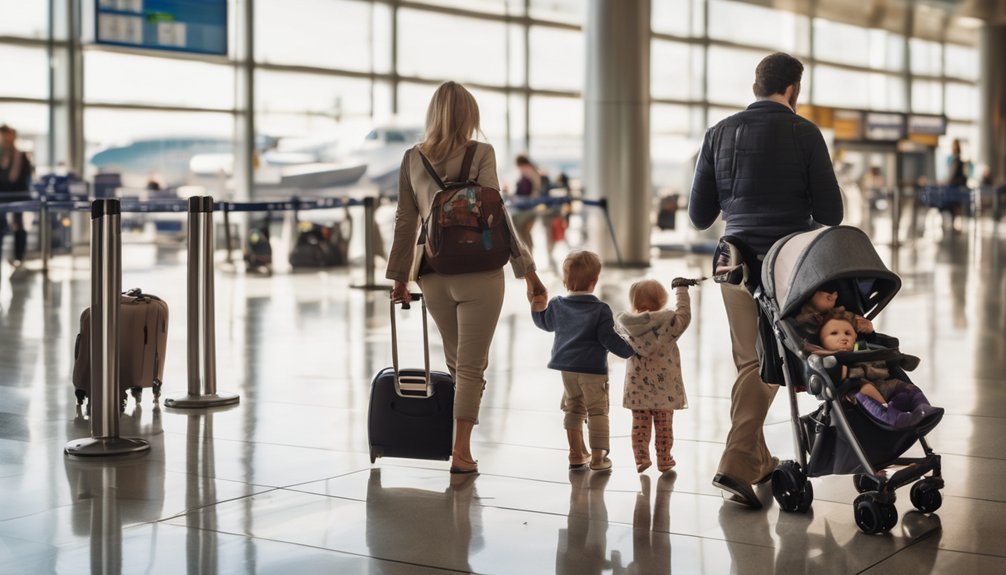
Flying with a toddler often becomes smoother when caregivers treat the journey as a sequence of predictable needs: hydration, sleep, movement, and comfort.
Preparation should center on toddler travel essentials: a familiar cup, extra diapers or training supplies, soft snacks, wipes, a change of clothes, and a small comfort item.
During ascent and descent, swallowing may reduce ear pressure; a bottle, cup, or pacifier can help. The child benefits from brief walking breaks when permitted, since restrained stillness can increase distress.
Calm routines, quiet reassurance, and familiar words often lower physiologic stress.
In-flight entertainment should be simple, sensory, and reliable: picture books, soft toys, or downloaded audio.
Predictability protects both child and caregiver, preserving closeness and reducing avoidable agitation.
How to Book the Best Flight
When should a family choose the flight itself? Ideally, the answer is early, while options remain wide and stress low. A careful flight search should favor nonstop routes when possible, because fewer transfers reduce fatigue and emotional strain.
Departure times that align with a toddler’s usual sleep window often improve tolerance, and midday delays may be easier to manage than late-night departures. Before purchase, airline policies should be reviewed for seating, boarding, and family assistance, since these details can affect comfort and timing.
Shorter travel time is medically sensible, but schedule reliability matters as well. A reserved seat together is preferable, allowing close supervision and calm reassurance.
In intimate family travel, predictability is not luxury; it is protection for everyone involved.
What to Pack for Toddler Air Travel
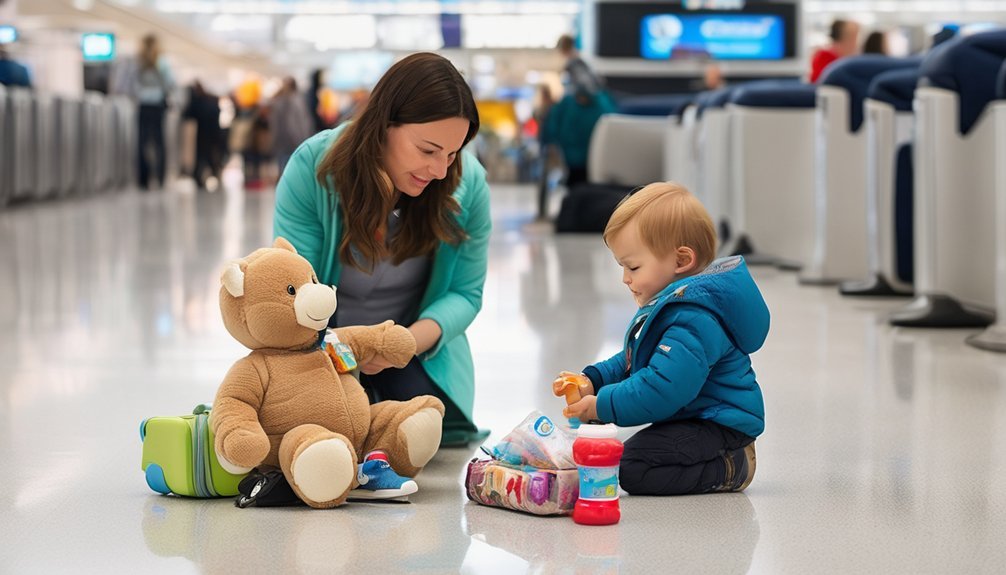
A compact travel kit should be assembled before departure, with each item chosen to reduce discomfort, prevent common disruptions, and preserve routine.
The most useful packing essentials include diapers or training pants, wipes, a spare outfit, sealable bags, a familiar blanket, and a small comfort toy. Light snacks and a spill-proof cup help maintain hydration and blood sugar stability.
Among the carry-on items, parents may keep age-appropriate pain relief if approved by a clinician, tissues, hand sanitizer, and a pacifier or teether if used at home.
Documentation, such as identification and any medical notes, should remain accessible. Each item supports calm, gentle care and helps the child feel held by a known routine throughout the flight.
Easy Airport Tips for Toddlers
Before entering the terminal, a simple sequence can reduce stress: allow extra time for check-in, security, and bathroom breaks, then keep the toddler close and expectations brief.
A calm caregiver posture often lowers agitation and helps the child mirror that steadiness. During security procedures, placing shoes, liquids, and electronics in order before reaching the lane can shorten waiting and reduce sensory overload.
Small, quiet toddler distractions, such as a familiar book or soft toy, may support regulation while the family stands in line. Clear, gentle language works best; short instructions are easier to process than repeated explanation.
If the child seems overstimulated, a brief pause, sip of water, or seated rest can help. Consistent proximity and predictable steps preserve comfort and trust.
How to Handle Boarding and Takeoff
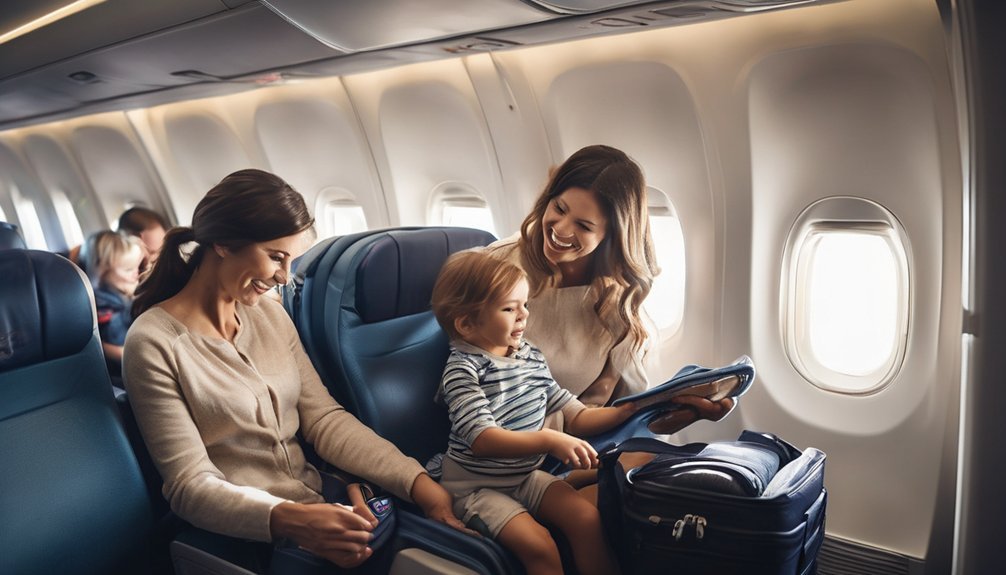
Boarding often goes more smoothly when the toddler is kept seated or carried until the family reaches the aircraft door, limiting unnecessary walking and exposure to crowding.
Gentle boarding strategies include preboarding when offered, organizing documents in advance, and allowing one adult to secure luggage while another holds the child close.
At the seat, a calm voice and brief explanation can reduce distress.
During takeoff, the child should remain properly restrained; a well-fitted harness or approved car seat may improve comfort and safety.
Helpful takeoff tips include encouraging swallowing during ascent and maintaining steady reassurance with soft touch.
If crying occurs, it is usually brief and related to pressure changes.
Patience, consistency, and quiet reassurance support a smoother transition for the child and for nearby passengers.
Best Snacks, Drinks, and Toys for Flights
Once the child is settled for takeoff, the focus can shift to keeping discomfort and boredom to a minimum with simple, familiar items. A balanced snack variety reduces complaints and supports stable blood sugar. Travel friendly snacks should be small, soft, and easy to chew.
- Mess free foods, such as crackers or sliced fruit, limit cleanup.
- Healthy treats, including yogurt melts or cheese pieces, offer gentle nourishment.
- Drink options should emphasize water; hydration tips include frequent sips from a familiar cup.
- Toy selection benefits from quiet, interactive toys that encourage hands-on attention without overstimulation.
Caregivers may rotate these items in small portions, preserving novelty while avoiding excess.
This measured approach helps the child remain comfortable, regulated, and quietly engaged throughout the flight.
How to Manage Toddler Sleep on the Plane
Toddler sleep on a plane is often best supported by preserving a familiar bedtime routine as closely as possible, even if shortened. Calming sleep strategies may include dimming lights, quiet voices, and a brief book or song. Nap timing should be adjusted before boarding so sleep pressure is neither too early nor too late. Caregivers can observe the child’s usual cues and act promptly.
| Cue | Response | Goal |
|---|---|---|
| Eye rubbing | Begin routine | Prevent overtiredness |
| Yawning | Reduce stimulation | Ease transition |
| Quietness | Offer sleep window | Support rest |
| Fussing | Reassess timing | Avoid escalation |
| Settling | Maintain calm | Encourage sleep |
If sleep does not occur, brief rest still helps. Gentle reassurance and consistency matter, especially when the child needs closeness and predictability.
Keep Your Toddler Comfortable in the Seat
A comfortable seat setup can reduce restlessness and help a toddler tolerate the flight more easily. Careful seat selection matters: an aisle may allow easier movement, while a window can limit contact and create a defined space. The caregiver should adjust straps so they are snug yet not restrictive, with the buckle lying flat against the pelvis.
- Place comfort items within reach, such as a small blanket or familiar soft toy.
- Use layered clothing to regulate temperature without bulk.
- Support the feet when possible, since dangling legs can increase agitation.
- Check posture gently, keeping the head and trunk aligned.
This measured approach can lower physical strain and help the child feel secure, calm, and quietly held throughout the journey.
How to Handle Delays and Layovers
When delays or layovers occur, the caregiver should treat the extra time as part of the travel plan and respond with calm, structured care.
Effective delays preparation begins before departure: pack snacks, water, wipes, a spare diaper, and one familiar comfort item in an accessible bag.
During waiting periods, the caregiver should offer simple layover activities such as picture books, quiet coloring, stacking cups, or brief walks when permitted.
Regular sips and small, familiar foods help support steadiness.
If fatigue or irritability appears, the caregiver can lower stimulation, reduce noise, and keep routines predictable.
Gentle reassurance, clear limits, and close supervision usually prevent distress from escalating.
In intimate family travel, this measured approach protects the toddler’s sense of safety and preserves the caregiver’s own composure.
What to Expect After Landing
After landing, the toddler may appear overstimulated, sleepy, or briefly unsettled as the body adjusts to changes in motion, noise, time, and routine.
These toddler adjustments are usually temporary and resolve with calm support. Post arrival routines should be simple and familiar, allowing the child to regain a sense of safety.
- Offer water in small sips.
- Provide a quiet snack if needed.
- Allow movement, cuddling, or a stroller walk.
- Resume sleep or meals near the usual schedule when possible.
A detached but attentive caregiver may notice irritability, clinginess, or delayed fatigue during the first hours.
Mild symptoms generally do not indicate illness. Gentle reassurance, low stimulation, and predictable care help the toddler settle efficiently.
Frequently Asked Questions
Do Toddlers Need Passports for Domestic Flights?
No, toddlers typically do not need passports for domestic flights. Under toddler identification requirements and domestic flight regulations, most airlines accept minimal proof of age. A parent should confirm airline policy beforehand for reassurance.
Can I Bring a Stroller Through Airport Security?
Yes, a stroller can usually pass through airport security, like a quiet companion at a threshold. Security procedures vary by stroller types, but officers generally inspect and return them, offering calm reassurance for families.
Are Car Seats Allowed on Every Airline?
No, car seats are not allowed on every airline. Car seat regulations and airline policies vary; verification before travel is essential. A calm, precise review with the carrier usually prevents avoidable stress and confusion.
How Do I Prevent Ear Pain During Descent?
To ease descent, he or she should encourage swallowing, sucking, or yawning, helping ear pressure equalize. Like unclogging a delicate valve, soothing techniques, such as a pacifier or drink, are usually safe, calming, and effective.
What Documents Does a Toddler Need to Fly?
A toddler typically needs a birth certificate or passport, depending on destination and airline age policies. Toddler identification requirements vary; the family should confirm rules before travel, ensuring calm, compliant, and reassuring preparation.
Conclusion
In practice, the idea that toddlers “travel badly” is often overstated; discomfort usually reflects fatigue, pressure changes, hunger, or disrupted routines rather than true distress. With careful planning—nonstop flights when possible, familiar snacks and toys, and attention to sleep and hydration—most children adjust predictably. A calm, structured approach reduces physiologic stress and helps the child recover after landing. For parents, preparation is not optional; it is the most reliable intervention for smoother air travel.