
Printable charts can help toddlers and kids learn daily habits in a simple, visual way. With clear symbols, bright colors, and small rewards, they can support potty training, chores, behavior goals, letters, numbers, and routines. When chosen well, these charts can make expectations easier to understand and progress easier to see. The next step is finding which chart suits each child best.
Key Takeaways
- Use clear, colorful designs with simple symbols so toddlers and kids can understand charts quickly.
- Choose charts with stickers, check boxes, or rewards to keep children engaged and motivated.
- Pick age-appropriate potty, chore, and behavior charts that support routines and independence.
- Select charts with positive reinforcement to encourage good choices without pressure or stress.
- Look for customizable learning and routine charts that fit your child’s daily schedule and growth.
What Makes a Good Printable Chart?
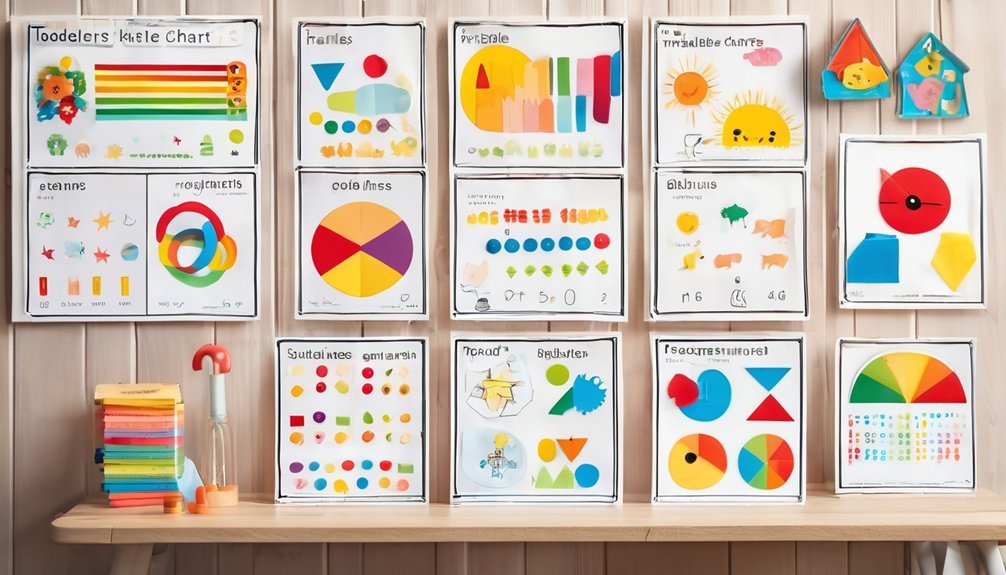
A good printable chart is clear, simple, and easy for children to use. It helps a child feel safe and supported, while giving caregivers a gentle way to guide progress.
Strong charts use colorful designs and engaging visuals that invite attention without overwhelming little eyes. Interactive elements, such as stickers or check boxes, can make each step feel rewarding.
Age appropriateness matters, because the best chart matches a child’s stage of growth and understanding. Clear instructions help everyone know what to do next.
Motivational themes offer warmth and encouragement, and easy tracking allows progress to be seen at a glance. Helpful flexibility options let a chart fit different routines, making it practical, comforting, and personal.
Printable Potty Charts for Toddlers
| Feature | Benefit |
|---|---|
| Bright stickers | Keeps attention |
| Easy symbols | Supports understanding |
| Clear spaces | Shows progress |
Printable Chore Charts for Kids

The chore chart benefits include better routine awareness, growing independence, and a calm way to track progress. With engaging designs, such as bright colors, stars, or friendly icons, the chart can feel inviting rather than demanding.
A well-chosen printable chart may suit different ages and home routines, making shared expectations easier to follow. When used consistently, it can support cooperation while helping children feel capable, valued, and closely connected to daily family life.
Printable Behavior Reward Charts
Behavior reward charts can help children notice positive choices and understand how small actions lead to encouraging results. These printable tools use positive reinforcement to celebrate kindness, listening, sharing, and gentle behavior in a simple, visual way.
When a child earns a sticker, star, or mark, the chart becomes a warm reminder that good choices matter and are seen. Many chart designs are colorful and inviting, making them easy for small hands and young minds to follow.
A calm, consistent routine around the chart can offer comfort and motivation without pressure. For families seeking a caring method, these charts support growth while keeping expectations clear. They can also create special shared moments between adults and children each day.
Printable Learning Charts for Letters and Numbers
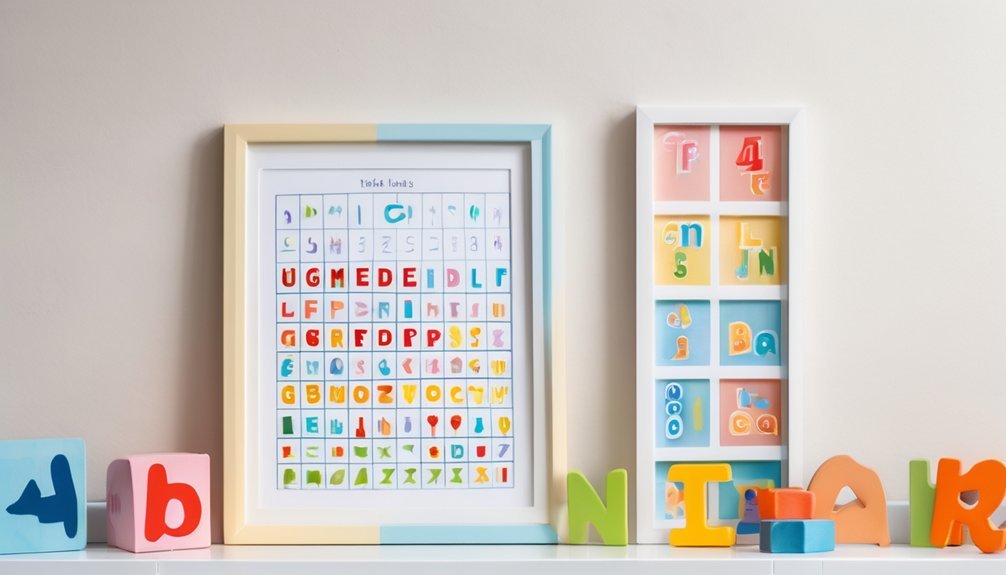
As children begin recognizing letters and numbers, printable learning charts can offer a simple, steady way to build early skills.
These charts often display the alphabet, basic numerals, and friendly illustrations that help little learners connect symbols with meaning. Gentle repetition supports letter recognition, while colorful layouts invite attention without overwhelming sensitive minds.
For added engagement, caregivers can point to each letter, say its sound, and invite simple number games such as counting objects or matching digits to pictures.
Because the charts are printable, they can be placed at child height in bedrooms, play areas, or learning corners.
With calm guidance, these tools encourage confidence, making early lessons feel warm, familiar, and reassuring.
Printable Morning and Bedtime Routine Charts
Morning and bedtime routine charts can help children follow daily steps with greater ease by showing each task in a simple, visual order. Their visual appeal often makes mornings calmer and evenings more comforting, especially when chart themes match a child’s interests.
Engaging illustrations can guide little ones through washing, dressing, brushing teeth, and getting ready for sleep without confusion. Routine consistency grows when the same chart is used each day, helping children feel secure and cared for.
Parent involvement matters as adults gently remind, praise, and model each step. Reward systems, such as stickers or stars, can add warmth and motivation while keeping expectations clear.
These charts support independence while preserving a tender, connected family rhythm throughout the day.
How to Print, Customize, and Use Them
Printing and using these charts works best when the file is opened at its full size, checked for clear margins, and selected on sturdy paper or cardstock for added durability.
Simple printing techniques, such as choosing high quality settings and color ink, help images stay bright and easy to read for little eyes.
Helpful customization tips include writing a child’s name, adding favorite colors, or placing stickers beside completed tasks.
After printing, the chart can be laminated or slipped into a clear sleeve for repeated use. A dry erase marker allows gentle daily changes without damage.
To support routine learning, the chart should be displayed where the child can see it often, such as near a bedroom door or bathroom sink, offering quiet encouragement throughout the day.
Frequently Asked Questions
What Age Is Best to Start Using Printable Charts?
Printable charts can begin around age two, when toddler engagement grows through simple routines. Gentle chart designs work best, using pictures, colors, and tiny steps. By three or four, children often enjoy them more.
How Often Should Chart Rewards Be Given?
Rewards should be given frequently at first, then gradually less often as habits grow. This reward frequency supports chart effectiveness, while keeping encouragement gentle, age-appropriate, and warmly reassuring for little learners and their caregivers alike.
Can Printable Charts Work for Multiple Children?
Yes, printable charts can serve multiple children, like branches sharing one sun. Separate spaces for each child support shared activities and sibling motivation, helping young learners feel nurtured, seen, and encouraged together.
What Materials Make Charts More Durable?
Laminated charts last longer because they resist spills and tearing. Thick cardstock also helps. Gentle chart storage in folders or bins protects corners. These durable choices keep children’s learning tools neat, safe, and inviting.
Where Should Completed Charts Be Displayed?
Completed charts should be displayed where the child sees them often, such as a bedroom wall, fridge, or play area. Good chart visibility supports motivation strategies, gently encouraging pride, consistency, and loving daily progress.
Conclusion
Printable charts can make everyday routines feel easier and more rewarding for children. From potty training to chores, behavior, and learning, these simple tools help toddlers and kids understand expectations while building confidence and independence. With bright visuals, checkboxes, and clear goals, they turn progress into something children can see and celebrate. What better way to encourage good habits than by making success visible, joyful, and shared between parent and child?