
Preparing a toddler for a new baby often begins with simple honesty and steady routines. A young child may need repeated explanations, gentle practice, and extra reassurance to feel secure. Books, pretend play, and small acts of inclusion can make the change feel less confusing. Yet the biggest challenge is often not the baby itself, but the feelings that come with sharing attention.
Key Takeaways
- Tell your toddler simply that the baby is growing in your belly and you will still love them.
- Read warm picture books and use doll play to practice gentle touching and sharing.
- Keep daily routines, especially bedtime, as predictable and familiar as possible.
- Practice words like “wait,” “gentle,” and “my turn” through short role-play games.
- Set aside one-on-one time and include your toddler in small baby-care moments.
How to Tell Your Toddler About the New Baby

Telling a toddler about a new baby works best when the message is simple, honest, and reassuring. The baby announcement should use familiar words and clear ideas, such as saying a baby is growing in the parent’s belly and will join the family later.
A calm tone helps the child feel safe, even if toddler reactions include curiosity, confusion, excitement, or jealousy. Gentle reassurance matters, because young children often worry about changes in attention and routine.
It can help to explain that the toddler will still be loved, seen, and cared for every day. Short conversations work better than one long talk, allowing the child to ask questions in small, manageable moments.
This steady approach supports trust and eases the emotional transition.
Use Books and Pretend Play
Books and pretend play can help a toddler make sense of the new baby in a gentle, concrete way. Careful story selection matters; simple pictures and warm language let the child see babies as small, needy, and lovable. During quiet reading, an adult can pause and notice feelings, inviting questions without pressure. Then role play can make the idea more familiar.
| Activity | Benefit |
|---|---|
| Picture books | Names the baby’s needs |
| Repeated reading | Builds comfort |
| Doll play | Practices gentle touch |
| Stroller pretend | Makes sharing feel real |
| Animal stories | Normalizes mixed feelings |
These shared moments do not force excitement. They simply offer a safe, loving space where a toddler may explore curiosity, worry, and tenderness at a pace that feels right.
Prepare Your Toddler’s Daily Routines

Toddlers usually feel more secure when daily routines stay familiar, even as a new baby is on the way. Keeping meals, naps, and playtimes steady can help a young child feel held by the day. Small changes are best introduced gently, with warmth and calm.
- Preserve key daily activities at similar times.
- Keep bedtime routines predictable, with the same songs, stories, and cuddles.
- Give brief notice before transitions, so the toddler is not startled.
When routines must shift, a trusted adult can explain what will happen next in simple words. This steady rhythm reassures the toddler that love and attention are not disappearing.
Instead, the child learns that family life is changing, but care remains close, consistent, and safe.
Practice Skills That Make the Transition Easier
Simple everyday skills can also help a young child feel more ready for the changes ahead. Gentle role playing scenarios can show what a baby needs, such as being held, fed, or soothed, while helping the toddler try out kind responses.
Practicing simple words like “wait,” “gentle,” and “my turn” can make new moments feel less confusing. Sharing toys during play may also build flexibility, even if it is still hard at times.
Caregivers can praise small efforts, since each attempt teaches the child that change can be managed with support. These practice moments do not need to be perfect; they simply give the toddler a sense of competence, comfort, and closeness as the family grows.
Set Aside Special One-on-One Time
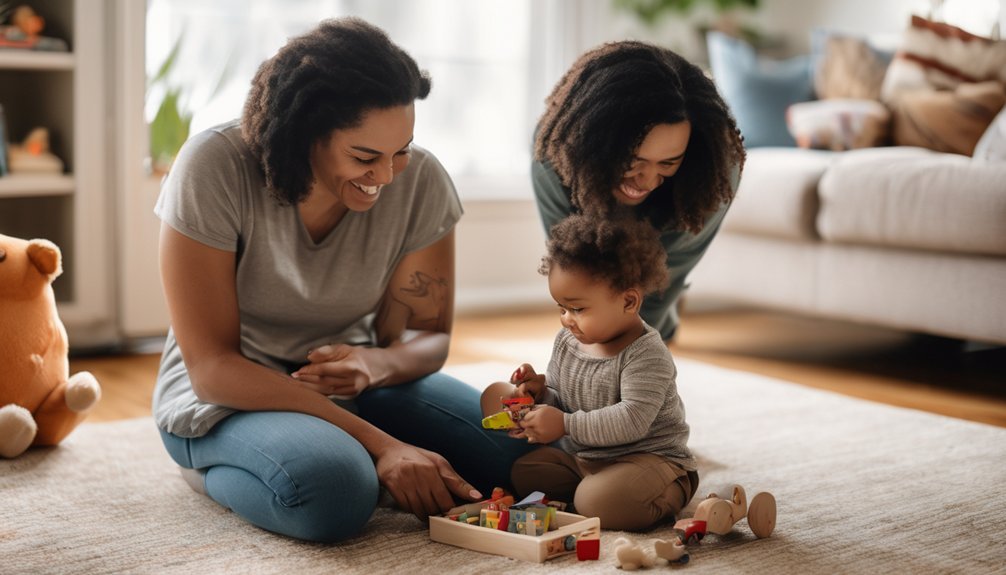
Setting aside regular one-on-one time can help a toddler feel secure as the family prepares for a new baby. Even brief, predictable moments of undivided attention reassure the child that closeness is not disappearing.
These quiet pockets of connection can be woven into daily life through simple toddler activities that feel warm and familiar.
- Read a favorite book together.
- Share bonding games that invite laughter and eye contact.
- Let the toddler choose a calm activity, such as drawing or building.
When an adult follows the toddler’s lead, the child often feels seen, cherished, and less uncertain. This time does not need to be elaborate; its power lies in consistency and tenderness.
A few sincere minutes can strengthen trust and soften the emotional adjustment ahead.
Help Your Toddler Meet the New Baby
When the baby arrives, a toddler may feel curious, cautious, or even overwhelmed, so a calm, gentle introduction can help the first meeting feel safe. A parent can hold the baby while inviting the toddler to stand nearby, touch a tiny hand, or offer a soft greeting.
Short visits work best, especially when adults keep voices low and movements slow. Clear toddler expectations also matter: the child can be told beforehand that the baby may sleep, cry, or need close holding.
Simple words and predictable routines help make the baby arrival feel less mysterious. If the toddler seems unsure, the adult can simply stay close, offer reassurance, and let the connection grow at a comfortable pace.
Handle Jealousy and Big Feelings
Jealousy often shows up as clinginess, tantrums, regression, or protests, and toddlers usually need help naming those feelings rather than being scolded for them. Gentle jealousy management begins with calm acknowledgment: “This feels hard.” That simple reassurance supports emotional expression and helps the child feel seen.
- Keep routines steady so the toddler can borrow predictability when emotions surge.
- Offer brief, loving attention in small doses, which can ease fear of being replaced.
- Use simple words for big feelings, then set clear limits without shame.
When a toddler is overwhelmed, comfort and consistency matter more than reasoning. With time, the child learns that love is not reduced by a new baby, and that difficult feelings can be held safely, named, and soothed.
Build Sibling Bonding Into Everyday Moments
Even before the baby arrives, small, ordinary moments can help a toddler begin to feel connected rather than displaced. A parent might invite the child into simple sibling activities, such as choosing a onesie, singing during diaper changes, or patting a pillow beside the nursery chair.
These brief rituals help the toddler practice belonging without pressure. Shared responsibilities can also be gentle and age-appropriate, like carrying a burp cloth, placing a toy nearby, or helping fetch a book.
When adults name these moments warmly, the toddler starts to see a place in the family story. Over time, repeated invitations build comfort, making the new baby feel less like a rival and more like a person to love.
Frequently Asked Questions
When Should I Start Preparing My Toddler for the Baby?
Ideally, preparation begins a few weeks before the baby arrives, once timing considerations and age appropriateness are clear. This gentle pace lets the toddler feel included, secure, and lovingly ready for change.
What if My Toddler Refuses to Talk About the New Baby?
If the toddler refuses, that tiny diplomat need not deliver a speech; silence can be a trumpet of toddler feelings. Gentle communication strategies, playful books, and patient reassurance often invite conversation when readiness quietly arrives.
Should My Toddler Attend Doctor Appointments or Ultrasounds?
They may attend select doctor visits or ultrasounds if brief and predictable. Clear doctor visit etiquette and simple ultrasound expectations help toddlers feel included, but skipping some appointments is also developmentally normal and reassuring.
How Can I Involve My Toddler in Nursery Setup Safely?
A toddler can help with nursery setup through safe activities like choosing nursery themes, sorting soft items, or placing stickers. This supports bonding, feels important, and keeps tasks developmentally simple, reassuring, and intimate.
What Signs Show My Toddler Is Struggling With the Baby’s Arrival?
Behavioral changes and emotional responses may signal strain: clinginess, tantrums, sleep disruptions, regression, or withdrawal. These reactions often reflect adjustment, not failure. Gentle reassurance, routines, and extra connection can help the toddler feel securely loved.
Conclusion
In the quiet garden of a small house, one little seed watched a new bud begin to open beside it. The gardener did not replace the first flower; she simply tended both with patient hands. So it is with a toddler and a new baby: love does not divide, it grows room by room, moment by moment. With steady routines, gentle words, and shared tenderness, a family learns that there is enough sunshine for everyone.