
The first day of preschool can feel like a major change for both children and parents. A calm plan can make it easier. Simple steps, such as preparing a routine, packing familiar items, and talking about preschool in a positive way, often reduce stress. Small details also matter more than many expect, especially when drop-off arrives and emotions rise. A few practical tips can make the day start better than it seems.
Key Takeaways
- Talk about preschool positively, mentioning fun activities, new friends, and simple classroom expectations.
- Visit the classroom beforehand and practice the morning routine to reduce first-day anxiety.
- Pack labeled essentials the night before, including clothes, snacks, water, and a comfort item if allowed.
- Use a calm, encouraging tone and answer questions honestly with brief reassurance.
- Help your child name feelings and practice coping strategies like deep breathing and comfort phrases.
Prepare for the First Day of Preschool
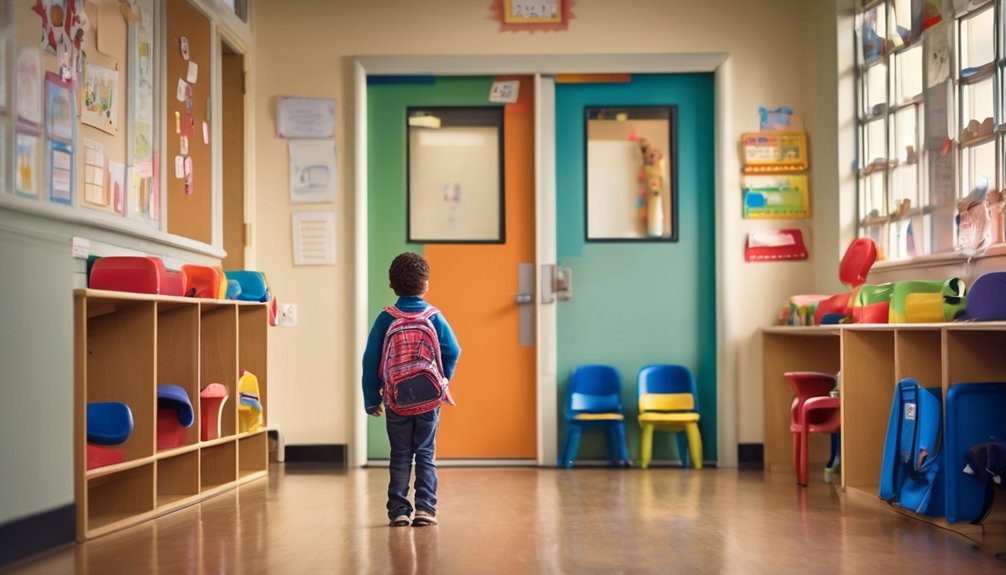
Preparing for the first day of preschool can ease anxiety for both children and parents. Caregivers can support emotional readiness by talking gently about new teachers, classmates, and activities, helping the child understand what to expect.
Simple explanations about preschool expectations build confidence without overwhelming details. It also helps to visit the classroom if possible, point out familiar routines, and answer questions honestly.
Choosing comfortable clothes and labeling belongings can reduce stress and give the child a sense of security. A calm, encouraging tone matters most, because children often mirror adult feelings.
When preparation is clear and reassuring, the first day feels less uncertain and more welcoming, allowing the child to approach the experience with curiosity and trust.
Build a Preschool Morning Routine
A steady preschool morning routine can make early hours feel calmer and more manageable. A simple sequence helps a child know what to expect, reducing last-minute stress for the family.
It can begin with waking at the same time, followed by dressing, breakfast, brushing teeth, and a quiet goodbye. Visual schedules can support understanding by showing each step with pictures, while morning checklists give caregivers and children a clear path to follow.
Gentle reminders and a consistent tone help preserve a sense of warmth and security. When possible, practice the routine before the first day so it feels familiar.
Small, repeatable habits can create confidence and make the transition feel more loving and orderly for everyone involved.
Pack the First Day of Preschool Essentials
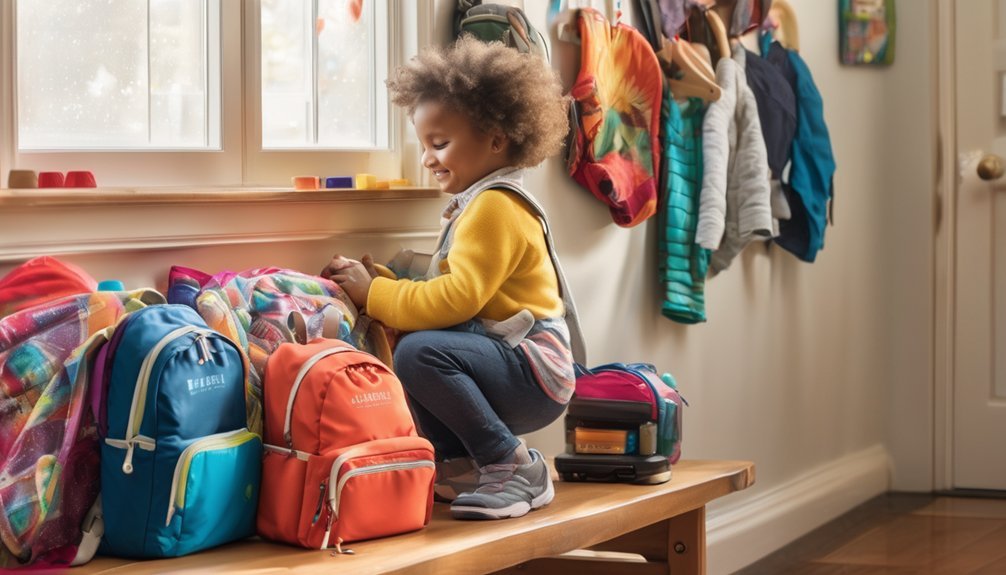
Packing the first day of preschool essentials helps the morning feel organized and reduces the chance of forgotten items. A small backpack can hold a change of clothes, a labeled water bottle, and any classroom forms.
Parents may also include simple snack ideas, such as crackers, fruit, or cheese, if the school allows outside food. A comfort item, like favorite toys, may be useful only when permitted, since many classrooms limit personal belongings.
Labels on jackets, lunch boxes, and shoes make items easier to return. Preparing everything the night before can ease the family’s pace and support a calmer start.
With a short checklist nearby, the first day feels more manageable, and the child arrives ready for a gentle, confident beginning.
Talk About Preschool in Positive Ways
Once the backpack is ready and the checklist is complete, parents can help preschool feel familiar by speaking about it in calm, positive terms. They can describe the classroom as a place for playful learning, songs, stories, and new friends.
Simple remarks about art, blocks, and circle time can build curiosity without pressure. It helps to mention how preschool supports social skills, such as sharing, listening, and taking turns.
When adults sound confident, children often sense that preschool is safe and worthwhile. Questions should be answered honestly, with brief reassurance rather than long explanations.
Gentle, upbeat language gives a child a clearer picture of the day ahead and can turn uncertainty into anticipation.
Practice Separation and Goodbye Rituals
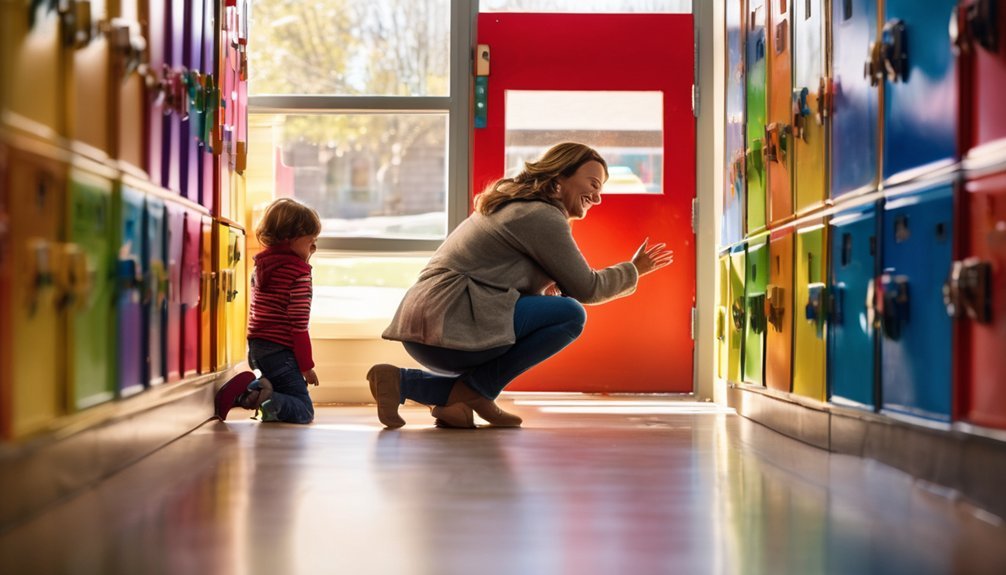
Short separations before the first day can help a child learn that goodbyes are temporary and safe. Brief practice runs, such as leaving a room and returning, can reduce separation anxiety without overwhelming the child.
Caregivers may use goodbye hugs, a wave at the door, and a steady phrase to create consistent messaging. Role playing preschool drop-off can make the routine feel familiar, while practice scenarios at home let the child rehearse each step.
Comfort objects, such as a small toy or family photo, may offer quiet reassurance. Visual schedules can show when goodbye happens and when reunion comes.
Throughout these moments, emotional validation matters: acknowledging feelings calmly helps the child feel understood, supported, and gently prepared for the first day.
Help Your Child Handle First-Day Feelings
The first day often brings a mix of curiosity, nerves, and excitement, and a calm response from adults can help a child manage those feelings.
Caregivers can support emotional readiness by naming emotions simply and reminding the child that mixed feelings are normal. A supportive environment at home, with steady routines and gentle conversation, can make the new experience feel safer.
Helpful coping strategies include deep breathing, holding a familiar item, or choosing a comfort phrase. Brief reassurance techniques, such as saying, “You can feel worried and still be brave,” offer quiet confidence.
Role playing scenarios can also prepare the child for classroom moments, while sharing experiences about other first days helps normalize uncertainty and build trust.
Make Drop-Off and Pick-Up Easier
A predictable drop-off and pick-up routine can ease the transition between home and preschool. Caregivers can prepare a short goodbye, keep it warm, and leave confidently so the child learns what to expect. Simple drop-off strategies help reduce stress and support trust.
Pick-up logistics should also stay clear, with the same person arriving when possible and a steady arrival time.
- Pack belongings the night before
- Use a brief goodbye phrase
- Arrive a few minutes early
- Avoid lingering after parting
- Reconnect calmly at pickup
This consistency can make the day feel safer and more manageable for a young child. When mornings and afternoons follow the same pattern, the child often settles faster and feels more secure.
Work With Your Preschool Teacher
Partnering with the preschool teacher can make daily routines, behavior support, and learning goals more consistent for the child. A calm, respectful exchange helps the family understand teacher expectations, while also giving the teacher a clear picture of the child’s needs, temperament, and comforts.
Simple communication strategies, such as brief notes, scheduled check-ins, or a shared folder, can prevent small concerns from becoming larger worries. It also helps when questions are asked early and with warmth, so both sides can stay aligned.
When the teacher feels trusted and the family feels heard, the child often senses that unity and settles more easily into the classroom. This steady partnership can create reassurance, making the first days feel safer, gentler, and more manageable for everyone involved.
Make the First Day Easier at Home
A calm start at home can set the tone for a smoother first day of preschool. A steady home environment supports emotional readiness, while simple morning preparation reduces stress.
Family involvement helps the child feel seen, and transition strategies make goodbyes less abrupt. Caregivers can practice encouraging independence by letting the child choose clothes, pack a small bag, and use the bathroom alone.
Gentle positive reinforcement builds confidence, especially when the child shows communication skills by naming feelings or asking questions.
- Lay out clothes and shoes the night before
- Share the preschool plan in simple steps
- Keep breakfast familiar and unhurried
- Offer a brief, loving goodbye routine
- Praise small brave choices throughout the morning
Frequently Asked Questions
What Should My Child Wear on the First Day of Preschool?
A child should wear comfortable outfits suitable for play, with easy-on shoes and weather-appropriate layers. Favorite accessories can provide reassurance, but should stay simple and safe. Soft fabrics and labeled clothes help make the day easier.
How Can I Find Out My Preschool’s Allergy Policy?
Contact the preschool director or handbook first; it usually explains allergy management and food restrictions. If unclear, ask for written policies, emergency procedures, and ingredient rules. This approach helps families feel informed, secure, and prepared.
What if My Child Needs Medication During Preschool?
Medication administration should be a small compass, guiding adults calmly. The preschool should receive dosage instructions, a communication plan, and emergency protocols, ensuring each dose is handled safely, reassuringly, and exactly as prescribed.
How Do I Update Emergency Contact Information for Preschool?
They should ask the preschool office for its updating procedures, then submit new emergency contacts in writing, by form or portal. Confirm receipt, and review details regularly so the child’s caregivers remain reachable and reassured.
Can I Visit the Preschool Classroom Before the First Day?
Yes, a classroom visit is often encouraged; nearly 80% of preschools offer preschool orientation. A brief visit helps children feel secure, lets caregivers observe routines, and supports a calmer first day.
Conclusion
With a little planning, the first day of preschool can feel less like a leap and more like a step. A calm routine, a prepared backpack, and positive conversations help children move forward with confidence. When parents practice goodbyes, welcome feelings, and work with teachers, the day often begins smoothly. In the end, preschool is not just a first day; it is the first page of a bigger, brighter adventure.