
A toddler routine works best when it is simple, steady, and built around the child’s natural rhythms. Predictable meals, play, naps, and bedtime can reduce conflict and support better behavior. Small choices help toddlers feel capable without creating chaos. The real challenge is not filling the day, but shaping it so transitions feel calm and manageable. A few details make all the difference, and they are not always the ones parents expect.
Key Takeaways
- Keep wake-up, meals, naps, play, and bedtime on a predictable schedule.
- Use calm transitions, like gentle wake-up cues and warning before activity changes.
- Offer simple choices to support toddler independence and reduce resistance.
- Include daily play, outdoor time, and quiet rest to balance energy and learning.
- Stay flexible for appetite, mood, and energy changes while keeping core routines consistent.
What Belongs in a Toddler Routine
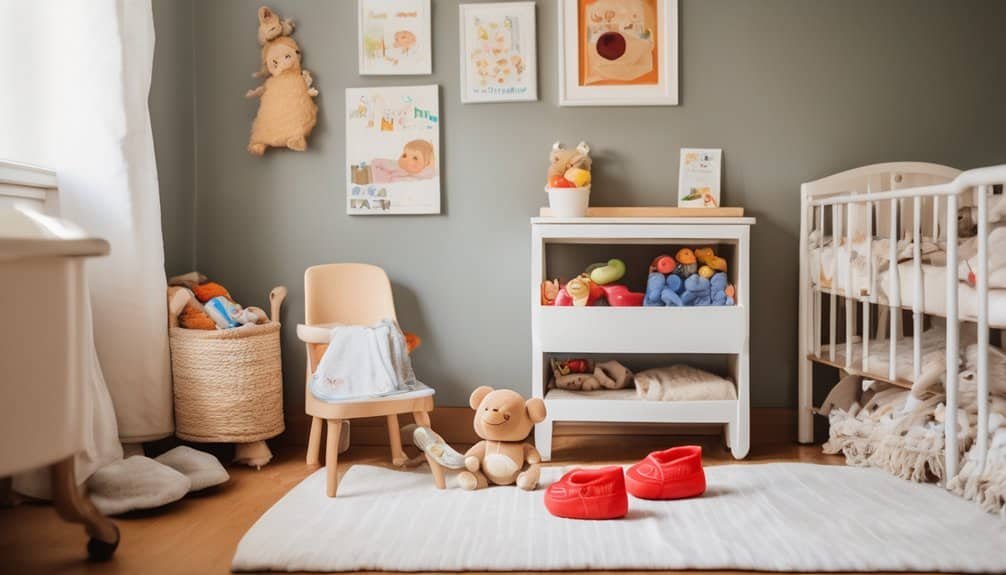
A toddler routine should include the same core building blocks each day: wake-up and bedtime, meals and snacks, naps or quiet time, play, hygiene, outdoor activity, and predictable transitions between tasks.
These anchors help a young child feel safe while still leaving room for toddler independence. Simple choices, such as selecting a cup or a book, support growing confidence without overwhelming the day.
Routine flexibility also matters, because appetite, energy, and mood can shift quickly at this age. A sound routine balances structure with responsiveness, allowing a caregiver to adjust timing while preserving familiar cues.
Consistent patterns reduce resistance, improve cooperation, and make the day easier to navigate. The goal is not perfection; it is a calm, repeatable rhythm that gently supports development and closeness.
A Sample Toddler Daily Routine
When a toddler day follows a simple, predictable pattern, it is easier for the child to move from one activity to the next with less resistance. A sample routine may begin with a calm wake-up, followed by dressing, breakfast, and a brief play period.
After that, a morning outing or focused play can support learning and release energy. Midday should include lunch, a rest or nap, and a quiet reentry into the day.
Later, creative play, outdoor time, and a simple dinner anchor the afternoon and evening. Repeating the same sequence helps reduce morning transitions, lowers stress, and strengthens toddler independence.
With steady cues and warm consistency, the routine becomes less about control and more about helping the child feel secure, capable, and understood.
Best Wake-Up and Breakfast Routine

The morning sets the tone for the rest of the toddler day, so a steady wake-up and breakfast routine can make the entire schedule feel smoother. Consistent wake up signals, such as opening curtains, gentle words, and a familiar song, help a toddler’s body recognize it is time to rise.
A calm transition from crib or bed to the table reduces resistance and supports emotional security.
- Keep wake times within a narrow window.
- Offer simple breakfast choices with protein, fruit, and whole grains.
- Sit together without screens to encourage appetite and connection.
Evidence suggests predictable mornings lower stress and improve cooperation. For a toddler, knowing what comes next is deeply comforting, and that reassurance can make breakfast easier for everyone.
Toddler Playtime That Builds Skills
Playtime becomes most beneficial when it is intentional, varied, and repeated in predictable ways. During these windows, toddlers learn best through imaginative play, simple problem-solving, and movement that challenges balance and coordination.
A sturdy routine may include blocks, books, pretend kitchens, puzzles, and sensory activities such as water, sand, or textured bins. These choices support language, motor control, and self-regulation without feeling forced.
The adult role is to stay nearby, observe interests, and offer calm guidance rather than constant direction. Short, focused periods work well because attention at this age is still developing.
When play is offered daily in a warm, responsive setting, children gain confidence, practice new skills, and feel securely connected while exploring their world.
Toddler Naps and Quiet Time

Naps and quiet time help toddlers reset their energy, protect mood, and support learning by reducing overtiredness. A steady rhythm usually works best when nap transitions are gradual and predictable, so the child knows what comes next.
- Keep cues simple: dim lights, a calm voice, and a brief routine.
- Offer quiet activities such as books, puzzles, or soft music for children who no longer sleep.
- Watch for sleepy signals, because ignoring them often leads to harder afternoons.
Evidence suggests that consistent rest periods improve self-regulation and reduce meltdowns. A gentle approach also preserves closeness, helping toddlers feel secure as their bodies and minds settle.
Snack and Meal Times That Keep Things Smooth
Regular snack and meal times help toddlers stay regulated, reduce crankiness, and make the day feel predictable. Consistent mealtime habits also support appetite cues and calmer transitions between play and rest.
Caregivers often find that healthy snacks, such as fruit, yogurt, or cheese, work best when offered in small portion sizes and at similar times each day. Snack variety prevents boredom, while simple engaging recipes can gently invite interest without overwhelming little ones.
Family meals, even brief ones, strengthen connection and model steady eating patterns. Respecting food preferences matters too; toddlers are more likely to cooperate when trusted choices are offered.
A calm eating environment, free from distractions, helps them focus, eat comfortably, and build positive associations with food.
Toddler Routine Tips for Busy Parents
Busy parents often benefit most from a simple, repeatable toddler routine built around a few anchor points: wake time, meals, naps, and bedtime. Small, predictable rhythms reduce decision fatigue and help toddlers feel secure. Evidence suggests that consistency supports better emotional regulation and smoother transitions.
- Keep toddler activity ideas short, hands-on, and easy to reset.
- Use visual cues or songs to signal changes between parts of the day.
- Focus on managing screen time by reserving it for limited, planned moments.
A calm routine does not need to be perfect; it needs to be familiar. When the day follows the same shape, toddlers usually settle faster, and caregivers gain more breathing room. That steady structure can feel like a quiet ally on demanding days.
How to Stick to the Routine
Sticking to a toddler routine works best when adults treat it as a flexible structure rather than a rigid schedule. Consistency builds predictability, which research links to calmer behavior and better cooperation. The routine should be posted with visual schedules, then reviewed together at the same time each day. Positive reinforcement, such as warm praise or a brief hug, helps toddlers repeat desired steps.
| Step | Adult Action | Child Benefit |
|---|---|---|
| Morning | Preview the day | Less resistance |
| Transitions | Give warnings | Smoother change |
| Follow-through | Keep limits steady | Clear expectations |
When a plan slips, adults should return to the next step without criticism. Small, steady repeats matter more than perfection, and that gentle reliability helps a toddler feel safe, seen, and ready to cooperate.
Toddler Bedtime Routine That Works
A toddler bedtime routine works best when it follows a calm, predictable sequence that signals sleep without overstimulation. Experts note that consistency helps the child’s body anticipate rest and reduces evening resistance.
A practical sequence may include:
- A warm bath and pajamas.
- Quiet calming activities, such as dim lights and soft music.
- Bedtime stories, kept short and soothing, before a brief goodnight ritual.
The same order each night supports emotional security and makes separation easier. A parent or caregiver should keep interactions gentle, limits clear, and the room cool, dark, and comfortable.
When the routine stays steady, sleep onset usually becomes smoother, and nighttime wakefulness often decreases. This approach nurtures closeness while still giving the toddler firm, loving boundaries.
Frequently Asked Questions
How Do I Adjust Routines for Daycare Days?
They can adjust routines for daycare days by keeping morning rituals consistent, then shortening transitions and aligning naps, meals, and bedtime with the daycare schedule. Small, predictable changes reduce stress and support secure attachment.
What if My Toddler Resists Transitions Constantly?
Constant resistance suggests transitions need support. Gentle transition strategies, consistent warnings, visual cues, and positive reinforcement often reduce conflict. A calm, predictable approach usually helps toddlers feel secure, understood, and more willing to cooperate.
Can Routines Work With Multiple Children of Different Ages?
Yes; routines can work across ages like a well-tuned orchestra. With age adaptability and thoughtful sibling dynamics, shared anchors plus flexible expectations help children feel secure, reduce conflict, and support calmer, evidence-based family rhythms.
How Do I Manage Routines During Travel or Vacations?
He manages routines by keeping wake, meal, and sleep anchors steady. Practical travel tips include familiar snacks, portable bedtime cues, and flexible vacation activities. Research suggests consistency lowers stress, helping children feel secure and close.
When Should I Update My Toddler’s Routine?
He would update a toddler’s routine when sleep or behavior shifts: nearly 60% of toddlers show changes by age two. Adjust toddler sleep and meal timing gradually, especially after growth spurts, illness, or travel, to restore comfort.
Conclusion
A toddler routine works best when it is both steady and flexible: a calm wake-up, predictable meals, active play, quiet pauses, and a consistent bedtime. The contrast is clear—structure lowers stress, while simple choices build confidence. When transitions are gentle and expectations remain familiar, resistance often fades. In that balance of order and freedom, toddlers gain security, parents gain calm, and the day becomes less of a battle and more of a rhythm.