
If you give a child $10 for chores and show them a savings calculator, you can turn “I want that toy” into a simple plan. You’ll see how visual tools make money goals feel real, and why the right calculator can teach more than basic math. The best lessons don’t stop at totals, though—they reveal habits that shape how kids save, spend, and decide what comes next.
Key Takeaways
- Choose a kid-friendly savings calculator with simple inputs, clear labels, and visual progress indicators.
- Use tools that show how allowance, gifts, and chores grow toward a savings goal over time.
- Start with free calculators for basic goal-setting, then explore paid versions for added visuals and saved progress.
- Teach money lessons by tracking deposits, celebrating milestones, and linking saving to short- and long-term goals.
- Encourage discipline by reviewing progress regularly and using charts or jars to make saving tangible.
What Is a Kids’ Savings Calculator

A kid-friendly savings calculator is a simple tool that shows how money can grow over time when you save regularly. You enter your allowance, gifts, or chores money, then set a goal and timeline.
The calculator estimates how much you’ll have if you save a certain amount each week or month. You can test different saving strategies to see which plan fits your budget and goal best. This helps you make smarter choices, track progress, and build financial literacy early.
With clear numbers, you learn how small deposits add up and how patience supports bigger results. A good calculator doesn’t just count money; it teaches you to plan, compare options, and stay committed to your savings goals.
Why Visual Savings Tools Help Kids
Numbers are easier to understand when kids can actually see them change, which is why visual savings tools work so well. You turn abstract dollars into progress they can track, and that makes saving feel real.
With visual learning, a child can watch a jar fill, a bar rise, or a goal meter move closer to the finish line. That instant feedback builds motivation and helps them connect actions with results.
Interactive tools also keep attention focused, because kids can tap, adjust, and explore as they learn. When you use visuals, you don’t just explain saving; you show it.
That simple shift strengthens understanding, encourages consistency, and helps kids practice patience while they work toward a goal.
What to Look for in a Kids’ Savings Calculator
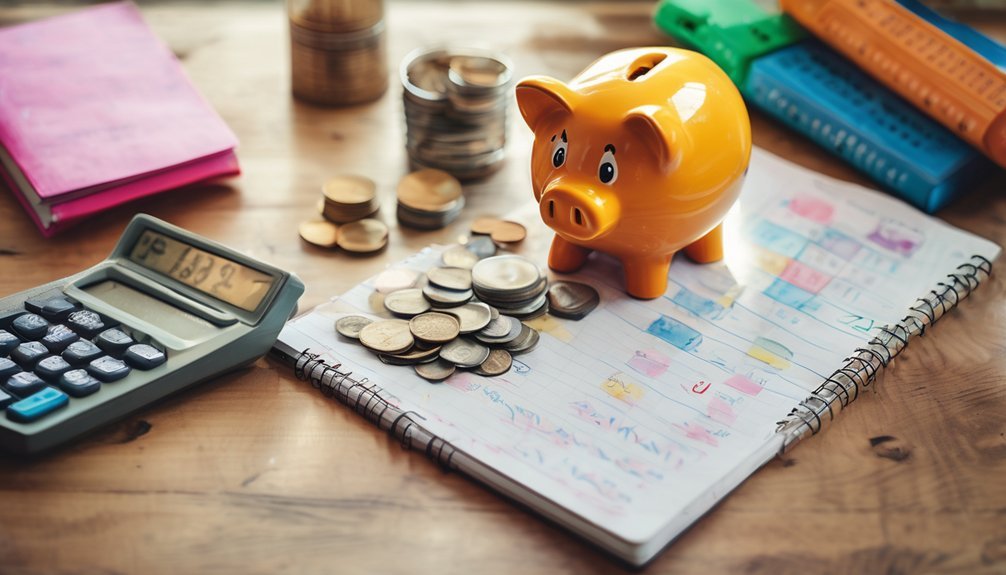
When you’re choosing a kids’ savings calculator, look for one that’s simple, visual, and easy to use. You want a clean user interface that helps kids enter goals, deposits, and time without confusion. Strong interactive features, like sliders or progress bars, keep the lesson engaging and make numbers feel real.
| Feature | Why it matters |
|---|---|
| Clear labels | Kids understand each step faster |
| Visual progress | Savings feels motivating and tangible |
| Guided prompts | Reduces mistakes and builds confidence |
You should also check that the calculator supports quick feedback, so kids can see how small choices affect results. When the design stays focused, you can teach planning, patience, and goal setting more effectively.
Free vs. Paid Savings Calculators
Free savings calculators can cover the basics well, especially if you just want simple goal-setting, deposit tracking, and time estimates for kids. You can rely on many free features to teach core money concepts without adding cost or complexity.
These tools often work best when you need quick comparisons, easy interfaces, and no signup barriers. Paid benefits, however, can matter if you want richer visuals, saved progress, or customized scenarios that fit different ages and goals.
You should weigh whether those extras truly improve learning or just add noise. For most lessons, start with a solid free tool, then upgrade only if you need deeper reporting, broader customization, or classroom-friendly flexibility.
How to Use a Savings Calculator in Lessons

Once you’ve chosen a savings calculator, use it as a hands-on teaching tool rather than just a calculator. Start by showing how each input changes the result, so kids can see the connection between deposits, time, and growth.
Ask them to enter their own numbers, predict outcomes, then compare those guesses with the calculator’s answer. This builds savings habits because they learn that small, regular actions matter.
You can also pause to explain terms like balance, interest, and rate in simple language. Keep each lesson short, interactive, and repeatable.
Over time, kids will practice decision-making, notice patterns, and strengthen financial literacy. The goal isn’t memorization; it’s helping them understand how money behaves, so they can apply the lesson confidently in real life.
Savings Goals Kids Can Reach
Small savings goals give kids a real sense of progress, because they can reach them without waiting too long. You can help them choose targets like a book, a toy, or a snack fund, then break each one into savings milestones they can see.
When you set a clear amount and date, goal tracking becomes simple and motivating. You’ll show kids how small deposits add up, and they’ll learn that steady effort matters more than luck. Keep goals specific, realistic, and visible so they stay focused.
If a target feels too big, shrink it until it feels achievable. That way, you build confidence, reinforce smart habits, and make saving feel rewarding instead of distant.
Classroom Activities With Savings Calculators
After kids pick a savings goal, you can bring the same idea into the classroom with a savings calculator and turn numbers into a hands-on lesson. You’ll help students estimate, compare, and track progress while they practice real decision-making.
Use the calculator to model weekly deposits, then let them test how small changes affect their finish date.
- Savings games: Give teams a goal and different starting amounts, then have them race to solve the fastest path to success.
- Budgeting challenges: Ask students to divide pretend income between saving, spending, and giving, then calculate the results.
- Class reflections: Invite learners to explain which choices worked best and why.
This approach builds confidence, sharpens math skills, and makes saving feel practical, rewarding, and achievable.
Common Saving Mistakes Kids Make
One common mistake kids make is setting a savings goal without a clear plan, which can make progress feel slow or confusing. You can fix that by tracking every dollar and checking your total often. Strong budgeting habits help you see where money goes, while avoiding impulse purchases keeps your goal on course.
| Mistake | What It Does | Better Move |
|---|---|---|
| No goal | Blurs focus | Pick one target |
| No budget | Hides spending | Track income |
| Impulse buys | Drains cash | Wait before buying |
| Forgetting totals | Causes errors | Review weekly |
| Chasing trends | Breaks momentum | Stay consistent |
If you want mastery, treat saving like a skill: measure, adjust, and repeat.
How Parents Can Support Saving
Parents can make saving easier by giving kids a simple plan, steady encouragement, and a clear way to track progress. You can strengthen savings habits by setting one specific goal, like a toy or game, then helping your child estimate the needed amount.
Keep parental involvement consistent, not controlling, so kids stay responsible. Use a jar, chart, or calculator to show each deposit and celebrate milestones.
- Set a weekly saving target.
- Match small deposits sometimes.
- Review progress together often.
You’ll build confidence when you praise effort, not just results. Ask questions that guide thinking: “How much do you need left?” and “What’s your next step?”
This keeps saving practical, visible, and motivating, while teaching discipline through repetition and clear feedback.
Next Money Lessons After Saving Basics
Once kids understand how to save, you can introduce the next money lessons: spending wisely, choosing between needs and wants, and planning for future goals.
You’ll help them build smarter habits by comparing prices, delaying impulse buys, and setting simple spending limits. Use budgeting strategies to show how money gets divided among saving, giving, and spending.
Then explain that every choice has a trade-off, so they can practice making decisions with purpose. As kids grow, add investment basics by showing how money can work over time through interest and long-term growth.
Keep lessons practical and age-appropriate. When you connect everyday choices to bigger goals, you’ll give kids a strong foundation for confident, disciplined money management.
Frequently Asked Questions
How Old Should Kids Be Before Using a Savings Calculator?
You can start kids around age 6 to 8, when they understand counting and simple goals. Match the calculator to their age appropriateness, and use it to build financial literacy through guided practice.
Can Savings Calculators Work on Tablets and Phones?
Yes, savings calculators can work on tablets and phones, so you can plan anywhere, anytime. Like a pocket-sized treasure map, they rely on mobile accessibility and app usability, helping you master saving with ease.
Do Savings Calculators Need Internet Access?
No, you don’t always need internet access. You can use many savings calculators offline once they’re loaded. That helps you track savings goals anywhere while building financial literacy through practice and quick, independent decisions.
How Accurate Are Kids’ Savings Calculators?
They’re usually accurate for simple math, but you should verify inputs and assumptions. You’ll build stronger financial literacy when you track savings goals carefully, because small errors in deposits, interest rates, or timing can change results.
Can Multiple Children Use the Same Savings Calculator?
Yes, you can let multiple children use the same savings calculator if you reset values between sessions. Check the calculator features for separate profiles, so shared usage stays organized and each child tracks goals accurately.
Conclusion
As you wrap up these savings lessons, remember that kids learn best when money feels real and visible. A great savings calculator can turn goals into progress and help them stay motivated. In fact, studies show that children who practice saving early are more likely to build healthy financial habits later. Use the tool often, celebrate small wins, and keep the lessons simple. That way, you’ll help kids save with confidence and purpose.