
Educational toys for toddlers can support language growth, fine motor control, and early problem-solving when chosen with care. Building blocks, shape sorters, puzzles, and sensory toys often match how young children learn through hands-on exploration. The most effective options also encourage social interaction and safe, independent play. Yet not every toy offers the same value, and age matters more than many parents expect.
Key Takeaways
- Choose age-appropriate toys like blocks, shape sorters, and puzzles to build language, motor, and problem-solving skills.
- Look for toys with bright colors, textures, and safe sounds that keep toddlers engaged and curious.
- Pick toys encouraging interaction, such as picture books, puppets, and matching games, to support language development.
- Include open-ended toys like stacking rings, nesting cups, and art materials to improve fine motor skills and creativity.
- Prioritize durable, non-toxic toys with no choking hazards, and check age labels and safety warnings regularly.
Best Educational Toys for Toddlers
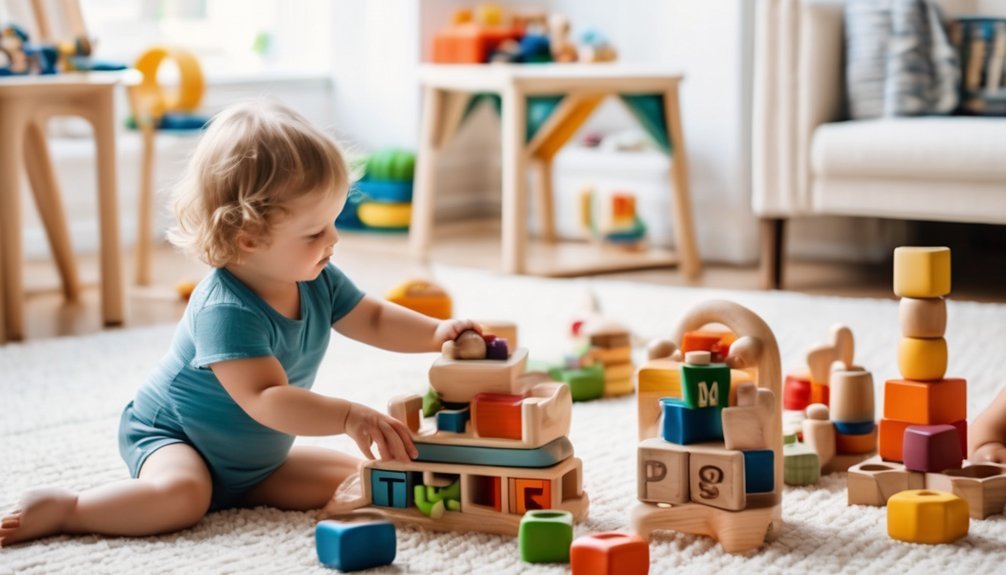
Educational toys for toddlers are most effective when they support core developmental skills such as language, motor coordination, problem-solving, and early social learning.
Well-designed blocks, shape sorters, push-and-pull toys, and simple puzzles offer age-appropriate challenges that invite interactive play without overwhelming little hands or minds. Toys with varied textures, bright colors, and safe sounds can sustain attention while encouraging imaginative exploration.
Research on early childhood development suggests that repeated, self-directed engagement with these materials supports concentration, curiosity, and confidence. The best choices are durable, easy to grasp, and open-ended, allowing a toddler to return to them in different ways as abilities grow.
In a warm home environment, such toys can feel especially inviting, creating gentle moments of discovery and connection for the child.
How Educational Toys Help Toddlers Learn
Through repeated play, educational toys help toddlers strengthen early learning skills in ways that match their developmental stage. Simple shape sorters, stacking sets, and picture books invite exploration, helping cognitive development by supporting memory, attention, language, and early problem-solving.
As toddlers compare sizes, match colors, and notice patterns, they begin to form basic concepts that make later learning feel familiar and secure. Many toys also encourage social interaction, especially when an adult or peer joins the play. Turn-taking, shared attention, and imitation help toddlers practice listening and responding with growing confidence.
These early experiences are small but meaningful, creating a warm foundation for curiosity, communication, and independence as young children continue to discover the world around them.
Best Educational Toys for Fine Motor Skills
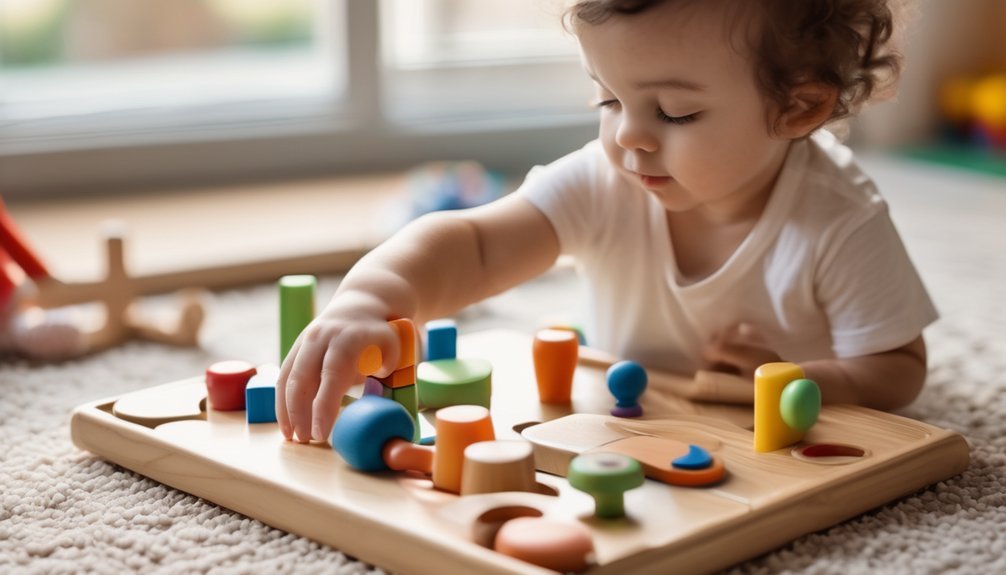
Toys that invite grasping, pinching, stacking, and threading are especially effective for building fine motor skills in toddlers. Research suggests these movements strengthen the pincer grasp, refine hand-eye coordination, and support later tool use.
Stacking toys and building blocks encourage careful placement and balance, while shape sorting asks little hands to match forms with growing precision. Threading activities, such as large beads or lacing cards, require sustained focus and controlled release.
Sensory bins with safe scoops, cups, and hidden objects can promote tactile exploration and wrist stability. Finger painting adds resistance, helping toddlers learn to isolate fingers and move with intention.
The best options are simple, open-ended, and sized for small hands, offering repeated practice without frustration, so development feels warm, natural, and engaging.
Toys That Build Language Skills
Language blooms when toddlers can hear, name, and repeat words in meaningful play. Toys that build language skills work best when they invite simple turn-taking, clear labeling, and warm interaction with a caregiver.
Picture books with sturdy pages, matching cards, and language building games help toddlers connect spoken words to objects, actions, and feelings. Storytelling puppets are especially effective because they encourage tiny conversations, imitate familiar routines, and make new vocabulary feel safe and alive.
Research on early development shows that repetition, rhyme, and responsive back-and-forth support listening and speech growth. Toys with animal sounds, everyday nouns, and short prompts can gently strengthen comprehension.
The most helpful toys leave room for close, affectionate exchanges, where words are heard, practiced, and joyfully remembered.
Toys for Problem-Solving Play
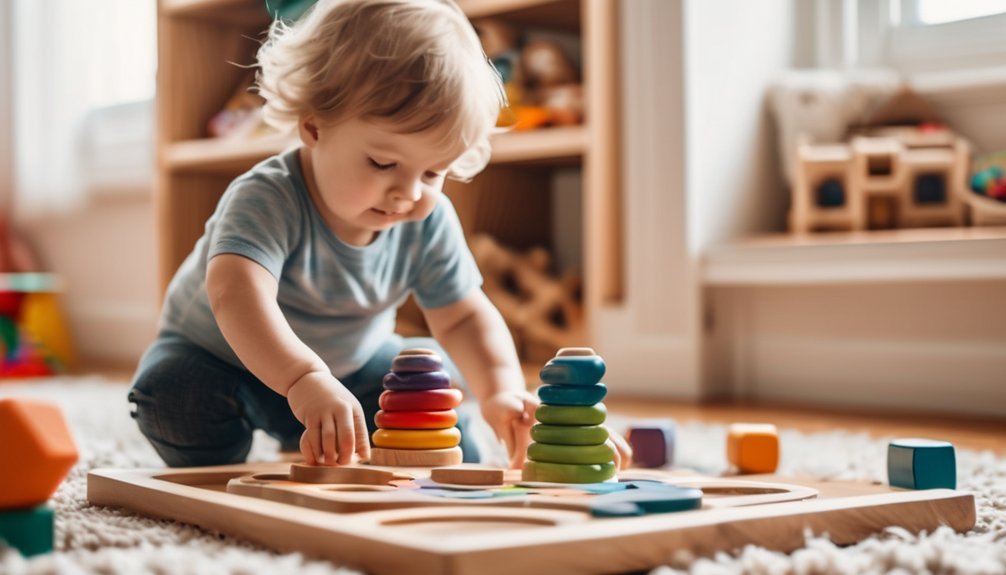
Problem-solving toys help toddlers practice observing, comparing, stacking, sorting, and trying again when something does not fit on the first attempt. Research on early development suggests such play supports persistence, attention, and flexible thinking in the 18- to 36-month range. Gentle puzzle challenges and simple interactive games invite small hands to match shapes, turn pieces, and notice cause and effect.
| Toy Type | Skill | Why It Helps |
|---|---|---|
| Shape sorter | Matching | Builds visual discrimination |
| Nesting cups | Ordering | Encourages size comparison |
| Peg puzzle | Fine motor | Strengthens hand control |
| Hide-and-find board | Memory | Supports recall and attention |
| Stacking rings | Sequencing | Teaches trial and error |
Caregivers often find these toys reassuring, because progress becomes visible in calm, satisfying moments.
STEM Toys for Toddlers
STEM play gives toddlers early experiences with patterning, cause and effect, and simple hands-on exploration.
At this age, sturdy blocks, nesting cups, and shape sorters support STEM building by inviting children to stack, compare, and test balance. Simple engineering toys with large pieces help little hands practice coordination while learning how parts fit together.
Toys that introduce coding basics, such as sequence cards or push-button pathways, can build early thinking about order and direction without demanding reading skills.
Research suggests that open-ended sets work best when they match a toddler’s developmental level and allow repeated trial and error.
For families seeking close, meaningful learning, these toys offer calm, shared moments that make discovery feel personal, responsive, and deeply rewarding.
Musical and Sensory Toys for Toddlers
Beyond building and sorting, toddlers also benefit from toys that engage hearing, touch, and movement in simple, repeatable ways. Research suggests these experiences support attention, imitation, and early self-regulation.
Musical exploration can include drums, shakers, and xylophones that let little hands produce cause and effect with ease. Sensory discovery often comes through textured balls, soft fabrics, and pop-and-slide panels that invite gentle repetition and quiet focus.
- Rhythm toys encourage turn-taking and listening.
- Textured toys support tactile awareness and fine-motor practice.
- Light-up sound toys reinforce visual-auditory connection.
- Movement-based toys promote coordination and body awareness.
For families seeking intimate, everyday learning moments, these toys can feel like small invitations to wonder, offering a calm, affectionate bridge between play and growth.
How to Choose Safe Toddler Toys
Safety begins with age-appropriate design, since toddlers explore toys with their mouths, hands, and whole bodies, making sturdy construction and non-toxic materials essential.
For toddler toy safety, caregivers can check labels for age ranges, sharp edges, loose parts, and choking hazards. Toys with securely fastened eyes, buttons, or batteries reduce risk during rough play.
Experts also recommend durable finishes and non-toxic materials that resist peeling, cracking, or splintering after repeated use.
Quiet inspection matters: a toy should feel solid, wash easily, and fit comfortably in small hands.
Simple designs often support safer exploration while still inviting curiosity, problem solving, and early learning.
Regular checks for wear, damage, and recalls help keep playtime both nurturing and secure for a child.
Best Toys for Each Toddler Stage
As toddlers grow, the best toys shift to match emerging motor, language, and problem-solving skills. Research suggests that developmental milestones toys work best when they mirror what the child can almost do, then gently invite the next step.
At 12 to 18 months, simple stacking cups, shape sorters, and push toys support grasping and walking.
From 18 to 24 months, large crayons, pretend food, and animal figures strengthen language and imitation.
At 2 to 3 years, puzzles with knobs and basic construction sets build persistence and spatial reasoning.
For older toddlers, musical toys and open-ended art materials deepen toddler playtime benefits by encouraging self-expression and shared attention.
Gentle, stage-matched choices help learning feel warm, natural, and close.
Frequently Asked Questions
How Do I Clean and Disinfect Toddler Toys Safely?
Toddler toys are safest when cleaned by material safety rules: wash plastic with soap and water, disinfect with diluted bleach, and air-dry. For developmental, age-appropriate cleaning methods, avoid harsh chemicals on plush, wood, or electronics.
Which Toys Are Best for Travel and Car Rides?
Travel activities often suit toddlers best when they are portable games, quiet toys, and mess free options; research suggests simple board books, sticker books, magnetic play, and soft sensory toys support attention, self-regulation, and fine-motor growth.
How Many Toys Should a Toddler Have at Once?
A toddler often benefits from 8–12 toys at once, rotating them regularly. Research supports toddler toy limits and toy organization strategies that reduce overwhelm, encourage focus, and keep play developmentally rich, age-appropriate, and warmly engaging.
When Should I Rotate My Toddler’s Educational Toys?
When attention fades like a dimming lantern, toy rotation is wise. Rotation is often helpful every 1–2 weeks, or sooner if interest drops. Observing signs for rotation supports toy rotation benefits, developmentally, and age-appropriately.
Can Educational Toys Help Shy Toddlers Socialize?
Yes, educational toys can help shy toddlers socialize. Research suggests role playing games and group activities build turn-taking, language, and confidence. Gentle, age-appropriate play lets a child warm up to others comfortably and naturally.
Conclusion
In summary, the best educational toys for toddlers gently support growing minds and bodies through play that feels both joyful and purposeful. Building blocks, shape sorters, puzzles, and sensory toys can quietly strengthen language, coordination, and early problem-solving skills. When chosen with care, age-appropriate, non-toxic toys also create a safer space for exploration. Ultimately, the most valuable options are those that invite curiosity, encourage connection, and help each toddler progress at a comfortable pace.