Fun counting games can give young children a simple start with early math. They often learn best through movement, songs, and familiar objects they can touch and see. A few fingers, a toy pile, or a car ride can become a useful lesson. When adults keep the activity calm and encouraging, children may build confidence and begin to notice numbers in new ways.
Key Takeaways
- Count fingers, toes, and body parts to make numbers feel concrete and fun.
- Use counting songs, rhymes, clapping, and jumping to practice number order.
- Count everyday objects like socks, spoons, buttons, or snacks around the home.
- Try playful activities such as scavenger hunts, obstacle courses, and sorting games.
- Keep counting games gentle, repetitive, and encouraging to build confidence and learning.
Why Counting Games Help Kids Learn
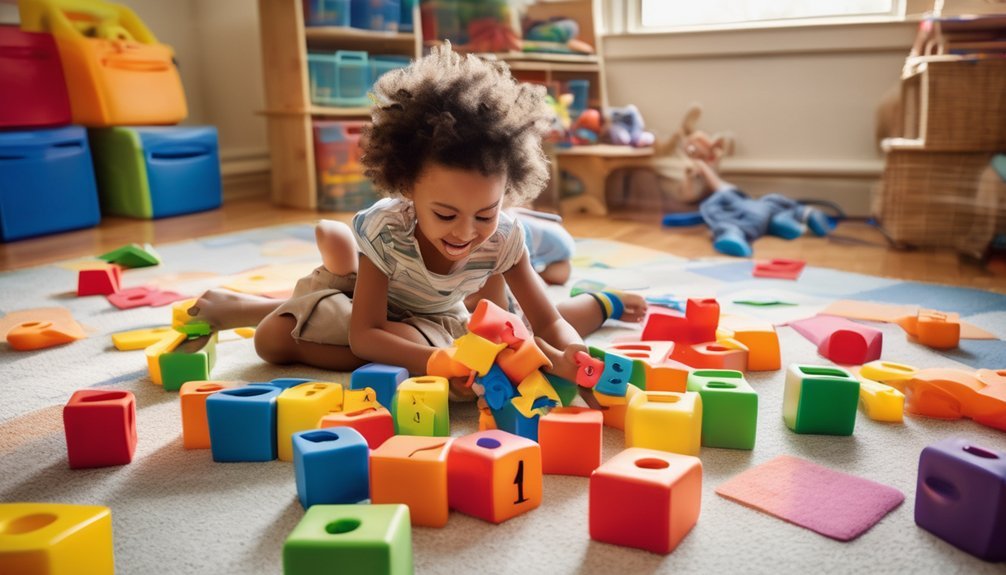
Counting games help young children learn by turning early math skills into playful, repeated practice. They invite children to notice patterns, match number words with objects, and build numerical skills in ways that feel safe and engaging.
As children repeat simple counting routines, they strengthen memory, attention, and confidence, all of which support early math development. These games also let adults guide gently, offering encouragement without pressure. When a child succeeds, the experience can feel personal and warm, helping learning stick.
Over time, counting games make abstract ideas more familiar, giving children a steady foundation for later school tasks. Their value lies in combining joy, rhythm, and clear structure, which helps children grow with assurance and curiosity.
Counting Fingers and Toes
Hands and feet offer children a simple, familiar way to explore number sense. Counting each finger and toe helps a young child connect quantity with touch, sight, and movement. Adult guidance can begin with one hand, then both hands, then toes, allowing the child to notice how numbers grow.
Short finger games, such as lifting one finger at a time or showing a set number, strengthen attention and one-to-one matching. Toe tags can be playful markers during dressing or barefoot play, inviting the child to count, compare, and name body parts with care. This kind of counting supports language, fine motor control, and early math confidence.
Gentle repetition matters, because familiar body-based counting feels secure and inviting for growing learners.
Sing Counting Songs Together
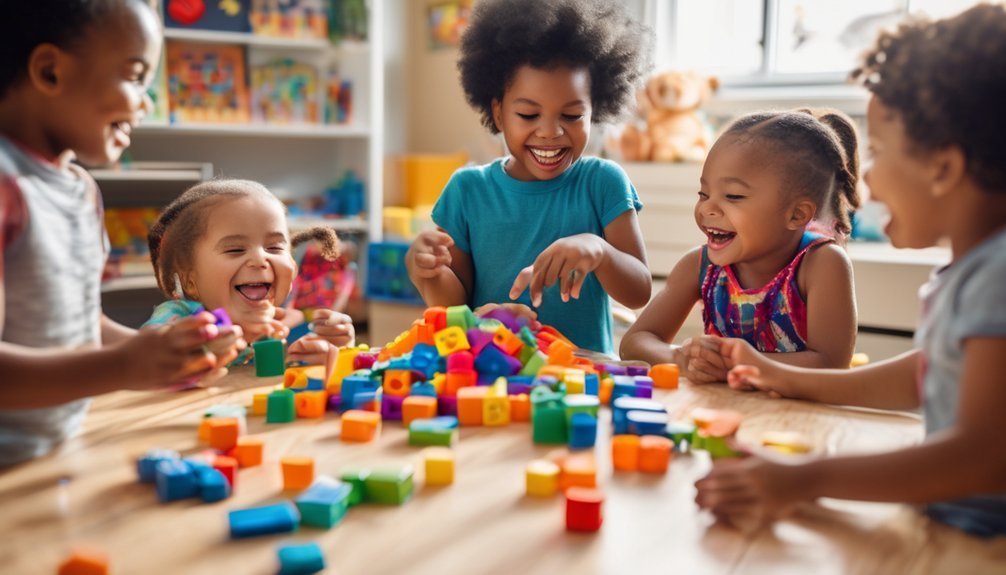
Singing simple counting songs gives young children another familiar way to practice number order and one-to-one matching. Gentle counting rhymes invite them to hear each number in sequence, while musical numbers make repetition feel warm and safe. A caregiver can sing slowly, pausing so a child can join in on the next number or point to objects as each word is heard.
- Choose short songs with clear, steady beats.
- Repeat the same counting rhyme often.
- Use fingers, toys, or pictures to match each number.
- Smile and model the words calmly.
This shared routine supports early listening, memory, and number confidence. With patient practice, the child may begin to anticipate the next number and feel proud of joining the song.
Move and Count With Action Games
Jumping, clapping, and stepping can turn number practice into a lively game for young children. Caregivers can invite brief rounds of jumping jacks, animal motions, and dance steps while counting each move aloud.
A simple obstacle course helps little bodies follow directions, and balance games build focus as children count their steps. During follow leader, each child can repeat motions and numbers with warm support.
Hopscotch counts make outdoor play purposeful, while tag counting adds quick practice in motion. Hide seek can include counting to a set number before searching. A scavenger hunt can ask children to find three leaves or five stones.
These active games strengthen number sense, body awareness, and joyful participation together.
Count With Toys and Blocks
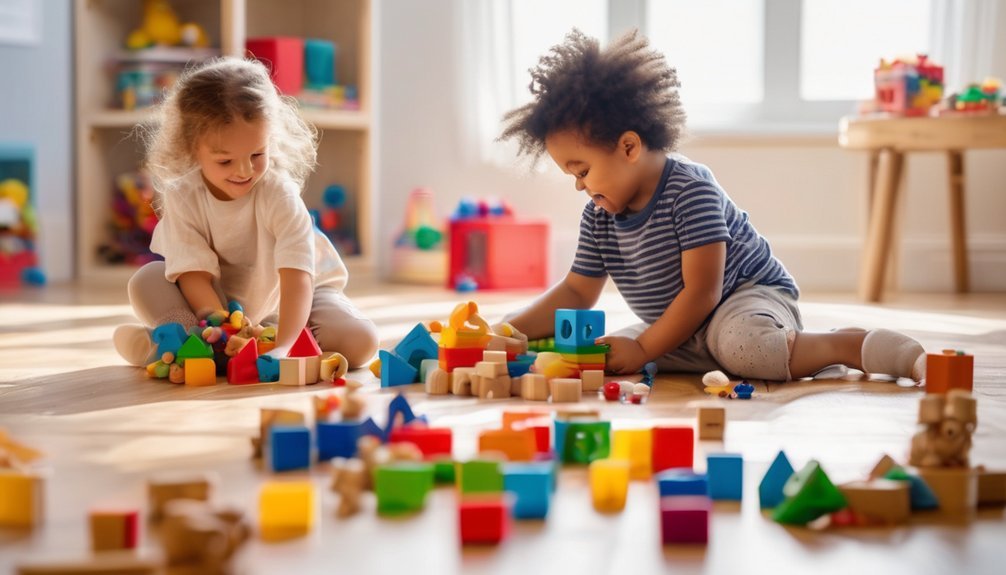
Blocks, cars, and small toys can make counting concrete for young children. A caregiver can invite careful sorting, touching, and placing, so each object becomes a clear number. This supports early one-to-one correspondence and steady attention.
- Line up three blocks, then count them aloud.
- Build block tower math by adding one piece at a time.
- Use teddy bear counting to match each bear with a spoken number.
- Ask the child to pass over objects after counting them.
Such play feels gentle and familiar, which can ease learning. It also helps children notice “more” and “less” without pressure.
With repeated, warm practice, counting through toys can grow into confident early number sense.
Count Everyday Objects at Home
At home, counting can begin with familiar objects such as spoons, socks, steps, or apples. A caregiver may invite a child to touch each item while saying one number at a time, helping the rhythm feel warm and secure. Household items make easy practice, and kitchen utensils can be counted during simple routines. Toy collections, art supplies, outdoor objects, furniture pieces, pet toys, and seasonal decorations all offer gentle chances to notice quantity.
| Object | Count | Place |
|---|---|---|
| spoons | 3 | kitchen |
| socks | 2 | drawer |
| steps | 5 | stairs |
| apples | 4 | bowl |
| books | 6 | shelf |
This calm repetition supports memory, language, and early confidence without pressure.
Sort and Group by Number
Young children can begin to sort objects into groups by the number of items in each set, such as two crayons in one pile and three shells in another. This gentle practice supports number recognition and helps little learners notice how sets match.
Caregivers can offer grouping activities with buttons, blocks, or snacks, inviting the child to place the same number together.
- Choose familiar objects.
- Model one small group.
- Count each set aloud.
- Ask the child to find a matching group.
This approach builds confidence through calm repetition. When children sort by number, they strengthen early math thinking while enjoying close, guided moments.
Small successes help them feel capable, seen, and ready for more counting play.
Make Counting Games Harder
As children grow comfortable sorting small groups by number, the counting play can become a little more challenging. A caregiver can invite advanced counting by asking the child to count larger sets, then compare which group has more or fewer items.
Simple picture cards, bead strings, or stacks of blocks can introduce multi-digit challenges without pressure. The adult may pause and let the child explain each answer, which strengthens attention and number sense.
Games that ask for counting backward, skipping a number, or starting from a different point also build flexibility. Gentle praise helps the child feel capable, while small increases in difficulty keep learning inviting.
With patient support, counting becomes less about memorizing and more about noticing patterns and growing confidence.
Counting Games for Car Rides
During a car ride, a caregiver can turn the passing scenery into a simple counting game. Young children may count red cars, stop signs, bridges, or animals, building number sense while sharing a close, calm moment.
A license plate scavenger adds gentle challenge as they look for specific letters or numbers. Travel themed bingo can give the ride a purpose, with each sight marked on a small card.
- Count trucks together.
- Find three blue cars.
- Spot one billboard.
- Track each mile marker.
These games support attention, language, and early math without pressure. The caregiver can model counting slowly, repeat numbers clearly, and invite the child to respond.
Small successes help the child feel capable and warmly connected.
How to Keep Counting Games Fun
Counting games stay fun when they feel light, familiar, and easy to join. A gentle pace helps young children stay engaged without pressure, while short rounds protect attention and enjoyment.
Adults can rotate creative themes, such as animals, food, or favorite toys, so counting feels fresh and warmly personal. Simple choices, like letting a child pick objects to count, build ownership and confidence.
Interactive challenges work best when they invite movement, laughter, and small successes rather than competition. Praise should be specific and sincere, reinforcing effort as much as accuracy.
When counting is woven into play, children practice number skills naturally and feel close to the experience. That sense of safety encourages curiosity, helping each game remain cheerful, meaningful, and easy to revisit.
Frequently Asked Questions
What Age Should Children Start Counting Games?
Children can begin counting games around age two to three, when early numeracy and counting milestones start emerging. A gentle, supportive approach helps each child build confidence, curiosity, and comfortable learning through play.
How Can I Tell if My Child Is Ready to Count Objects?
A child is ready to count objects when counting readiness signs appear: matching one object to one word, recognizing small groups, and showing curiosity. Gentle, playful counting activities can then support growth warmly and confidently.
What Counting Games Work Well for Shy Children?
Counting games for shy children often blossom like moonlit seeds: one-to-one sharing, whispered number hunts, and tiny turn-taking circles. With quiet participation and gentle encouragement, they build confidence, support learning, and invite warm connection.
How Long Should a Counting Game Session Last?
A counting game session should last 5 to 10 minutes, matching the child’s attention span. Short, gentle session duration supports learning, keeps engagement warm, and allows repeated practice without fatigue or pressure.
Can Counting Games Help With Learning Numbers in Order?
Yes, counting games can help children learn numbers in order by strengthening number recognition through playful repetition. This developmental practice supports supportive, educational growth, helping children feel gently connected while building confidence and early sequencing skills.
Conclusion
Fun counting games give young children a strong start in math while keeping learning playful and calm. By counting fingers, singing songs, moving, sorting toys, and playing on car rides, children practice numbers in ways that feel natural and enjoyable. With gentle encouragement and small challenges, each game becomes a step forward. Like building blocks, these simple activities help children grow confidence, curiosity, and a positive attitude toward learning.