
If you’re juggling school drop-offs, dinner plans, and a pile of bills, a printable planner can keep your week from slipping off track. The best options give you room for chores, meals, budgets, and appointments without adding clutter. You’ll want one that fits your family’s routine and is easy to update, because the right layout can change how smoothly your days run—and the details that matter most come next.
Key Takeaways
- Choose printable planners with flexible weekly layouts for chores, activities, screen time, and family meeting reviews.
- Look for meal planning pages that connect dinners, grocery lists, recipes, pantry staples, and leftover plans.
- Pick budget planners that track bill due dates, spending limits, payments, and monthly expense summaries.
- Use school organization pages for homework schedules, assignment checklists, project tracking, and daily workload updates.
- Favor customizable, digital-friendly planners with clear design and low-waste printing options for repeated use.
What Makes a Great Printable Planner?
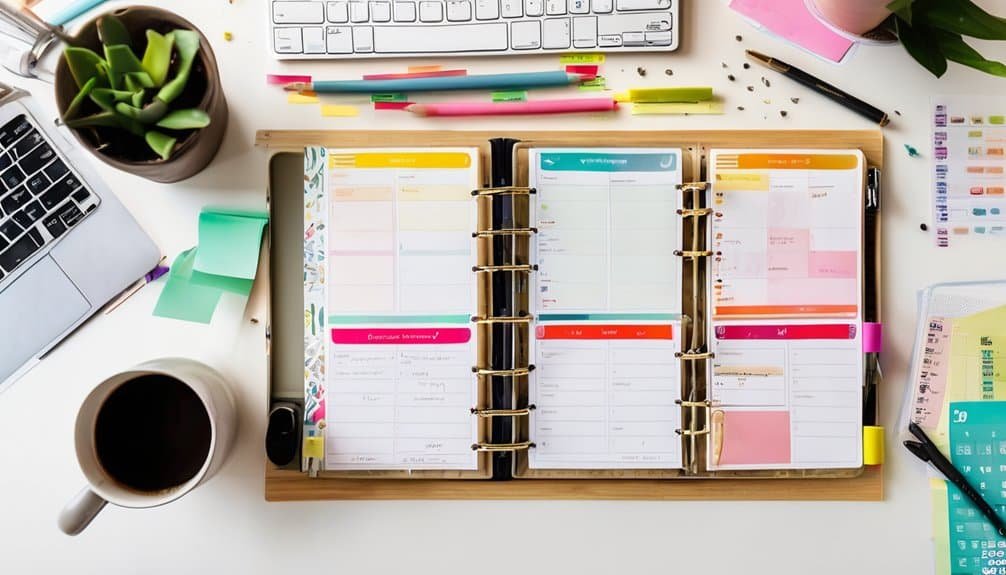
A great printable planner makes family life easier by giving you a clear, flexible way to track what matters most. You want planner features that support your routines, from clean layouts to space for notes and priorities.
Strong design elements improve readability, while customization options let you tailor pages to your exact needs. Check digital compatibility if you like to edit, store, or reprint files efficiently. You should also weigh sustainability factors, especially if you prefer low-waste planning habits.
User feedback can reveal what actually works in daily use, so review it before you choose. Focus on organization strategies that keep tasks visible and manageable.
Finally, choose a planner with aesthetic appeal, because a polished look can help you stay consistent and motivated.
Weekly Planners for Busy Families
Add chore charts so everyone knows their responsibilities, and track screen time to keep routines balanced. A strong layout also helps you coordinate extracurricular activities without double booking.
Use a weekly review during family meetings to adjust priorities fast. If your calendar changes often, choose sections for seasonal planning and vacation itineraries so you can prepare ahead.
With a disciplined planner, you’ll stay organized, reduce stress, and guide your family’s week with confidence and control.
Meal Planning Planners That Save Time
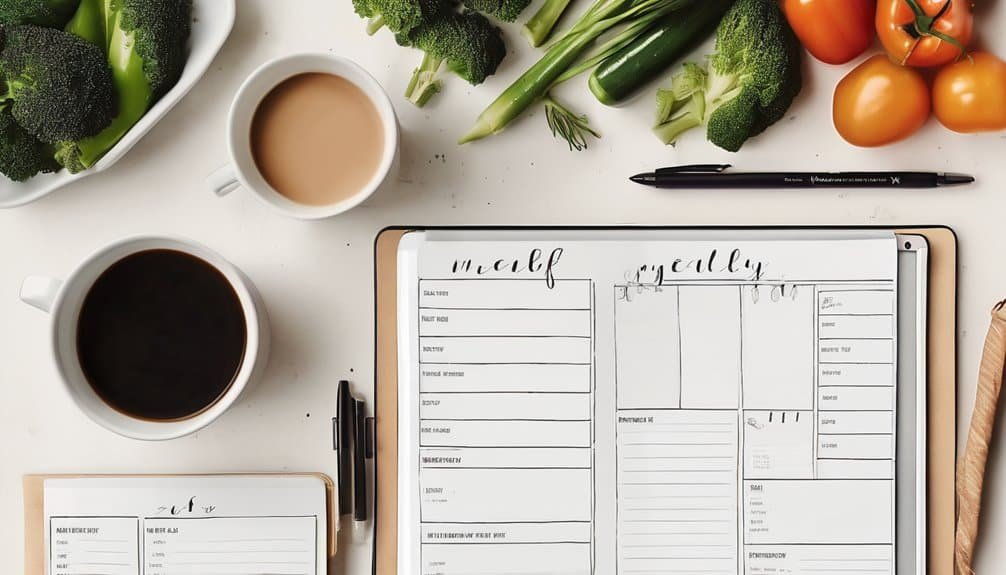
Meal planning planners can make busy parent life run more smoothly by taking the guesswork out of what’s for dinner, what groceries you need, and when you’ll prep meals. You can map out meal prep for the week, then link each dinner to clear grocery lists and family recipes. This keeps your time management sharp and helps you hit nutritional goals without last-minute scrambling.
Use cooking schedules to assign prep days, leftovers, and slow-cooker nights, so you stay ahead of the evening rush. Strong kitchen organization lets you track pantry staples, reduce duplicate purchases, and keep tools ready.
When you note dining preferences, you can plan meals everyone’ll actually eat, which cuts waste and stress. With a simple printable system, you’ll plan faster and cook with confidence each week.
Budget and Bill Trackers for Families
Budget and bill trackers help you stay on top of household money by putting due dates, payment amounts, and spending limits in one easy-to-read place. You can use them to strengthen family finance, keep expense tracking consistent, and spot patterns before they become problems.
Add bill reminders, note fixed costs, and compare them with weekly income management so you know what’s available. For better financial organization, list each account, mark paid items, and record balances in real time.
Use budgeting tips to set savings goals, then review spending analysis monthly to adjust your plan. When you track every dollar, you’ll make smarter choices, reduce missed payments, and build a calmer, more controlled money system for your family.
School and Homework Planners
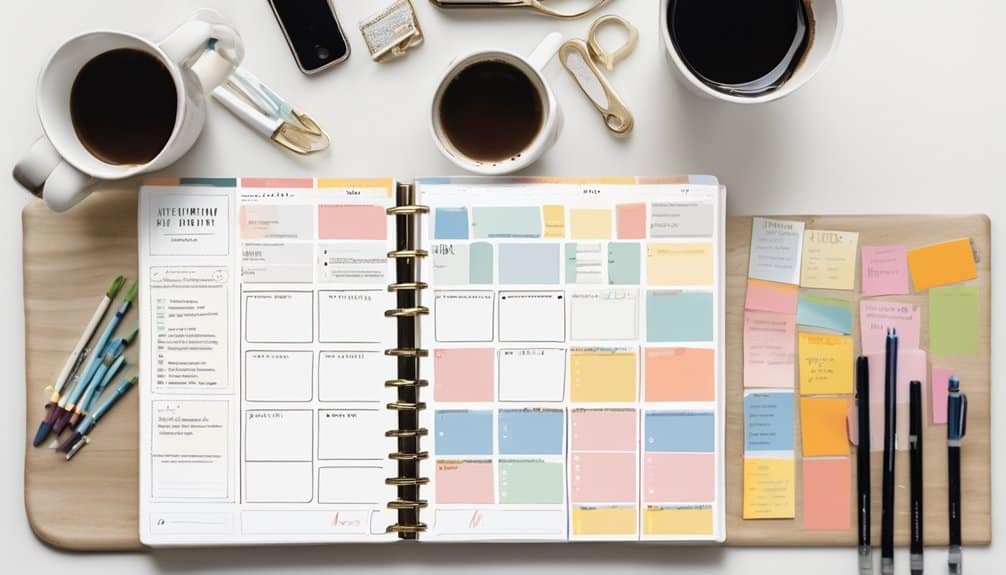
A tidy homework hub can make school nights feel much easier. You can use school and homework planners to tighten homework scheduling, strengthen subject organization, and keep time management visible. Build study timetables that match your child’s energy, then add assignment checklists so nothing slips. Use project tracking to break large tasks into clear steps, and reserve space for exam preparation notes and grade monitoring.
| Task | Due | Status |
|---|---|---|
| Math worksheet | Tue | Done |
| Science project | Fri | In progress |
| Reading log | Mon | Pending |
Review the planner daily, update it after school, and move unfinished items forward. When you keep one system, you’ll reduce stress, spot overload early, and guide your child toward consistent results.
Activity Planners for Parents
When your family calendar starts filling up, activity planners help you keep lessons, practices, playdates, and appointments in one clear view. You can map the week, assign locations, and note what you need to bring, so nothing slips through the cracks.
Use color coding to separate each child’s commitments and spot conflicts fast. Add family activity ideas beside open blocks, then choose options that fit your energy, budget, and schedule.
Strong time management tips include setting weekly planning sessions, reviewing transit time, and building in buffer space between events. A printable activity planner also helps you track RSVPs, deadlines, and seasonal goals without clutter.
With a clear system, you’ll coordinate busy days with confidence and keep your family moving smoothly.
Daily Planners for Stay-at-Home Parents
| Block | Focus | Result |
|---|---|---|
| Morning | task prioritization | smoother start |
| Midday | organization methods | fewer interruptions |
| Evening | self care tips | better recovery |
When you map priorities first, you protect energy for what matters most. Keep notes short, review tomorrow’s plan nightly, and adjust fast when life changes. With consistent use, your planner becomes a practical system for mastery, not just a list.
Printable Planners for Working Parents
How do you keep work, home, and family moving without losing track of anything? Printable planners for working parents give you a clear system for time management, family organization, and stress reduction.
You can map meetings, school events, deadlines, and errands in one place, then use task prioritization to handle the right job at the right time.
Build weekly review pages to track goal setting, mark urgent items, and spot conflicts before they derail your day.
Add productivity hacks like color coding, time blocking, and quick checklists to stay efficient.
Because you print only what you need, you keep control without extra clutter.
Use your planner daily, and you’ll stay focused, flexible, and ready for each demand.
How to Choose a Printable Planner for Your Family
Start by matching the planner to your family’s real routine, not an ideal one. Map your week first: school drop-offs, work shifts, meals, practices, and recurring chores.
Choose a layout that supports those family routines, whether you need daily blocks, weekly overviews, or separate sections for kids, meals, and tasks. If you already use digital planners, pick a printable format that complements them instead of competing with them.
Look for clean typography, enough writing space, and categories you’ll actually use. Prioritize features that reduce friction: goal trackers, appointment boxes, and habit lines.
Avoid extras that look impressive but won’t help. The best planner fits your pace, shows priorities clearly, and makes it easier to stay consistent without adding mental load.
How to Print and Set Up Your Planner at Home
Before you print anything, decide whether you want your planner in letter size, half size, or another format that matches your binder or clipboard.
Then test one page to confirm margins, color, and scaling. Use high-quality paper for covers and heavier notes pages, and standard paper for daily inserts.
If your printer allows duplex printing, turn it on to save time and reduce bulk. Trim pages neatly, punch holes with a guide, and sort sections before assembly.
These printing tips keep your planner organization clean and efficient. Add tabs, labels, and dividers after you stack each section in order.
Finally, place your planner where you’ll use it most, so you can update it quickly and stay consistent all week.
Frequently Asked Questions
Which Planner Format Works Best for Large Families?
A weekly planner with hourly blocks and family scheduling sections works best for large families. You’ll manage overlapping activities, appointments, and chore management more clearly, and you can adjust it easily as needs change.
Are Printable Planners Compatible With Mobile Devices?
Yes, if you open them on your phone or tablet, printable planners can work well; digital accessibility and planner app integration matter. Keep files PDF-friendly, sync them, and you’ve got a modern quill for your pocket.
Can I Customize Planner Layouts for Different Parenting Styles?
Yes, you can tailor planner layouts to your parenting preferences. Choose customization options like color-coding, meal blocks, chore trackers, and weekly goals, then adjust sections to match your routine, priorities, and family management style.
Where Can I Find Eco-Friendly Printable Planner Options?
You’ll find eco-friendly printable planner options on Etsy, Creative Market, and small design shops offering digital downloads. Choose sellers using sustainable materials, recycled packaging, and low-impact production, then print only pages you need.
How Often Should I Replace or Update My Planner?
You should update your planner monthly, and replace it yearly, unless your life loves surprise chaos. Use planner maintenance tips and planner organization strategies weekly, so you stay sharp, efficient, and in control.
Conclusion
With the right printable planner, you can turn family chaos into a clear routine that actually works for you. Parents who use planning tools are up to 25% more likely to stay on top of daily tasks, which means more time for what matters most. Pick the layout that fits your family’s rhythm, print it at home, and start small. You’ll build a system that’s flexible, simple, and easier to stick with every week.