When you choose BPA-free bottles, you’re making a conscious decision for your health and the environment. Bisphenol A, commonly found in many plastics, poses serious health risks, particularly regarding hormonal balance. By opting for safer alternatives, you not only protect yourself but also encourage manufacturers to adopt more sustainable practices. Curious about how BPA impacts your daily life and what options are available? Let’s explore the implications together.
Key Takeaways
- BPA-free bottles reduce exposure to harmful chemicals that can disrupt hormonal balance and pose health risks, including cancer.
- Choosing BPA-free products promotes consumer awareness and encourages manufacturers to prioritize safety and health in their offerings.
- BPA-free options often meet higher safety standards, providing peace of mind for families concerned about health and environmental impact.
- Transitioning to BPA-free bottles supports sustainability by encouraging the use of safer materials, contributing to a healthier environment.
- Utilizing BPA-free bottles can lead to significant lifestyle improvements, fostering healthier choices and reducing potential health risks.
Understanding BPA and Its Uses
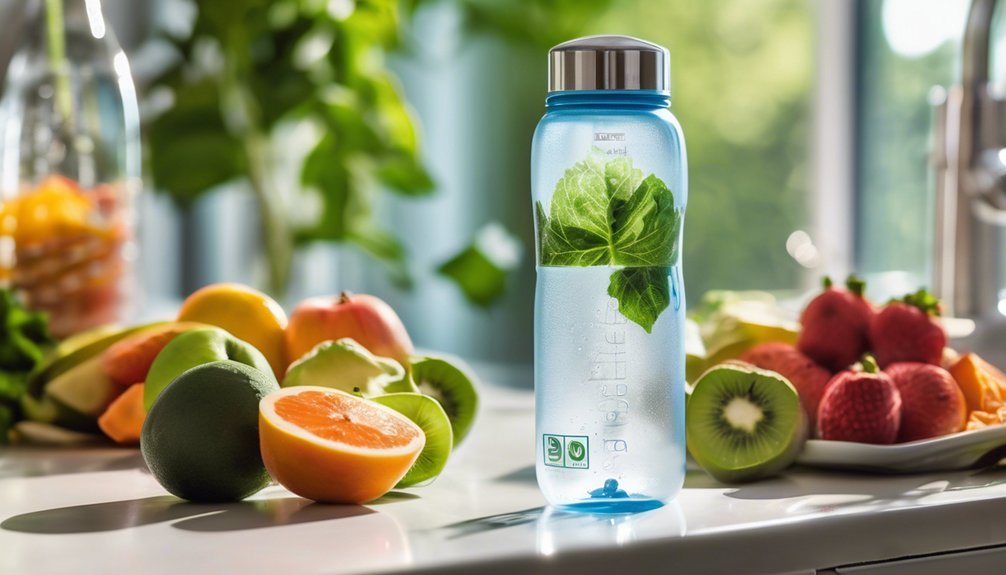
When you pick up a plastic bottle, you mightn’t realize that it could contain bisphenol A, commonly known as BPA. This chemical is often used in making plastics and resins, which means it’s found in many everyday items, from water bottles to food containers.
BPA sources are prevalent, and it’s vital to understand where they lurk. While some regulations have been put in place to limit BPA exposure, many products still contain it, raising concerns about safety.
You deserve to know what’s in the items you use daily. By opting for BPA-free bottles, you take a proactive step toward safeguarding your health and the environment. Choosing wisely is more than just a preference; it’s a responsibility we all share.
Health Risks Associated With BPA
Although BPA is commonly found in many products, its health risks are serious and can’t be ignored.
You mightn’t realize that exposure to BPA can lead to significant health concerns, including hormonal disruptions and potential links to certain cancers. Regulatory measures have been put in place to limit BPA in food containers and children’s products, but its presence remains widespread.
By choosing BPA-free bottles, you’re taking an important step toward protecting your health and that of your loved ones. You deserve peace of mind knowing that you’re avoiding harmful chemicals.
Make informed choices about the products you use daily—your body will thank you for it. Prioritizing your health now can lead to a brighter, healthier future.
The Impact of BPA on Hormonal Balance
BPA’s presence in everyday products can disrupt your hormonal balance, leading to a range of health issues. You mightn’t realize it, but this chemical can cause significant endocrine interference in your body.
By mimicking estrogen, BPA can lead to hormonal disruption, affecting both men and women in various ways.
Here are some potential impacts you should be aware of:
- Altered reproductive health
- Increased risk of hormone-related cancers
- Changes in metabolism and weight
Understanding the effects of BPA on your hormones is crucial. By choosing BPA-free options, you can take a proactive step toward maintaining your hormonal health.
BPA Exposure in Daily Life
Everyday life is filled with countless opportunities for BPA exposure, often in ways you might not expect. You might be surprised to learn that BPA sources are all around you, contributing to your daily exposure. From the plastic containers you use to store food to the receipts you handle, BPA can sneak into your life without you realizing it.

| BPA Sources | Daily Exposure |
|---|---|
| Water bottles | Drinking and refilling |
| Food packaging | Microwaving leftovers |
| Canned goods | Opening and consuming |
| Thermal receipts | Handling transactions |
| Plastic toys | Children’s playtime |
Recognizing these sources is the first step in protecting yourself and your loved ones from potential harm. Stay informed and make mindful choices!
Benefits of Choosing BPA-Free Products
Making informed choices about the products you use can significantly reduce your BPA exposure and enhance your well-being. By opting for BPA-free products, you’re not just making a safer choice; you’re also promoting a healthier environment for yourself and your loved ones.
Here are some key benefits:
- Adherence to safety standards: BPA-free products often meet higher safety benchmarks, ensuring fewer harmful chemicals.
- Increased consumer awareness: Choosing BPA-free options encourages manufacturers to prioritize health, driving a shift towards safer materials.
- Peace of mind: Knowing you’re reducing potential health risks allows you to enjoy your daily activities without worry.
Embracing BPA-free products is a small yet impactful step toward a safer, healthier lifestyle for you and your family.
How Bpa-Free Bottles Are Made
When you choose BPA-free bottles, you’re opting for products crafted from safer alternatives that prioritize your health. The manufacturing processes for these bottles focus on using materials like Tritan or polyethylene, which don’t leach harmful chemicals. Manufacturers source these materials carefully, ensuring they meet safety standards while being environmentally friendly.
Here’s a quick comparison of common materials used in BPA-free bottles:
| Material | Characteristics |
|---|---|
| Tritan | Durable, shatter-resistant |
| Polyethylene | Lightweight, flexible |
| Stainless Steel | Long-lasting, easy to clean |
| Glass | Non-toxic, recyclable |
| Silicone | Flexible, heat-resistant |
Identifying BPA-Free Labels

How can you be sure that a bottle is truly BPA-free? It’s essential to look for specific indicators that ensure your choice is safe.
Start by prioritizing label recognition; many brands will proudly display “BPA-Free” on their packaging. Additionally, check for certification standards from reputable organizations, as these often indicate compliance with safety regulations.
Here are a few tips to help you identify BPA-free bottles:
- Look for recycling codes: Avoid plastics labeled with 3 and 7, as they may contain BPA.
- Research brands: Choose those known for their commitment to safety and transparency.
- Seek third-party certifications: Certifications from trusted environmental groups can provide extra assurance.
Environmental Impact of BPA
Though you might think of BPA primarily in terms of personal health, its environmental impact is equally concerning. BPA pollution contributes to the growing plastic waste crisis, threatening environmental sustainability.
When you choose BPA-laden products, you’re inadvertently supporting a cycle that harms marine life and disrupts ecosystems. Recycling challenges arise, as BPA-contaminated plastics are often not processed properly, leading to further environmental degradation.
By raising consumer awareness about these issues, you can help promote the use of biodegradable alternatives that lessen our ecological footprint. Your choices matter; opting for BPA-free bottles not only protects your health but also fosters a healthier planet.
Together, we can combat the harmful effects of BPA and advocate for a sustainable future.
Alternatives to BPA in Plastics
As you seek healthier options for your daily needs, exploring alternatives to BPA in plastics becomes essential.
You’ll find several innovative choices that not only safeguard your health but also benefit the environment. Consider these options:
- Biopolymer alternatives: Made from natural sources, these materials break down more easily and reduce reliance on fossil fuels.
- Recycled plastics: Utilizing existing materials conserves resources and minimizes waste, giving new life to old products.
- Glass or stainless steel: While not plastic, these durable materials are excellent for everyday use and free from harmful chemicals.
The Shift Towards Sustainable Packaging

The growing awareness of the dangers associated with BPA and other harmful chemicals in plastics has sparked a significant shift towards sustainable packaging solutions. As you explore your choices, you’ll notice brands embracing sustainable materials and eco-friendly designs, prioritizing your health and the planet’s well-being. This shift isn’t just a trend; it’s a movement towards a more responsible lifestyle.
| Sustainable Materials | Eco-Friendly Designs |
|---|---|
| Recycled Plastics | Biodegradable Options |
| Glass | Minimalist Packaging |
| Plant-Based Materials | Reusable Containers |
Tips for Transitioning to BPA-Free Bottles
When you decide to make the switch to BPA-free bottles, it’s essential to consider a few key strategies to ensure a smooth transition.
By adopting these transition strategies, you’ll not only safeguard your health but also embrace a more sustainable lifestyle.
- Research different bottle types: Explore options like stainless steel, glass, or BPA-free plastics to find what suits your needs.
- Gradually replace your old bottles: Start by switching out your most-used containers, making the change less overwhelming.
- Educate yourself on proper care: Each bottle type has unique maintenance requirements—knowing these will extend their lifespan.
With these tips, you’ll find it easier to embrace BPA-free bottles and enjoy a healthier, more eco-friendly choice for you and your family.
Future Trends in Plastic Safety
While many consumers are becoming increasingly aware of the importance of plastic safety, emerging trends are shaping a future where safer alternatives are not just preferred but expected. You’ll see a shift towards innovative, emerging materials that promise to reduce health risks while maintaining functionality. Regulatory changes will also play a crucial role in this evolution, pushing manufacturers to adopt safer practices and materials.
| Trend | Description | Impact |
|---|---|---|
| Biodegradable Plastics | Materials that break down naturally | Reduced environmental impact |
| Plant-Based Options | Plastics derived from renewable resources | Lower carbon footprint |
| Enhanced Recycling | Technologies improving recycling efficiency | Reduced waste |
| Safer Additives | Regulations limiting harmful substances | Improved consumer safety |
Embrace these changes; they’re shaping a healthier future for you and the planet.
Frequently Asked Questions
Can Bpa-Free Bottles Be Recycled?
Yes, you can recycle BPA-free bottles! Their recycling processes often reduce environmental impact compared to traditional plastics. By recycling, you contribute to a healthier planet and encourage sustainable practices, making a positive difference for future generations.
Are Bpa-Free Bottles Safe for Hot Liquids?
BPA-free bottles can handle hot liquids, but always check their heat resistance. High liquid temperatures might affect their integrity, so ensure you’re choosing a bottle designed specifically for hot beverages to keep your drinks safe.
What Materials Are Commonly Used in Bpa-Free Bottles?
You know the saying, “A stitch in time saves nine.” Common materials in BPA-free bottles include polypropylene and Tritan copolyester, offering durability and safety. Choosing wisely helps ensure your hydration stays healthy and reliable.
How Can I Clean My Bpa-Free Bottle Effectively?
To clean your bottle effectively, use warm soapy water or a vinegar solution. Regular cleaning methods help with bottle maintenance, keeping it fresh and safe. Don’t forget to scrub those hard-to-reach areas for a thorough clean!
Do Bpa-Free Bottles Have a Shelf Life?
Did you know that some BPA-free bottles can last up to 10 years? However, over time, plastic degradation affects bottle durability. It’s best to replace them every few years for safety and performance.
Conclusion
In choosing BPA-free bottles, you’re not just protecting your health; you’re also making a positive impact on the planet. As the saying goes, “An ounce of prevention is worth a pound of cure.” By opting for safer alternatives, you’re fostering a healthier lifestyle and encouraging manufacturers to innovate sustainably. Don’t wait for change to happen—be the change you want to see. Transitioning to BPA-free products is a simple step that can lead to significant benefits for you and future generations.