
Caring for your baby’s hair and scalp can feel like navigating uncharted waters, especially with all the advice out there. It’s essential to understand your baby’s unique hair type and establish a gentle routine that prioritizes their comfort. You’ll discover the best products and techniques to keep their scalp healthy and hair manageable. What you may not realize is that small changes can make a big difference in their hair care journey.
Key Takeaways
- Identify your baby’s hair type and texture to choose suitable hair care products for optimal growth and comfort.
- Use gentle, baby-safe shampoos and conditioners tailored to your baby’s specific hair needs, such as moisturizing for curls.
- Maintain a washing routine of once or twice a week with lukewarm water to preserve natural oils and prevent dryness.
- Brush or comb the hair daily with a soft-bristled brush, starting from the tips to avoid pulling and discomfort.
- Monitor scalp health for issues like cradle cap, using mild treatments and consulting a pediatrician if problems persist.
Understanding Your Baby’s Hair Type
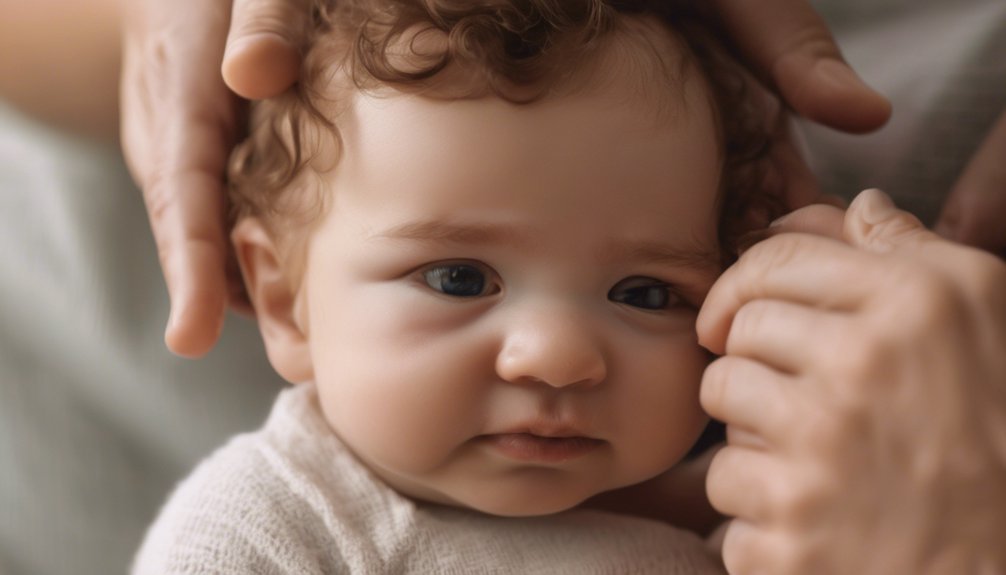
How can you determine your baby’s hair type? Start by examining the curl patterns and hair texture.
Gently run your fingers through their hair while it’s wet to see if it coils, waves, or remains straight. If you notice defined curls, your baby may have curly hair, while loose waves suggest a wavy texture. Straight hair is smooth and lacks curl.
Pay attention to thickness as well; fine hair feels soft and delicate, whereas coarse hair appears thicker and may be more resilient.
Each baby is unique, so take note of these characteristics over time. Understanding your baby’s hair type helps you provide the best care, ensuring their hair stays healthy and beautiful as they grow.
Choosing the Right Shampoo and Conditioner
Knowing your baby’s hair type sets the stage for selecting the right shampoo and conditioner. You want to choose products with baby safe formulas that cater to their unique needs. Look for shampoos and conditioners that include sensitive ingredients, ensuring they’re gentle on your little one’s delicate scalp and hair.
Here’s a quick reference table to help you decide:
| Hair Type | Recommended Products |
|---|---|
| Fine/Thin | Lightweight baby shampoos |
| Curly/Wavy | Moisturizing conditioners |
| Straight | Mild, pH-balanced shampoos |
| Dry/Fragile | Nourishing, hydrating formulas |
| Oily | Gentle cleansing products |
Selecting the right products is essential for keeping your baby’s hair healthy and beautiful.
Establishing a Gentle Washing Routine
To ensure your baby’s hair and scalp remain healthy, it’s crucial to establish a gentle washing routine. Start by choosing a gentle soap specifically designed for infants. This helps prevent irritation while effectively cleansing their delicate skin.
Aim to wash your baby’s hair about once or twice a week; too frequent washing can strip natural oils and lead to dryness. During bath time, use lukewarm water to create a soothing experience, and apply the gentle soap with tender hands. Rinse thoroughly to remove all product without causing discomfort.
Techniques for Combing and Brushing

While it’s important to keep your baby’s hair clean, using the right techniques for combing and brushing is equally essential for maintaining a healthy scalp and preventing tangles.
Start with daily brushing using a soft-bristled brush or wide-toothed comb. This helps distribute natural oils and keeps the hair looking shiny.
For gentle detangling, always begin from the tips and work your way up, using slow, gentle strokes. If you encounter stubborn knots, don’t yank; instead, gently separate the strands with your fingers first.
Make this a soothing experience by talking softly or singing to your baby. Establishing this routine not only keeps their hair healthy but also fosters a loving bond between you and your little one.
Dealing With Cradle Cap
Cradle cap affects about half of all infants, but it’s usually harmless and can be managed easily. This condition often stems from an overproduction of oil in the scalp, combined with a buildup of dead skin cells.

While cradle cap causes aren’t entirely understood, it’s linked to hormonal changes and yeast overgrowth.
For effective cradle cap treatments, gently wash your baby’s scalp with a mild shampoo during bath time. You might also consider using a soft brush or cloth to loosen the flakes.
In some cases, applying a small amount of baby oil or coconut oil can help soften the crusts before washing. If the condition persists or worsens, don’t hesitate to consult your pediatrician for further guidance.
Moisturizing the Scalp
Proper scalp care goes beyond addressing cradle cap; moisturizing is vital for maintaining your baby’s hair and scalp health. Regular scalp hydration keeps their skin soft and prevents dryness.
Here’s how to ensure your little one’s scalp stays nourished:
- Choose a gentle, natural oil for application, like coconut or jojoba oil.
- Apply a small amount to your fingertips and gently massage it into their scalp to promote circulation.
- Frequency matters; consider moisturizing a few times a week, depending on your baby’s needs.
- Watch for reactions and adjust your oil choices if necessary, ensuring it’s suitable for their sensitive skin.
With consistent oil application, you’ll help keep your baby’s scalp healthy and happy.
Protecting Hair From Sun and Elements
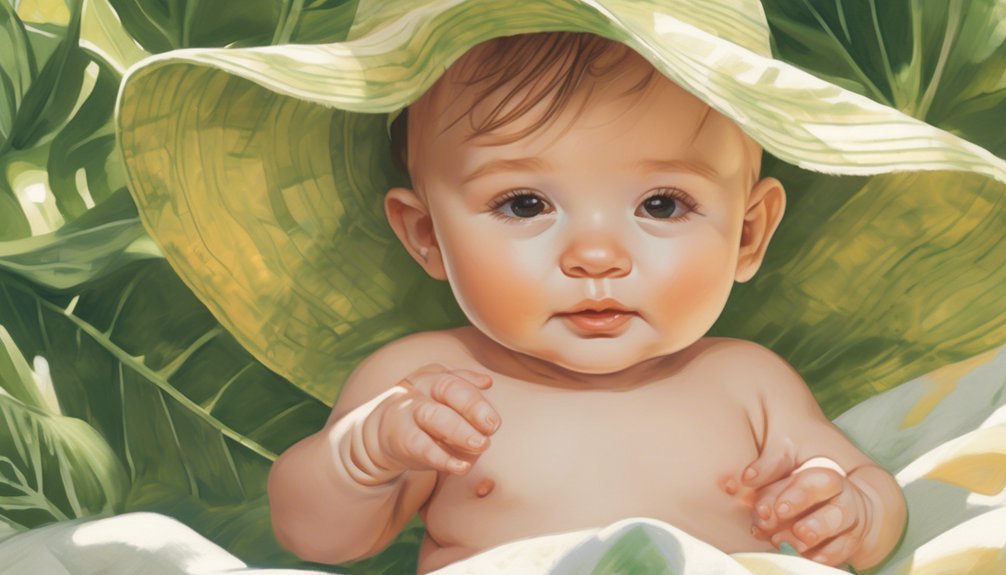
As the sun’s rays can be harsh on delicate hair and scalp, it’s crucial to take steps to protect your baby’s locks from environmental damage.
Start by using a wide-brimmed hat or a UV-protective cap when you’re outdoors. This provides essential sun protection while adding a cute touch to your little one’s outfit.
Additionally, look for baby-friendly hair products with built-in sun protection, which can help shield against harmful rays.
On windy or rainy days, consider using a lightweight scarf or hoodie to guard against weather elements that can cause tangling or moisture loss.
Avoiding Hair Damage
One of the best ways to keep your baby’s hair healthy is by minimizing damage during daily care.
You want to protect their delicate strands and promote scalp health. Here are some tips to avoid hair breakage:
- Use a soft-bristled brush to detangle hair gently.
- Avoid tight hairstyles that can strain hair and scalp.
- Limit the use of hair products with harsh chemicals.
- Be cautious with towel drying; opt for patting instead.
Styling Tips for Infants
While protecting your baby’s hair from damage is important, styling can also be a fun way to express their personality. Consider simple infant hairstyles that are easy to manage and gentle on delicate hair.
Soft bows or headbands make adorable hair accessories that can add charm without causing discomfort. If your baby has longer hair, try loose ponytails or cute clips that keep hair tidy while showcasing their style.
Always ensure that any accessories are safe and age-appropriate, avoiding anything that could pose a choking hazard.
When to Seek Professional Help
When should you consider seeking professional help for your baby’s hair and scalp?
It’s essential to know the signs of concern that indicate when to consult a pediatrician or dermatologist. Keep an eye out for:
- Persistent dryness or flakiness that doesn’t improve
- Redness, swelling, or irritation on the scalp
- Unusual hair loss or bald patches
- Foul-smelling odor from the scalp
These symptoms may signal underlying issues that need professional attention.
Don’t hesitate to reach out if you notice any of these signs. Your baby’s comfort and well-being are paramount, and getting expert advice can help ensure their hair and scalp stay healthy.
Natural Remedies for Common Hair Issues
If your baby is experiencing common hair issues, natural remedies can often provide gentle and effective solutions. Herbal rinses and oil treatments are two excellent options to consider. Herbal rinses, like chamomile or rosemary, can soothe the scalp and promote healthy hair growth. On the other hand, oil treatments using coconut or olive oil can help moisturize and nourish dry hair.
Here’s a quick reference table:
| Issue | Herbal Rinse | Oil Treatment |
|---|---|---|
| Dry Scalp | Chamomile | Coconut Oil |
| Cradle Cap | Calendula | Olive Oil |
| Hair Breakage | Rosemary | Almond Oil |
| Dull Hair | Nettle | Jojoba Oil |
These natural options are safe and effective for your little one.
Celebrating Your Baby’s Hair Milestones
As your baby grows, you’ll notice exciting changes in their hair that deserve celebration. Each milestone marks a moment of joy, showcasing their unique personality and beauty.
Here are some key hair milestones to cherish:
- First strands: Those wispy baby hairs that sprout are a sign of growth.
- Hair growth: Watch as their hair thickens and changes color, reflecting their genetic heritage.
- First haircut: This is a major milestone! Capture the moment with photos and a keepsake.
- New styles: As they grow, experimenting with different hairstyles becomes a fun bonding activity.
Embrace and celebrate these moments. They’re not just about hair; they’re about your baby’s journey and the memories you create together.
Frequently Asked Questions
How Often Should I Change My Baby’s Hair Care Products?
You should change your baby’s hair care products when you notice irritation or if the product types no longer suit their needs. Regularly assess application methods to ensure they remain effective and gentle for your little one.
Can I Use Adult Hair Products on My Baby?
Sure, go ahead and use your hair gel on your baby—said no responsible parent ever! Baby product safety matters. Adult hair product ingredients can irritate delicate skin, so stick to baby-friendly options for peace of mind.
What Should I Do if My Baby Has Hair Loss?
If your baby’s experiencing hair loss, it’s essential to understand potential causes of alopecia. Consult a pediatrician to explore baby hair regrowth options, ensuring you’re addressing any underlying issues with care and attention.
Are There Specific Hairstyles Safe for Newborns?
Isn’t it amazing how even the tiniest hairstyles can make a difference? For newborns, simple hairstyles like soft top knots or loose pigtails work best, using safe accessories to ensure your baby’s comfort and safety.
How Can I Prevent My Baby’s Hair From Tangling?
To prevent your baby’s hair from tangling, use gentle brushes and detangling techniques. Start from the ends, working your way up, and always be patient. This approach keeps hair smooth and makes styling easier.
Conclusion
In conclusion, caring for your baby’s hair and scalp is all about creating a nurturing routine that suits their unique needs. By choosing the right products and techniques, you’ll help keep their hair healthy and beautiful—think of it as crafting a little masterpiece! Remember to celebrate those hair milestones, like the first haircut, as cherished moments in your journey together. With love and patience, you’ll ensure your little one’s locks are as radiant as their smile.