
When it comes to cleaning your baby’s ears, it’s essential to approach the task with caution and care. You want to keep their comfort in mind while ensuring their ears stay healthy. Knowing the proper techniques and tools can make a significant difference. But what should you avoid at all costs? Understanding the do’s and don’ts can help you navigate this delicate process effectively. Let’s explore the best practices for ear hygiene in your little one.
Key Takeaways
- Do use soft cotton balls or a damp washcloth for gentle cleaning of the outer ear; avoid inserting anything into the ear canal.
- Don’t use cotton swabs for deep cleaning, as they can push wax further in or cause injury.
- Do regularly check for signs of earwax buildup or infections, such as fussiness or tugging at ears.
- Don’t use harsh tools or chemicals; stick to baby-safe cleaning drops and soft materials.
- Do create a calming environment during cleaning, using distractions and gentle words to soothe the baby.
Understanding Ear Anatomy in Babies

Understanding your baby’s ear anatomy is essential for effective ear cleaning and overall ear health. Your little one’s ears are delicate, composed of external, middle, and inner structures that are still developing.
The outer ear captures sound, while the middle ear contains crucial components for hearing and balance. It’s important to know that babies have shorter Eustachian tubes, which can make them more prone to infections.
By familiarizing yourself with this ear anatomy, you’ll appreciate how gentle care aligns with baby physiology. Always handle their ears with tenderness, avoiding any objects that could harm them.
This knowledge not only empowers you but also strengthens the bond you share as you nurture their well-being. Embrace this journey of understanding together.
The Importance of Ear Hygiene
Taking care of your baby’s ears is just as important as understanding their anatomy. Proper ear hygiene is essential for your infant’s overall health and comfort. Neglecting this area can lead to infections or discomfort, which you want to avoid.
Here are key reasons to prioritize ear hygiene in your infant care routine:
- Prevents infections by removing wax buildup.
- Reduces the risk of hearing issues as they grow.
- Keeps your baby comfortable and free from irritation.
- Encourages early detection of any potential problems.
When to Clean Your Baby’s Ears
When should you clean your baby’s ears? It’s essential to know when to clean them to ensure your little one’s comfort and health.
Generally, you should check your baby’s ears during bath time or while you’re giving them a gentle wipe. If you notice any visible wax buildup or dirt, it’s a good time for baby ear cleaning.
However, remember that some earwax is natural and protects the ear canal, so you don’t need to clean too often.
If your baby seems fussy, tugs at their ears, or has an unusual odor, it might be a sign that a cleaning is necessary.
Trust your instincts, and always prioritize your baby’s well-being during this delicate process.
Safe Tools for Cleaning Baby Ears
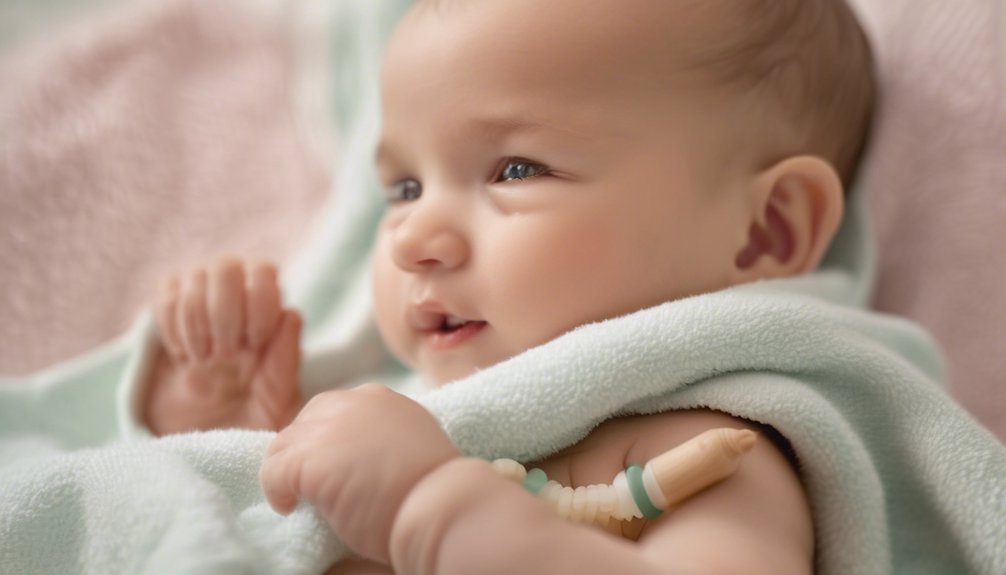
Cleaning your baby’s ears requires the right tools to ensure safety and effectiveness. Using inappropriate tools can lead to injury or infection, so it’s crucial to choose wisely.
Here are some safe ear cleaning tools you should consider:
- Soft cotton balls – Gently wipe around the outer ear without inserting them into the canal.
- Moistened cotton swabs – Use these for precise cleaning, but only on the outer ear.
- Ear cleaning drops – These can soften wax, making it easier to clean with a soft cloth.
- Washcloth – A damp washcloth is perfect for a gentle wipe during bath time.
How to Clean Baby Ears Properly
Using the right tools is just the beginning of properly cleaning your baby’s ears. Start by gently wiping the outer ear with a soft, damp cloth. This simple baby ear cleaning technique helps remove dirt and wax without causing discomfort.
Always use gentle techniques; never insert anything into the ear canal. If you notice any buildup, a few drops of warm mineral oil can help soften it. Allow the oil to sit for a few minutes before wiping again.
Make it a soothing ritual by speaking softly or singing while you clean. Remember, your baby’s comfort and safety come first. With patience and care, you can keep those tiny ears clean and healthy, fostering a nurturing bond in the process.
What to Avoid When Cleaning Ears
While it might be tempting to use cotton swabs or other objects to clean your baby’s ears, it’s crucial to avoid doing so. These harmful cleaning methods can push wax deeper and cause injury.
Here are some essential ear cleaning precautions to keep in mind:
- Cotton Swabs: Never insert them into your baby’s ear canal.
- Sharp Objects: Don’t use pins, tweezers, or other sharp items that could harm delicate skin.
- Alcohol or Hydrogen Peroxide: Avoid these substances; they can irritate the ear.
- Excessive Force: Don’t scrub; gentle wipes with a damp cloth are enough.
Signs of Earwax Buildup

Recognizing the signs of earwax buildup is essential for your baby’s ear health. Keep an eye out for common earwax symptoms, such as unusual fussiness or rubbing of the ears.
If you notice your little one frequently tugging at their ears or showing discomfort during bath time, these are strong buildup indicators. You might also spot changes in hearing; if your baby seems less responsive to sounds, it could be due to earwax obstructing the ear canal.
Additionally, a strange odor or discharge from the ear could signal a buildup that needs attention. By being attentive to these signs, you can ensure your baby’s ears stay clean and healthy, allowing them to explore their world with confidence.
Recognizing Ear Infections
How can you tell if your baby might’ve an ear infection? It’s important to keep an eye out for certain symptoms to watch. If you notice these signs, it’s best to consult your pediatrician:
- Tugging or pulling at the ears
- Unexplained irritability or fussiness
- Difficulty sleeping or frequent waking
- Fluid draining from the ear
Recognizing these symptoms early can help with infection prevention and ensure your baby gets the care they need.
Trust your instincts as a parent; if something feels off, don’t hesitate to reach out to your doctor. Your baby’s comfort and well-being are worth it, and you’re doing a great job by staying informed and attentive.
Natural Remedies for Ear Cleaning
Cleaning your baby’s ears can feel daunting, but using natural remedies makes the process safer and gentler.
Consider using natural oils like olive or coconut oil, which can soften wax buildup and keep the ear canal moisturized. Simply warm a few drops, and using a clean cotton ball, gently apply it around the outer ear.
Herbal washes, made from chamomile or calendula, can also provide soothing properties. Mix a few drops in warm water and use a soft cloth to wipe around the ear.
Always remember to avoid inserting anything into the ear canal. These gentle methods not only help maintain ear hygiene but also create a comforting routine for you and your little one, fostering trust and connection.
Visiting the Pediatrician for Ear Concerns

When should you consider visiting the pediatrician for your baby’s ear concerns?
It’s essential to trust your instincts as a parent. Here are some signs that warrant an ear examination:
- Your baby shows persistent fussiness or irritability.
- You notice unusual discharge or odor from the ears.
- There’s a sudden change in hearing or responsiveness.
- They develop a fever alongside ear discomfort.
Pediatrician recommendations emphasize the importance of early intervention.
If you notice any of these signs, don’t hesitate to reach out. A thorough ear examination can help identify underlying issues, ensuring your little one stays healthy and comfortable.
Your love and attention make all the difference in keeping their ears safe and sound.
Tips for Making Ear Cleaning Easier
Ear care can seem daunting for new parents, but with a few simple tips, you can make the process smoother and more comfortable for your baby.
Start by using gentle techniques, like a soft, damp cloth to wipe around the outer ear. Avoid inserting anything into the ear canal.
To keep your baby calm, incorporate soothing distractions—try singing a lullaby or playing their favorite toy during the cleaning. Choose a time when your little one is relaxed, such as after a bath or during cuddles.
Remember, patience is key; take your time and reassure your baby with gentle words.
With these strategies, you’ll find that ear cleaning can become a more enjoyable experience for both of you.
Maintaining Overall Ear Health in Babies
While it’s easy to focus on cleaning your baby’s ears, maintaining their overall ear health is just as important.
Good ear health plays a vital role in your little one’s hearing development. Here are some simple ways to support it:
- Keep ears dry – After baths, gently towel-dry the area to prevent moisture buildup.
- Limit exposure to loud noises – Protect their sensitive ears by avoiding loud environments.
- Watch for signs of infection – Be alert for unusual fussiness, tugging at ears, or fluid discharge.
- Regular check-ups – Schedule routine pediatric visits to monitor their ear health and hearing development.
Frequently Asked Questions
Can I Use Cotton Swabs to Clean My Baby’s Ears?
You shouldn’t use cotton swabs to clean your baby’s ears. They can push earwax deeper, causing buildup. Instead, opt for safe cleaning methods, like a damp cloth, ensuring your little one stays comfortable and healthy.
How Often Should I Check My Baby’s Ears?
You might not realize it, but regular checks for earwax buildup are essential. Aim for weekly checks, and during routine hearing checks, you’ll ensure your baby’s ears stay healthy and their hearing remains sharp.
Are There Any Signs of Discomfort During Ear Cleaning?
When you’re cleaning your baby’s ears, watch for discomfort signs like crying, pulling at their ears, or unusual fussiness. These could indicate ear infections or sensitivity, so always approach ear cleaning gently and patiently.
What Should I Do if My Baby Resists Ear Cleaning?
When it comes to your baby resisting ear cleaning, remember, “patience is a virtue.” Try gentle techniques and calming distractions, like soft music or a favorite toy, to help ease their anxiety and make the process smoother.
Can Ear Cleaning Affect My Baby’s Hearing?
Yes, ear cleaning can affect your baby’s hearing development. If you remove too much earwax buildup, it might lead to discomfort or infection. Always be gentle and consult a pediatrician for guidance on proper care.
Conclusion
Cleaning your baby’s ears can feel as delicate as handling a porcelain figurine. By following the do’s and don’ts, you ensure their comfort and safety while promoting good ear hygiene. Remember, gentle is key—wiping the outer ear with a soft cloth or using ear drops can go a long way. If you ever have concerns, don’t hesitate to reach out to your pediatrician. Your baby’s ear health is vital, and you’re doing a great job caring for them!