
In your baby’s first year, choosing the right foods is vital for their health and safety. Certain items, like honey and cow’s milk, can pose serious risks. It’s essential to be aware of choking hazards and the potential for allergies. By understanding what to avoid, you can help foster healthy eating habits. But what other foods should you steer clear of as your little one grows? Let’s explore this further.
Key Takeaways
- Avoid honey to prevent infant botulism due to harmful spores that can affect a baby’s immature digestive system.
- Do not introduce cow’s milk early to reduce the risk of allergies and digestive discomfort; wait until the baby is older.
- Steer clear of processed foods as they lack essential nutrients and may contain harmful additives that can affect baby’s health.
- Whole nuts and foods like whole grapes pose choking hazards; opt for softer alternatives like nut butters and finely chopped fruits.
- Always choose pasteurized products to eliminate harmful pathogens and ensure safety in juices and dairy for infants.
Honey
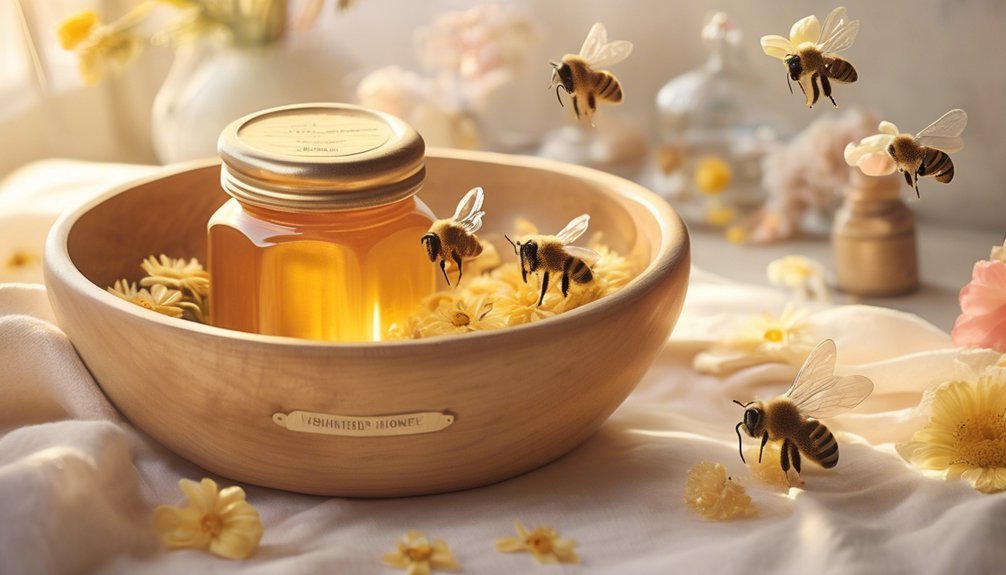
One crucial food to avoid during your baby’s first year is honey. It may seem innocent, but honey can contain spores of Clostridium botulinum, which can lead to infant botulism— a rare but serious illness.
Your baby’s digestive system isn’t mature enough to handle these spores, so it’s best to steer clear. Instead, consider honey alternatives like pureed fruits or unsweetened applesauce for sweetening.
Safe sweeteners such as maple syrup can also be used in moderation, but always consult your pediatrician before introducing new foods.
Keeping your little one safe is your top priority, and opting for these alternatives will help ensure your baby enjoys their meals without any risks. Always choose wisely for their health and happiness.
Cow’s Milk
While it’s important to avoid honey in your baby’s diet, cow’s milk also poses some risks during their first year.
Introducing cow’s milk too early can lead to cow’s milk allergies, which affect many infants. Their delicate digestive systems aren’t ready to handle the proteins found in cow’s milk, and this can cause discomfort or even allergic reactions.
Instead, opt for cow’s milk alternatives like almond, oat, or soy milk once your baby is older. These options can provide a nutritious substitute while being gentle on their stomach.
Always consult your pediatrician before making any changes to your baby’s diet, ensuring you’re giving them the best start possible. Your baby deserves the safest, healthiest choices as they grow.
Whole Nuts
Whole nuts can pose a significant choking hazard for babies under the age of four. Their hard texture and size make it easy for little ones to struggle when chewing, which can lead to serious accidents.
As a caring parent, it’s essential to follow age recommendations when introducing new foods. While nuts can be nutritious, they also carry a risk of nut allergies, which can develop in some children.
It’s generally advised to wait until your baby is older and has established a diverse diet before introducing whole nuts. Instead, consider nut butters or finely ground nuts, as they provide the flavor and nutrition without the choking risk.
Your child’s safety and health are your top priority, and being cautious is key.
Choking Hazards
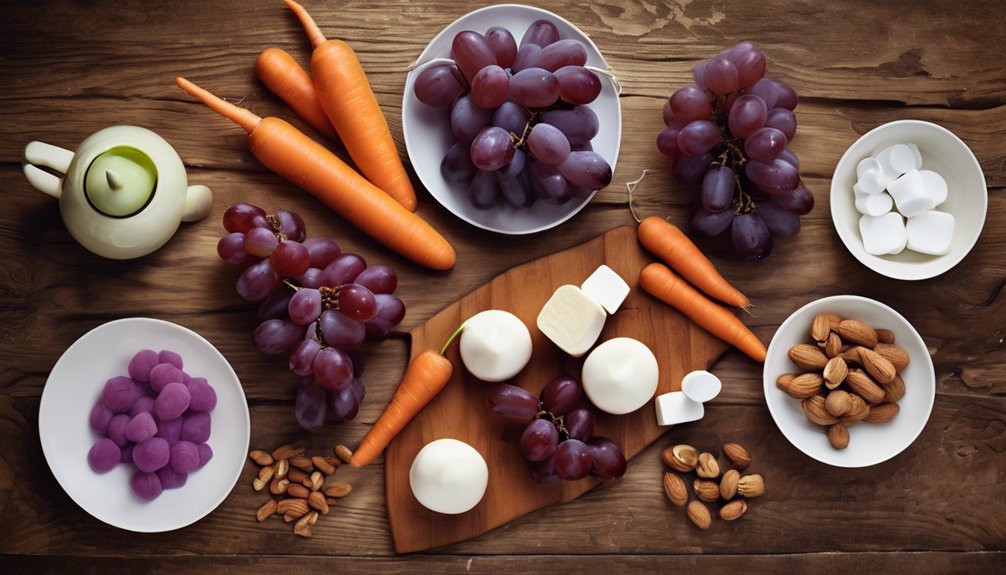
Choking hazards are a critical concern when introducing solid foods to your baby. As a loving caregiver, you want to ensure your little one enjoys safe snacks that nurture their growing body without risking choking. Foods like whole grapes, popcorn, and hard candies should definitely be avoided.
Instead, focus on soft, age-appropriate options, like mashed bananas, finely chopped veggies, or soft-cooked pasta. Always supervise your baby during mealtime, as this is vital for choking prevention.

Processed Foods
Although it might be tempting to reach for convenient options, processed foods can pose several risks for your baby during their first year. These foods often lack essential nutrient density, which is crucial for your little one’s growth and development.
Instead of providing the vitamins and minerals your baby needs, they may be loaded with artificial additives that can be harmful. Your baby’s digestive system is still developing, and these additives can lead to tummy troubles or allergic reactions.
Choosing whole, natural foods ensures that your baby receives the nourishing goodness they deserve. By prioritizing fresh fruits, veggies, and whole grains, you’re giving your baby the best start possible.
Trust your instincts and opt for wholesome choices that support their healthy growth.
High-Sugar Foods
While it may seem harmless to offer your baby sweet treats, introducing high-sugar foods during their first year can lead to several negative health outcomes. Excessive sugar can increase the risk of obesity, dental issues, and may even set the stage for lifelong unhealthy eating habits.
Instead, consider offering healthy snacks like pureed fruits or vegetables. These not only satisfy your baby’s taste buds but also provide essential nutrients.
If you’re looking for a sweet flavor without the sugar, explore sugar alternatives like mashed bananas or unsweetened applesauce.
Citrus Fruits
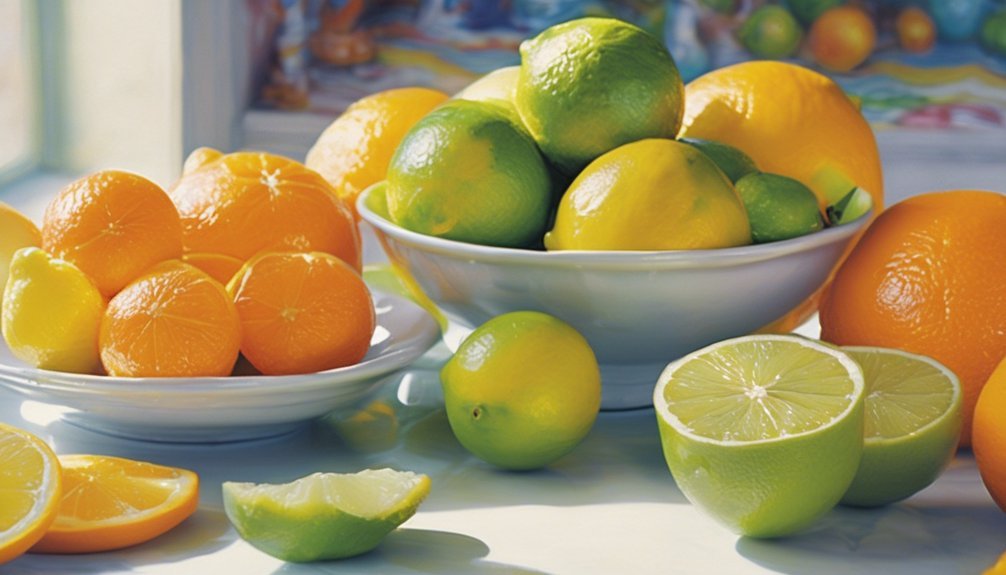
When introducing new foods to your baby, you might want to hold off on citrus fruits during their first year. Citrus fruits can sometimes lead to citrus sensitivity, causing discomfort or allergic reactions in young children. Additionally, the acidity in these fruits may hinder vitamin absorption, which is crucial for your baby’s growth and development.
| Concern | Effect |
|---|---|
| Citrus Sensitivity | Potential allergic reactions |
| Vitamin Absorption | May inhibit nutrient uptake |
| Recommended Age | Generally after 12 months |
It’s essential to prioritize your baby’s well-being. Start with gentler, less acidic fruits and gradually introduce citrus once you’re confident in their digestive capabilities. Your careful approach now will set the foundation for healthy eating habits later on.
Fish With High Mercury
Many parents may not realize that certain types of fish can contain high levels of mercury, which can be harmful to your baby’s developing nervous system.
Fish like shark, swordfish, king mackerel, and tilefish are notorious for their elevated mercury levels. It’s crucial to avoid these fish types during your baby’s first year to protect their health.
Instead, consider safer options like salmon, sardines, or trout, which offer beneficial nutrients without the risks associated with mercury.
Always consult with your pediatrician if you’re unsure about introducing fish into your baby’s diet.
Eggs
Introducing eggs to your baby’s diet can be a nutritious choice, as they’re packed with essential proteins and vitamins. However, it’s crucial to be aware of potential egg allergies.
Start with well-cooked eggs, like hard-boiled or scrambled, to minimize any risk. As your baby adjusts, you may introduce different cooking methods, but always ensure they’re thoroughly cooked to avoid health concerns.
Watch for any signs of allergies, such as rashes or digestive issues, and consult your pediatrician if you have concerns.
Spicy Foods
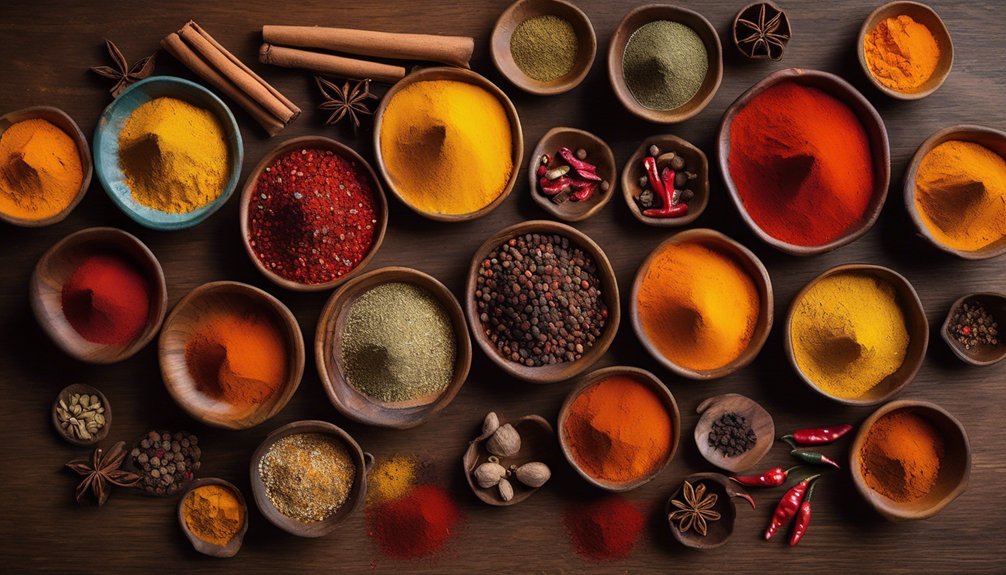
While it might be tempting to share your favorite spicy dishes with your little one, it’s best to avoid spicy foods during your baby’s first year.
Babies have sensitive digestive systems, and introducing spicy flavors can lead to digestive discomfort. Their taste buds are still developing, and strong spices might overwhelm their palates, making it harder for them to enjoy food later on.
Furthermore, spicy foods can cause irritation and even upset tummies, which can be distressing for both you and your baby.
Instead, focus on milder, natural flavors that will help your baby explore new tastes safely.
Caffeine
Along with avoiding spicy foods, it’s important to steer clear of caffeine during your baby’s first year. Caffeine can affect your little one’s developing system, so it’s best to keep it off the menu.
Here are some common caffeine sources to watch out for:
- Coffee – Even a small amount can impact your baby’s sleep patterns.
- Tea – Both black and green teas contain caffeine, which can cause irritability.
- Chocolate – Yes, even that sweet treat packs a caffeine punch!
The effects of caffeine can include increased heart rate and difficulty sleeping for your baby.
Unpasteurized Products
Since your baby’s immune system is still developing, it’s crucial to avoid unpasteurized products during their first year. Unpasteurized dairy, like certain cheeses and milk, can harbor harmful bacteria such as E. coli and Listeria, which can be dangerous for your little one.
Similarly, unpasteurized juice lacks the heat treatment that eliminates pathogens, putting your baby’s health at risk. These products might seem innocent, but they could lead to serious digestive issues or infections.
Instead, opt for pasteurized alternatives, ensuring they’re safe for your growing child. As a caring parent, your choices matter, and sticking to safe foods will help protect your baby while they explore new tastes and textures.
Prioritizing their health now sets the stage for a strong future.
Frequently Asked Questions
When Can Babies Safely Try Peanut Butter?
You can safely introduce peanut butter around six months, following current peanut butter guidelines. Start with a small amount and monitor for any reactions. This early introduction may help reduce allergy risk, fostering a positive experience for both you and your baby.
Can Babies Have Chocolate Before One Year?
You might want to wait before introducing chocolate. Early cravings can lead to preference for sweet foods, and chocolate effects on babies aren’t fully understood. It’s best to prioritize healthier options during their first year.
Is It Safe to Introduce Gluten Early?
Introducing gluten early can be safe, especially if your family has no history of gluten sensitivity. It’s best to consult your pediatrician, ensuring you’re nurturing your baby’s health while exploring new foods together.
How Do I Know if My Baby Is Allergic?
To know if your baby’s allergic, watch for skin reactions like rashes or hives. Allergy testing can help confirm suspicions, so consult your pediatrician for guidance and support throughout this important journey together.
What Are the Signs of Food Intolerance in Infants?
You might notice infant symptoms like fussiness, gas, or skin rashes after feeding. These food reactions can indicate intolerance. Observing your baby’s responses closely helps you identify and address potential issues with their diet compassionately.
Conclusion
As you embark on this joyful journey of feeding your baby, remember that their safety comes first. Picture their tiny hands reaching for colorful fruits and veggies, while you steer clear of potential dangers like honey and whole nuts. By avoiding risky foods and embracing safe, nutritious options, you’re nurturing their growth and helping them develop healthy eating habits. Trust your instincts, introduce flavors slowly, and watch as your little one discovers the delightful world of food.