
What if the right free tool could turn a tough lesson into a simple win? You can support elementary students with phonics games, read-aloud apps, printable practice sheets, and writing prompts that make literacy feel manageable and useful. Each option helps you build skills at the right pace, but the best choice depends on what your students need most next.
Key Takeaways
- Free literacy tools for elementary students should include interactive games, vocabulary builders, and comprehension quizzes.
- Choose tools that match reading or writing goals, student age, and classroom standards.
- Phonics games and sound-blending activities help early readers build strong decoding skills.
- Reading apps with read-alouds, word highlighting, and storytelling features improve engagement and understanding.
- Writing tools with sentence starters, story prompts, word banks, and picture cues support creative writing.
Best Free Literacy Tools for Elementary Students

When you’re looking for free literacy tools for elementary students, the best options make reading and writing feel simple, engaging, and doable.
You can use interactive games to keep practice lively while building fluency and confidence. Try literacy challenges that nudge students to read more, write more, and think more deeply.
Strong vocabulary builders help you grow word knowledge through quick, repeated practice. Storytelling prompts can spark original ideas and support sentence-level writing.
Comprehension quizzes let you check understanding right away and spot gaps fast. Reading logs give you a clear record of progress, so you can track habits and celebrate effort.
With the right free tools, you’ll give students steady practice, clear feedback, and a stronger path toward mastery.
How to Choose the Right Tool
Once you’ve explored free literacy tools, the next step is choosing the one that fits your students best. Start by checking tool effectiveness: does it improve reading or writing in a clear, practical way?
Next, look at educational alignment so the tool supports your goals and standards. You’ll also want user engagement; students should want to return to it.
Match age appropriateness to your learners’ interests and attention span. Consider skill diversity, because your class may need different levels of support and challenge.
Finally, review platform accessibility on devices your students actually use. When you compare these factors, you can make a smart choice that saves time and strengthens learning.
Free Phonics Tools for Early Readers

Free phonics tools can give early readers the extra practice they need to hear sounds, match letters, and build confidence with words. You can use phonics games to strengthen letter recognition and make practice feel purposeful.
Choose simple interactive activities that help your child sort word families, blend sounds, and read short patterns with ease. When you pair visual aids with oral practice, you support auditory skills and help your reader connect print to speech.
Repeated work with the same sound patterns can improve reading fluency because your child learns to notice, decode, and remember faster. Keep sessions short, focused, and encouraging.
With steady practice, you’ll help early readers build strong phonics habits that support later reading success and stronger comprehension.
Reading Apps and Websites Kids Enjoy
Reading apps and websites can make practice feel more like play, so your child is more likely to stay engaged and keep learning. You can choose free tools that read aloud, highlight words, and let your child tap through stories at their own pace.
Look for interactive storytelling that invites choices, predicts outcomes, and builds confidence with every page. Many sites also offer engaging book summaries, which help your child understand main ideas before or after reading. You can use these features to strengthen comprehension, vocabulary, and fluency without pressure.
Pick platforms with clear navigation and age-appropriate text so your child can focus on reading success. When you mix fun with purpose, your child gets more practice and starts to master literacy skills with confidence.
Printable Literacy Worksheets for Practice
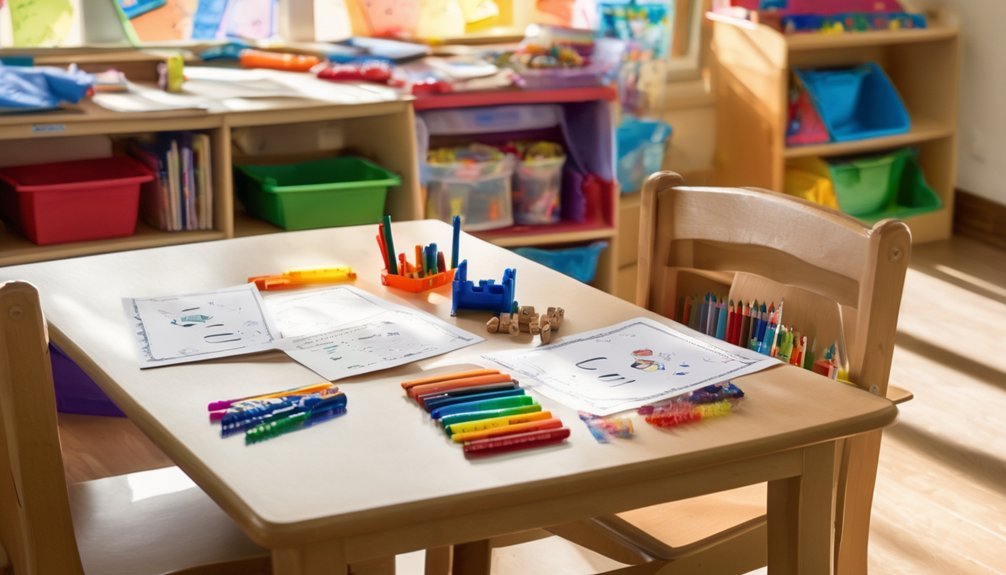
Printable worksheets can give your child focused literacy practice that’s easy to fit into a busy day. You can choose pages that target phonics, sight words, spelling, and reading comprehension, so your child practices one skill at a time.
Good worksheet design uses clear instructions, large print, and enough space for neat responses. This helps your child stay organized and confident. You can also use worksheets as quick assessment strategies by checking answers together and noting which skills need more support.
Short, regular practice builds accuracy and fluency without overwhelming your child. To strengthen mastery, mix review worksheets with fresh challenges, and encourage careful corrections.
When you use printables well, you give your child a steady path toward stronger literacy skills every day.
Free Writing Tools for Sentences and Stories
When you want to build writing skills without adding pressure, free tools for sentences and stories can make practice feel easier and more inviting. You can use them to spark ideas, guide structure, and help your child write with confidence.
Try these options:
- sentence starters that show how to begin
- story prompts that inspire full ideas
- word banks for richer detail
- picture cues for sequencing events
- simple templates for organizing thoughts
When you choose free tools, you give yourself a low-stress way to practice every day. You can focus on complete sentences first, then expand into short stories.
This steady approach helps you master writing basics, improve fluency, and build stronger ideas over time.
Frequently Asked Questions
What Age Range Are These Literacy Tools Best For?
They’re best for ages 5–11, since you can match them to age appropriateness and developmental stages. You’ll support early readers, emerging writers, and growing comprehension skills while adjusting activities as students progress.
Do These Tools Work on Tablets and Smartphones?
Yes, you can use them on tablets and smartphones. Check tablet compatibility and smartphone accessibility first, since some features work better on larger screens. You’ll likely find these tools easy to navigate and practice with anywhere.
How Can Parents Track a Child’s Progress With Free Tools?
You can track progress monitoring with free dashboards, and your parent involvement helps too. Last month, one parent spotted a reading streak like a calendar chain, then celebrated each milestone with weekly notes and charts.
Are These Literacy Tools Suitable for Homeschooling?
Yes, they’re suitable for homeschooling, and you’ll likely notice homeschooling benefits like flexible pacing and personalized practice. You can use them easily because resource accessibility is strong, helping you support reading growth confidently at home.
Do Any of These Tools Support Multilingual Learners?
Yes, you’ll find some tools support multilingual learners with bilingual resources and language support. You can choose options with translations, audio, and visuals, so students build literacy confidently while mastering English and their home language.
Conclusion
You’ve got plenty of free literacy tools to help your students grow. When you choose phonics games, reading apps, worksheets, and writing prompts that match their needs, you make learning feel like a bright path instead of a hard climb. Keep exploring tools that are fun, simple, and easy to use. With the right mix, you’ll help young readers and writers build confidence, skills, and a love for literacy that can keep blooming.