
Like a quiet map to hidden treasure, a free printable reading log for kids can guide you toward better habits and small daily wins. You can choose a simple format that fits your child’s age, then track books, dates, and quick thoughts with ease. Whether you’re teaching at home or in a classroom, the right log can make progress feel clear, and the best part is still ahead.
Key Takeaways
- Free printable reading logs help kids track titles, dates, pages, and notes in a simple, organized format.
- Choose age-appropriate logs with brief prompts for younger children and more detail for older kids.
- Reading logs build consistent habits by making progress visible and rewarding daily reading.
- Use printable logs at home by recording entries after reading and reviewing them weekly.
- Free logs can include fun goals and rewards, like bookmarks, extra story time, or a library visit.
What Are Reading Logs for Kids?

Reading logs for kids are simple tools that help track what children read, when they read, and sometimes what they thought about the book. You use them to record titles, dates, page numbers, and brief notes, creating a clear snapshot of reading habits.
A log can be a printed sheet, notebook page, or digital form, depending on what fits your routine. When you keep one, you make tracking progress easier and more consistent. You also give yourself a practical way to notice patterns in reading comprehension, such as which books feel easy or challenging.
A good reading log stays simple, organized, and age-appropriate, so you can focus on accurate records without extra stress.
Why Reading Logs Help Kids Read More
Once you start using a reading log, it can do more than record books—it can motivate kids to keep picking up the next one. You give reading motivation a clear path when kids see progress grow day by day. A log turns reading into a visible habit, and that steady record builds confidence.
It also supports goal setting, because kids can aim for a set number of pages, minutes, or books and track each win.
- They notice their progress
- They feel proud of consistency
- They stay focused on small goals
- They build positive reading routines
- They want to beat their own record
When you make reading measurable, kids usually read more because effort feels meaningful and success feels close.
How to Choose the Right Reading Log

The right reading log fits your child’s age, attention span, and reading goals. Start by checking age appropriateness: younger kids need simple prompts, while older readers can handle more detail and reflection.
Choose recommended formats that match what your child can complete without frustration, so the log supports consistency instead of becoming a chore. Look for a layout that lets you track books, pages, minutes, or reactions, depending on what you want to build.
If your goal is habit formation, keep it brief and easy to finish daily. If you want deeper comprehension, pick a log that invites short responses.
You’ll get better results when the log feels manageable, purposeful, and clear, because your child can focus on reading, not paperwork.
Printable Reading Log Types for Kids
- Creative designs keep reading appealing.
- Age appropriate themes support confidence.
- Interactive formats invite quick responses.
- Digital options suit busy families.
- Multi subject logs track books, articles, and assignments.
You can choose simple charts for younger readers, while older kids may prefer detailed pages for tracking progress.
Add motivational elements like stars or checkboxes to reinforce consistency.
Parent involvement matters, because you can review entries together and celebrate growth.
When you match the log to your child’s needs, you’ll make reading feel manageable, purposeful, and rewarding.
How to Customize Reading Logs
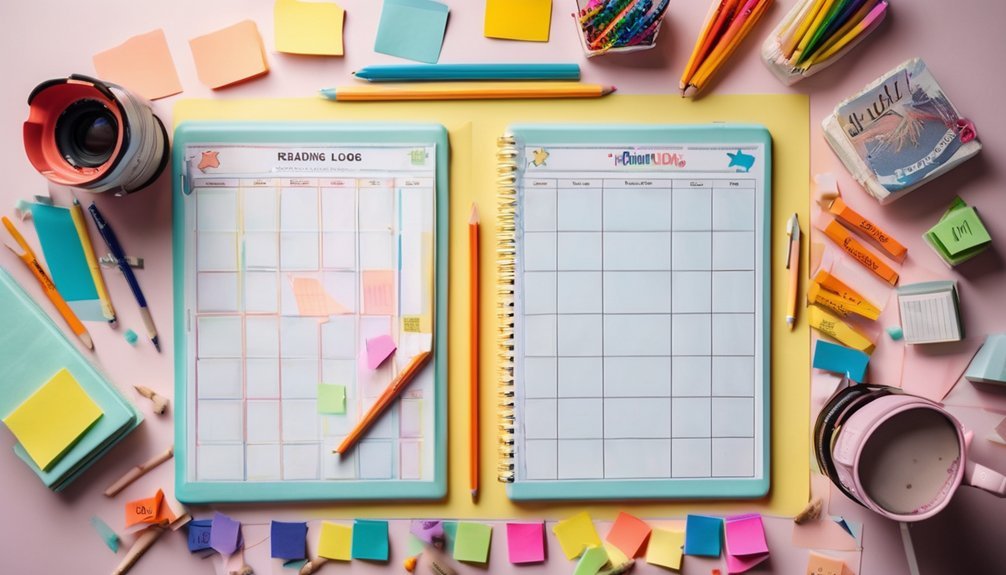
To make a reading log work for your child, you can customize it around their age, interests, and reading goals. Start by choosing customization options that match their reading level, such as simple checkboxes for younger readers or lines for titles, pages, and minutes for older kids.
You can also adjust design preferences by selecting bold fonts, themed borders, or calm colors that keep the page inviting without distracting from reading. Add space for stickers, ratings, or a quick reflection if that helps your child stay engaged.
If your child loves dinosaurs, sports, or space, pick a version that reflects those interests. When the log feels personal, your child is more likely to use it consistently and build strong reading habits with confidence.
How to Use Reading Logs at Home
At home, you can use a reading log to build a simple routine that makes reading feel steady and rewarding. Set a daily time, then invite your child to record each book, page range, or minutes read. Keep the log in a visible spot so it becomes part of the day, not a chore.
Use it to notice reading habits, celebrate progress, and spot patterns that need support.
- Choose a consistent reading time
- Fill in the log right after reading
- Add short notes about favorites
- Review entries together each week
- Encourage family involvement with praise and questions
When you respond with interest, your child sees reading as worthwhile.
Over time, the log helps you guide choices, strengthen confidence, and build lasting momentum.
Using Reading Logs in the Classroom
In the classroom, reading logs can do more than track books—they can help you build a steady reading culture and give students a clear sense of progress. You can use them to set simple expectations, celebrate completed pages, and spot readers who need support.
When you review logs regularly, you reinforce reading log benefits like accountability, reflection, and goal setting. You also boost classroom engagement by letting students share favorite titles, compare reading streaks, and notice patterns in their choices.
Keep the format easy to complete, and ask students to record just enough detail to show growth. A quick check-in at the end of class turns the log into a tool for focus, motivation, and meaningful conversation about reading.
Homeschool Reading Log Ideas
When you homeschool, a reading log can do more than list titles—it can help you notice your child’s habits, interests, and progress over time. You can tailor it to fit your homeschool benefits and strengthen reading comprehension with simple, focused tracking.
Try logging:
- Title and author
- Pages or minutes read
- New vocabulary words
- A short summary
- One question or connection
This keeps your lessons organized and helps you spot patterns in stamina, genre choices, and understanding.
You can also add space for daily reflections, making the log a useful tool for mastery rather than a checklist. Over time, you’ll see what supports growth and where your child needs more practice.
Fun Rewards for Reading Log Success
Fun rewards can make reading logs feel motivating instead of like extra work, especially when you keep them simple and meaningful. You can build reward systems around goal setting and progress tracking, so your child sees steady wins. Small incentive programs work well for reading challenges because they connect effort with a clear outcome.
| Goal | Reward | Family Involvement |
|---|---|---|
| 5 days logged | Choose a bookmark | Cheer together |
| 10 days logged | Extra story time | Read aloud together |
| 15 days logged | Pick a library visit | Celebrate progress |
Use rewards that fit your values, not just your budget. When you stay consistent, your child learns that effort matters, and reading log success feels earned, encouraging, and worth repeating.
Tips to Help Kids Read Every Day
Build a simple daily reading routine so your child knows exactly when it’s time to open a book. You can strengthen habits with reading motivation strategies that make reading feel doable and rewarding.
Keep sessions short, consistent, and tied to an anchor like bedtime or after snack. Use daily reading challenges to add structure without pressure.
- Set a fixed reading time each day.
- Keep books visible and easy to reach.
- Let your child choose from a few options.
- Read aloud together when focus is low.
- Celebrate effort, not just page count.
When you stay calm and consistent, you help your child build confidence and stamina. Small wins matter, and repetition turns reading into a natural part of the day.
Frequently Asked Questions
What Age Is Best to Start Using Reading Logs?
You can start using a reading log around age 5 or 6, when you’re building early reading habits. It’ll support reading log benefits, tracking progress, and growing confidence while keeping reading simple and positive.
Can Reading Logs Track Audiobooks Too?
Yes, you can track audiobooks too. You’ll capture audiobook benefits and support reading comprehension by logging titles, dates, and minutes listened. You’ll also reinforce accountability, build habits, and notice progress over time.
How Many Minutes Should Kids Read Daily?
20 minutes daily is a strong target, but shouldn’t you adjust it to your child’s age and focus? You’ll build reading benefits by setting daily goals that feel doable, encouraging steady practice and confidence.
Are Reading Logs Suitable for Reluctant Readers?
Yes, you can use reading logs for reluctant readers if you pair them with motivational strategies and engaging activities. You’ll build confidence, make progress visible, and keep reading feeling manageable, not overwhelming.
Can Siblings Share One Reading Log?
Yes—you can let siblings share one reading log if you track each child separately. About 60% of families read together, so sibling collaboration can boost reading motivation when you keep entries clear, fair, and organized.
Conclusion
When you use free printable reading logs for kids, you give young readers a simple map and a bright trail to follow. You can turn reading into a daily habit, one page at a time, and watch confidence bloom like a garden after rain. Pick a log that fits your child, add small rewards, and keep it easy. With your support, books won’t just be tasks—they’ll become doors to wonder.