
Healthy toddler meal ideas for picky eaters often work best when they stay simple, familiar, and easy to handle. Soft scrambled eggs, avocado toast fingers, yogurt with berries, and mini meatballs can offer good nutrition without much resistance. Small portions and colorful presentation may help children try more. The real challenge is finding meals that fit short attention spans and changing tastes, and a few practical options can make that easier.
Key Takeaways
- Offer simple, familiar foods like scrambled eggs, avocado toast fingers, yogurt with berries, and mild pasta.
- Use small, easy-to-hold finger foods such as fruit pieces, cheese cubes, toast strips, and steamed vegetable sticks.
- Keep portions small and repeat meals often, since toddlers need time to accept new foods.
- Add nutrition by mixing spinach into sauces or beans into spreads without changing flavors much.
- Make meals colorful, fun, and calm, and serve one new food alongside favorites.
Healthy Toddler Meal Ideas They’ll Actually Eat
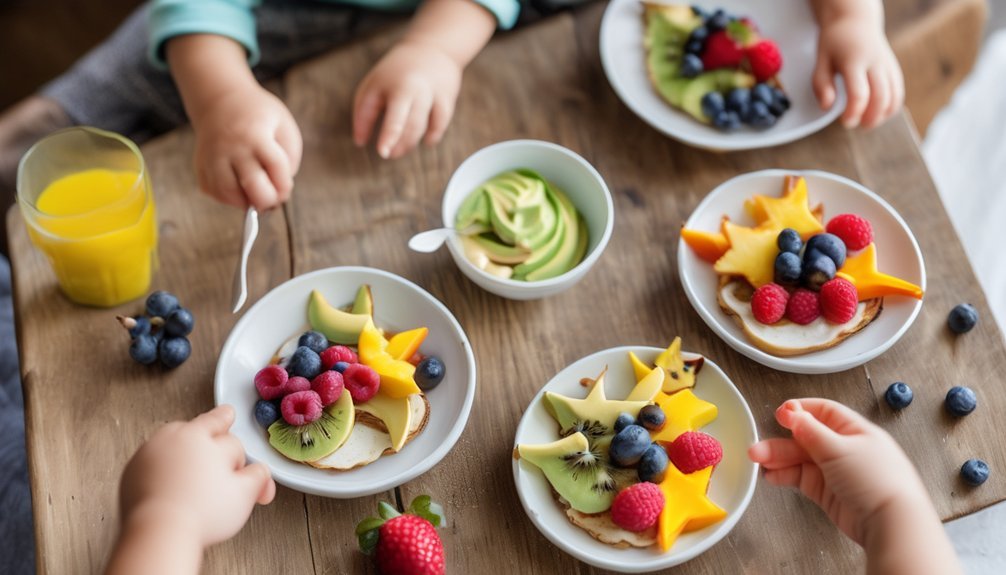
Healthy toddler meals tend to work best when they are simple, familiar, and easy to hold or scoop, since young children are more likely to accept foods that feel safe and manageable.
Soft scrambled eggs, avocado toast fingers, yogurt with berries, and pasta with mild sauce offer balanced nutrition without overwhelming little appetites. Small portions help, and repeating trusted ingredients builds comfort over time.
A little creative presentation can make meals more inviting: bright colors, separated foods, or fun food shapes may encourage curiosity without turning dinner into a struggle.
Mild hummus with cucumber sticks, mini turkey meatballs, and oatmeal with fruit are practical choices that fit busy routines.
With steady offerings and patience, healthy eating can feel calm, warm, and achievable.
Why Toddlers Reject Healthy Foods?
Toddlers often reject healthy foods because their preferences are still developing, and new tastes, textures, and smells can feel unfamiliar or intense. Their taste preferences are shaped by biology, repeated exposure, and mood at mealtimes, so rejection does not usually mean a food is disliked forever.
Bitter vegetables, mixed dishes, and wet or grainy food textures may seem especially challenging because toddlers are learning how each bite feels and tastes. Appetite also changes quickly with growth, activity, and routine, which can make acceptance inconsistent from one meal to the next.
Caregivers can find reassurance in this normal pattern: refusal is common, temporary, and part of learning. Gentle repetition, calm presentation, and patience often help children become more open over time.
Easy Toddler Finger Foods for Small Appetites
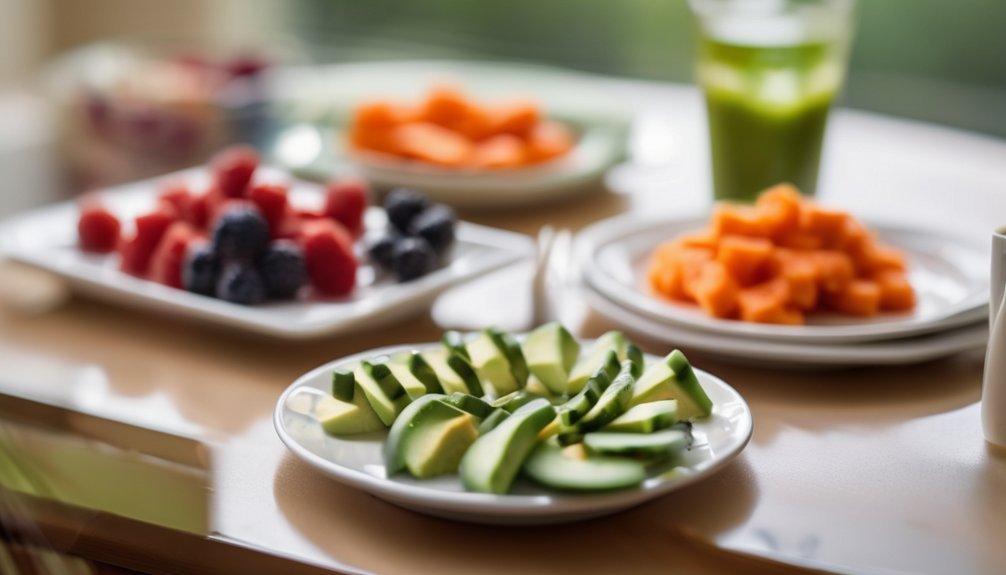
Small, easy-to-grab finger foods often work well for toddlers with limited appetites because they make eating feel manageable and less overwhelming.
Soft fruit pieces, toast strips, cooked pasta, cheese cubes, and steamed vegetable sticks are practical toddler snack options that can be offered in small portions. Keeping foods bite-sized helps little hands self-feed with less frustration, which may support interest in eating.
Variety also matters, and fun food shapes can make familiar foods seem more inviting without pressure. A star-shaped sandwich or round cucumber slices may feel playful while still simple.
Caregivers can sit nearby, offer a calm routine, and let the toddler decide how much to eat, building comfort and trust over time.
Easy Ways to Add More Nutrition to Toddler Meals
Adding more nutrition to toddler meals can be simple when meals are built around a few nutrient-dense ingredients. Caregivers may offer hidden nutrition by blending spinach into sauces, stirring ground flax into oatmeal, or mixing beans into spreads.
Sneaky ingredients such as grated zucchini or cauliflower can boost vitamins without changing meals much. Balanced flavor combinations, like sweet fruit with yogurt or cheese with whole-grain crackers, help meals feel familiar and satisfying.
Appealing presentation also matters; small portions, bright shapes, and colorful meals can encourage interest. Texture variety, such as soft fruit beside crunchy toast, supports acceptance and sensory learning.
These small changes fit naturally into everyday cooking and can gently expand a toddler’s diet without pressure, keeping meals calm, nourishing, and approachable.
Simple Toddler Meal Plan for Busy Parents
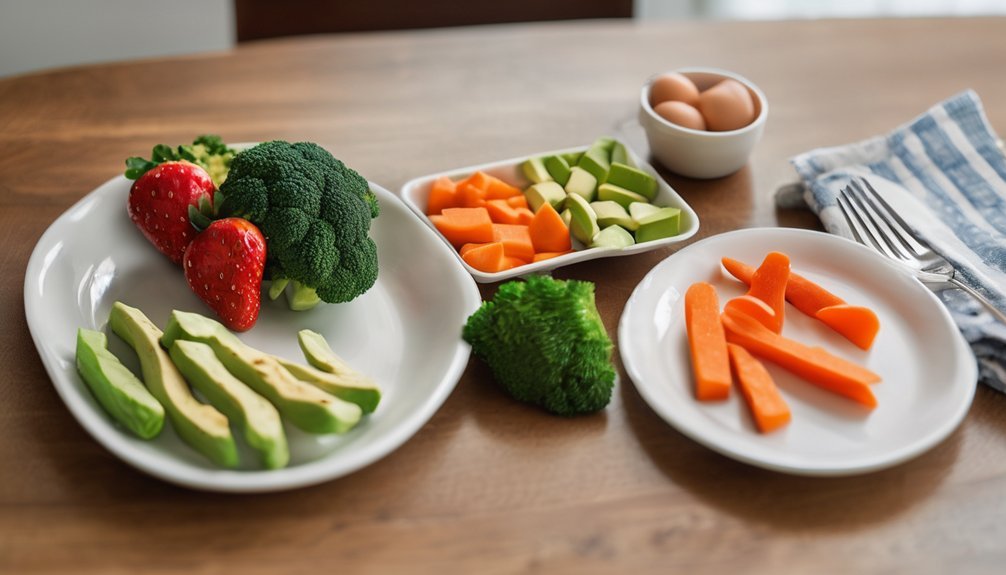
A simple toddler meal plan can reduce stress for busy parents by using repeatable meals built from a few reliable food groups each day.
Breakfast may include oatmeal with fruit, lunch a toddler lunchbox with cheese, crackers, and soft vegetables, and dinner a familiar protein, grain, and side. Rotating these options supports balance without demanding constant decision making.
Quick meal prep works best when ingredients are washed, chopped, and portioned ahead of time, so meals come together in minutes. Evidence suggests toddlers accept food more readily when it appears often in calm settings.
Small servings, predictable timing, and one new food alongside favorites can help children feel safe, making healthy eating feel steady rather than overwhelming for the whole family.
Frequently Asked Questions
When Should I Worry About My Toddler’s Picky Eating?
Concern grows when toddler eating habits cause weight loss, poor growth, choking, vomiting, or extreme food refusal. Otherwise, picky eater strategies often help. A pediatrician should assess persistent mealtime distress or nutrient concerns.
How Can I Tell if My Toddler Is Getting Enough Nutrients?
A toddler is likely getting enough nutrients if growth is steady, energy is good, and meals include balanced meals; nutrient tracking can help spot gaps. A pediatrician can confirm concerns with simple growth checks.
What Signs Suggest My Toddler Has a Feeding Problem?
Signs include persistent meal refusal, feeding aversions, texture issues, and signs of discomfort during eating. If choking, gagging, weight loss, or very limited foods occur, a pediatrician or feeding specialist should evaluate promptly, reassuringly.
How Do I Handle Food Allergies in Picky Toddlers?
She should identify triggers with a pediatrician, read labels carefully, and keep emergency medication accessible. Allergy friendly recipes and meal prep strategies can reduce stress, preserve variety, and help picky toddlers eat safely and confidently.
When Should I Ask a Pediatrician About My Toddler’s Appetite?
A pediatrician should be asked if appetite drops suddenly, growth slows, meals are consistently refused, or illness appears. Most toddlers vary normally; tracking appetite patterns and toddler nutrition helps identify when concern is warranted.
Conclusion
In the end, healthy toddler meal ideas work best when they stay simple, familiar, and low-pressure. Picky eating is often a normal stage, not a sign that something is wrong, and repeated exposure to small portions can gradually improve acceptance. Parents do not need perfect meals; soft finger foods, colorful plates, and modest nutrition boosts can support steady growth. With patience and consistency, mealtime becomes less stressful and more successful for everyone.