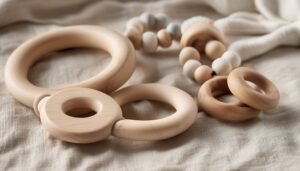
Many parents underestimate the importance of regularly cleaning baby toys, which can harbor harmful germs and bacteria. It’s not just about appearance; a clean toy can significantly contribute to your child’s health and safety. Knowing how to clean various types of toys safely is crucial. So, what are the best methods and supplies to ensure your child’s playthings remain hygienic? Let’s explore the essential steps for maintaining a safe play environment.
Key Takeaways
- Clean baby toys weekly for infants and every few days for toddlers to reduce germ exposure and promote a healthy environment.
- Use gentle, non-toxic cleaners like vinegar or hydrogen peroxide; always rinse toys thoroughly after cleaning.
- Sanitize toys after illness and wash them with warm, soapy water to eliminate germs effectively.
- Air dry toys completely before storing them in clear bins for easy visibility and cleanliness.
- Regularly inspect toys for wear and tear, replacing or repairing them as needed to ensure safety.
Understanding the Importance of Cleaning Baby Toys
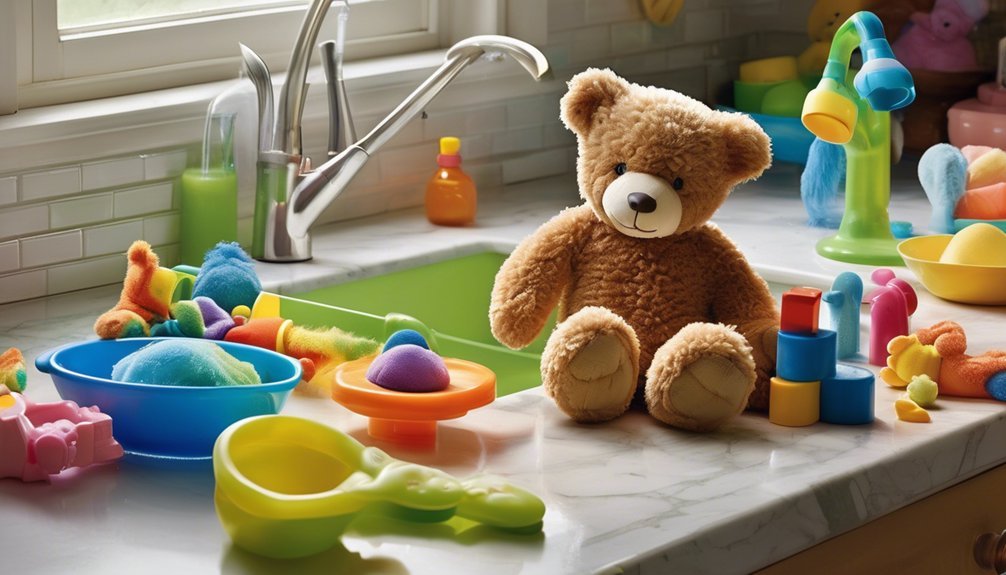
When you think about your baby’s health and safety, cleaning their toys should be a top priority. Toys are often a breeding ground for germs, which can put your little one at risk for illness.
By maintaining toy safety, you’re not just keeping them clean; you’re fostering a healthier play environment. Regular cleaning helps in germ prevention, ensuring that harmful bacteria and viruses are kept at bay.
Remember, babies explore the world through touch and taste, making it essential to keep their toys sanitized. Use gentle, non-toxic cleaners that are safe for your baby, and don’t forget to rinse thoroughly.
When to Clean Baby Toys
Cleaning baby toys regularly is key to maintaining a safe and healthy environment for your little one.
It’s essential to follow frequency guidelines based on your child’s age milestones. For infants, clean toys weekly, as they tend to explore everything with their mouths. As your baby grows into a toddler, increase cleaning frequency to every few days, especially for toys that are frequently shared with others.
If a toy becomes visibly dirty or your child has been sick, clean it immediately.
Regularly assess the toys for any signs of wear and tear, as damaged toys can harbor germs. Keeping a consistent cleaning schedule not only ensures safety but also fosters a nurturing space for your child’s development.
Types of Baby Toys and Their Cleaning Needs
Different types of baby toys come with unique cleaning needs that you should consider for effective hygiene.
Soft toys often require a gentle wash, either by hand or in a washing machine, to avoid damage.
Bath toys need regular checks for mold and should be rinsed and air-dried after each use.
Educational toys, often made of plastic, can be wiped down with a disinfectant cloth.
Outdoor toys should be cleaned to remove dirt and germs, especially after park visits.
Sensory toys may need special attention due to various materials, so always follow the manufacturer’s instructions.
Teething toys should be sanitized frequently, as they go straight into your baby’s mouth.

Keeping these guidelines in mind will ensure your little one stays safe and healthy.
Safe Cleaning Supplies for Baby Toys

While you may want your baby’s toys to be spotless, using the right cleaning supplies is crucial to ensure their safety.
Opt for natural disinfectants, like vinegar or hydrogen peroxide, to effectively eliminate germs without harsh chemicals. These options are safe for your little one and the environment.
When choosing detergents, look for safe detergents that are free from fragrances and dyes. They’re gentle yet effective for cleaning toys made of various materials.
Always check labels to confirm that the products are non-toxic. By selecting these safe cleaning supplies, you’ll create a healthier play environment for your baby, allowing you to clean with confidence and peace of mind.
Your baby’s safety is your priority—let’s keep it that way!
How to Clean Plush Toys
Plush toys can accumulate dust, dirt, and bacteria over time, making regular cleaning essential for your baby’s health.
To keep your little one’s favorite toys safe and clean, follow these washing machine guidelines based on plush toy materials:
- Check labels: Always read the care instructions on the toy’s label to ensure it’s machine washable.
- Use a gentle cycle: Place the plush toy in a mesh laundry bag and wash it on a gentle cycle with mild detergent to protect its fibers.
- Air dry: Avoid the dryer; instead, let the toy air dry to maintain its shape and softness.
How to Clean Plastic Toys
Since plastic toys are often a favorite for babies and toddlers, keeping them clean is crucial for their safety and health.
To maintain a safe play environment, follow these safety guidelines: First, wash toys with warm, soapy water using mild dish soap. For deep cleaning, mix equal parts white vinegar and water; this natural solution effectively disinfects without harsh chemicals.
Rinse toys thoroughly to remove any soap or vinegar residue. For hard-to-reach spots, use a soft brush. Always air dry the toys completely before giving them back to your little one.
Remember to check for any signs of wear and tear, as damaged toys can pose hazards. Using these cleaning methods will help ensure your child’s playtime remains both fun and safe.
How to Clean Wooden Toys

When it comes to cleaning wooden toys, you’ll want to approach the task with care to preserve their quality.
Here are some simple steps for effective wood care and toy preservation:
- Wipe with a Damp Cloth: Use a soft, damp cloth to gently wipe the surface. Avoid soaking the wood, as excess moisture can damage it.
- Mild Soap Solution: If there are stubborn stains, mix a small amount of mild soap with water. Dampen a cloth with the solution and gently clean the affected area.
- Dry Thoroughly: After cleaning, use a dry cloth to remove any moisture. Ensure the toy is completely dry before giving it back to your child.
Cleaning Toys With Electronic Components
Although cleaning toys with electronic components might seem daunting, it’s crucial for maintaining their safety and functionality. Follow these cleaning methods to ensure electronic safety:
| Cleaning Method | Description |
|---|---|
| Wipe with Damp Cloth | Use a lightly damp cloth to remove dirt without soaking the toy. |
| Disinfect with Wipes | Choose alcohol-free wipes to sanitize surfaces gently. |
| Air Dry Properly | Allow toys to dry completely before allowing your child to use them. |
Avoid submerging toys in water, as moisture can damage internal circuits. Always check for removable batteries before cleaning, and ensure the toy is unplugged if applicable. By following these steps, you can keep your little one’s toys clean and safe for playtime.
Tips for Sanitizing Toys After Illness
To ensure your child’s toys are safe after an illness, it’s essential to sanitize them properly. Effective sanitizing methods help in illness prevention and keep your little one healthy.
Here are three simple steps to follow:
- Wash with Soap and Water: Start by cleaning the toys with warm, soapy water. Use a soft cloth or sponge to remove any dirt or grime.
- Disinfect: After washing, apply a safe disinfectant, like a vinegar solution or a commercial baby-safe sanitizer. Make sure to follow the instructions for proper application.
- Air Dry: Let the toys air dry completely before giving them back to your child. This ensures that any remaining germs are eliminated.
Storing Clean Toys Properly
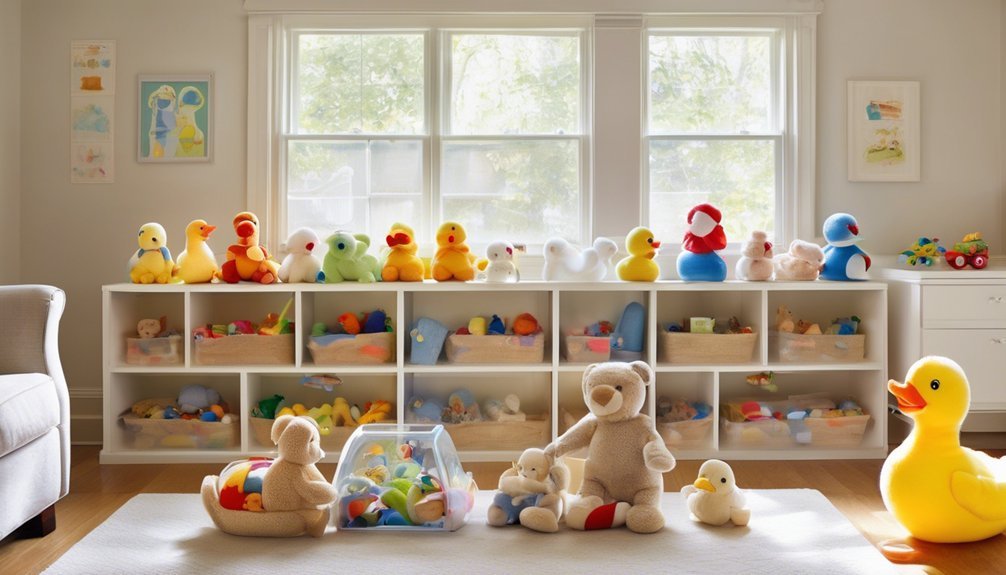
Properly storing clean toys is crucial for maintaining their hygiene and longevity. After cleaning, make sure to dry them thoroughly before putting them away.
Use clear bins or baskets for toy storage, allowing you to see what’s inside at a glance. Label each container with organization tips to help you quickly find specific toys.
Keep toys that are frequently used within easy reach, while less popular items can be stored higher up or in less accessible areas. Avoid damp spaces, as moisture can lead to mold.
Finally, regularly check your toy storage for any toys that may need cleaning or replacing. By following these steps, you create a safe and organized play environment for your little one.
Maintaining a Regular Cleaning Schedule
After organizing your clean toys, it’s important to maintain a regular cleaning schedule to keep them safe and hygienic for your child.
Establishing a consistent cleaning frequency will help you stay on top of toy maintenance. Here are three key steps to consider:
- Daily Wipe Down: Quickly wipe down frequently used toys with a damp cloth to remove any surface dirt or germs.
- Weekly Deep Clean: Set aside time each week to thoroughly clean toys, especially those that tend to get messy, like plush items or bath toys.
- Monthly Inventory Check: Review your toy organization each month, removing any damaged items and ensuring everything is still safe for your little one to play with.
Eco-Friendly Cleaning Alternatives
While you want your baby’s toys to be clean and safe, you might also be concerned about the environmental impact of harsh chemicals. Fortunately, there are eco-friendly cleaning alternatives that use natural cleaning solutions.
For instance, a mixture of vinegar and water makes an effective disinfectant without harmful residues. Baking soda is another great option, perfect for scrubbing away tough stains while being gentle on the environment.
When choosing toys, opt for those made from sustainable materials, as they’re often easier to clean and less likely to harbor harmful substances.
Frequently Asked Questions
Can I Use Bleach to Clean Baby Toys?
You shouldn’t use bleach on baby toys, as it can be harsh and harmful. Instead, consider safe cleaning alternatives like vinegar or mild soap. These options effectively clean while ensuring your little one’s safety.
How Can I Tell if a Toy Is Safe to Clean?
To determine if a toy’s safe to clean, check its materials first. Avoid harsh chemicals, and use gentle cleaning methods like soap and water. Always ensure the toy’s design can withstand your chosen cleaning approach.
Are There Any Toys That Shouldn’t Be Cleaned at All?
Some toys shouldn’t be cleaned at all, like electronic toys with batteries or plush toys that can’t withstand moisture. Always check the care instructions to ensure you’re keeping your little one’s favorites safe and sound.
How Often Should I Inspect Toys for Damage?
You should inspect toys for damage as often as you check your pulse; it’s vital for toy maintenance. Aim for a weekly inspection frequency, ensuring your little one’s playthings remain safe and sound.
What Should I Do With Broken Toys?
When you find broken toys, consider repair options first. If they’re beyond fixing, explore recycling methods to ensure they’re disposed of responsibly. This way, you’re keeping both your child and the environment safe.
Conclusion
By keeping baby toys clean, you’re not just preventing germs; you’re creating a safer space for your little one to explore and grow. It’s surprising how often a quick wipe-down can make a difference! Remember to wash plush toys and rinse bath toys regularly. When you store them properly, you’ll find that maintaining a clean play area becomes second nature. So, embrace these simple habits, and watch as playtime becomes both fun and safe!