Decluttering kids’ toys does not have to turn into a battle or an all-day project. With a calm plan and a few simple choices, the process can feel much more manageable. The first step is often the hardest, especially when children are involved and every toy seems important. A few practical habits can make the difference between a stressful cleanup and a routine that actually works.
Key Takeaways
- Start with a short, calm decluttering session and gather bins, labels, and storage tools first.
- Sort toys into three groups: keep, donate, or toss, and remove broken or missing-piece items.
- Keep only toys your child uses often, loves deeply, or still needs for current play and development.
- Involve children with gentle questions and praise to make decisions easier and less stressful.
- Maintain order with clear toy storage, seasonal cleanouts, and mindful new toy purchases.
Start Decluttering Kids’ Toys
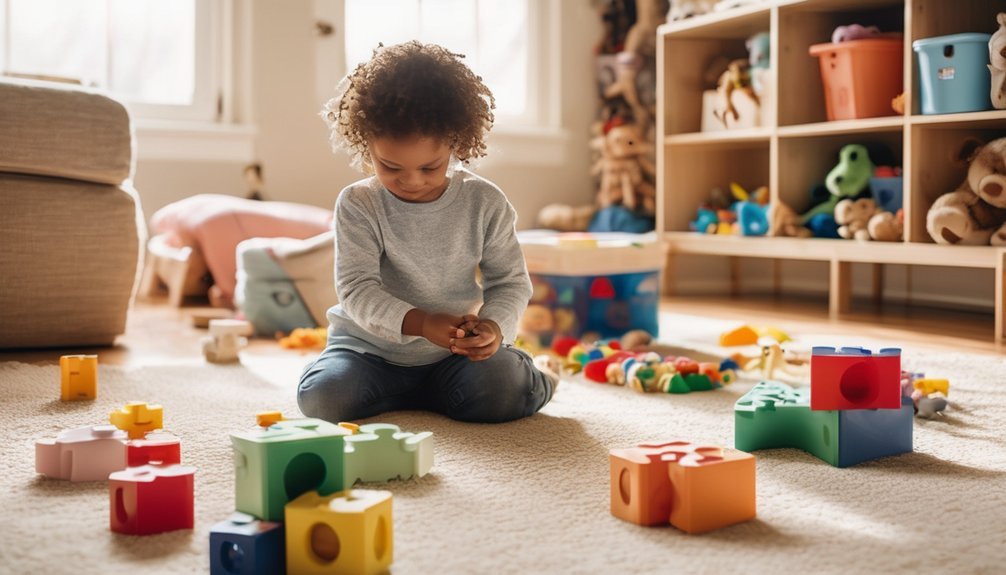
Starting to declutter kids’ toys can feel overwhelming, but it becomes more manageable when the task is broken into small, simple steps. A calm beginning helps a parent feel less pressure and more control. Setting aside a short, realistic block of time makes the process gentler for everyone.
Gathering bins, labels, and a few clear toy organization methods can create an easy path forward. It also helps to notice which toys are rarely reached for, so the space can start to feel lighter.
Seasonal decluttering strategies are useful too, since rotating attention to certain items keeps the work from growing too large. When the first step is simple, the whole room can begin to feel warmer, tidier, and easier to share.
Sort Toys to Keep, Donate, or Toss
A simple three-way sort can make decluttering feel much less daunting. Each toy can be placed into one of three groups: keep, donate, or toss. This gentle method supports toy organization without forcing quick decisions.
Broken items, missing pieces, or toys that no longer work well may move into the toss pile. Clean, usable toys that another child could enjoy belong in donate. Anything still loved, frequently used, or clearly useful stays in keep.
Clear bins or bags can help separate each group and reduce overwhelm. A calm, steady pace allows the process to feel kind rather than harsh.
Thoughtful toy storage begins with this sort, creating space for what truly matters and making the next steps easier to handle with care.
Choose the Toys to Keep
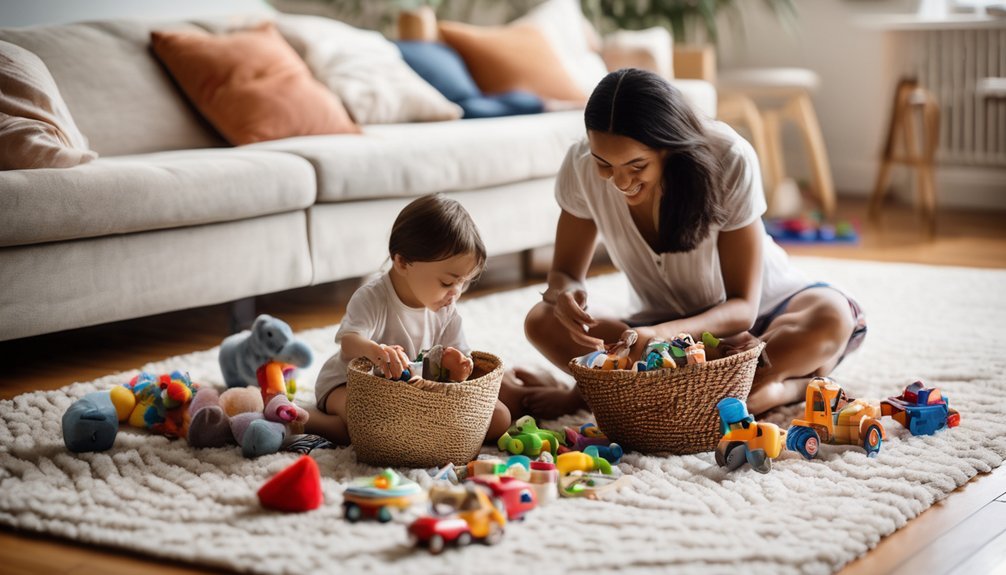
The keep pile should hold only toys that are used often, loved deeply, or support a child’s current stage of play. This simple rule helps narrow choices without guilt.
Favorite toys deserve a place if they inspire repeated play, build skills, or offer comfort during quiet moments. A few sentimental items can stay too, especially when they carry a sweet memory or mark a meaningful milestone.
The goal is not to keep everything that seems special, but to protect the toys that truly matter. If a toy is broken, outgrown, or ignored, it is likely not part of the keep pile.
With gentle focus, the collection becomes smaller, easier to manage, and more inviting for a child each day.
Declutter Toys With Your Child
Invite the child into the process so the sorting feels like a shared task rather than a loss. A calm, unhurried tone helps child involvement feel safe and respected, especially when a favorite toy is being examined.
The adult can ask gentle questions: Does this still get used? Does it spark play, comfort, or learning? Simple choices make toy organization easier and reduce resistance.
It helps to praise honest decisions and avoid arguing over every item. If the child hesitates, the adult can set aside a small keep pile and revisit it later.
This approach builds trust, supports growing independence, and turns decluttering into a quiet moment of connection.
Set Up a Toy Rotation System
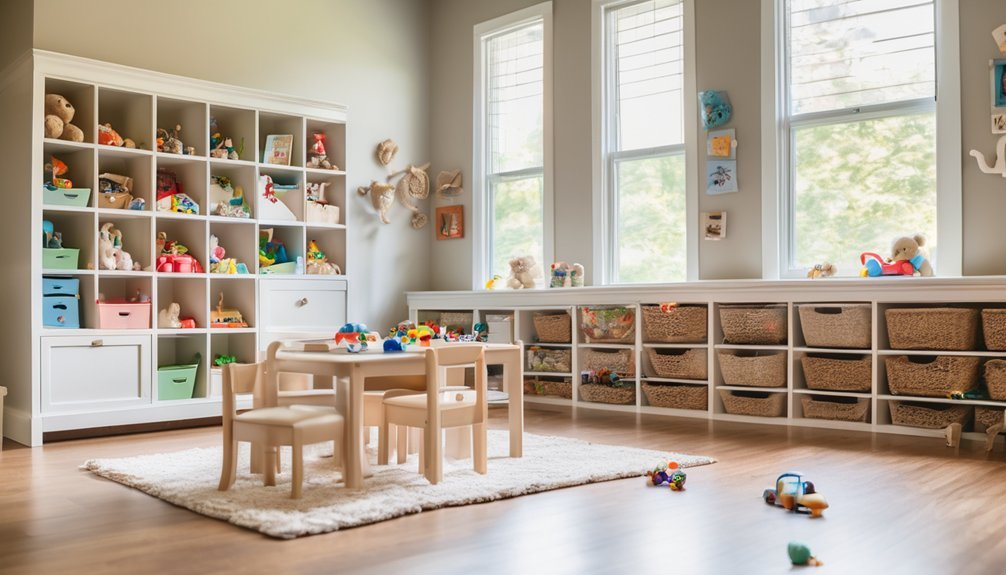
Once the keep pile is set, a toy rotation system can help the remaining toys feel fresh without increasing clutter. A small group of toys can stay available while the rest are stored out of sight, making play feel new again when items are switched.
This toy rotation supports calm spaces and reduces decision fatigue for both child and caregiver. The benefits simplicity offers are easy to feel: fewer messes, more focused play, and less overwhelm during cleanup.
A gentle schedule can be enough, whether changes happen weekly or monthly. The goal is not perfection, but a softer rhythm that respects a child’s interests and a home’s limits.
Prevent Toy Clutter From Returning
Keeping toy clutter from returning is often easier when simple habits are built into daily life. Clear toy storage helps each item have a place, while gentle organization tips make cleanup feel manageable rather than overwhelming.
Parents may notice that minimal play often leads to deeper attention and less scattering. Mindful purchasing also matters; choosing fewer, better-loved items protects space and reduces stress.
Regular seasonal cleanouts keep shelves honest, especially when children outgrow pieces faster than expected. It can help to watch the toy lifespan and let worn or ignored items leave with gratitude.
With consistent routines, the home stays calmer, and children learn that caring for belongings is a shared act of love, not another burden.
Frequently Asked Questions
How Do I Clean Toys Before Donating Them?
To clean toys before donating them, they should be washed with mild soap, sanitized according to material, and fully dried. Checking donation guidelines first helps ensure accepted items are safe, cherished, and ready for another child.
What Should I Do With Broken Toys Containing Batteries?
Broken toys containing batteries should be separated for safe broken toy disposal, with batteries removed and taken to battery recycling. This practical step protects loved ones and keeps the process gentle, simple, and reassuring.
How Can I Store Sentimental Toys Without Clutter?
They can store sentimental toys in labeled bins, shadow boxes, or under-bed containers, preserving sentimental value while reducing clutter. Creative storage with rotation keeps beloved items close, accessible, and emotionally comforting without overwhelming shared spaces.
When Is the Best Time to Declutter Kids’ Toys?
The best time is usually before the best seasons change, especially spring or autumn; nearly 80% of families report clutter builds fastest then. With family involvement, gentle sorting feels intimate, practical, and reassuring.
How Do I Handle Toy Clutter in a Shared Bedroom?
Toy clutter in a shared bedroom is handled best by setting clear zones, using toy rotation, and making shared responsibility part of the routine. Gentle limits and labeled storage keep the space calm, intimate, and manageable.
Conclusion
Decluttering kids’ toys does not have to feel like climbing a mountain. By starting small, sorting carefully, and involving children in simple choices, parents can create a calmer space without unnecessary stress. Keeping only loved, useful toys and using a rotation system helps prevent clutter from returning. With a few steady habits, the playroom can stay organized, and the process can feel less like a chore and more like a fresh beginning.