
Flying with a newborn can feel daunting, but many parents find it easier than expected with the right approach. You might not know that planning your trip around your baby’s schedule can significantly reduce stress. From choosing direct flights to packing the right essentials, every detail matters. Understanding how to keep your little one comfortable during the journey is crucial, so let’s explore some effective strategies to make your travel experience smoother.
Key Takeaways
- Gather all necessary travel documents, including your baby’s passport, and pack essential items like diapers and extra outfits for the flight.
- Choose direct flights during your baby’s naptime to minimize stress and ensure a quieter journey.
- Organize a well-equipped diaper bag with feeding supplies and comfort items to keep your baby comfortable during the trip.
- Familiarize yourself with airport logistics and utilize curbside check-in for convenience while managing luggage and your baby.
- Monitor your baby’s reactions to new environments, providing reassurance and adapting routines to ensure comfort throughout the journey.
Preparing for Your Trip
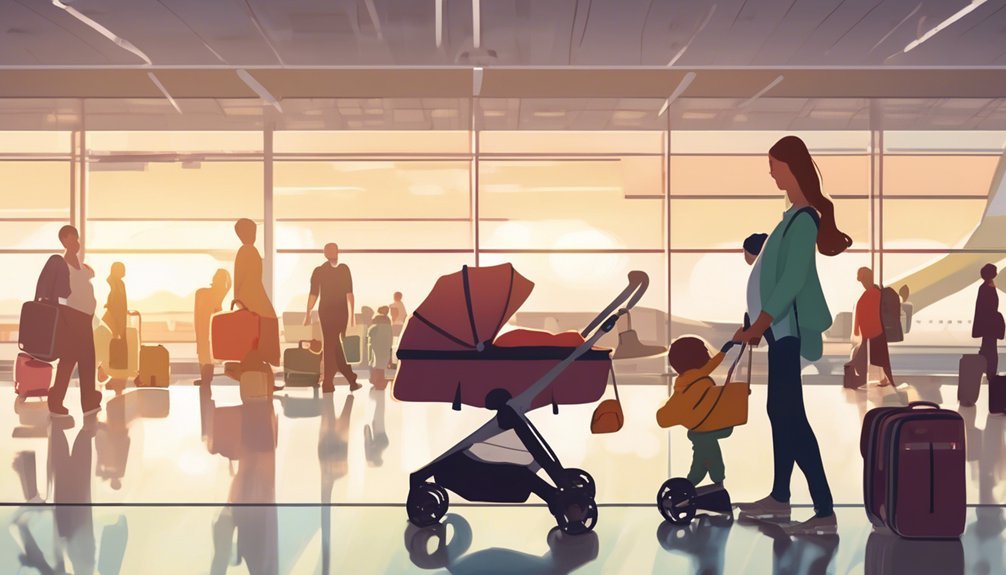
When you’re preparing for your trip with a newborn, it’s essential to plan ahead to ensure a smooth journey. Start by gathering all necessary travel documents, like your baby’s passport if you’re flying internationally. Double-check that everything’s in order to avoid last-minute stress.
Next, think about the baby gear you’ll need. A lightweight stroller and a comfortable baby carrier can make navigating the airport much easier.
Don’t forget to pack diapers, wipes, and an extra outfit for both you and your little one. Organize your carry-on bag, keeping these essentials easily accessible.
Choosing the Right Flight
Choosing the right flight can significantly impact your travel experience with a newborn. Whenever possible, opt for a direct flight. This minimizes stress and reduces the risk of delays during layovers, which can be tough on both you and your little one.
Consider the flight duration as well; shorter flights are usually easier on newborns and give you a chance to ease into the journey. If you can, schedule flights during your baby’s naptime. This way, you might enjoy a quieter trip, giving both you and your baby a chance to rest.
Booking Your Tickets
After selecting the right flight, the next step is booking your tickets. When it comes to flying with a newborn, understanding infant ticketing policies is crucial. Most airlines allow infants under two years to fly as a lap child, often at a reduced fare or for free. However, you’ll want to confirm specific guidelines for your airline to avoid surprises.
Here’s a quick comparison of common policies:
| Airline | Lap Child Age | Infant Ticket Cost | Additional Notes |
|---|---|---|---|
| Airline A | Under 2 years | Free if on lap | Must notify at booking |
| Airline B | Under 2 years | 10% of adult fare | Requires seat for a separate ticket |
| Airline C | Under 2 years | Free if on lap | Needs proof of age |
| Airline D | Under 2 years | Free if on lap | Limited to specific routes |
Make sure to double-check these details when booking!
Packing Essentials for Your Newborn

Packing for your newborn can feel overwhelming, but having the right essentials can make your travel experience smoother.
Start with a well-organized diaper bag, ensuring you’ve packed plenty of baby clothes, including layers for changing temperatures. Don’t forget feeding supplies like bottles, formula, or breast pump essentials.
Keep your travel documents handy; you never know when you might need them. Include comfort items like a favorite blanket or pacifier to help soothe your little one during the trip.
An emergency kit with diapers, wipes, and a change of clothes is a must. Lastly, think about your packing strategy—prioritize baby gear that’s lightweight and easy to carry.
With these essentials, you’ll feel more prepared for your journey.
Arriving at the Airport
Arriving at the airport with your newborn can be a bit daunting, but a little preparation goes a long way.

First, familiarize yourself with the airport logistics. Know where you can park, and consider using curbside check-in if available. You’ll want to keep your stroller handy for easy transport; it’s a lifesaver for carrying bags and keeping your little one comfortable.
When you arrive, take your time. Don’t rush; find a quiet spot to feed or change your baby if needed.
If you’re traveling with a partner, one of you can handle the luggage while the other manages the stroller.
Navigating Security With a Baby
Navigating airport security with a baby can feel overwhelming, but knowing what to expect can help ease the process. Familiarize yourself with security protocols before you arrive.
You’ll need to place baby items, like strollers and car seats, on the conveyor belt. Don’t worry—TSA agents are usually understanding and can assist you. Keep your baby close in a carrier or stroller, as it makes the process smoother.
Ensure you’ve got your essentials, like formula or breast milk, readily accessible; they’ll need to be screened separately. If you’re traveling with a partner, coordinate your movements to stay organized.
Tips for Managing Layovers
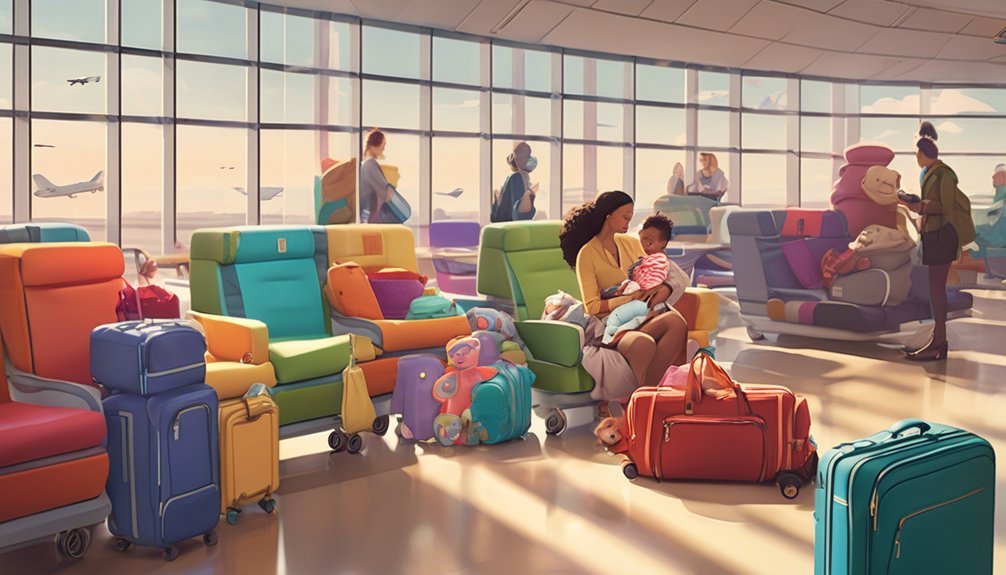
While layovers can be challenging, especially with a newborn in tow, a little preparation can make the experience much more manageable. Here are some layover tips to help you navigate the airport with ease:
| Tip | Description |
|---|---|
| Check Airport Amenities | Research kid-friendly areas, nursing rooms, and play zones. |
| Stay Hydrated | Keep water handy for yourself and formula for your baby. |
| Plan for Feeding | Allocate time for feeding before your next flight. |
| Use a Stroller | A lightweight stroller can help transport your little one easily. |
| Take Breaks | Allow time to stretch and relax in between flights. |
With these strategies, you can turn a potentially stressful layover into a more pleasant experience for both you and your baby.
Boarding the Flight
As you prepare to board the flight, it’s essential to stay organized and calm, especially with a newborn in your arms. Familiarize yourself with the airline’s boarding procedures; many offer early boarding for families with infants, allowing you extra time to settle in.
When considering seating arrangements, opt for a window seat if possible; this gives you a bit more space and a quieter environment. Don’t hesitate to ask the flight attendants for help with your luggage or any special accommodations you might need.
Keeping Your Baby Comfortable During the Flight
Once you’re settled in your seat, keeping your baby comfortable during the flight becomes a top priority. Start by mastering your feeding techniques; whether you’re breastfeeding or using a bottle, offer nourishment during takeoff and landing to help ease ear pressure.
Keep a cozy blanket handy to wrap your little one, creating a familiar environment that promotes relaxation.
If your baby gets fussy, try various soothing strategies like gentle rocking or softly humming a lullaby. A pacifier can also work wonders during moments of distress.
Dealing With In-Flight Challenges

Navigating in-flight challenges can feel overwhelming, but with a bit of preparation, you can manage most situations effectively.
For diaper changing, scout out the airplane’s restrooms in advance. Most have changing tables, making it easier for you.
If your baby gets fussy, bring along in-flight distractions like soft toys or board books to keep them entertained. A little music or gentle rocking can also soothe them.
Don’t hesitate to ask fellow passengers or crew for help if needed; most people understand what you’re going through.
Remember, it’s okay to step into the aisle for a quick bounce if your little one needs it.
With these strategies, you can create a smoother experience for both you and your baby.
Arriving at Your Destination
When you finally arrive at your destination, the excitement can be mixed with a bit of anxiety, especially with a newborn in tow.
Take a deep breath and remember that you’re not alone in this. Before traveling, research local accommodations that are baby-friendly, ensuring you have everything you need for your little one.
Consider booking a hotel with cribs or kitchenettes to make your stay more comfortable. Familiarize yourself with transportation options, like rental cars or rideshares, to help navigate your new surroundings.
If you’re using public transport, check if it’s stroller-friendly. Wherever you go, prioritize your baby’s needs, and don’t hesitate to ask for help when you need it.
You’ve got this!
Adjusting to New Environments With Your Newborn
As you settle into a new environment with your newborn, it’s important to create a sense of familiarity for both of you. Environmental changes can be overwhelming, so try to replicate your home routine as much as possible.
Bring along favorite blankets or toys that smell like home; these can comfort your baby and enhance their adaptability. Establish a calming space for sleep and play, using soft lighting and soothing sounds.
Remember, your newborn can sense your emotions, so stay calm and patient. If you notice any signs of stress, respond with gentle reassurance.
Frequently Asked Questions
Can I Bring My Baby’S Stroller Onboard the Plane?
You can usually bring your baby’s stroller onboard, but check the airline’s stroller guidelines first. Many parents opt for gate checking, ensuring the stroller’s safe and convenient access during boarding and disembarking.
What Identification Does My Newborn Need for Air Travel?
What’s more precious than your newborn’s safety? For air travel, you’ll need a birth certificate and possibly additional travel documents. Always check with your airline to ensure you have everything ready for your little one.
Are There Any Airline Restrictions for Newborns Flying?
Airline policies vary, so check each airline’s restrictions regarding infant age. Most allow newborns on board, but some require certain conditions. Always confirm in advance to ensure a smooth journey for you and your little one.
How Do I Handle Feeding During Takeoff and Landing?
Did you know that 70% of parents find feeding during takeoff and landing challenging? Use feeding techniques like breastfeeding or bottle-feeding, and consider comfort tips like swaddling to help soothe your little one during the flight.
Is There a Limit to the Number of Baby Items I Can Check?
You’ll find baby item restrictions vary by airline, but most let you check a stroller and car seat without counting against your luggage. Always confirm with your airline for specifics to ease your travel experience.
Conclusion
Flying with a newborn might seem like a daunting adventure, but with the right preparations, it can turn into a surprisingly smooth journey. Ironically, what feels like a monumental challenge often leads to cherished memories. You learn to embrace the chaos, and your baby adapts more easily than you’d expect. So, pack those essentials, stay flexible, and remember that every moment, even the tricky ones, contributes to your little one’s first experiences of the world. Safe travels!