
Navigating the postpartum period often brings unexpected changes to your body, including your nails. You might notice they're more brittle or splitting more easily than before. It's crucial to incorporate specific nutrients such as biotin, iron, and zinc into your diet, which play key roles in maintaining nail health. Moreover, simple adjustments to your daily routine, like increasing hydration and implementing gentle nail care practices, can significantly enhance your nails' strength and appearance. But there's more to consider, especially about the timing and type of nail products you use—have you considered how these could affect your nail recovery?
Key Takeaways
- Maintain a balanced diet rich in biotin, iron, vitamin C, and zinc to support nail strength and growth.
- Hydrate by drinking at least eight 8-ounce glasses of water daily and eating hydrating foods.
- Use nail oils and moisturizing creams regularly to prevent brittleness and enhance nail flexibility.
- Practice safe nail care by regularly trimming nails and moisturizing cuticles, using clean and sharp tools.
- Manage stress through mindfulness, deep breathing exercises, and ensuring adequate rest to promote overall nail health.
Understanding Postpartum Nail Changes
Many new mothers notice changes in their nail health after childbirth, a period often marked by increased fragility or brittleness in the nails. These nail texture changes are predominantly due to hormonal influences that affect your body during and after pregnancy. As you navigate this new chapter, it's crucial to understand how these changes manifest and why.
During pregnancy, elevated hormone levels such as estrogen can actually enhance nail growth and strength. However, postpartum, these levels drop significantly, leading to what you might be experiencing now: weaker nails prone to splitting and breaking.
This sudden shift can disrupt the nail growth cycle, impacting both the texture and quality of new nail cells.
It's important to recognize that these changes are temporary. As your body gradually returns to its pre-pregnancy hormonal balance, your nails will start to recover. In this transition, patience is key.
You're not alone in this; many new moms face similar postpartum challenges. Understanding these processes can empower you to take steps that support your body's natural recovery.
Importance of Balanced Diet
While understanding the hormonal influences on your nail health postpartum is important, it's also beneficial to focus on your overall diet to support recovery. A balanced diet provides essential nutrient sources that are crucial for both your general well-being and the specific needs of nail repair and growth.
Incorporating a variety of nutrient-dense foods can significantly impact your nail health. Here are some strategies to ensure you're getting a well-rounded diet:
- Diverse Protein Intake: Include proteins from both animal and plant-based sources. This mix ensures a broad spectrum of amino acids vital for keratin production, a primary component of nails.
- Colorful Fruits and Vegetables: Aim for a rainbow on your plate. Different colors often represent different nutrients and antioxidants that help combat stress and inflammation, supporting nail strength and recovery.
- Whole Grains and Healthy Fats: These are important for sustained energy and hormonal balance. Foods like whole wheat, quinoa, avocados, and nuts not only provide energy but also contain biotin and omega-3 fatty acids, which are beneficial for nail health.
Effective meal planning can help you incorporate these elements into your daily routine, ensuring you consistently receive the right balance of nutrients.
This approach not only aids in your postpartum recovery but also enhances your capacity to nurture both yourself and your loved ones.
Key Nutrients for Nail Health

Understanding which nutrients are essential for maintaining healthy nails can significantly enhance your postpartum recovery. Essential vitamins and mineral sources play a critical role in this process.
Your body needs a variety of vitamins, such as biotin (vitamin B7), which is pivotal for nail strength and growth. You can source biotin from eggs, almonds, and sweet potatoes. Additionally, vitamin C is crucial as it aids in collagen production—a protein integral to nail health. Citrus fruits, strawberries, and bell peppers are excellent sources of vitamin C.
Furthermore, don't overlook the importance of minerals like iron and zinc. Iron deficiency can lead to brittle nails, so it's important to include iron-rich foods like spinach, red meat, and lentils in your diet.
Zinc supports nail growth and immune function, which is vital during your postpartum period. Great sources of zinc include pumpkin seeds, beef, and chickpeas.
Hydration Tips for Strong Nails
Your body's hydration level plays a crucial role in maintaining strong, healthy nails postpartum. Ensuring adequate hydration is essential not only for your overall health but also for nail hydration and moisture retention.
Postpartum, your body requires extra fluids to recover and maintain its functions, including those that support nail strength and structure.
Here are three effective hydration tips:
- Increase Water Intake: Aim to drink at least eight 8-ounce glasses of water per day. More if you're breastfeeding, as lactation demands higher fluid needs. This simple practice helps maintain the moisture balance in your nails, preventing brittleness.
- Incorporate Hydrating Foods: Enhance your diet with foods high in water content such as cucumbers, watermelon, oranges, and celery. These contribute not only to overall hydration but also provide essential vitamins that aid in nail health.
- Use Hydrating Nail Products: Look for nail creams and cuticle oils that contain hydrating ingredients like hyaluronic acid or glycerin. Regular application can help boost your nails' moisture retention, reducing the likelihood of breakage and splits.
Safe Nail Care Practices
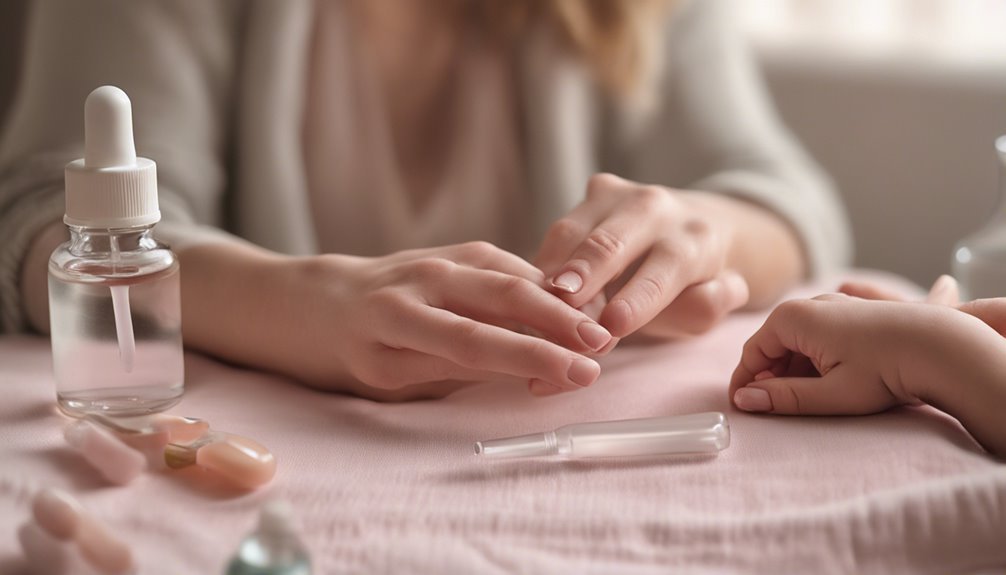
When caring for your nails postpartum, it's crucial to adopt safe practices that prevent damage and support nail health. Nail trimming and cuticle care are foundational to maintaining your nail's integrity and appearance.
It's advisable to trim your nails regularly to prevent them from becoming too long, which can lead to snagging and breakage. Always use a clean, sharp nail clipper or scissors, and aim to cut your nails straight across to avoid ingrown nails, which are particularly uncomfortable and can be prone to infection.
Regarding cuticle care, it's essential to keep them well-moisturized and to gently push them back instead of cutting them. The cuticle serves as a barrier to protect your nail bed from infections, so maintaining its health is paramount.
Use a soft wooden cuticle pusher to gently nudge the cuticle back. This method helps to maintain the cuticle's integrity without exposing your nail bed to potential pathogens.
Moreover, consider using gloves when cleaning or using water for prolonged periods to safeguard your nails from excessive moisture exposure, which can weaken them.

Avoiding Harsh Chemicals
In addition to adopting safe nail care practices, it's important to steer clear of harsh chemicals that can undermine your postpartum nail health.
Exposure to aggressive substances not only damages the nail's structure but can also lead to longer-term health issues, which is the last thing you need while caring for a newborn.
Here are a few strategies to keep your nails strong and healthy without exposing them to harmful chemicals:
- Choose Natural Nail Products: Opt for nail polishes and removers that are labeled as "10-free," meaning they lack the ten most common harmful chemicals found in nail care products. These natural alternatives are gentler on your nails and overall health.
- Read Labels Carefully: Always check the ingredients list for any product you use on your nails. Avoid anything containing formaldehyde, toluene, or dibutyl phthalate. Instead, look for chemical-free solutions that promote nail strength and growth.
- Consult Professionals: When in doubt, consult a dermatologist or a knowledgeable nail technician who uses natural nail products. They can provide personalized advice and recommend products that are safe and effective for your postpartum nail care.
Moisturizing Techniques for Nails
Maintaining moisture in your nails is essential for keeping them resilient and healthy, especially after childbirth. You'll want to focus on using nail oils and moisturizing creams that are rich in nutrients and hydration properties. Here's a simple guide to help you choose the right products and techniques.
| Product Type | Application Frequency | Key Benefits |
|---|---|---|
| Nail Oils | Daily | Hydrates nail beds, improves flexibility |
| Moisturizing Creams | 2-3 times daily | Prevents cracking, nourishes skin |
| Hybrid Products | As needed | Combines oil and cream benefits |
| Natural Oils (e.g., Coconut) | Nightly | Deep conditioning, eco-friendly |
| Specialty Maternity Brands | Follow label instructions | Formulated for postpartum needs |
When applying nail oils, make sure you cover the entire nail and cuticle area. This will seal in moisture and prevent brittleness. For moisturizing creams, don't just stop at your nails; apply them to your hands to enhance overall skin health and recovery postpartum. Remember, consistency is key. Regular use of these products will significantly improve the condition of your nails, making them stronger and more adaptable to changes your body is going through after childbirth.
Benefits of Biotin Supplements
Biotin supplements can greatly enhance nail health, particularly during the postpartum period. Often referred to as Vitamin B7, biotin plays a pivotal role in maintaining the strength and resilience of nails, which you might find weakening or becoming more brittle after childbirth.
Here's how incorporating biotin can be beneficial for you:
- Promotes Nail Growth: Biotin stimulates keratin production, a fundamental protein that makes up your nails. This can lead to quicker nail growth and reduced brittleness.
- Improves Nail Thickness: Regular biotin intake can help thicken nail cuticles and prevent breakage, allowing your nails to not only grow longer but stronger.
- Enhances Nail Appearance: With consistent use, you'll notice a natural sheen and improved texture in your nails, making them look healthier and more vibrant.
In terms of biotin sources, you can increase your intake through dietary options such as eggs, nuts, and whole grains, or you might consider a supplement if your diet lacks these components.
The recommended biotin dosage varies, but for postpartum women, consulting with a healthcare provider can ensure you're receiving an amount that supports nail health without exceeding necessary levels.
When to Consult a Dermatologist
While biotin supplements are effective for many postpartum women, you might encounter persistent issues with your nail health that require professional attention.
If you're noticing that your nails continue to split, peel, or break, despite your best efforts with dietary supplements and proper nail care, it may be time to consult a dermatologist.
Particularly, if you observe any signs of nail infections, such as discoloration, swelling around the nails, pain, or pus, these could indicate a fungal or bacterial infection.
Nail infections not only affect your nail's appearance and health but can also lead to more serious skin conditions if left untreated. A dermatologist can provide accurate diagnosis and tailored treatment options which might include topical or oral medications.
Additionally, other underlying skin conditions like psoriasis or eczema can manifest in the nails and might require specialized care.
These conditions can cause pitting, abnormal nail growth, and detachment of the nail from the nail bed, known as onycholysis. Your dermatologist is equipped to manage these complexities with a comprehensive approach that addresses both the symptoms and the root cause.
Don't hesitate to seek professional help if you're concerned about your nail health.
Timely intervention can prevent complications and restore your nails to their optimal condition.
Protective Nail Coatings
After addressing underlying health issues with a dermatologist, you might consider using protective nail coatings as an additional measure to safeguard your nails.
These specialized coatings can help to protect your postpartum nails, which may be more susceptible to brittleness and breakage during this period.
Protective nail coatings, such as nail polish or a base coat, form a defensive layer that minimizes exposure to water and harmful chemicals, which can further weaken your nails.
Here are three key benefits of using these coatings:
- Barrier Protection: A robust base coat acts as a shield against environmental aggressors. It prevents discoloration and reduces the penetration of detergents and cleaning agents that can strip natural oils from your nails.
- Moisture Retention: Coatings help seal in moisture, keeping your nails hydrated. This is crucial, as hydrated nails are less prone to splitting and peeling.
- Enhanced Appearance: Besides their protective benefits, these products can also improve the appearance of your nails, giving them a glossier and healthier look.
Nail Strengthening Exercises
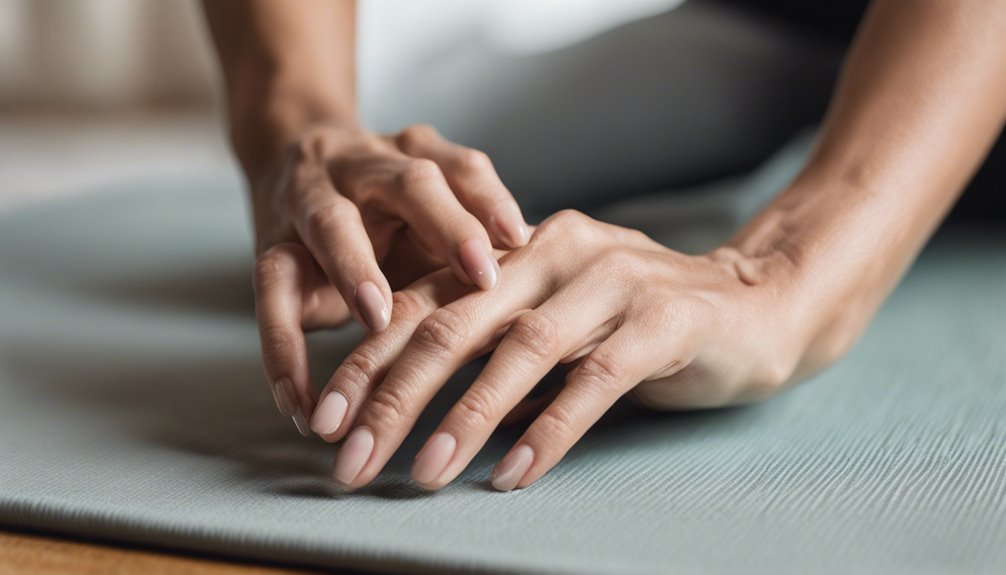
In addition to using protective nail coatings, you can further enhance your nail health postpartum by engaging in nail strengthening exercises. These exercises are designed to improve the circulation and overall strength of your nails, which can be particularly beneficial during the recovery period after childbirth.
One effective method is nail stretches. To perform these, extend your fingers and then bend them back gently, holding each stretch for a few seconds before releasing. This exercise improves flexibility and blood flow to your nail beds, encouraging healthier growth. Aim to repeat this routine several times throughout the day, especially if you find yourself engaged in repetitive tasks that don't involve much hand movement.
Fingertip exercises are another excellent option. Press the pads of your fingers against each other, pushing with moderate force. Hold this position for a few seconds, then release.
You can also try pressing your fingertips against hard surfaces like a tabletop or counter, which helps strengthen the nail bed and surrounding tissues. These exercises, when performed regularly, can significantly contribute to stronger, healthier nails during the postpartum period.
Managing Stress for Nail Growth
Managing stress is crucial for promoting healthy nail growth postpartum. As you navigate the challenges of motherhood, it's important to incorporate effective stress management strategies to maintain not only your well-being but also the health of your nails.
Here are three key relaxation techniques that can help:
- Deep Breathing Exercises: Take a few minutes each day to practice deep breathing. This can be as simple as inhaling for a count of five, holding for three, and exhaling for seven. This method helps to reduce stress levels by increasing blood oxygenation and promoting a calm state of mind.
- Scheduled Downtime: Plan short breaks throughout your day to simply rest or engage in activities you enjoy. Whether it's reading a book, taking a leisurely walk, or sipping your favorite tea, these moments can significantly lower stress levels and improve your overall health.
- Mindfulness Meditation: Dedicate time each day for mindfulness meditation. By focusing on the present moment and acknowledging your thoughts and feelings without judgment, you can achieve a state of inner peace that profoundly impacts your physical health, including nail strength and growth.
Incorporating these relaxation techniques into your daily routine can lead to noticeable improvements in both your stress levels and nail health.
Frequently Asked Questions
Can Nail Polish Remover Affect Postpartum Nail Health?
Yes, nail polish remover can affect your nail health, especially postpartum when your nails might be more fragile.
Many removers contain harsh chemicals like acetone, which can further weaken nails.
Look for acetone-free alternatives and removers enriched with nourishing ingredients to mitigate damage.
It's also wise to limit use and opt for removers that include vitamins and oils, helping to maintain nail strength and moisture during this sensitive time.
Are Gel Manicures Safe During Breastfeeding?
Gel manicures are a popular choice, with over 60% of salons offering them.
When it comes to gel manicure safety during breastfeeding, it's crucial to consider exposure to chemicals.
Most research suggests that occasional exposure through nail products is minimal and unlikely to harm your breastfeeding baby.
However, always opt for salons with good ventilation and inquire about non-toxic, "5-free" polish options to minimize any potential risks to both you and your child.
How Does Hormonal Change Postpartum Affect Nail Texture?
After giving birth, you'll notice that hormonal fluctuations can impact your nail texture, often causing them to become brittle or soft.
This is due to the shifting levels of estrogen and progesterone, which can slow down nail growth and alter their strength.
To serve others effectively in your role, maintaining your own health is crucial.
Consider incorporating a diet rich in biotin and omega-3 fatty acids to help restore and maintain your nail health.
Can Frequent Hand Washing Postpartum Weaken Nails?
Yes, frequent hand washing can weaken your nails postpartum.
Prioritizing proper hand hygiene and nail care is crucial. To combat brittleness, moisturize your nails and cuticles regularly with nourishing oils or creams.
Opt for mild, soap-free cleansers to reduce harsh effects on your nails. Wearing gloves during chores can also shield them from damage.
These steps help maintain nail strength and integrity, serving your well-being during this demanding time.
Is It Normal for Nail Color to Change Postpartum?
Yes, it's normal for your nail color to change postpartum.
Hormonal shifts during and after pregnancy can lead to nail discoloration among other changes.
To manage this, focus on postpartum nail care, including maintaining a balanced diet rich in vitamins and keeping your nails clean and trimmed.
If you're concerned about the extent of discoloration or other nail changes, consulting a healthcare provider can help address potential underlying causes more effectively.
Conclusion
As you navigate the postpartum period, cherish your body's resilience. Nourish yourself with a balanced diet, hydrate diligently, and embrace gentle nail care routines. By incorporating key nutrients and mindful practices, you bolster your nails' strength and vitality. Remember, consulting a dermatologist can provide tailored guidance. Your commitment to these practices not only restores your nails but also reflects your overall well-being, ensuring you shine with health and confidence in this new chapter of life.