
Tracking your baby’s feedings and naps isn’t just a helpful practice; it’s essential for their growth and development. Many new parents overlook the significance of this process, thinking it’s merely a matter of convenience. However, understanding your baby’s patterns can greatly enhance their well-being. By choosing the right method for tracking, you can provide better care for your little one. Let’s explore effective strategies that can make this journey smoother for both of you.
Key Takeaways
- Choose a tracking method that suits your preference, such as a mobile app or a pen-and-paper journal.
- Record feeding times, durations, and sleep patterns to identify trends and anticipate your baby’s needs.
- Establish a consistent routine for feedings and naps to promote security and predictability for your baby.
- Monitor your baby’s mood before and after sleep to assess their comfort and adjust routines as necessary.
- Celebrate milestones in feeding and sleeping, such as transitions to solids or longer sleep durations, to enhance your parenting experience.
Importance of Tracking Feedings and Naps
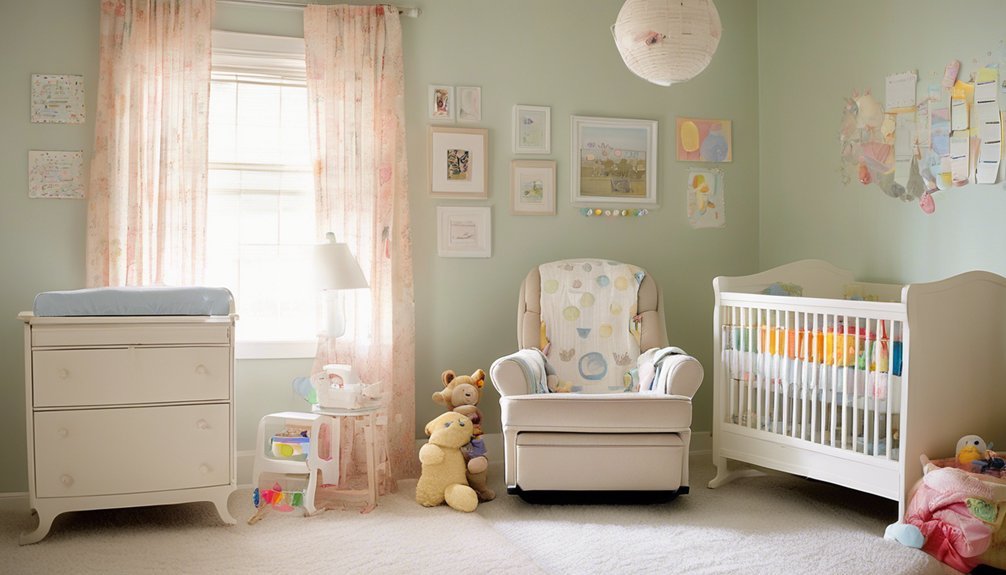
Tracking your baby’s feedings and naps isn’t just a helpful practice; it’s essential for their growth and well-being. By monitoring these patterns, you gain valuable developmental insights that help you understand your baby’s unique needs.
You’ll notice correlations between feeding times and sleep, which can guide you in establishing a comforting routine. The benefits of tracking are significant; it helps identify potential feeding issues, ensures your baby is getting enough nourishment, and fosters healthy sleep habits.
Moreover, this practice enhances your confidence as a caregiver, allowing you to respond proactively to your baby’s cues. By engaging in this attentive approach, you nurture not only their physical health but also your bond, creating a secure and loving environment for your little one.
Choosing the Right Tracking Method
When it comes to monitoring your baby’s feedings and naps, selecting the right tracking method can make all the difference in your caregiving experience. You’ll find various tracking tools, from apps to simple pen-and-paper journals.
Consider your personal preferences: do you prefer something digital that offers reminders and analytics, or do you enjoy the tactile experience of writing things down? Each method has its benefits, and the best choice aligns with your lifestyle and comfort.
If you’re tech-savvy, an app might streamline the process, while a journal can foster a deeper connection as you document each moment. Ultimately, the right tracking method should enhance your ability to care for your little one, creating a sense of harmony in your daily routine.
Using a Feeding and Nap Journal
Using a feeding and nap journal can significantly enhance your awareness of your baby’s routines, making it easier to identify patterns and adjust as needed.
By recording feeding frequency and nap duration, you’ll gain insights into your baby’s unique needs. Note the times and amounts of each feeding, as well as the length of each nap. This allows you to spot trends, such as whether your baby tends to eat more during certain times of the day or how long they typically sleep.
With this information, you can better anticipate their needs, ensuring they’re well-fed and rested. Plus, reflecting on these moments fosters a deeper connection with your little one, making parenting feel more intuitive and rewarding.
Mobile Apps for Tracking

As you navigate the early stages of parenthood, mobile apps for tracking feedings and naps can simplify the process and provide valuable insights into your baby’s habits.
These apps often come equipped with features like customizable reminders, detailed logs, and growth charts, helping you stay organized. You’ll appreciate how easy it’s to monitor feeding times and nap durations at a glance.
Plus, user reviews can guide you in choosing the best app for your needs. Look for ones that prioritize user-friendly interfaces and offer personalized tips based on your baby’s patterns.

Setting a Routine for Feedings
Establishing a routine for feedings not only supports your baby’s nutritional needs but also helps create a sense of security and predictability in their daily life. Consistency in feeding frequency and ideal timing can significantly enhance your baby’s comfort and well-being. Here’s a simple guide to help you set a feeding schedule:
| Feeding Session | Ideal Timing | Frequency |
|---|---|---|
| Morning | 7:00 AM – 8:00 AM | Every 3-4 hours |
| Midday | 11:00 AM – 12:00 PM | Every 3-4 hours |
| Afternoon | 3:00 PM – 4:00 PM | Every 3-4 hours |
| Evening | 6:00 PM – 7:00 PM | Every 3-4 hours |
| Night | 10:00 PM | As needed |
Understanding Baby Sleep Cycles
Understanding your baby’s sleep cycles is essential for promoting healthy rest and well-being. Babies typically experience shorter sleep durations, cycling through light and deep sleep stages every 50 to 60 minutes. During these cycles, you’ll notice that they may stir or wake, which is a normal part of their development.
Pay attention to wake windows—these are the periods when your baby is alert and content, usually lasting about 1 to 2 hours for newborns. Recognizing these patterns will help you establish a nurturing sleep environment.
Recognizing Hunger Cues

How can you tell when your baby is hungry? Recognizing hunger cues is essential for meeting your little one’s needs.
Early signs often include lip-smacking, rooting, or putting their hands to their mouth. As hunger increases, you might notice fussiness or a slight whimper.
It’s important to respond promptly to these baby cues, as waiting too long can lead to a more distressed state. Keep an eye out for these subtle changes; they’re your baby’s way of communicating their needs.
By tuning into these hunger signs, you foster a nurturing environment that promotes healthy feeding habits and strengthens your bond.
Trust your instincts—your awareness of their cues will only deepen your connection during this precious time.
Tips for Consistent Tracking
Consistent tracking of your baby’s feedings and naps can significantly enhance your understanding of their patterns and needs. To achieve this, try using simple tracking techniques like a dedicated app or a notebook.
Choose a specific time each day to record your observations, reinforcing consistency in your routine. When documenting feedings, note both the start and end times, along with the amount consumed. For naps, track duration and any signs of restlessness.
Consider setting reminders to help you stay on track. Use visual aids, like charts, to make it easier to identify patterns over time.
Adjusting to Your Baby’s Changing Needs
As you track your baby’s feedings and naps, it’s important to remain flexible and responsive to their evolving needs. Your little one’s growth and feeding preferences will change, so staying attuned is crucial.
Here are some ways to adjust:
- Observe Patterns: Pay attention to when your baby seems hungrier or more tired.
- Adapt Feeding Times: Adjust feeding schedules as your baby grows, accommodating their preferences.
- Monitor Nap Duration: Be aware that nap lengths may vary as your baby develops.
- Communicate Comfort: Understand that your baby may need comfort during transitions, ensuring they feel secure.
Involving Other Caregivers in Tracking

Involving multiple caregivers in tracking your baby’s feedings and naps can significantly enhance consistency and support. Effective caregiver communication fosters a shared responsibility, ensuring everyone stays informed and engaged.
By utilizing tracking tools that suit each caregiver’s preferences, you make it easier to document and share consistent updates. Encourage family involvement by discussing tracking methods during family meetings, allowing everyone to contribute ideas and strategies.
A collaborative approach not only strengthens relationships among caregivers but also creates a cohesive environment for your baby. When each person is aligned in their tracking efforts, it nurtures a sense of unity and attentiveness, ultimately benefiting your baby’s development and well-being.
Embrace the power of teamwork in this essential aspect of caregiving.
Analyzing Patterns for Better Sleep
Recognizing and analyzing patterns in your baby’s feedings and naps can lead to improved sleep quality for both your child and yourself.
By paying attention to these patterns, you can create a soothing sleep environment and foster positive sleep associations.
Here are four tips to help you analyze those patterns:
- Track timings: Note when your baby typically feeds and naps.
- Observe moods: Look for changes in your baby’s behavior before and after sleep.
- Assess sleep duration: Measure how long your baby sleeps during naps and at night.
- Adjust routines: Modify feeding and napping schedules based on your findings.
Celebrating Milestones in Feeding and Napping
Celebrating milestones in your baby’s feeding and napping can enhance your connection and provide valuable insights into their development. Each feeding progress, whether it’s transitioning to solids or sleeping through the night, is a significant achievement worth recognizing.
Acknowledge these moments with milestone celebrations that reinforce your bond and highlight your baby’s growth. You might consider creating a feeding chart or a special photo album to document these milestones, making them tangible and memorable.
Sharing these experiences with family and friends can also enrich your support network, fostering deeper connections. Remember, every small victory in feeding and napping contributes to your baby’s overall well-being, so embrace these milestones as cherished moments in your parenting journey.
Frequently Asked Questions
What Are the Signs My Baby Is Ready for Solid Foods?
You’ll notice signs of solid food readiness when your baby can sit up, shows interest in your meals, reaches for food, and has good head control. These cues guide you in introducing solids safely.
How Can I Ensure My Baby Naps Longer During the Day?
To help your baby nap longer, create a calming nap environment. Use soothing techniques like gentle rocking or soft music. Consistency and a comfortable space can significantly improve your baby’s daytime sleep quality and duration.
What Should I Do if My Baby Refuses to Eat?
When a flower refuses sunlight, it often needs a different angle. If your baby’s turning away from food, explore their preferences, eliminate distractions, and try new textures. Patience nurtures their willingness to embrace nourishment.
How Do I Handle Nighttime Feedings Effectively?
To handle nighttime feedings effectively, establish a calming nighttime routine. Stick to a consistent feeding schedule, ensuring your baby feels secure. This approach can foster a peaceful environment, promoting better sleep for both of you.
When Should I Consult a Pediatrician About Feeding Issues?
If your baby’s feeding difficulties feel like climbing Everest, don’t hesitate to consult a pediatrician. Their expert advice can guide you through concerns about weight gain, allergies, or unusual behavior, ensuring your little one thrives.
Conclusion
Tracking your baby’s feedings and naps isn’t just a task; it’s a journey through their early development. As you jot down those precious moments or tap on your app, you weave a tapestry of their growth. With each feeding and nap recorded, you’re not only meeting their needs but also fostering a sense of security. Embrace the routine, celebrate the milestones, and watch as your attentiveness blooms into a deeper bond, nurturing both you and your little one.