
Have you ever wondered what’s really in the products you use on your baby’s skin? Choosing organic baby skincare products can make a significant difference in your child’s health and comfort. These products avoid harsh chemicals and focus on natural ingredients that soothe and protect delicate skin. Understanding the benefits and key components of these products can help you make informed decisions for your little one’s skincare routine. What should you be looking for?
Key Takeaways
- Choose organic baby skincare products free from harsh chemicals and synthetic fragrances to ensure your baby’s safety and health.
- Look for key organic ingredients like aloe vera, calendula, and jojoba oil that soothe and protect delicate skin.
- Prioritize products with organic certifications, such as USDA Organic, for guaranteed natural and pesticide-free ingredients.
- Read reviews and conduct patch tests to evaluate product effectiveness and check for potential sensitivities in your baby’s skin.
- Use multi-use, hydrating products to minimize additives and maintain a simple skincare routine for your baby.
The Importance of Organic Skincare for Babies

When it comes to your baby’s delicate skin, choosing organic skincare products is essential for their health and well-being.
Babies often experience skin sensitivity, making it crucial to select products free from harsh chemicals and synthetic fragrances. Organic certifications ensure that the ingredients are sourced from natural, pesticide-free environments, minimizing the risk of irritation and allergic reactions.
These products are designed to nourish your baby’s skin without exposing them to harmful additives. By opting for organic, you’re not just caring for your little one’s skin; you’re also promoting sustainable practices.
Always check for reputable organic certifications on labels, as this guarantees the product’s purity and safety. Trusting these products means providing your baby with a gentle, loving touch right from the start.
Common Skin Issues in Infants
Babies often face a variety of skin issues due to their sensitive and developing skin. One common concern is baby acne, which usually appears as small red bumps on your little one’s face. It’s often temporary, caused by maternal hormones, and typically clears up without treatment.
Another issue is cradle cap, characterized by dry, scaly patches on the scalp. While it might look alarming, it’s harmless and usually resolves itself within a few months. You can gently wash your baby’s scalp and apply a mild oil to help ease the flaking.
Understanding these conditions can help you provide the best care for your baby’s delicate skin, ensuring they remain comfortable and happy as they grow.
Benefits of Using Organic Ingredients
Choosing organic ingredients for your baby’s skincare products can significantly enhance their overall health and well-being. By opting for items made from naturally sourced components, you’re ensuring that your little one’s skin is free from harmful chemicals and synthetic additives.
Organic ingredients are often gentler, reducing the risk of irritation and allergies, which is crucial for delicate baby skin. Additionally, ingredient transparency is a major advantage; you can easily identify what goes onto your baby’s skin without worrying about hidden toxins.
This trust in the products fosters a deeper connection between you and your baby’s care routine. Ultimately, using organic skincare products empowers you to nurture your child with love while prioritizing their skin’s health.
Key Ingredients to Look for in Organic Baby Skincare
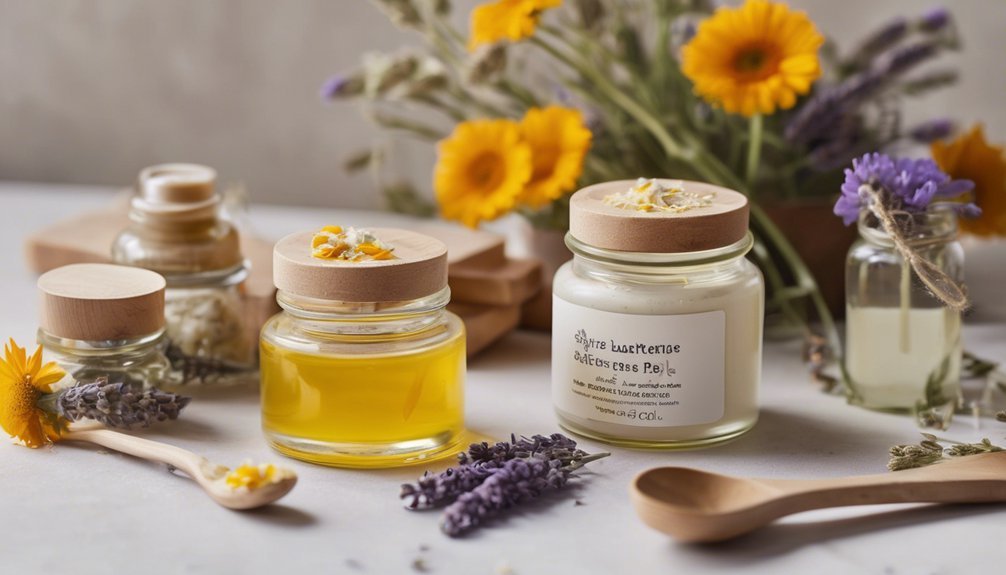
Opting for organic baby skincare products means being mindful of the key ingredients that nourish and protect your child’s delicate skin. Look for natural preservatives like vitamin E and rosemary extract, which help prolong shelf life without harsh chemicals. Additionally, hypoallergenic options such as shea butter and coconut oil provide moisture and soothe irritation. Here’s a helpful guide:
| Ingredient | Benefits |
|---|---|
| Aloe Vera | Soothes and hydrates skin |
| Calendula | Reduces inflammation and redness |
| Jojoba Oil | Balances skin’s natural oils |
| Chamomile | Calms sensitive skin |
| Sunflower Oil | Rich in vitamins and antioxidants |
Products to Help With Diaper Rash
When diaper rash strikes, having the right products on hand can make all the difference in soothing your little one’s discomfort.
Look for organic soothing ointments that contain ingredients like coconut oil, shea butter, and zinc oxide. These natural options not only provide relief but also help with diaper rash prevention by creating a protective barrier against moisture.
Remember to apply the ointment generously during diaper changes, ensuring that the affected area is clean and dry first.

Additionally, consider using organic diaper creams that are free from harsh chemicals, as these can irritate sensitive skin.
With the right products, you can effectively soothe your baby’s diaper rash and keep their skin healthy and happy.
Moisturizers for Dry Baby Skin
Finding the right moisturizer for your baby’s dry skin can be a game changer in keeping their skin soft and comfortable. You’ll want to explore various moisturizer types to discover the best dry skin solutions for your little one. Here’s a handy table to guide you:
| Moisturizer Type | Key Ingredients | Ideal For |
|---|---|---|
| Creams | Shea butter, Jojoba | Very dry skin |
| Lotions | Aloe vera, Coconut oil | Daily hydration |
| Ointments | Beeswax, Vitamin E | Severe dryness |
| Balms | Olive oil, Calendula | Sensitive skin |
| Oils | Almond oil, Avocado | Deep moisture |
Choose a product that suits your baby’s unique needs, and watch their skin thrive!
Gentle Cleansers for Sensitive Skin
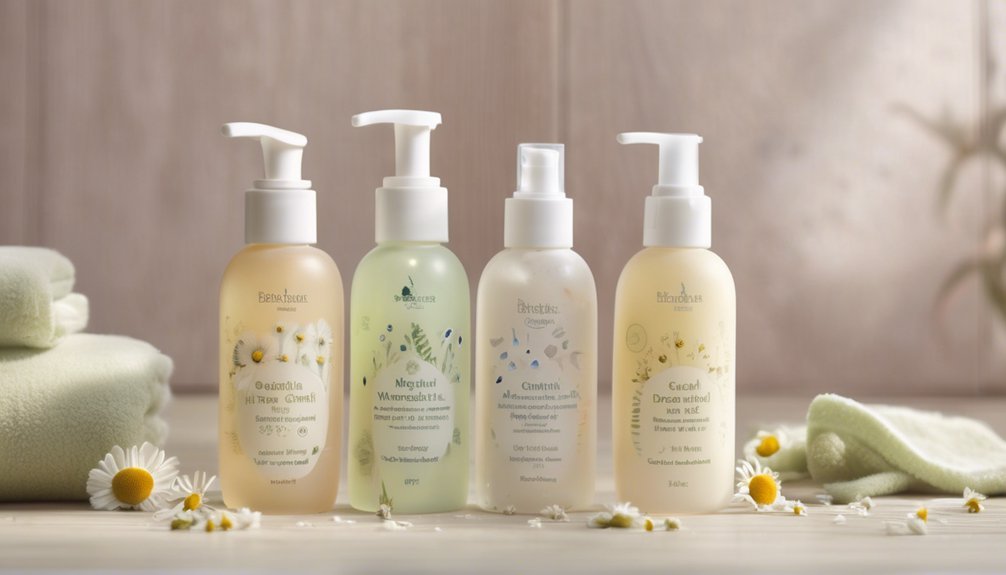
Choosing the right cleanser for your baby’s sensitive skin is crucial, as it helps maintain their natural moisture barrier while effectively removing dirt and impurities.
Look for mild formulations specifically designed for delicate skin. These gentle cleansers typically have a balanced pH, ensuring they cleanse without stripping away essential oils.
Ingredients like chamomile or calendula are excellent choices, as they soothe irritations and provide a calming effect. Avoid harsh chemicals, fragrances, and sulfates, as these can cause redness or discomfort.
When washing, use lukewarm water and apply the cleanser softly, making bath time a relaxing experience.
With the right product, you’ll not only clean your baby’s skin but also nurture it, fostering a healthy and happy complexion.
Organic Sunscreens for Babies
As the sun’s rays can be harsh on a baby’s delicate skin, it’s essential to protect them with organic sunscreens formulated specifically for infants.
These natural sunblock options not only shield your little one from harmful UV rays but also ensure their skin remains soft and irritation-free.
When choosing a baby sunscreen, consider the following:
- Look for broad-spectrum protection to guard against UVA and UVB rays.
- Opt for mineral-based ingredients like zinc oxide or titanium dioxide for gentle effectiveness.
- Check for certifications that verify organic and non-toxic formulations.
Natural Remedies for Baby Eczema
After protecting your baby’s skin from harmful UV rays with organic sunscreen, you may still encounter other skin concerns, such as eczema.
To help soothe your little one’s discomfort, start by identifying eczema triggers, like certain fabrics, allergens, or foods. Once you know what to avoid, create a calming routine.
Soothing baths can work wonders; use lukewarm water and gentle, fragrance-free cleansers to prevent further irritation. After bathing, gently pat your baby’s skin dry and apply an organic moisturizer to lock in moisture.
Oatmeal baths can also provide relief, thanks to their anti-inflammatory properties.
Always remember to consult your pediatrician before trying new remedies, ensuring your approach is safe and tailored to your baby’s needs.
Essential Oils Safe for Baby Skincare
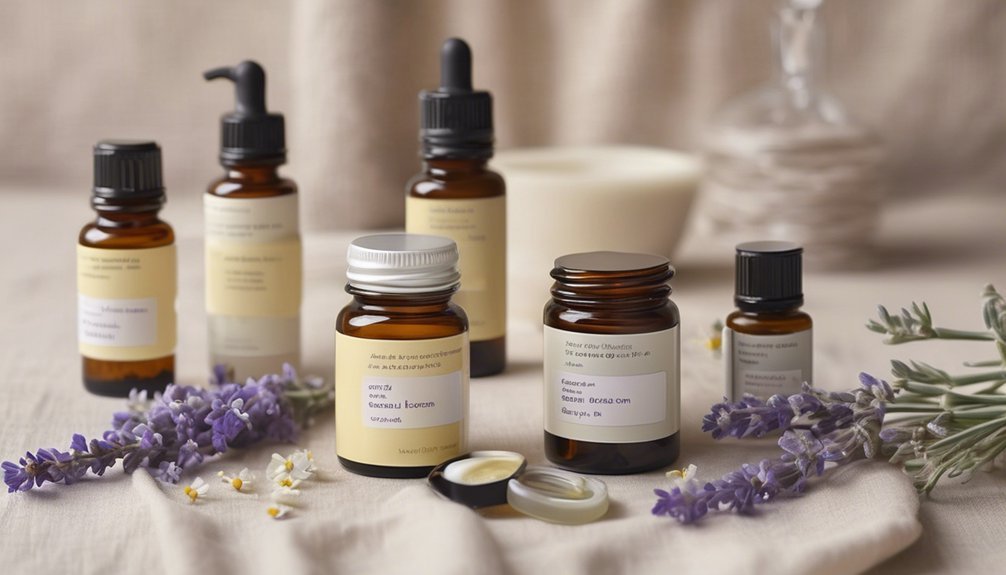
How can you safely incorporate essential oils into your baby’s skincare routine? Start by choosing gentle, natural options like lavender oil and chamomile extract. These oils are known for their calming and soothing properties, making them perfect for delicate baby skin.
- Dilution is key: Always dilute essential oils with a carrier oil before applying them to your baby’s skin.
- Patch test first: Apply a small amount to a less sensitive area to check for any adverse reactions.
- Consult your pediatrician: Always discuss any new products with your child’s doctor for personalized advice.
Tips for Choosing the Right Products
Choosing the right skincare products for your baby can be overwhelming, but keeping a few key factors in mind simplifies the process.
First, always prioritize ingredient safety. Look for organic ingredients free from harmful chemicals and synthetic fragrances.
Read product reviews to gauge other parents’ experiences; they can provide valuable insights into what works best for sensitive skin.
Remember, less is often more—opt for multi-use products that hydrate and protect without unnecessary additives.
Also, check for certifications, like USDA Organic, to ensure authenticity.
Finally, consider your baby’s unique skin type; a patch test can help you avoid adverse reactions.
Recommended Organic Baby Skincare Brands
When it comes to selecting organic baby skincare brands, several exceptional options stand out for their commitment to safety and quality.
You’ll want to choose brands that prioritize natural ingredients and ethical practices. Here are a few to consider:
- Earth Mama: Known for their soothing products and eco-friendly packaging, they keep your little one’s skin safe and healthy.
- Burt’s Bees Baby: This brand offers a range of products with cruelty-free certification, ensuring no animals are harmed in the process.
- The Honest Company: With a focus on transparency, they provide organic options that are gentle on your baby’s skin.
These brands not only nurture your baby but also promote a sustainable future.
You can feel confident and connected while choosing the best for your little one.
Frequently Asked Questions
Are Organic Baby Skincare Products More Expensive Than Conventional Ones?
When you make a price comparison, organic products often cost more than conventional ones. However, their effectiveness can justify the expense, as they typically contain fewer harmful chemicals, offering a gentler option for delicate skin.
How Can I Test for Allergic Reactions to Organic Products?
To test for allergic reactions, conduct a patch test on a small skin area first. Observe for 24 hours to check for any sensitivity or irritation before using the product more broadly. Always prioritize your skin’s health.
Are Organic Baby Skincare Products Safe for Newborns?
Like a gentle breeze on soft skin, organic baby skincare products are generally safe for newborns. They often contain organic ingredients that nurture and soothe delicate newborn skin, but always consult your pediatrician before trying new products.
Can I Use Adult Organic Skincare Products on My Baby?
You shouldn’t use adult organic skincare products on your baby. Adult skin compatibility differs significantly, and baby skin sensitivity requires gentler formulations. Always choose products specifically designed for infants to ensure their delicate skin remains safe and healthy.
How Long Do Organic Baby Skincare Products Last After Opening?
After opening, most organic baby skincare products have a shelf life of 6 to 12 months. Store them in a cool, dry place, away from sunlight, to ensure they remain effective and safe for your little one.
Conclusion
Choosing organic baby skincare products isn’t just a decision; it’s a commitment to your child’s health and the planet’s future. By embracing natural ingredients, you’re not only safeguarding your little one’s delicate skin but also nurturing their well-being in a world full of harsh chemicals. Remember, every gentle touch matters, and with the right products, you can create a soothing ritual that fosters both comfort and connection. Invest in their skin today, and watch them flourish tomorrow.