
Many parents aren’t aware that the choice between organic and non-organic baby food can significantly impact both health and environmental factors. Organic baby food is often free from synthetic pesticides and GMOs, potentially offering better nutrition. However, non-organic options can be more budget-friendly and convenient for busy families. Understanding the nuances between these choices can help you make an informed decision that aligns with your values and your baby’s needs. What will you prioritize for your little one?
Key Takeaways
- Organic baby food is made from ingredients free of synthetic pesticides, promoting health and environmental sustainability.
- Non-organic baby food is often more affordable and widely available, meeting strict safety regulations.
- Studies suggest organic options may have higher nutrient density and fresher taste compared to non-organic varieties.
- Homemade baby food allows for customization, nutritional control, and cost-effectiveness, ensuring fresh ingredients without additives.
- Variety in baby food choices is essential for developing healthy eating habits and catering to individual preferences.
Understanding Organic Baby Food
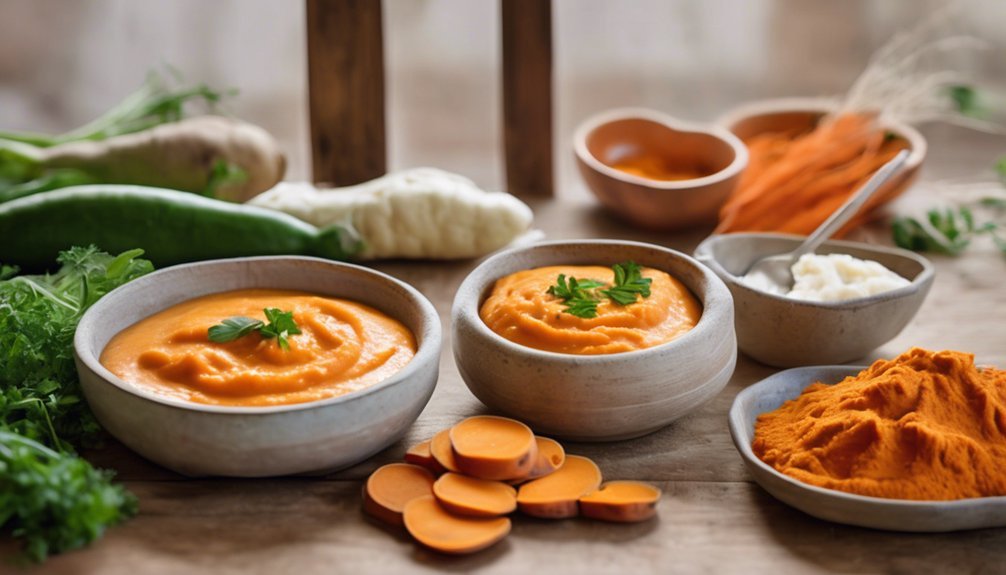
What exactly is organic baby food, and why is it a popular choice among parents?
Organic baby food is made from ingredients sourced without synthetic pesticides, herbicides, or genetically modified organisms (GMOs). This commitment to purity resonates with parents who prioritize their little one’s health.
By choosing organic, you’re not just ensuring safer food for your baby; you’re also considering the environmental impact. Organic farming practices promote biodiversity and reduce pollution, which can create a healthier planet for future generations.
Additionally, many parents appreciate the transparency in ingredient sourcing that organic brands often provide. This connection fosters trust and allows you to make informed choices about what your baby consumes during those crucial early years.
The Benefits of Organic Baby Food
Choosing organic baby food offers a range of benefits that can enhance your baby’s health and well-being. One of the most significant health benefits is reduced exposure to harmful pesticides and chemicals, which can lead to better overall health for your little one.
Organic foods often contain higher levels of essential nutrients, supporting your baby’s growth and development.
Moreover, by opting for organic, you’re also making a positive environmental impact. Organic farming practices promote biodiversity and reduce soil and water pollution, fostering a healthier planet for your child’s future.
When you choose organic baby food, you’re not just nourishing your baby; you’re also investing in a sustainable world. Together, these benefits create a nurturing and responsible choice for your family.
Understanding Non-Organic Baby Food
While many parents are drawn to organic baby food for its perceived health benefits, understanding non-organic baby food is equally important.
Non-organic baby food can offer a practical option for busy families. Here are a few key points to consider:
- Non-organic ingredients may include additives and preservatives.
- Many non-organic foods are produced under strict safety regulations, ensuring they meet health standards.
- They often come at a lower price point, making them budget-friendly.
- Non-organic options are widely available, providing convenience for parents.
The Benefits of Non-Organic Baby Food
Although many parents prioritize organic options, non-organic baby food offers several benefits that can’t be overlooked.
One major advantage is its affordability, allowing you to provide nutritious meals for your little one without breaking the bank. Non-organic baby food often retains excellent nutritional value, ensuring your baby gets essential vitamins and minerals.
Additionally, the ingredient sourcing for non-organic products tends to be more straightforward, as many brands use widely available ingredients, making it easier for you to find options that suit your baby’s taste and dietary needs.
This accessibility can be a huge relief for busy parents, giving you peace of mind while ensuring your baby enjoys a variety of flavors and textures.

Nutritional Differences Between Organic and Non-Organic
When comparing the nutritional differences between organic and non-organic baby food, it’s important to consider factors like pesticide residue and ingredient sourcing.
Research shows that both types can provide essential nutrients, but there are some distinctions worth noting:
- Nutrient Density: Organic options often have higher nutrient density due to healthier soil practices.
- Vitamin Content: Some studies suggest organic foods may contain more vitamins, particularly vitamin C.
- Additives: Non-organic baby food can sometimes contain preservatives and artificial flavors that organic varieties avoid.
- Flavor: Parents often report that organic baby food tastes fresher and more vibrant.
Ultimately, choosing between organic and non-organic baby food comes down to what aligns with your family’s values and nutritional needs.
Pesticide Residues and Their Impact
As you consider the safety of baby food, understanding pesticide residues and their potential impact on health becomes crucial. Pesticide exposure can be concerning, especially for infants whose developing bodies are more vulnerable.
Research shows that certain pesticides may pose health risks, including developmental delays and long-term effects on cognitive function. While the levels found in non-organic baby food typically fall within regulatory limits, the cumulative effect of exposure over time raises questions.
Choosing organic options can reduce your baby’s exposure to these residues, offering peace of mind. However, it’s essential to weigh these concerns against the overall nutritional value and variety in your baby’s diet.
Ultimately, informed choices will safeguard your little one’s health and well-being.
Cost Considerations for Parents
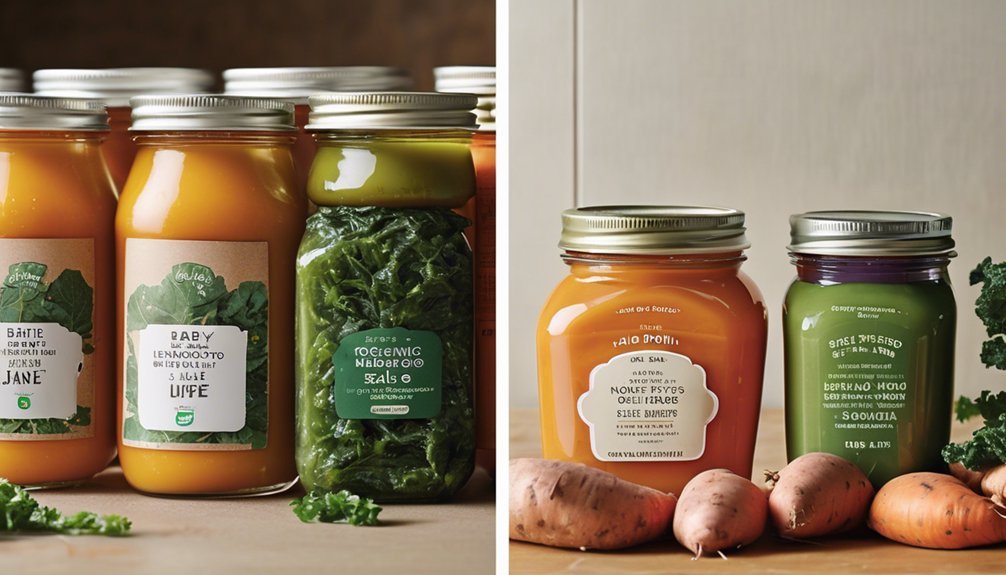
While prioritizing your baby’s nutrition, cost considerations are also a significant factor for many parents. Organic baby food often comes with a higher price tag, so it’s essential to engage in some budget planning and price comparison.
Here are some points to keep in mind:
- Organic foods may offer health benefits, but weigh them against your budget.
- Non-organic options can be more affordable and still nutritious.
- Look for sales or bulk purchasing to save money on organic brands.
- Consider making homemade baby food, which can be cost-effective and nutritious.
Ultimately, finding the right balance between quality and cost can help you provide the best for your little one without straining your finances.
Taste and Acceptance by Babies
How do taste and acceptance influence your baby’s eating habits? Babies are naturally curious and often express their flavor preferences early on.
When introducing organic or non-organic baby food, you’ll likely observe distinct baby reactions. Some studies suggest that organic foods may have more intense flavors, which could lead to higher acceptance rates. However, individual preferences vary widely.
It’s important to note that repeated exposure to different flavors helps babies develop a broader palate. By offering both organic and non-organic options, you can gauge which tastes resonate best with your little one.
Ultimately, fostering a positive mealtime experience and encouraging exploration will support your baby’s journey toward healthy eating habits, regardless of the food’s origin.
Availability and Accessibility of Baby Food Options
When introducing your baby to new flavors, the availability and accessibility of baby food options can play a significant role in shaping their dietary experiences.
It’s essential to consider various factors that can impact your choices:
- Store availability: Check local grocery stores and specialty shops for organic and non-organic options.
- Online options: Many retailers offer convenient delivery services, making it easier to access diverse brands.
- Local sourcing: Support nearby producers for fresher, seasonal ingredients that can enhance your baby’s meals.
- Brand variety: Explore different brands to find ones that align with your values and your baby’s taste preferences.
Labels and Certifications to Look For
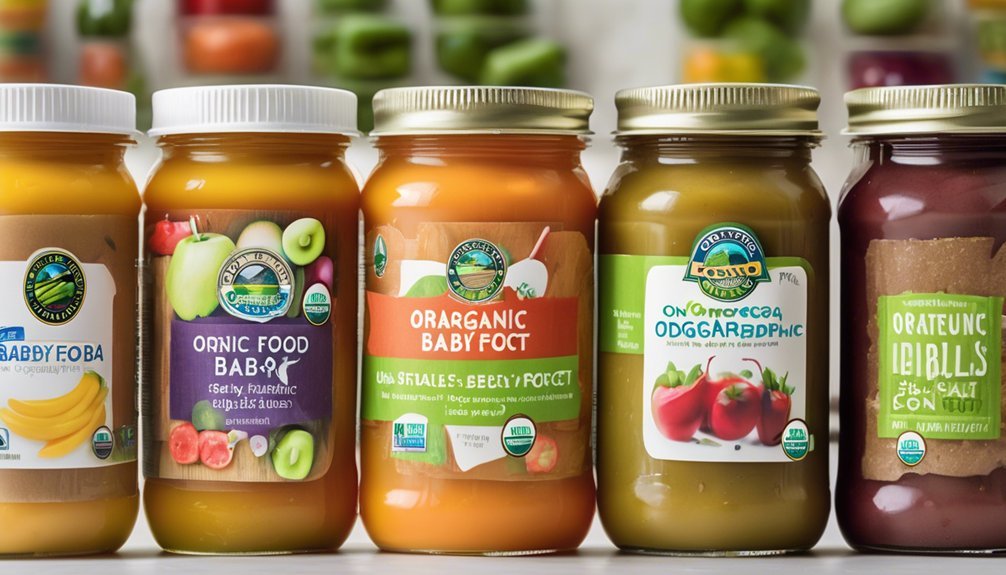
Navigating the world of baby food labels and certifications can feel overwhelming, but understanding what to look for can simplify your choices.
Start by checking for USDA Organic certification, which indicates the food meets strict labeling regulations for organic produce. Look for certifications from reputable agencies, like the Non-GMO Project, ensuring the absence of genetically modified organisms.
If you see “Certified Clean” or “Kosher,” those can also reflect quality standards. Remember, not all products labeled “natural” are necessarily safe or healthy; it’s often a vague term.
Homemade Baby Food: A Middle Ground
If you’re feeling uncertain about store-bought options, homemade baby food can offer a satisfying compromise. By creating your own meals, you have control over the ingredients, ensuring nutritional balance for your little one.
Consider these benefits of homemade recipes:
- Fresh ingredients without preservatives
- Customizable flavors and textures
- Cost-effective compared to store-bought options
- Greater assurance of food safety
Making your own baby food allows you to craft nutrient-rich meals tailored to your child’s needs. It’s a wonderful way to bond while introducing them to new tastes.
Plus, you can experiment with various fruits and veggies, ensuring they get the vitamins they need. Homemade baby food gives you peace of mind and helps your baby develop healthy eating habits from the start.
Making the Best Choice for Your Baby
Choosing the right baby food can feel overwhelming, especially with the myriad of options available today. When it comes to making the best choice for your little one, consider their baby food preferences alongside established nutritional guidelines.
Organic baby foods often boast fewer pesticides and additives, while non-organic options may be more budget-friendly. It’s essential to focus on the nutritional value of the food you choose, whether it’s organic or not. Look for products rich in essential vitamins and minerals that support your baby’s growth.
Ultimately, trust your instincts as a parent, and remember that variety is key. Experimenting with different flavors and textures can help you find what your baby enjoys most, ensuring they develop healthy eating habits.
Frequently Asked Questions
Are There Specific Brands of Organic Baby Food You Recommend?
When considering specific brands, you’ll find that brand comparisons reveal top choices like Happy Baby and Earth’s Best. Both offer nutritious options, ensuring your little one enjoys wholesome food without compromising on quality or taste.
How Can I Tell if Baby Food Is Truly Organic?
To tell if baby food’s truly organic, check for certification standards on the label. Look into ingredient sourcing, ensuring they’re from organic farms. Transparency in these areas reflects the quality you want for your little one.
Is It Safe to Mix Organic and Non-Organic Baby Food?
Mixing foods isn’t uncommon; about 60% of parents do it. While safety concerns exist, nutritional differences between organic and non-organic foods may be minimal. Just ensure any blend meets your baby’s dietary needs and preferences.
What Should I Do if My Baby Refuses Organic Food?
If your baby refuses organic food, try different textures and flavors to cater to their preferences. Keep nutrition concerns in mind, and introduce small amounts gradually. Patience is key; they might come around eventually.
Can Homemade Baby Food Be Considered Organic?
Yes, homemade baby food can be considered organic if you use homemade ingredients that are certified organic. Always check for organic certifications on your produce to ensure your baby’s meals are truly organic and healthy.
Conclusion
In the epic showdown between organic and non-organic baby food, you hold the power! While organic options dazzle with their nutrient density and eco-friendliness, non-organic choices heroically offer convenience and affordability. It’s not just a choice; it’s your baby’s future at stake! Weigh your values, consider your budget, and remember, both paths can lead to a healthy, thriving little one. So, gear up, make that choice, and watch your baby flourish in whichever way you decide!