
Did you know that nearly 75% of parents use pacifiers to help soothe their babies? Choosing the right type can significantly impact your child’s comfort and development. With options ranging from traditional rubber to orthodontic designs, understanding these choices is crucial. As you navigate the world of pacifiers, consider how each type aligns with your baby’s needs and when to introduce them for the best results.
Key Takeaways
- Traditional rubber pacifiers provide a soft, natural feel, ideal for infants and effective in easing teething discomfort.
- Silicone pacifiers are durable and easy to clean, but may cause irritation in some babies due to potential allergies.
- Orthodontic pacifiers support healthy oral development, promoting proper teeth and jaw alignment for infants aged 0-6 months.
- Regularly inspect pacifiers for signs of wear, such as cracks or discoloration, to ensure safety and effectiveness.
- Replace pacifiers every 2-3 months or if the baby shows signs of discomfort, to maintain hygiene and prevent choking hazards.
Understanding Pacifiers: A Parent’s Guide
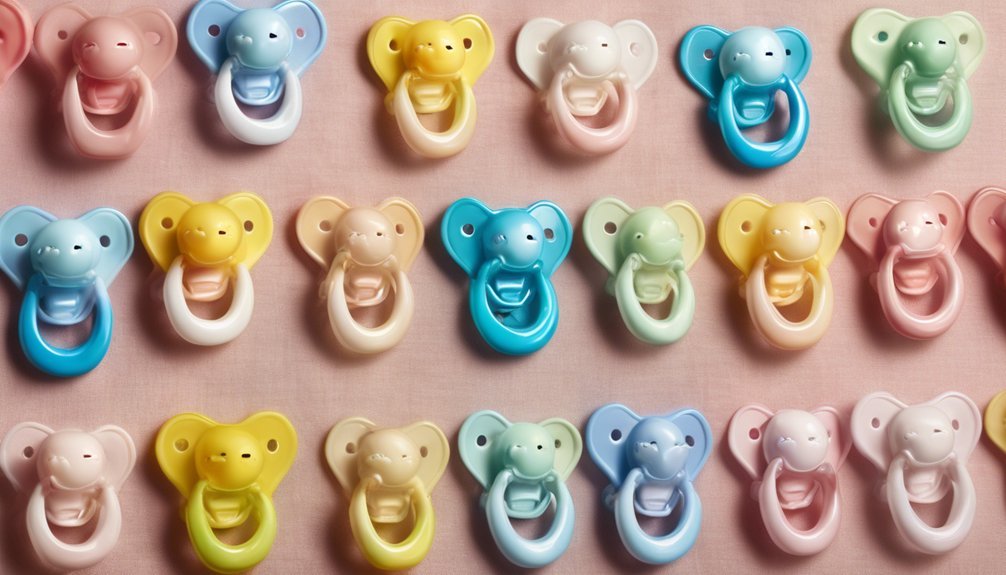
When you’re navigating the world of pacifiers, understanding their types and benefits can make a significant difference for both you and your baby.
Many parents encounter pacifier myths that can lead to confusion. For instance, some believe pacifiers interfere with breastfeeding, but the right timing and technique can prevent this issue.
Different pacifiers suit different soothing techniques, whether your baby enjoys a latex or silicone option. It’s essential to choose a pacifier that aligns with your baby’s needs and your parenting style.
Consider factors like age, material, and shape. By debunking myths and employing effective soothing techniques, you can create a more harmonious environment for your little one, ensuring both comfort and peace of mind during those early months.
Traditional Rubber Pacifiers
Traditional rubber pacifiers have long been a popular choice for parents seeking a soothing solution for their infants.
These pacifiers offer several traditional rubber benefits, including a soft, natural feel that many babies find comforting. They can help ease teething discomfort and promote self-soothing, allowing your little one to settle down more easily.
When considering traditional rubber safety, it’s essential to choose high-quality, BPA-free options to ensure your baby’s health. Additionally, regular cleaning and inspection for wear and tear can further enhance safety.
Silicone Pacifiers: Pros and Cons
While many parents appreciate the benefits of silicone pacifiers, it’s important to weigh their pros and cons before making a choice.
One significant advantage is silicone durability; these pacifiers are often long-lasting and resistant to wear and tear. They’re also easy to clean, making them a practical option for busy parents.
However, some children might experience silicone allergies, leading to irritation or discomfort. It’s crucial to monitor your baby for any reactions.
Additionally, silicone pacifiers can be less flexible than rubber options, which may impact how your child accepts them.
Ultimately, considering these factors will help you make an informed decision that suits both your lifestyle and your baby’s needs.
Orthodontic Pacifiers for Healthy Development
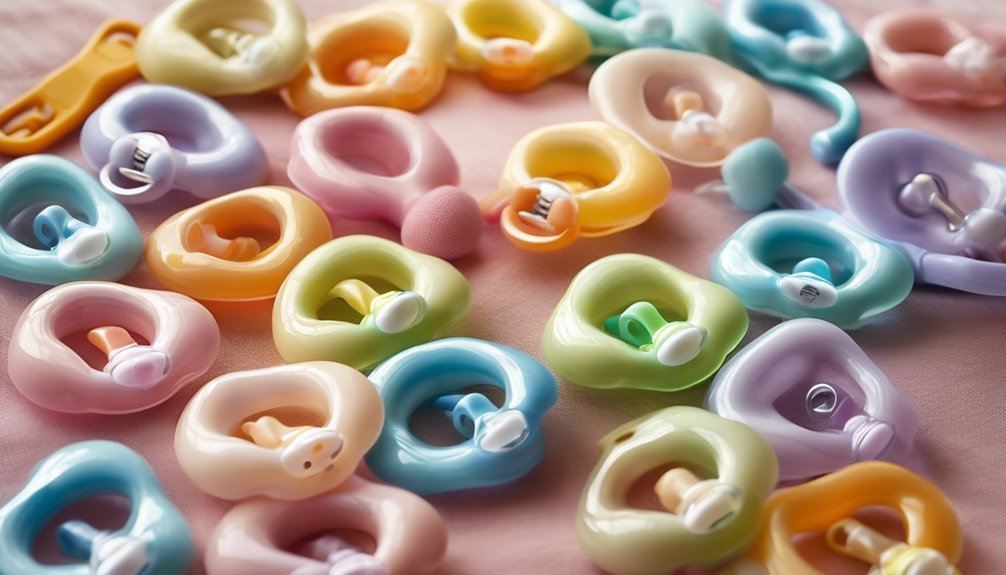
Orthodontic pacifiers are designed to support healthy oral development in infants, ensuring that their teeth and jaw align properly as they grow. By choosing these pacifiers, you can promote orthodontic benefits that last into childhood. However, proper usage is crucial; limit pacifier time to avoid dependency.
| Feature | Orthodontic Pacifiers |
|---|---|
| Shape | Nipple mimics natural breast shape |
| Material | Soft, flexible silicone |
| Age Recommendation | Typically for ages 0-6 months |
When selecting a pacifier, look for ones that follow these guidelines. You’ll not only soothe your baby but also contribute to their dental health, setting the stage for a bright, healthy smile.
Glow-in-the-Dark Pacifiers for Nighttime Use
When it comes to nighttime comfort, glow-in-the-dark pacifiers can be a game changer for both you and your baby.
These innovative pacifiers provide glow benefits that help you quickly locate them in the dark, minimizing disruptions during those late-night feedings or soothing sessions. You’ll appreciate how they reduce the stress of searching for a pacifier when your little one needs it most.
Additionally, the gentle glow can create a calming atmosphere, helping your baby feel secure and relaxed as they drift off to sleep.
Pacifiers With Handles: Convenience and Safety
Glow-in-the-dark pacifiers offer unique advantages for nighttime use, but during the day, convenience and safety take center stage.
Pacifiers with handles provide a practical solution for parents, allowing easy access and quick retrieval. The handle’s design enhances grip, making it simple for you to give the pacifier to your little one, reducing the chances of dropping it on the floor.
Moreover, handle safety is crucial; many designs ensure that the handle is smooth and free from sharp edges, minimizing risks during use. This added feature not only supports pacifier convenience but also promotes peace of mind for you as a caregiver.
Ultimately, choosing a pacifier with a handle balances functionality with your baby’s safety, making it an ideal choice.
Personalized Pacifiers: Customizing for Your Baby
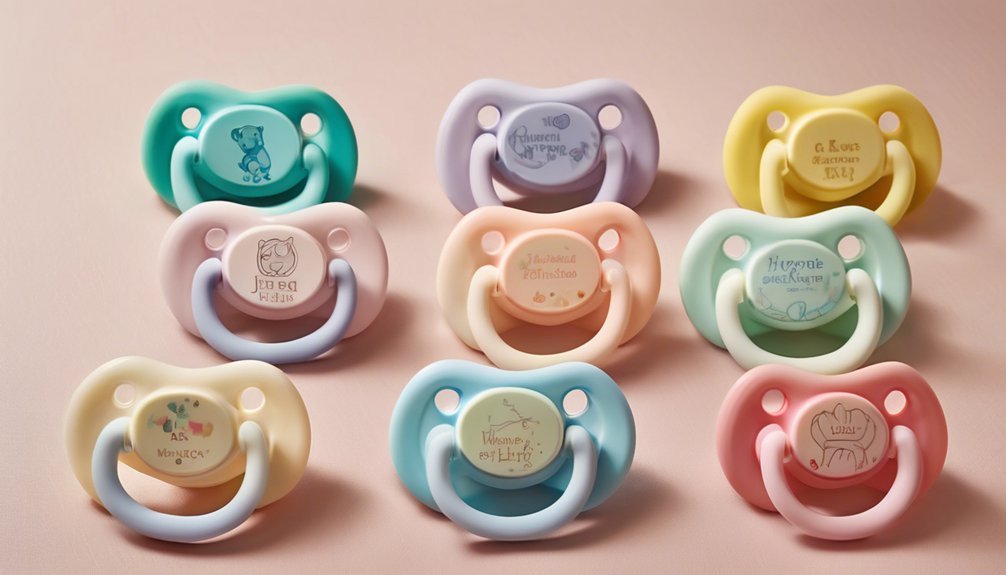
Personalized pacifiers have become a popular choice for parents looking to add a unique touch to their baby’s essentials.
Custom designs and color options allow you to create a pacifier that truly reflects your baby’s personality.
Here are three ways to personalize your pacifier:
- Engraved Names: Add your baby’s name or initials for a special keepsake.
- Color Variations: Choose from a rainbow of colors to match your nursery or your baby’s outfits.
- Themed Designs: Select designs that reflect your family’s interests, such as animals, sports, or favorite characters.
Pacifiers With Built-In Teethers
Pacifiers with built-in teethers offer a practical solution for soothing your baby while also supporting their teething needs. These dual-function pacifiers provide teething relief without needing extra accessories, making them convenient for busy parents. When choosing one, prioritize pacifier safety by ensuring it meets safety regulations and is made from non-toxic materials.
| Feature | Benefits |
|---|---|
| Teething Relief | Helps soothe sore gums |
| Dual Functionality | Pacifier and teether in one |
| Safety Standards | Compliance with regulations |
Using these innovative pacifiers can keep your little one comfortable during teething while giving you peace of mind. Remember, always supervise your baby with any pacifier or teether to ensure their safety.
When to Introduce a Pacifier
- At 2-4 weeks: Once breastfeeding is established, a pacifier can soothe your baby and reduce the risk of Sudden Infant Death Syndrome (SIDS).
- During fussy periods: When your baby is particularly irritable, offering a pacifier can provide comfort and distraction.
- For sleep time: Using a pacifier at nap or bedtime can help your baby self-soothe and fall asleep more easily.
Tips for Transitioning Away From Pacifiers
As your baby grows and becomes more independent, moving away from the pacifier can be a natural part of their development.
Start by gradually reducing pacifier use, limiting it to specific times, like naps or bedtime. Introduce pacifier alternatives, such as comfort objects or soft toys that can provide the same emotional support.
When you decide to take it away completely, make it a positive experience; celebrate their achievements and reassure them with hugs and praise.
Be prepared for some resistance, as this change can be challenging, but your consistent support will make a difference.
Cleaning and Maintaining Pacifiers
When caring for your baby’s pacifier, maintaining proper hygiene is crucial to ensure their health and safety. Regular cleaning and sterilization methods are essential to keep bacteria at bay.
Here’s how you can effectively clean and maintain pacifiers:
- Wash: Rinse the pacifier under warm, soapy water after each use. This removes any saliva and debris.
- Sterilize: Use boiling water, steam, or a sterilizer to deeply clean the pacifier at least once a day.
- Store: Keep pacifiers in a clean, dry container when not in use to prevent contamination.
Recognizing When to Replace Pacifiers
Knowing when to replace your baby’s pacifier is essential for their safety and comfort. Look out for clear signs of replacement, such as cracks, tears, or discoloration. These indicate that the pacifier has reached the end of its lifespan and can pose choking hazards or harbor bacteria.
Additionally, if your baby seems less interested in their pacifier or shows signs of discomfort while using it, it’s time to consider a new one. Most pacifiers have a recommended lifespan, typically around 2-3 months, depending on usage and material.
Regularly inspect your pacifiers to ensure they’re in good condition, as this simple habit helps maintain your baby’s oral health and overall well-being. Your attentiveness makes all the difference.
Frequently Asked Questions
Can Pacifiers Help Soothe a Crying Baby?
Yes, pacifiers can soothe a crying baby effectively. By providing comfort and distraction, they serve as one of many soothing techniques that promote baby comfort, helping to calm your little one during stressful moments.
How Do I Choose the Right Pacifier Size?
To choose the right pacifier size, consider your baby’s age and mouth size. Opt for pacifier materials that are safe and durable, and select shapes that promote natural sucking to ensure comfort and satisfaction.
Are There Pacifiers Designed for Older Children?
Yes, you’ll find pacifier options designed for older children. These are often larger and more durable. It’s essential you consider your child’s comfort and developmental needs when selecting the right choice for them.
Can Pacifiers Affect Breastfeeding Success?
Pacifiers can create breastfeeding challenges, especially if your baby develops a dependency on them. It’s essential to balance their use to avoid interfering with your breastfeeding journey, ensuring your little one gets the nourishment they need.
What Are the Risks of Prolonged Pacifier Use?
While pacifiers can soothe, prolonged use may harm your child’s oral health and speech development. You’ll want to balance comfort with these risks, ensuring a healthy foundation for their growing needs and future communication skills.
Conclusion
Ultimately, choosing the right pacifier is like picking a comforting blanket for your baby—each one offers a unique sense of security. By understanding the different types and their purposes, you can provide the soothing support your little one needs. As your baby grows, remember that transitioning away from pacifiers can be a gentle journey, allowing them to forge their path to self-soothing. With care and attention, you’ll help them find their way, nurturing their comfort and well-being.