
Family road trips with young children can go more smoothly with a little planning and a flexible mindset. A well-timed schedule, simple snacks, and a few familiar comforts can ease much of the stress before it starts. Smart potty stops and backup plans also help keep the day moving. The real challenge often comes later, when small delays or sudden moods change everything.
Key Takeaways
- Plan shorter driving segments with buffer time and route optimization to reduce fatigue and delays.
- Pack healthy snacks, water, napkins, and spill-proof cups to prevent hunger, messes, and sugar crashes.
- Bring a rotating activity kit with crayons, coloring pages, and puzzle cards to keep children engaged.
- Schedule potty breaks at clean rest stops with easy parking and space for quick stretching.
- Keep kids comfortable with familiar items, layered clothing, sunshades, and backup supplies for delays.
Plan Your Road Trip Schedule

A well-planned road trip schedule helps families stay relaxed and avoid unnecessary stress on the road. Careful timing lets parents match driving hours with children’s natural rhythms, reducing impatience and fatigue.
Shorter segments with clear stop points often work better than ambitious mileage goals. Route optimization can help identify the quickest path, but it also supports choosing roads with fewer delays and simpler turns.
Travel apps make it easier to monitor traffic, estimate arrival times, and adjust plans when conditions change. Families benefit when the day includes generous buffers for bathroom breaks, rest, and unexpected slowdowns.
A steady pace creates a calmer atmosphere, helping everyone feel more secure, cared for, and ready to enjoy the journey together.
Pack Road Trip Snacks and Drinks
Once the route and timing are set, families can make the drive easier by packing a thoughtful mix of snacks and drinks. Small portions help young children stay satisfied without a sugar crash. Good healthy snack options include sliced fruit, cheese sticks, whole-grain crackers, and soft vegetables in sealed containers.
Easy drink choices such as water and diluted juice are simple to manage and less likely to cause sticky messes. A cooler with reusable ice packs keeps items fresh and accessible. It also helps to pack napkins, wipes, and spill-proof cups so quiet refills stay calm.
When children can eat and drink regularly, the ride often feels more settled, and everyone reaches the destination with less strain and greater comfort.
Build a Road Trip Activity Kit
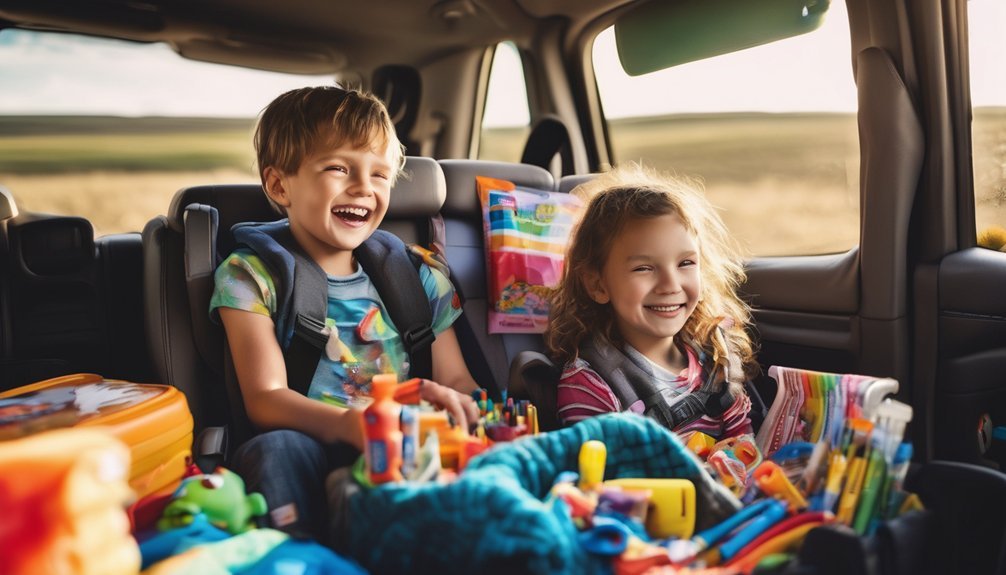
An activity kit can keep children occupied and reduce the number of interruptions during long stretches on the road. Families may gather compact activity supplies that feel familiar and comforting, then rotate them to preserve interest.
| Item | Benefit | Use |
|---|---|---|
| Crayons | Quiet focus | Coloring |
| Stickers | Easy fun | Decorating pages |
| Puzzle cards | Simple challenge | Short breaks |
A small pouch can hold engaging games, paper, and a few favorite toys without creating clutter. It helps to choose items that work independently, so adults can drive with less stress while children feel included. Soft books, wipe-clean boards, and surprise envelopes can keep the mood warm and attentive. With thoughtful planning, the kit supports calm, connected travel for the whole family.
Choose Smart Potty Break Stops
Smart potty break stops can make a road trip feel far more manageable for families, especially when children need space to stretch, use the restroom, and reset their energy.
Planning these stops in advance helps reduce stress and keeps the day moving gently. Families often benefit from choosing locations with clean restrooms, easy parking, and simple rest area amenities such as picnic tables or grassy areas.
Checking maps for frequent options also helps with bathroom timing, since younger children may need breaks sooner than expected. A thoughtful stop gives everyone a brief pause without turning the trip into a disruption.
When stops are chosen with care, the road feels less demanding and the journey feels more shared.
Keep Kids Comfortable in the Car
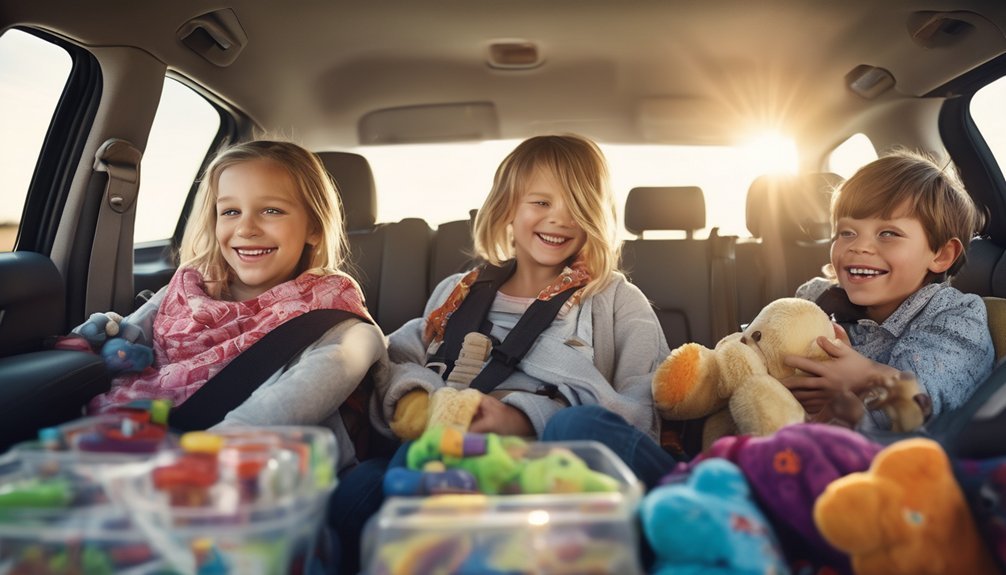
Comfort in the car can shape the mood of an entire family road trip, so small adjustments often make a meaningful difference.
A parent may check car seat comfort before leaving, making sure straps sit correctly, blankets do not bunch, and a familiar pillow or soft toy rests nearby. Lightweight layers help children stay warm or cool as the weather changes.
Sunshades can soften glare, while a small bag with water and simple snacks keeps them settled between stops. Quiet travel games, songs, or picture books give little passengers gentle focus without overstimulation.
With these thoughtful touches, the car feels more like a safe, cozy space, and the whole family can travel with greater ease, closeness, and calm.
Handle Toddler Meltdowns Calmly
Even with a cozy setup, a toddler may still reach a point where the car feels too long or too confining. In that moment, a calm adult tone can make all the difference. Short, steady phrases help the child feel safe, while gentle breathing offers simple emotional regulation techniques that can lower tension.
The caregiver can keep movements slow, avoid arguing, and acknowledge the child’s feelings without making the scene bigger. Small distraction strategies, such as a favorite song, a familiar toy, or a quick game of spotting colors, often redirect attention before the upset grows.
When comfort stays consistent, the toddler senses care rather than alarm. That steady presence helps the whole family move through the ride with more ease, patience, and closeness.
Prepare for Delays and Backup Plans
Road trips rarely unfold exactly as planned, so families benefit from having a simple backup plan before they leave. They can expect traffic, bathroom stops, and unexpected weather, then plan gentle responses in advance.
A few extra snacks, wipes, and a change of clothes can ease stress during longer pauses. Parents may also save entertainment options on a tablet, pack coloring books, and teach a few car games to keep young children engaged.
If a hotel, rest stop, or nearby park becomes necessary, having those names already noted helps everyone stay calm. Children feel safer when adults sound steady and prepared, and that reassurance often turns delays into manageable breaks rather than frustrating setbacks.
Frequently Asked Questions
What Car Seat Is Safest for Long Road Trips?
The safest choice is a rear-facing car seat that fits the child correctly and has strong crash-test ratings. Proper car seat types and installation tips matter most; secure installation, harness fit, and comfort support long trips.
How Can I Keep My Child Entertained Without Screens?
Audio books, travel games, sing alongs, and scavenger hunts keep children engaged without screens; many parents worry boredom will win, yet rotating activities every hour makes the trip feel intimate, calm, and pleasantly shared.
What Should I Do if My Child Gets Car Sick?
If car sickness starts, they should stop soon, offer water, fresh air, and a cool cloth. Car sickness remedies like ginger help. Pre trip preparations, including light snacks and seating placement, can prevent repeat discomfort.
How Do I Budget for a Family Road Trip?
Like a map guiding a gentle journey, she should estimate fuel costs, meal planning, lodging, and activities, then add a small cushion. He can track spending daily, keeping the family reassured, connected, and comfortably prepared.
What Travel Documents Should I Bring for Children?
Children should carry passports, birth certificates, consent letters, and any custody papers; passport requirements vary by destination. Travel insurance details and emergency contacts should also be kept handy, reassuring families during unexpected delays.
Conclusion
In the end, a family road trip with young children is less about perfection and more about preparation. When parents plan around naps, pack nourishing snacks, choose clean potty stops, and keep small comforts close, the miles feel much lighter. And if delays or meltdowns appear, a calm backup plan can turn chaos into a manageable pause. The road may be long, but with patience and flexibility, it can still be a happy journey.