
Traveling with toddlers rarely feels simple, but a few smart habits can change the entire trip. A clear checklist, familiar routines, and well-timed snacks often keep the day moving with less noise and fewer surprises. The real challenge begins before departure, where small choices can make or break the journey. Some strategies work better on the road, while others matter most at the airport, and the difference is worth noticing.
Key Takeaways
- Pack toddler essentials like diapers, wipes, snacks, and a comfort item in clearly sorted pouches.
- Keep nap and meal routines as consistent as possible to reduce stress and meltdowns.
- Bring quiet toys, sticker books, and crayons to entertain toddlers during delays and flights.
- Arrive early and keep important items easily accessible for smoother airport and travel transitions.
- Choose comfortable seating and use familiar items to help your toddler feel secure while traveling.
Plan Your Toddler Travel Checklist
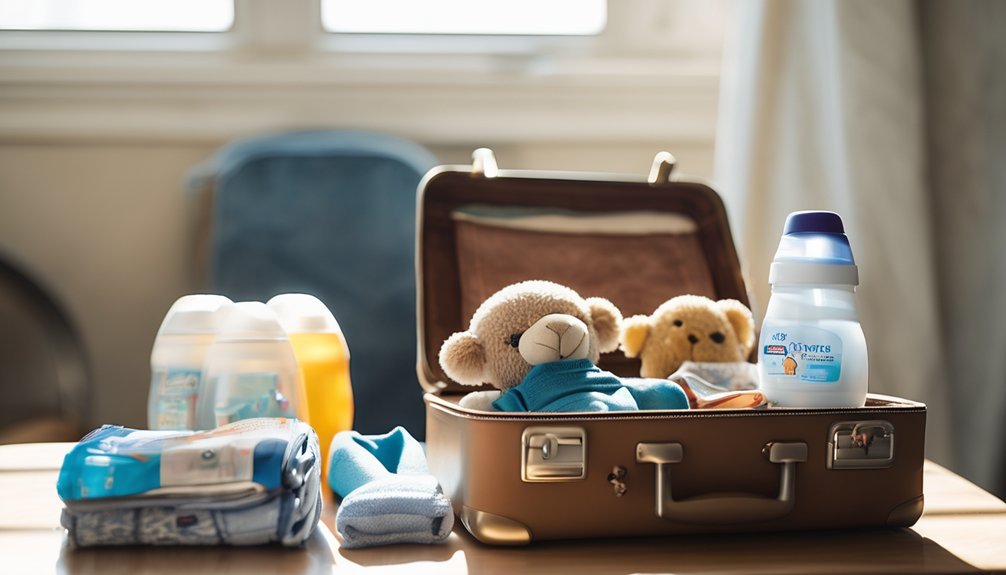
A well-planned toddler travel checklist can turn a hectic departure into a smoother, more manageable experience. Before any suitcase opens, the plan should map the child’s routines, destinations, and transit demands.
A concise list helps caregivers confirm toddler gear, from stroller readiness to compact carriers, while keeping travel safety at the center of each decision. It also reduces anxious last-minute searching and creates a calmer rhythm for the journey.
Each item should earn its place by serving comfort, convenience, or protection. When the checklist is tailored to the trip, familiar boundaries remain intact, and little disruptions feel less overwhelming.
In that careful order, preparation becomes a quiet form of reassurance, letting families move with greater ease and closeness.
Pack Toddler Travel Essentials
Packing toddler travel essentials begins with the items that preserve comfort and routine in unfamiliar places. A well chosen bag, ideally among toddler friendly luggage, keeps each necessity within easy reach and helps prevent hurried searching.
Essential travel gear should include spare clothing, wipes, diapers or underwear, a compact changing mat, a favorite blanket, and small comfort items that feel familiar to little hands. Clear pouches make sorting simple, while a separate pocket for snacks and cups keeps the main bag orderly.
Lightweight layers, sun protection, and a few quiet toys add flexibility during delays or transfers. When each item has a purpose, the journey feels calmer, and the child remains more settled beside the adults who are guiding the day.
Keep Naps, Meals, and Routines on Track
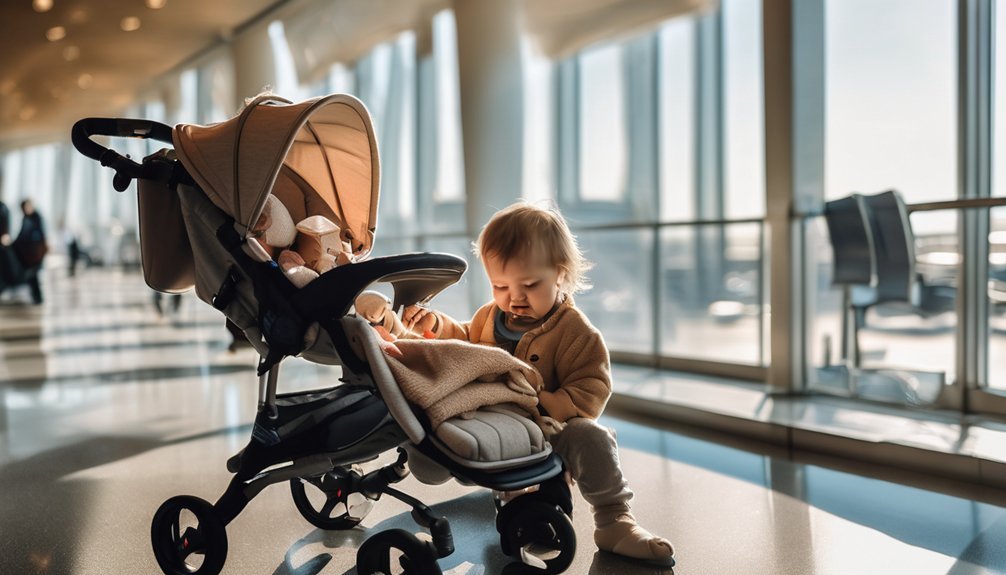
Once the bag is packed, attention can turn to the rhythm of the day, since toddlers usually cope better when naps, meals, and familiar routines stay as steady as possible.
A parent can protect that calm by planning around the child’s sleep window, aiming for quiet transitions before fatigue deepens. Simple nap strategies, such as a familiar blanket, dimmed surroundings, or a short pause after travel, can help a little body settle.
Mealtimes work best when they arrive near the usual hour, offering the comfort of predictability.
Still, routine flexibility matters, because delays and detours often appear without warning. When the day bends gently instead of breaking, a toddler is more likely to feel secure, and the trip can unfold with far less strain for everyone.
Bring Snacks and Activities
Small, familiar snacks can make travel feel far less daunting for a toddler, especially when delays stretch longer than expected. A parent’s careful packing of healthy snacks can soften hunger and soothe frayed moods, while a few favorite travel games can turn restless waiting into gentle amusement.
- Bite-size fruit, crackers, and cheese offer tidy, nourishing choices.
- Sticker books, soft crayons, and magnetic play sets invite quiet focus.
- Simple guessing games or picture cards keep small minds engaged.
Together, these comforts help a child feel seen and steadied in unfamiliar places. When each item is chosen with care, the journey gains a warmer rhythm, and the toddler’s mood often follows.
Make Road Trips Easier
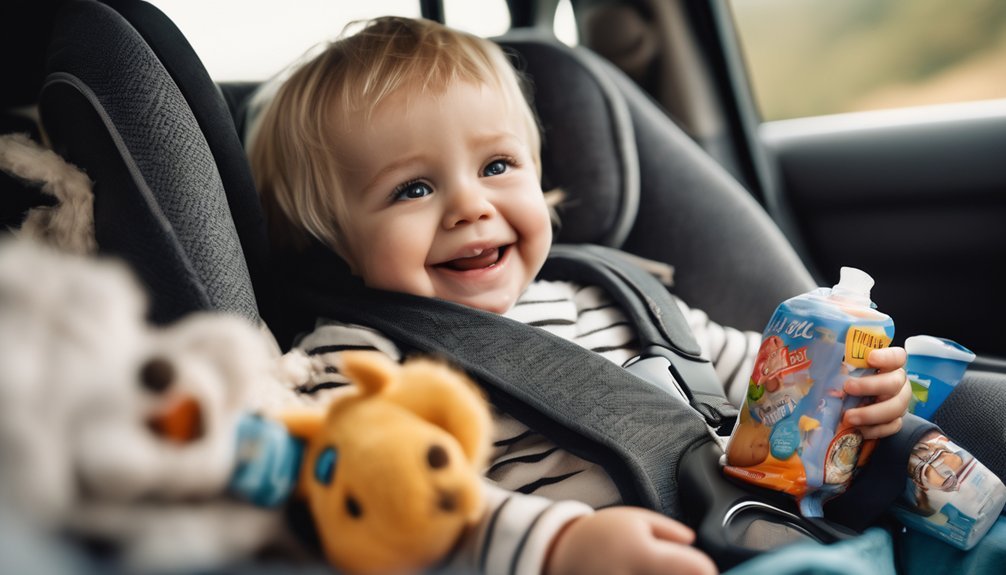
Long stretches of highway can test a toddler’s patience, so a well-planned road trip benefits from a steady rhythm of stops, snacks, and variety. A small child settles more easily when the drive feels predictable and alive.
Gentle music playlists can soften the cabin, while familiar car games keep little minds engaged between exits and rest areas. Window views also help; shifting scenery offers a quiet kind of entertainment that feels close and comforting.
Frequent pauses for stretching, diaper changes, and a quick cuddle prevent restless fussing from building. Keeping one beloved toy within reach adds another anchor of reassurance.
When the journey moves in manageable pieces, the road feels less endless, and family travel becomes calmer, warmer, and more pleasant for everyone.
Reduce Airport and Flight Stress
Airport days can feel even more demanding than hours on the highway, so careful planning helps a toddler move through the rush with less strain. A calm pace, a light carry-on, and familiar routines can soften the day’s sharp edges.
Parents often find that clear airport navigation and simple choices keep little travelers close and secure.
- Arrive early enough to avoid hurried steps through lines and gates.
- Keep snacks, wipes, and a comfort item within easy reach.
- Offer flight entertainment that feels familiar, such as books or a favorite tablet show.
Once onboard, a window seat or aisle seat can support easier movement and quiet reassurance.
Small comforts, offered with tenderness, help the child feel held within the larger journey.
Prevent Toddler Travel Meltdowns
Preventing toddler travel meltdowns begins with watching for the first signs of fatigue, hunger, or overstimulation before they build into tears. A calm routine, even on the road, helps steady a child’s travel behavior and reduces the sharp turns that lead to distress.
Small snacks, familiar drinks, and frequent pauses can soften tension before it settles in. Soft toys, picture books, and gentle songs work as toddler distractions that redirect restless energy without adding noise or pressure.
Caregivers who speak quietly, move slowly, and offer simple choices often create a sense of safety that toddlers can feel immediately. When the day stays predictable and warm, the trip becomes less about surviving emotion and more about sharing closeness in motion.
Frequently Asked Questions
How Do I Choose the Best Toddler Travel Car Seat?
The best toddler travel car seat balances safety, comfort, and fit. He should prioritize car seat features like harness strength and side protection, plus installation tips such as checking vehicle compatibility and securing a snug, stable fit.
What Travel Documents Does My Toddler Need?
Toddlers typically need a passport for international trips, plus possible visa documents. Identification options vary by destination; domestic travel may require a birth certificate or no ID. Parents should verify airline, country, and passport requirements early.
How Early Should I Book Toddler-Friendly Accommodations?
Toddler-friendly accommodations should be booked as early as possible, ideally months ahead, to secure toddler amenities and booking flexibility. Early reservations often provide better room choices, calmer planning, and greater reassurance for families seeking comfort.
How Can I Keep a Toddler Safe in Unfamiliar Places?
Toddler safety in unfamiliar places begins with coincidence: the wandering child reaches exactly the hidden stair. Careful travel preparation helps by scouting hazards, keeping close supervision, and using familiar comforts to reduce curiosity-driven risks.
What Should I Do if My Toddler Gets Sick While Traveling?
Seek prompt pediatric advice for a sick toddler, offering travel remedies like fluids and rest. Emergency contacts should be ready, while symptoms are watched closely. A calm caregiver keeps the child comforted, safe, and supported.
Conclusion
With a thoughtful checklist, familiar routines, and a bag of snacks and quiet toys, toddler travel can feel less like a whirlwind and more like a well-choreographed adventure. When naps are protected, meals stay predictable, and airports are approached early, stress begins to fade. What family trip could be smoother than one where comfort travels beside everyone? By preparing ahead, parents can help small travelers stay calm, and the journey becomes part of the joy.